Surviving the Studio: Behind the Scenes of Episode 71
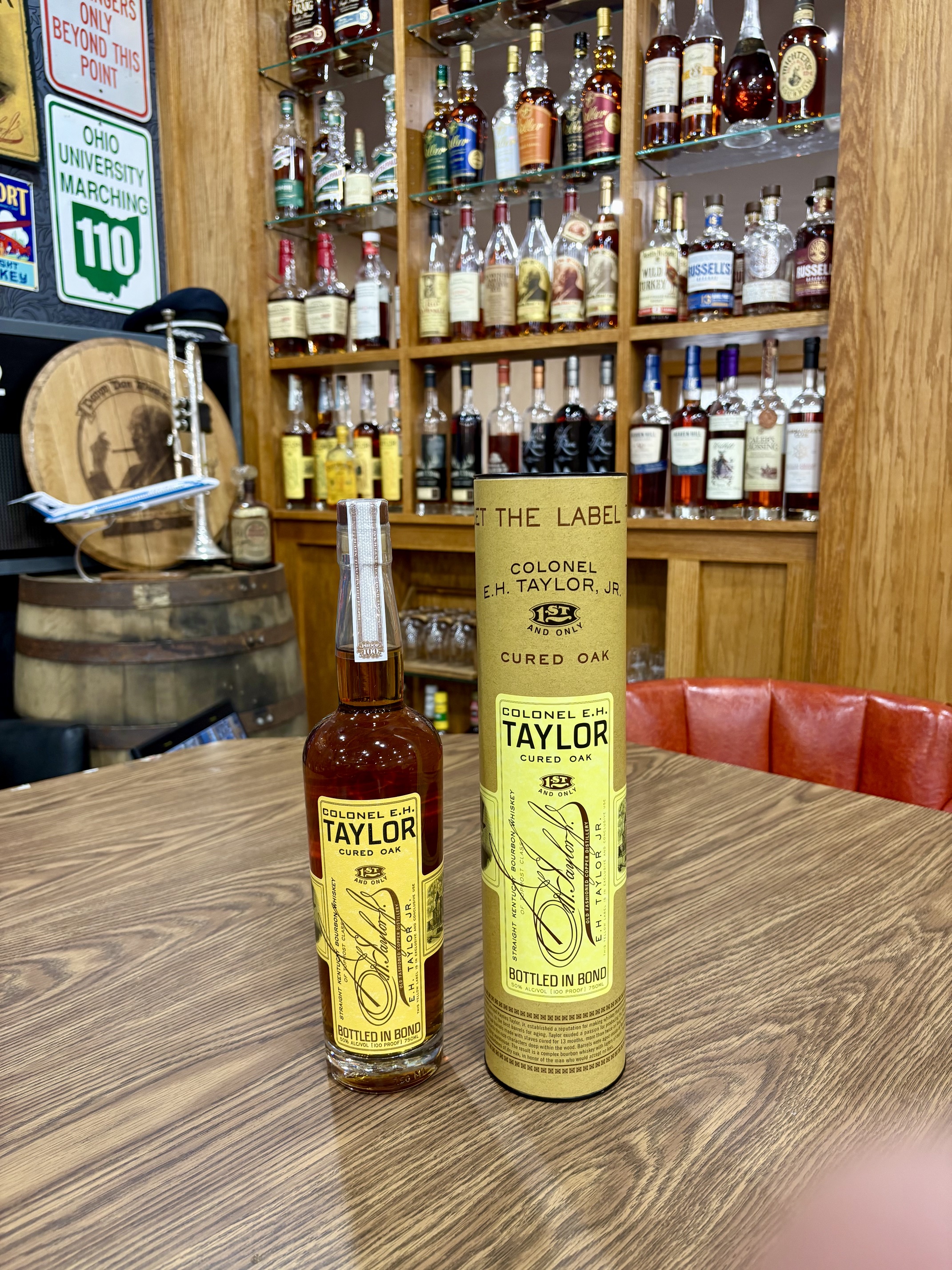
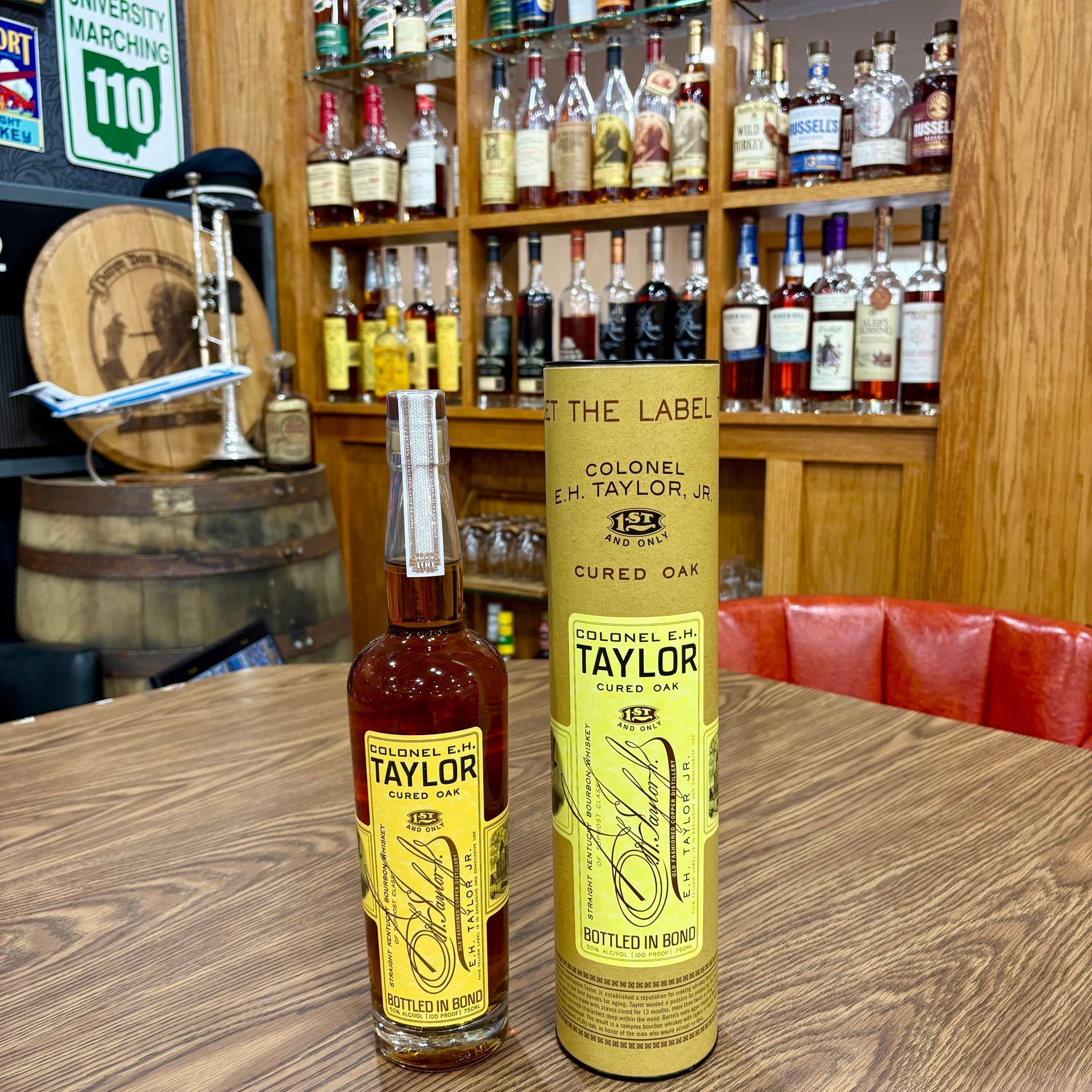
Welcome back, bourbon enthusiasts, brass lovers, and faithful listeners of the show! If you are a regular listener, you know we pride ourselves on bringing you deep, sprawling conversations about the finest whiskeys on the market, the intricacies of barrel aging, and the rich histories behind every pour. But as any veteran podcaster will tell you, no matter how much you plan, the recording gods occasionally decide to throw a massive wrench into your best-laid plans. That is precisely what happened during our latest session. Every podcast recording comes with its unique set of challenges, and for Episode 71, it was relentless, nerve-wracking power outages! If you haven't had a chance to listen yet, you can check out the E.H. Taylor Cured Oak; Ep. 71 episode right now. In this blog post, we are pulling back the curtain to give you an exclusive look at how we managed to capture a shorter, punchy segment despite the technical difficulties, and why the incredible liquid in our glasses made every single headache entirely worth it.
Battle Against the Blackouts: The Studio Struggle
Every great adventure needs an antagonist, and for Episode 71, ours was municipal infrastructure and unpredictable electricity. When Bob walked into the studio with a bottle he managed to track down—the legendary E.H. Taylor Cured Oak—we knew we were in for a special recording session. Calvin joined Bob and Dan in the studio, the microphones were levels-checked, the glasses were polished, and the atmosphere was electric in more ways than one. Little did we know, the universe had other plans.
Just as we settled in to discuss the anticipation surrounding this coveted Buffalo Trace release, the lights flickered. Then, darkness. The studio went completely black, cutting power to our recording interface, our lighting rig, and our climate control. Panic? A little bit. Frustration? Absolutely. We sat in the dark for a few minutes, wondering if we should reschedule the whole session. But bourbon waits for no one, and neither does our enthusiasm for a good conversation. The power came back on, we scrambled to reboot our gear, and we dove straight into the tasting before the next blackout could strike.
Unfortunately, electricity is a fickle thing, and our studio session was punctuated by repeated losses of power. It became a high-stakes game of beat-the-clock. We would hit record, dive into a fascinating point about the barrel aging process, and suddenly watch our screens fade to black. While it was intensely stressful in the moment, it forced us to distill our thoughts down to their absolute essence. We didn't have time for meandering tangents or long winded introductions. We had to focus on what mattered most: the whiskey, the camaraderie, and sharing our honest thoughts with all of you.
Short, Punchy, and Unbroken: Adapting on the Fly
In the world of podcasting, there is a common myth that longer is always better. Content creators often feel the pressure to pad their episodes to hit a specific runtime, resulting in filler conversation and diluted insights. The power outages during our recording of Episode 71 completely shattered that illusion for us. By forcing us into a corner, the technical difficulties actually birthed one of our most concise, high-energy segments to date.
Instead of a sprawling, hour-long deep dive, we had to pivot on the fly and deliver a tight, punchy, no-nonsense review. Calvin, Bob, and Dan had to rapidly organize their thoughts, zeroing in on the standout characteristics of the E.H. Taylor Cured Oak without wasting a single second. The resulting episode is fast-paced, highly focused, and packed with immediate value for anyone trying to decide if this bottle lives up to the astronomical hype surrounding it.
Adapting on the fly is a skill every creator needs, but it is also a reminder of the live-wire nature of making art and entertainment. You cannot script a power outage. You cannot plan for your studio to go pitch black in the middle of a sensory review. But you can control how you react to it. We chose to lean into the chaos. The tension in the room actually translated into a palpable excitement on the mic. We were racing against the grid, savoring every drop of bourbon while we still had enough ambient light to see what was in our glasses. It turned out to be an unforgettable recording experience, proving that sometimes, constraints breed the absolute best creative results.
The Star of the Show: E.H. Taylor Cured Oak
Of course, none of this would matter nearly as much if the whiskey in our glasses was mediocre. But we weren't just drinking any standard pour; we were reviewing the 2026 E.H. Taylor Cured Oak release from the legendary Buffalo Trace Distillery. For those who follow the bourbon landscape closely, the Colonel E.H. Taylor Jr. lineup is already revered for its historical pedigree, striking packaging, and consistently stellar liquid. However, the Cured Oak release holds a particularly mythic status among collectors and aficionados.
When Bob managed to secure a bottle for the show, it instantly elevated the stakes of the recording session. This expression is famous not just for the grain and the distillation, but for the intensely unique method used to season the oak staves before the barrels are even constructed. Buffalo Trace took virgin white oak staves and allowed them to cure in the open air for an extended, highly monitored period before assembling the barrels and filling them with their magnificent distillate.
Sitting in the studio—while sweating bullets wondering if the power would cut out again—we poured ourselves a generous measure. The bottle itself carries that classic, vintage-style labeling that pays homage to the pioneering days of American whiskey production, but it is what happens inside the glass that truly captivates the imagination. As Calvin, Bob, and Dan raised their glasses to the dim studio lights, we knew we were tasting something extraordinary. This wasn't just a drink to sip casually; it was a masterclass in modern bourbon innovation deeply rooted in traditional craftsmanship.
Tasting Notes: Nose, Flavor, and Finish
Despite the interruptions, our palates remained sharp, and the sensory experience of the E.H. Taylor Cured Oak demanded our absolute, undivided attention. Even with the looming threat of another blackout, we took the time to properly evaluate what made this expression so distinct from other heavy hitters in the Buffalo Trace portfolio.
The Nose
Right from the pour, the nose on the Cured Oak is nothing short of impressive. It hits you with a wave of rich, seasoned oak that feels distinctly different from a standard charred barrel. There is a deep, woody maturity to it, accompanied by sweet undertones of dark brown sugar, rich vanilla bean, and a pleasant, baking-spice complexity featuring cinnamon and clove. It is an aroma that commands respect, inviting you to linger over the glass before taking your very first sip.
The Flavor
On the palate, the whiskey truly shines. One of the primary takeaways from our conversation in Episode 71 is just how remarkably smooth and easy to drink this expression is. Sometimes, heavily aged or specialty-finished bourbons can lean overly woody, drying out the mouth with too much tannin. Buffalo Trace avoided that trap entirely here. The flavor profile delivers a harmonious balance of sweet caramel, roasted nuts, dried dark fruits like fig and raisin, and a robust wave of polished, elegant oak. It coats the mouth effortlessly, offering a rich, velvety texture that feels luxurious from the moment it touches your tongue.
The Finish
The finish is long, warming, and satisfyingly complex. It leaves behind a lingering echo of sweet vanilla and aged wood spice that encourages you to immediately reach for another sip. Throughout the episode, all three of us marveled at how approachable yet deeply sophisticated it is. It drinks well below its proof point, making it dangerously drinkable for anyone fortunate enough to cross paths with a bottle.
The Magic of the Barrel Aging Process
A huge focal point of our truncated conversation during the episode was the science and artistry behind the barrel aging process. We often talk about how aging affects bourbon—after all, conventional wisdom dictates that the barrel provides roughly fifty to seventy percent of a whiskey's flavor and nearly all of its color. But the E.H. Taylor Cured Oak takes this concept to an entirely different stratosphere.
When wood is seasoned or "cured" in the open air, natural elements like rain, sun, and wind interact with the staves over an extended period. This process leaches out harsh, bitter green tannins from the raw wood while allowing beneficial chemical changes to occur within the cellular structure of the oak. When those staves are finally coopered into barrels and charred, they interact with the distillate in a much more refined, harmonious way.
During our chat, Dan, Bob, and Calvin compared notes on how this unique curing method separates the Cured Oak from standard releases. Instead of harsh, aggressive oak notes that can sometimes overwhelm a whiskey, the curing process yields a softer, sweeter, and far more integrated wood influence. It allows the sweet corn and rye grain characteristics of the Buffalo Trace mash bill to shine while being gently embraced by a sophisticated, seasoned oak backbone. It is a stunning reminder that whiskey making is as much a science of agriculture and climatology as it is an art form.
Conclusion: Why It Was All Worth It
Looking back on Episode 71, the recurring power outages transformed what could have been a standard review into a memorable, high-octane podcasting adventure. Sure, we had to cut the episode shorter than originally planned, and yes, we spent a fair amount of time wondering if our gear was going to short out permanently. But sometimes, life gives you chaos so you can appreciate the sweet moments even more.
The E.H. Taylor Cured Oak provided the ultimate reward for our studio struggles. Its impressive nose, unbelievable flavor profile, and remarkably smooth, easy-to-drink nature made every single blackout completely worth the stress. It is a phenomenal expression that deserves all the praise it gets, and discussing it with Calvin and Bob—even under flickering lights—reminded us why we love doing this show week in and week out.
If you haven't listened to the chaos and the camaraderie unfold in real time, make sure to head over and check out E.H. Taylor Cured Oak; Ep. 71 right now. Drop us a comment, let us know your thoughts on barrel curing, and as always, keep raising a glass to the good stuff. Cheers!
Pilot / Dad / Trumpeter / Contract Negotiator / Martial Artist
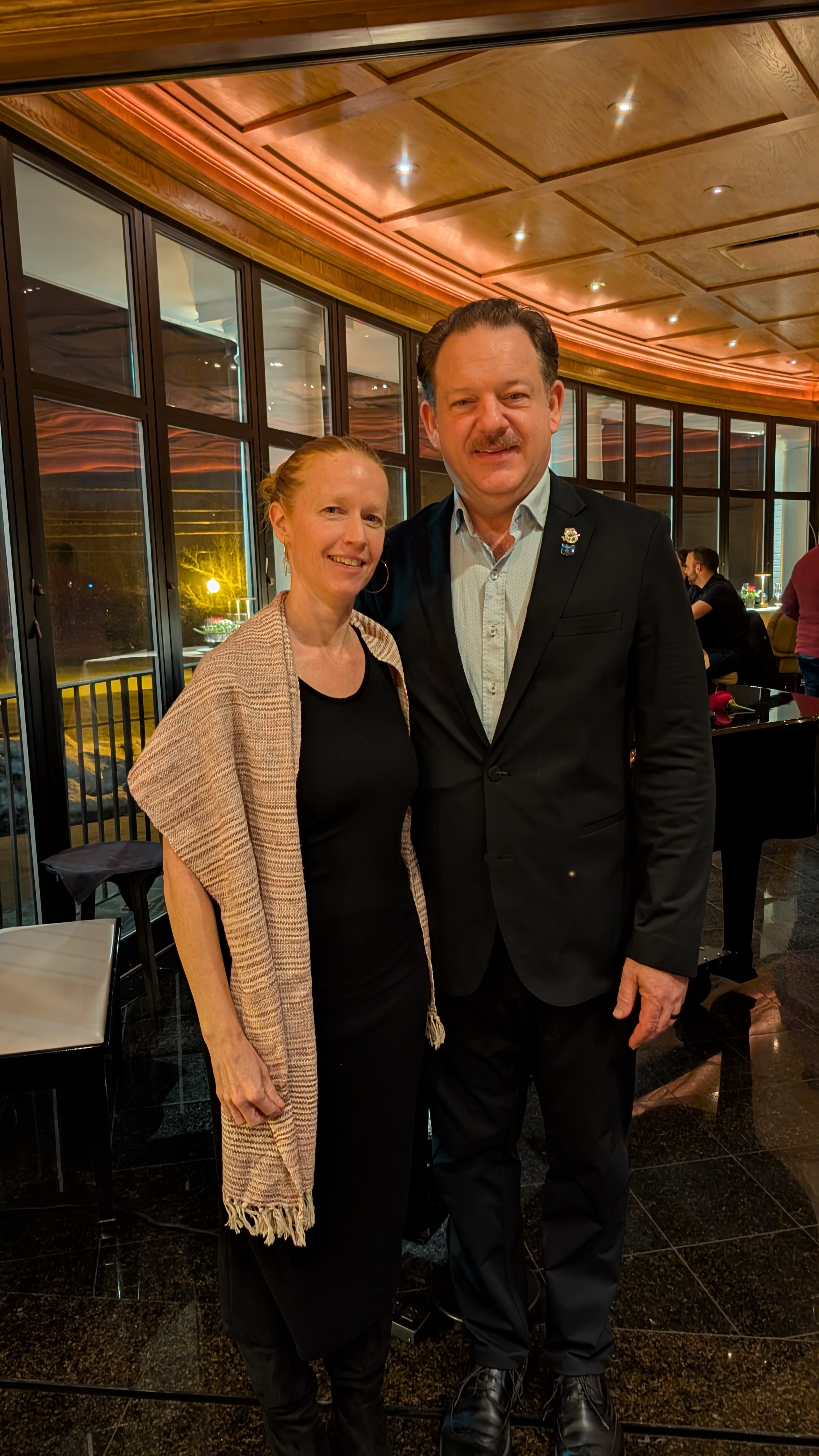
In his 26th year as an airline pilot, Dan resides in Youngstown, Ohio with his high school sweetheart Stephanie. Combined they have 5 kids (teenagers...). They enjoy travel as a family, and as a couple. Dan has had a bourbon affinity since smelling his Grandfather's JW Dant and Grapefruit soda as a kid. Dan started collecting bourbon in 2015. He has been actively involved in Martial Arts since he was a kid and has Black Belts in two different styles. Dan still plays trumpet. Originally he went to college for music at Ohio University, but after his sophomore year decided he would much rather spend 3 hours in an airplane instead of a practice room. He still helps teach high school band camps, and has assisted with 5th and 6th grade Trumpet, Low Brass, and Percussion. Dan has been a Pilot Union Representative, Contract Negotiator, Merger Specialist, and Contract Compliance Administrator for over 20 years. Dan received the President's Lifetime Achievement Volunteer Service Award in 2024.
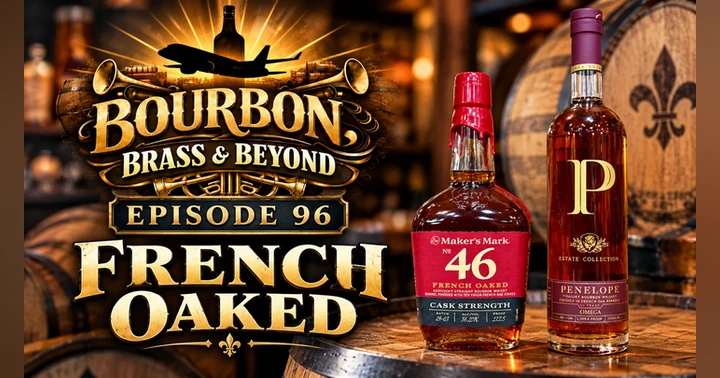
Penelope Omega 11 Year vs. Maker's Mark 46 Cask Strength: The Ultimate Breakdown