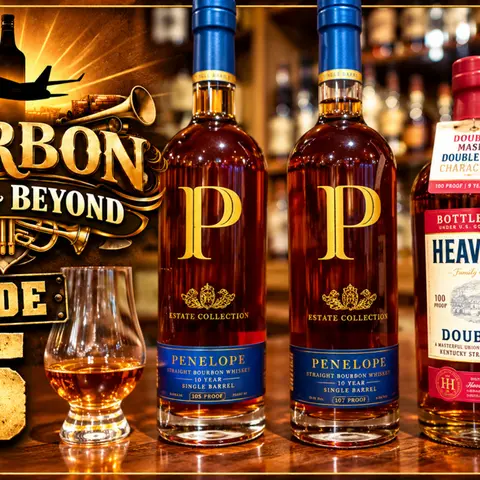
Heaven Hill Double Mash: A Look Inside This 9-Year Bottled-in-Bond Release
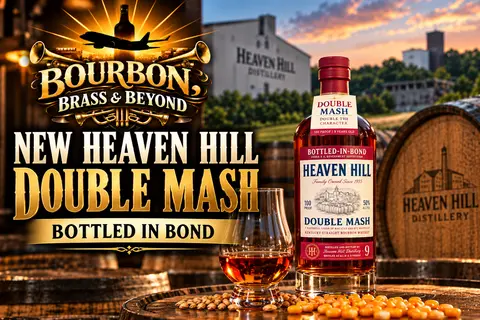
Welcome back to the Bourbon Brass and Beyond blog, where we take the conversations from our microphones and expand them onto the page. If you are anything like us, the world of American whiskey feels like it is moving faster than ever. Every single week, distilleries—both historic legacy producers and young upstarts—are pushing boundaries, experimenting with grain recipes, and rolling out unexpected product lines that challenge what we thought we knew about traditional bourbon. Among all the recent releases hitting the shelves, few bottles have captured our attention quite like Heaven Hill's latest creation. Today, we are diving deep into the much-talked-about Heaven Hill Double Mash, breaking down its unique composition, exploring its tasting profile, and discussing what this release signals for the broader whiskey market.
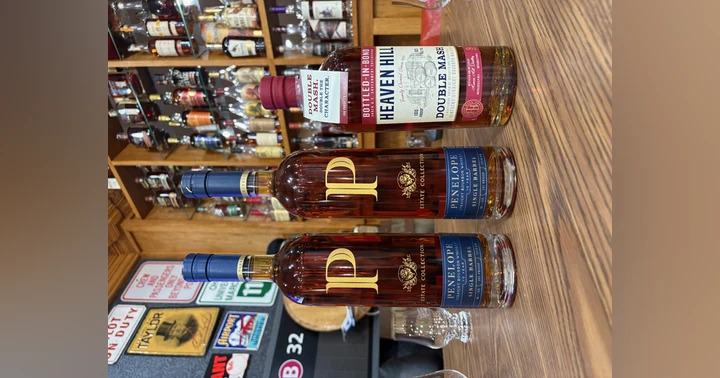
Before we jump into the technical details and tasting notes, make sure you check out our audio or video discussion on this exact bottle by listening to Penelope Estate Collection, NEW Heaven Hill Double Mash, and Monk's Road Barrel Pick; Ep. 95. In that episode, the crew sits down to taste through this remarkable expression live, comparing notes and debating its place in the modern bourbon landscape alongside some incredible Penelope single barrels and a standout Log Still pick.
Introduction to Heaven Hill Double Mash
Heaven Hill is no stranger to legacy, tradition, and critical acclaim. As one of the historic giants of Kentucky bourbon making, they are custodians of time-tested recipes and massive quantities of aging stock. When a distillery of this magnitude announces a completely new, permanent or limited-allocation concept, the collective ears of the bourbon community perk up immediately. Enter the Heaven Hill Double Mash.
Right out of the gate, this bottle commands respect simply by virtue of its specifications. It sits proudly in the bottled-in-bond category, meaning it adheres to the strict legal standards laid out in the Bottled-in-Bond Act of 1897. It is the product of a single distillation season, distilled at a single distillery, aged in a federally bonded rickhouse for a minimum of four years—though this specific release boasts an impressive nine-year age statement—and bottled at precisely 100 proof. But the real magic, and the true point of curiosity for enthusiasts, lies in how the whiskey was actually constructed from grain to glass.
The Unique Blend: Wheated Meets High-Rye
When we talk about bourbon mashbills, we usually fall into familiar patterns. You have your traditional high-corn recipes, your spicy high-rye bourbons that lean into cinnamon and pepper, and your soft, approachable wheated bourbons that trade spice for sweetness and a pillowy mouthfeel. Most distilleries keep these mashbills strictly separated during both the distillation and aging processes, sometimes blending them down the road, but rarely combining them in this specific fashion.
Heaven Hill Double Mash takes a fascinating approach by officially bringing together two distinct mashbills: a wheated bourbon mashbill and a high-rye bourbon mashbill. On paper, this is an exercise in balancing opposites. The wheated component brings rich notes of vanilla, honey, soft wheat, and approachable baking pastries. Meanwhile, the high-rye component injects vigor into the blend, offering up robust waves of spice, dried fruit, oak influence, and vibrant pepper.
When producers attempt blends like this, the risk is always that the two profiles will fight one another, resulting in a muddled, confused pour. However, Heaven Hill’s expert blending team has years of institutional knowledge, and the marriage of these two distinct grain profiles creates an intriguing interplay that sets this whiskey apart from standard single-mash offerings on the market today.
Age and Bottled-in-Bond Significance
Another crucial element of the Heaven Hill Double Mash story is its nine-year age statement. In an era where many non-age-stated (NAS) bottles flood the shelves—often driven by soaring consumer demand and the temptation to empty barrels prematurely—seeing a solid, mature age statement from a major producer is always a welcome sight.
Nine years in a Kentucky oak rickhouse is a sweet spot for many traditional bourbons. It provides ample time for the harsh, raw edges of the distillate to mellow out, allowing the wood to impart deep, complex characteristics like seasoned oak, dark caramel, and leather, without letting tannin bitterness completely take over. Furthermore, because this is a bottled-in-bond release, consumers are guaranteed transparency regarding its age and proof.
The bottled-in-bond designation has undergone a massive resurgence in popularity over the last several years. Once viewed by some as an old-school relic of government oversight, today's bourbon drinkers recognize it as a hallmark of authenticity and quality control. At 100 proof, Double Mash strikes an ideal balance, offering enough alcohol strength to carry bold flavor compounds across the palate without requiring dilution or overwhelming the senses with ethanol burn.
Tasting Notes and Performance in the Glass
So, how does all of this theory actually translate into the glass? When we first poured Heaven Hill Double Mash during our recording session, we were immediately struck by its presence. In the glass, it presents a deep, warm amber hue, hinting at nearly a decade spent interacting with charred American white oak.
On the nose, the duality of the mashbill becomes immediately apparent. There is a lovely, rounded sweetness that clearly stems from the wheated component—think creamy vanilla custard, brown sugar, and toasted grains. But right alongside those softer notes comes a lively surge of spicy complexity driven by the high-rye elements. You get hints of cracked black pepper, cinnamon stick, and a subtle dusting of herbal rye grass that keeps the aroma dynamic and engaging.
Taking that first sip, the mouthfeel is surprisingly viscous and coating. The palate delivers a wonderful dance between sweet and spicy. The entry introduces caramel corn, maple syrup, and baked orchard fruits, which quickly transition into mid-palate notes of robust oak tannin, clove, and warm baking spices. The finish is medium-to-long, leaving a lingering impression of sweet vanilla fading slowly into dry, seasoned wood and residual spice. It is a complex dram that rewards you for taking your time and letting it open up in the glass.
What Double Mash Means for the Broader Bourbon Market
Beyond the sensory experience of drinking the whiskey, releases like Heaven Hill Double Mash offer a fascinating window into the broader economic and strategic shifts happening within the American whiskey industry. For years, the market was dominated by standard flagship expressions and single-barrel hype. Today, however, master distillers and blenders are feeling more empowered to innovate with blending techniques.
As whiskey inventories mature and producers look for ways to stand out in an increasingly crowded marketplace, creative blending is becoming a primary tool for differentiation. By marrying wheated and high-rye mashbills at a mature nine-year age point, Heaven Hill is demonstrating that historical heritage brands can still push the envelope. It signals to the market that consumers are hungry for complexity and willing to embrace products that defy traditional categorizations. It also raises interesting questions about how other legacy distilleries might utilize their vast rickhouse inventories in the coming years to create novel, blended bottled-in-bond expressions.
Final Verdict and Closing Thoughts
Heaven Hill Double Mash is a stellar addition to the bottled-in-bond category and a testament to the art of whiskey blending. By successfully merging wheated softness with high-rye spice and backing it up with a respectable nine-year age statement, Heaven Hill has crafted a bottle that appeals to both traditionalists and adventurous modern bourbon enthusiasts alike.
If you want to hear more about our unfiltered initial reactions, our debates on the evolving whiskey market, and how this bottle stacks up against other incredible pours like the Penelope Estate Collection and our favorite Log Still single barrel, be sure to listen to Penelope Estate Collection, NEW Heaven Hill Double Mash, and Monk's Road Barrel Pick; Ep. 95. Grab a pour of your favorite whiskey, settle in, and join us for the conversation!

Pilot / Dad / Trumpeter / Contract Negotiator / Martial Artist
In his 26th year as an airline pilot, Dan resides in Youngstown, Ohio with his high school sweetheart Stephanie. Combined they have 5 kids (teenagers...). They enjoy travel as a family, and as a couple. Dan has had a bourbon affinity since smelling his Grandfather's JW Dant and Grapefruit soda as a kid. Dan started collecting bourbon in 2015. He has been actively involved in Martial Arts since he was a kid and has Black Belts in two different styles. Dan still plays trumpet. Originally he went to college for music at Ohio University, but after his sophomore year decided he would much rather spend 3 hours in an airplane instead of a practice room. He still helps teach high school band camps, and has assisted with 5th and 6th grade Trumpet, Low Brass, and Percussion. Dan has been a Pilot Union Representative, Contract Negotiator, Merger Specialist, and Contract Compliance Administrator for over 20 years. Dan received the President's Lifetime Achievement Volunteer Service Award in 2024.
Deep Dive: Tasting the Penelope Estate Collection 10-Year Single Barrels