Navigating the Whiskey Market: Blends, Finishes, and the State of Modern Bourbon
Welcome back to the podcast companion blog. If you have walked down a liquor store aisle lately, you have probably noticed that the whiskey shelf looks radically different than it did five or ten years ago. Gone are the days when you simply chose between a handful of familiar bourbon brands and a couple of scotches. Today, the modern whiskey shelf is a dizzying landscape of experimental barrel finishes, complex blends of straight whiskeys, high-proof independent bottlings, and an emerging wave of American single malts.
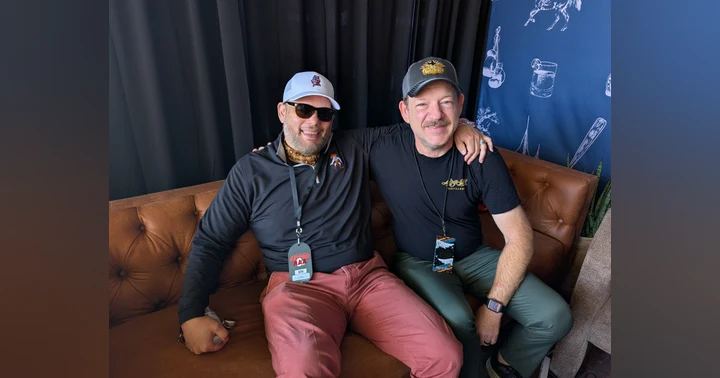
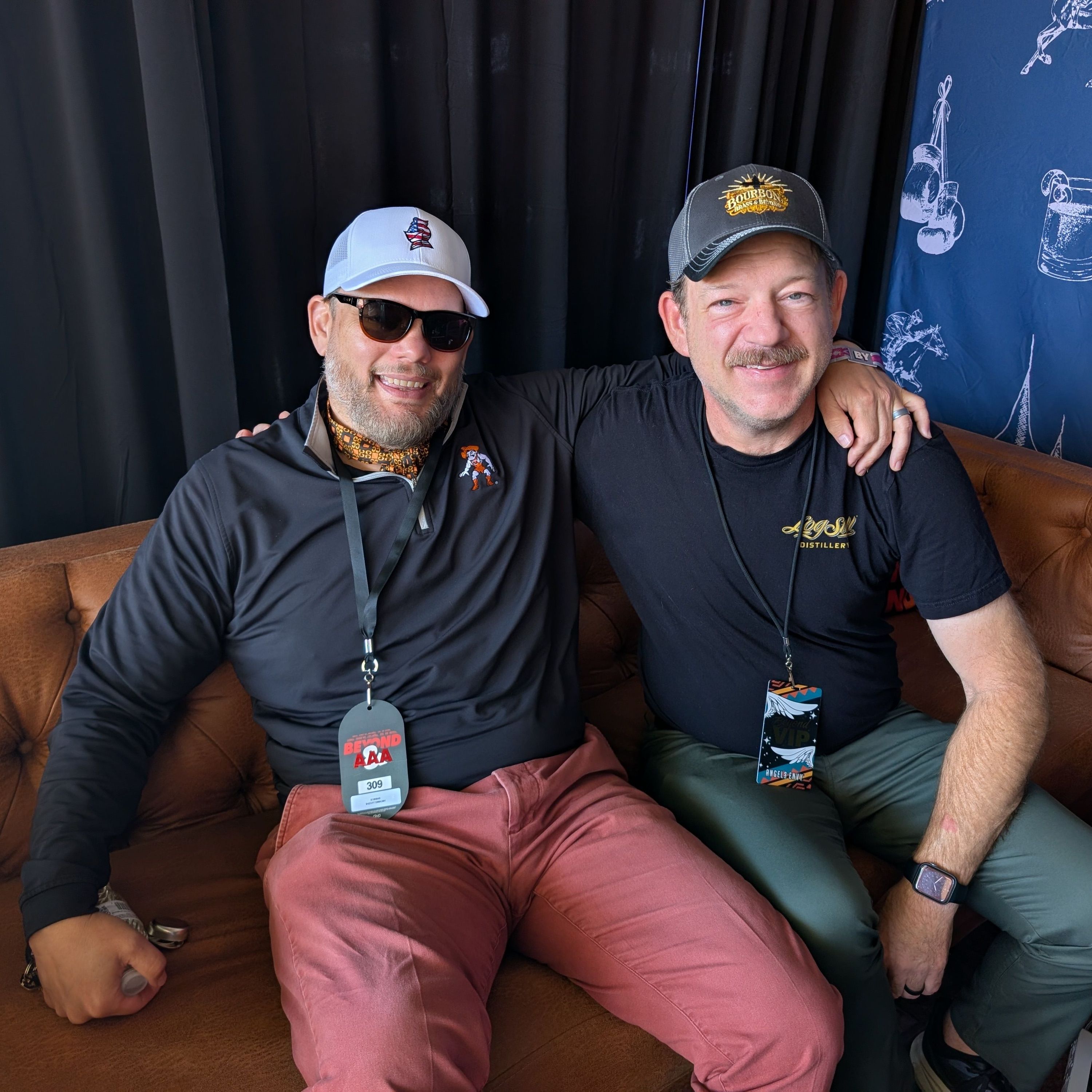
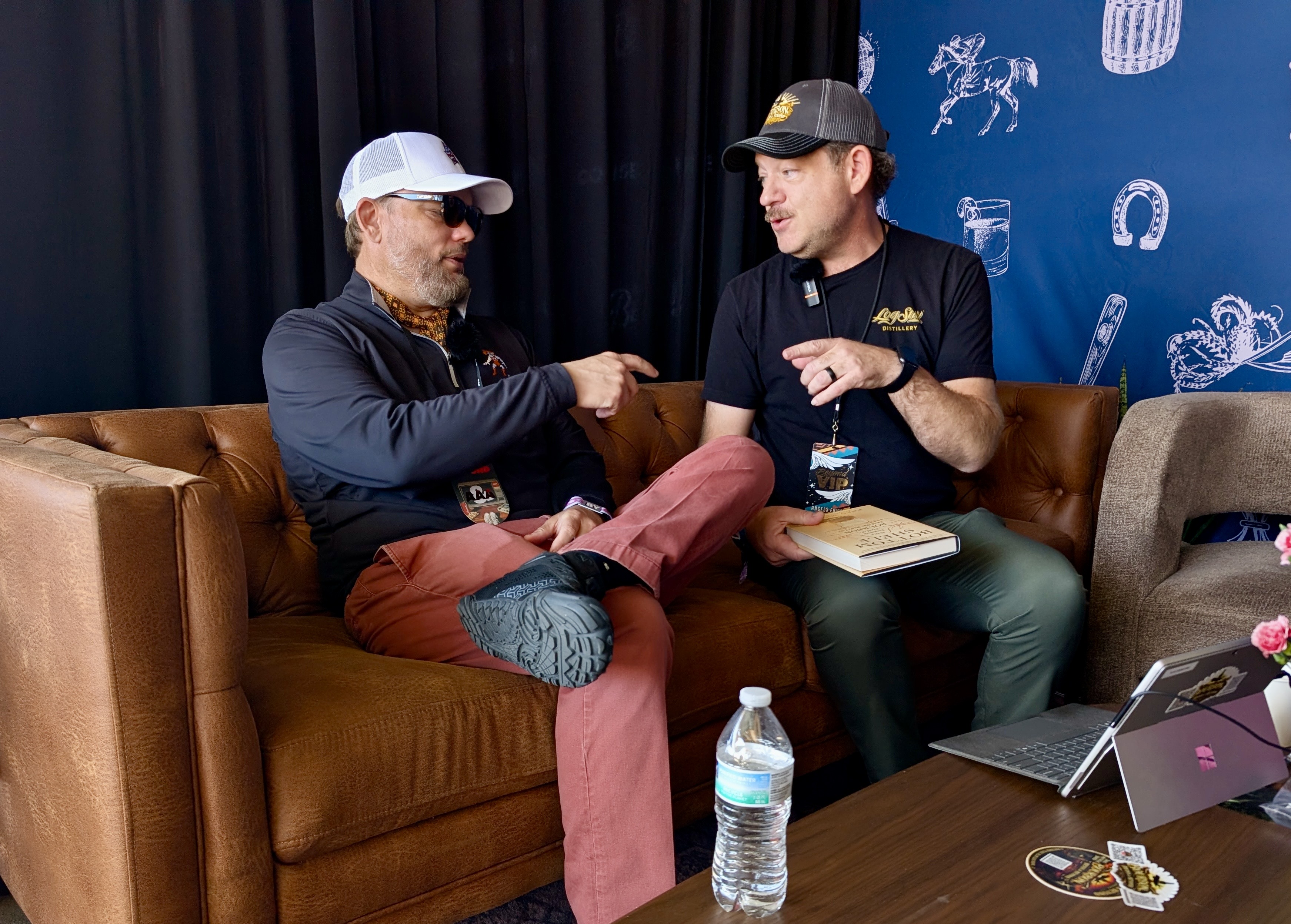
To help us unpack this evolving landscape, we recently sat down for an incredible conversation with whiskey authority, bestselling author, and festival co-founder Fred Minnick. We covered everything from aviation mental health and jujitsu to deep historical dives into Old Crow. But a massive portion of our discussion focused squarely on the economic and regulatory realities of the modern whiskey market. To hear the full conversation and dive deep into these topics, make sure to check out Fred Minnick at Bourbon & Beyond 2026; Ep. 93.
Introduction: What is really happening on the modern whiskey shelf?
For decades, the American whiskey consumer operated in a relatively straightforward environment. Bourbon had a strict federal definition, rye had its parameters, and Tennessee whiskey held its own distinct identity. But as the craft distilling boom matured and major producers scrambled to capture the attention of an increasingly educated and adventurous consumer base, innovation exploded.
While this innovation has brought incredible flavors to our glasses, it has also created a Wild West scenario on retail shelves. Walk into any well-stocked liquor store, and you will find bottles that blur the lines between traditional bourbon and experimental concoctions. You will see whiskey finished in rum casks, port pipes, cognac barrels, and honeyed casks. You will see complex blends combining corn whiskey, rye, and malted barley. While these expressions can be delicious, they also raise important questions about transparency, consumer expectations, and the legal integrity of America’s native spirit. As the market navigates a shifting economic climate, understanding what is actually inside the bottle has never been more critical.
Protecting the name: Why the word 'bourbon' needs stronger legal definitions
One of the most compelling arguments Fred Minnick brought to our conversation revolves around the sacredness and protection of the word "bourbon." Globally, bourbon enjoys a protected status similar to Champagne or Cognac. Under United States federal law, for a product to be labeled as straight bourbon whiskey, it must be made from a grain mixture that is at least 51 percent corn, aged in new charred oak containers, distilled to no more than 160 proof, entered into the barrel at no more than 125 proof, and contain no added flavorings or colorings.
However, Minnick argues that the domestic enforcement and industry adherence to what truly constitutes a bourbon product are facing unprecedented pressure. As companies push the envelope with heavy finishes, added flavor elements, or heavy-handed blending techniques, the boundaries of traditional bourbon are being stretched to their absolute limits. Minnick contends that we need stronger, more rigorous guardrails to protect the integrity of the name. When a consumer picks up a bottle labeled as bourbon, they should be able to trust that it respects the historical and legal framework that generations of distillers fought to establish. If we allow the definition of bourbon to become too diluted or ambiguous, we risk losing the very thing that makes American whiskey unique on the global stage.
Blends of straights, finishes, and the push for transparent whiskey labeling
Closely tied to the protection of the bourbon name is the explosion of blended straight whiskeys and barrel finishes. For a long time, the whiskey industry harbored a subtle stigma against blending. Single-barrel selections and single-distillery flagships were king. But master blenders have proven that combining different straight whiskeys—sometimes sourced from entirely different distilleries and mash bills—can yield flavor profiles that far exceed the sum of their parts.
The issue today is not necessarily the existence of these blends, but rather how they are communicated to the consumer. Minnick points out that "whiskey" should frequently be the lead term on the label for expressions that rely heavily on finishing casks, extensive blending, or nontraditional methods. Transparency is the ultimate currency in the modern spirits market. Consumers are willing to pay top dollar for exceptional liquid, but they want to know the truth about what they are drinking. Did that extra sweetness come from the wood aging, or was it influenced by a finishing cask that previously held heavily sugared wine? Are these 143-proof monster barrels blended down with well water, or are they presented in all their raw, uncut glory? Clear, honest labeling allows consumers to make informed choices and respects the craft of both the distiller and the blender.
Learning from Scotch: International trade agreements and global protection
To understand why domestic labeling and strict definitions matter so much, we only have to look across the Atlantic to Scotland. The Scotch Whisky Association operates with an ironclad set of rules and a fiercely protected global identity. Scotch whisky is legally defined down to the finest detail, and international trade agreements strictly enforce those definitions in markets around the world.
Minnick warns that the American whiskey industry must take a page out of the Scotch playbook. As bourbon and American single malt continue to grow in international popularity, inconsistent labeling standards and loose domestic definitions could create severe vulnerabilities. If foreign trade partners or rival spirit-producing nations decide to scrutinize American whiskey imports, any ambiguity in our legal definitions or labeling practices could be used to undermine bourbon's global standing. By establishing stricter domestic definitions and demanding absolute transparency, the American whiskey industry can safeguard its international reputation against future trade disputes and imitation products.
Navigating the current market: How whiskey companies are adapting to survive and thrive
Beyond the legal and regulatory debates, the whiskey market is currently undergoing a massive economic correction. The days of hyper-inflated secondary markets and indiscriminate buying are cooling off. Whiskey companies—from massive legacy distilling houses to nimble non-distilling producers (NDPs)—are having to adapt rapidly to survive and thrive over the next few years.
What does this mean for the shelf? Interestingly, it means we are seeing some incredible whiskey entering the wholesale market. As companies look to clear inventory, manage cash flow, and adjust to shifting consumer demand, exceptional barrels are finding their way into blends and independent bottlings. We are seeing high-proof, aged wholesale barrels—such as massive, high-octane James Beam or Heaven Hill selections—being rescued from warehouses and bottled by creative operators. At the same time, distillers are doubling down on traditional flavor profiles, dusty-style high-rye mash bills, and authentic heritage recipes to appeal to seasoned enthusiasts who are growing tired of gimmicky finishes. Survival in this new market requires a delicate balance of honoring tradition while smartly innovating to meet the economic realities of today's buyer.
Conclusion: The future of American single malt and modern bourbon
As we look toward the future, the American whiskey landscape remains one of the most dynamic and exciting sectors in the beverage world. The rise of American single malt, the maturation of craft distilleries, and the ongoing evolution of bourbon ensure that enthusiasts will have plenty to explore for years to come. However, as the market matures, the industry faces crucial choices regarding transparency, legal definitions, and market adaptation. Protecting the heritage of bourbon while embracing the creativity of modern blending will dictate which brands thrive in the next decade.
We barely scratched the surface of these topics in this post, and the conversation with Fred Minnick goes into even greater depth, touching on everything from his upcoming paperback release of Bottom Shelf to the roots of American distilling history. To hear the full, unfiltered discussion, make sure to listen to our complete interview over at Fred Minnick at Bourbon & Beyond 2026; Ep. 93. Until next time, pour yourself a good glass, keep exploring, and support the makers who prioritize honesty and craftsmanship in every bottle.

Pilot / Dad / Trumpeter / Contract Negotiator / Martial Artist
In his 26th year as an airline pilot, Dan resides in Youngstown, Ohio with his high school sweetheart Stephanie. Combined they have 5 kids (teenagers...). They enjoy travel as a family, and as a couple. Dan has had a bourbon affinity since smelling his Grandfather's JW Dant and Grapefruit soda as a kid. Dan started collecting bourbon in 2015. He has been actively involved in Martial Arts since he was a kid and has Black Belts in two different styles. Dan still plays trumpet. Originally he went to college for music at Ohio University, but after his sophomore year decided he would much rather spend 3 hours in an airplane instead of a practice room. He still helps teach high school band camps, and has assisted with 5th and 6th grade Trumpet, Low Brass, and Percussion. Dan has been a Pilot Union Representative, Contract Negotiator, Merger Specialist, and Contract Compliance Administrator for over 20 years. Dan received the President's Lifetime Achievement Volunteer Service Award in 2024.
Surviving and Thriving at Bourbon & Beyond 2026: A Festival Recap