Uncorking the Rarity: The Allure of Vintage Armagnac
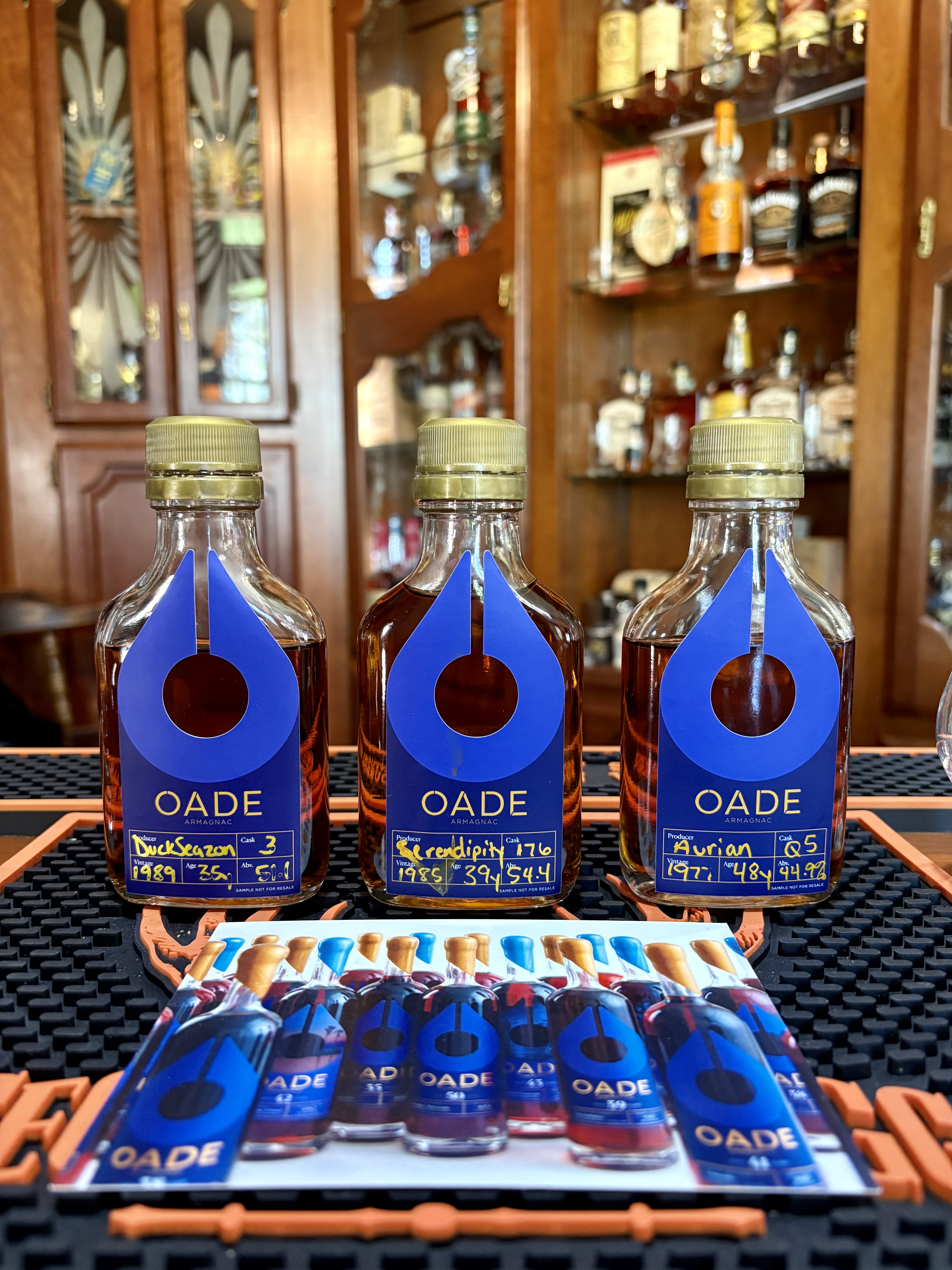
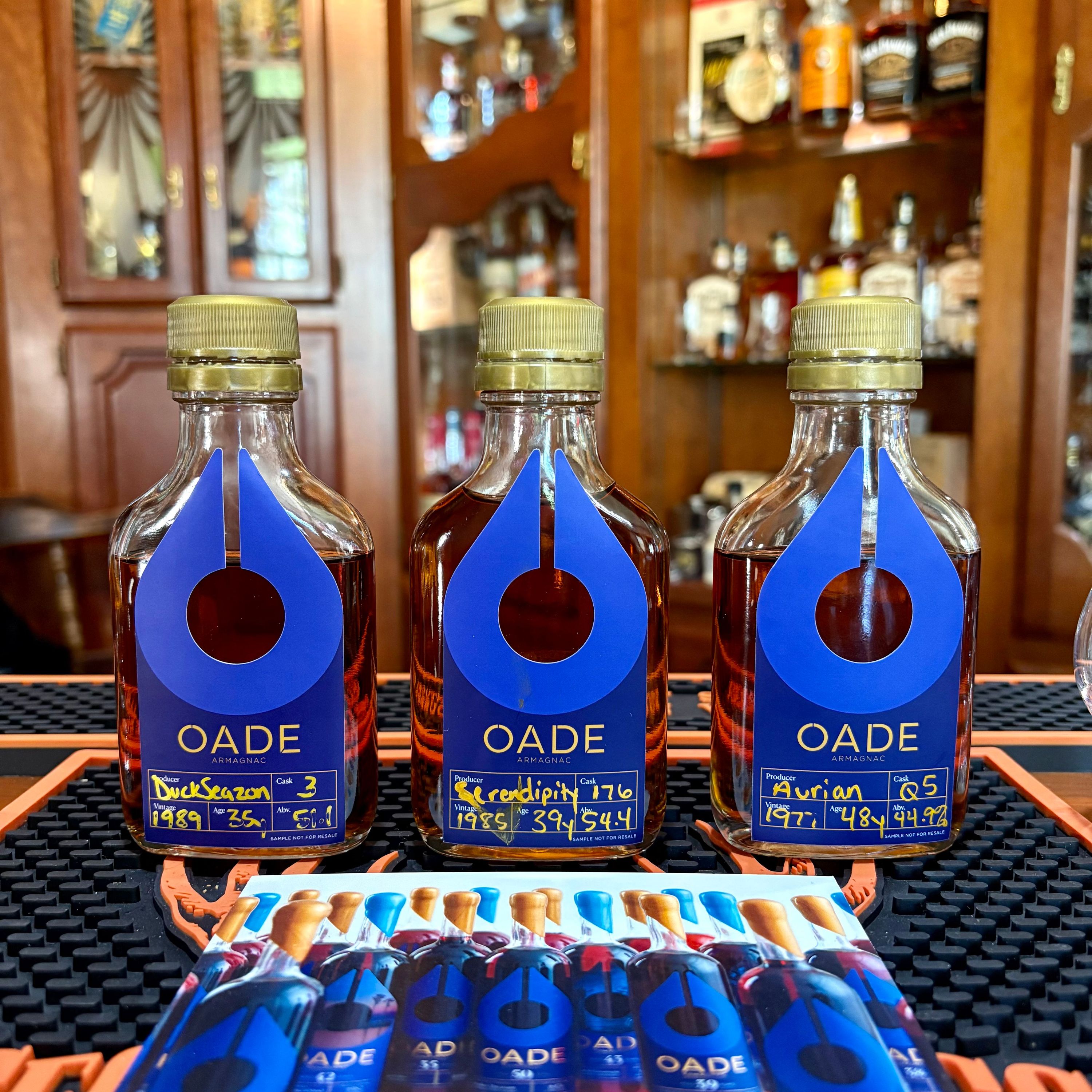
Welcome back to the blog, everyone! In our latest episode of Bourbon, Brass & Beyond, we had the absolute pleasure of diving deep into the world of Armagnac with a true enthusiast, Dan Hakker. For those who tune into the podcast, you know we love exploring the nuances that make spirits truly special, and Armagnac, particularly its vintage expressions, offers a treasure trove of fascination. This blog post expands on our conversation, unpacking why vintage Armagnac is more than just an aged spirit; it's a story, a journey, and a genuine collector's item. If you missed the episode, you can catch up right here: OADE Armagnac with Dan Hakker; Ep. 48. Let's uncork this delightful topic together.
Introduction: What is Vintage Armagnac and Why the Fascination?
So, what exactly makes a bottle of Armagnac "vintage"? Unlike many spirits where age statements are common, a vintage Armagnac signifies that the entire spirit within the bottle comes from a single distillation year. This is a crucial distinction. It's not a blend of different years, meticulously crafted to achieve a specific profile. Instead, it's a snapshot in time, a liquid artifact from a particular harvest and distillation period. The fascination with vintage Armagnac stems from this very essence: it captures a specific moment in history, influenced by the weather patterns of that year, the grapes used, and the artisanal skills of the distiller and cellar master. Each vintage carries its own unique character, its own story, and its own set of complexities that evolve over decades of aging. It’s this singular expression of time and place that elevates vintage Armagnac from a mere alcoholic beverage to a sought-after collectible, a piece of liquid history.
The Art of Distillation: A Tale of Two Spirits (Bourbon vs. Armagnac)
One of the most captivating aspects of our discussion with Dan Hakker revolved around the fundamental differences between Armagnac and Bourbon. While both are beloved brown spirits, their production methods and resulting flavor profiles are remarkably distinct. Bourbon, as many of our listeners know, is an American whiskey primarily made from corn, aged in new charred oak barrels, and its production is governed by strict regulations. The aging process in new oak is a significant contributor to its flavor, imparting notes of vanilla, caramel, and spice. Armagnac, on the other hand, hails from the Gascony region of southwestern France and boasts a much older tradition, predating Bourbon by centuries. It's a brandy, typically made from four main grape varietals: Ugni Blanc, Folle Blanche, Colombard, and Baco. The distillation process is also fundamentally different. While Bourbon is often distilled in column stills to a higher proof, Armagnac is traditionally distilled once in a continuous still, known as an alambic Armagnacais, at a lower proof. This single distillation captures more of the grape's character and produces a spirit that is inherently more robust and complex from the outset. This difference in distillation is a key factor in the flavor profile and aging potential of Armagnac.
From Grape to Glass: The Unique Production of Armagnac
The journey of Armagnac from the vineyard to the bottle is a testament to tradition and terroir. The region of Armagnac, with its diverse soils and microclimates, imparts unique characteristics to the grapes. As mentioned, the primary grape varietals are chosen for their specific qualities, with Ugni Blanc being the most common due to its high acidity and ability to produce light, neutral wines perfect for distillation. Folle Blanche, though more delicate and susceptible to disease, is prized for its floral aromas. The winemaking process itself is straightforward, aiming for a light, acidic wine with low alcohol content, ideal for distillation. The real magic begins with the distillation. Unlike Cognac, which is typically distilled twice, Armagnac undergoes a single distillation in a continuous still. This process, often carried out in the winter months following the harvest, is critical. The still operator, or "bouilleur de cru," meticulously controls the distillation, drawing off the "head" (heads) and "tail" (tails) of the distillate, keeping only the "heart" – the rich, flavorful spirit that will become Armagnac. This artisanal approach ensures that the spirit retains a significant amount of character from the grapes and the fermentation process, laying the foundation for its complex aging profile.
The Secret to Longevity: Aging Armagnac in Demijohns and Barrels
The aging process of Armagnac is where its true character develops and where the concept of vintage truly shines. Once distilled, the spirit is typically placed into oak barrels, primarily from the local Monlezun or Limousin forests. These barrels impart color, tannins, and a spectrum of flavors, including notes of vanilla, spice, and dried fruit, as the spirit interacts with the wood. However, Armagnac has a unique aging tradition that sets it apart: the use of demijohns, or large glass carboys, often referred to as "bonbonnes." After a period in barrel, particularly for older vintages, the spirit may be transferred to these demijohns. This slows down the oxidation process, preserving the fruit-forward character and vibrant aromatics of the Armagnac. This practice allows the spirit to age gracefully for decades, even centuries, without becoming overly woody or muted. It’s this careful management of both barrel and demijohn aging that allows vintage Armagnacs to retain their complexity and vibrancy over exceptionally long periods, creating those truly remarkable, deeply aged expressions that collectors seek. The interplay between the oak barrels and the reductive aging in glass is a masterful dance that contributes to the spirit's incredible longevity and nuanced flavor profile.
What Makes Vintage Armagnac So Rare and Valuable?
The rarity and value of vintage Armagnac are a confluence of several factors. Firstly, the limited production of Armagnac, particularly from smaller, family-owned estates, means that supply is inherently constrained. As Dan Hakker highlighted, "Producers sell in very small quantities," making it challenging to find specific vintages outside of their immediate region. Secondly, the aging process itself is a commitment of decades, meaning that the inventory of older vintages is finite and diminishes with every bottle consumed. Unlike spirits that are rapidly released to market, Armagnac relies on patient aging. Furthermore, the demand from collectors and enthusiasts worldwide for these unique, single-year expressions drives up their value. Each vintage is a limited edition, a one-of-a-kind liquid artifact. Natural losses due to evaporation during aging, known as the "angel's share," further reduce the available quantity over time. The combination of small-batch production, long aging periods, and growing global appreciation creates a perfect storm for rarity and value. Finding a well-preserved vintage Armagnac from a significant year can be akin to unearthing a hidden treasure.
Tasting Notes: Unpacking the 'Fruit-Forward Taste with a Little Bite'
When you encounter a vintage Armagnac, you're in for a sensory journey. The tasting notes often described, like Dan's "fruit-forward taste with a little bite," capture the essence of these complex spirits. Early vintages might lean more towards fresh fruit, floral notes, and a vibrant acidity. As they age, the fruit character evolves into dried fruits like prunes, figs, and apricots. The "bite" refers to the spirit's inherent structure and a certain warmth that can be present, a result of its distillation and aging. Older Armagnacs develop incredible depth, revealing notes of leather, tobacco, exotic spices, dark chocolate, and toasted nuts. The finish is often long and lingering, a testament to the spirit's complexity and the masterful aging process. It's a tasting experience that unfolds with each sip, revealing new layers of flavor and aroma, a reflection of its unique production and long maturation. The balance between the fruit, spice, and oak is what makes truly exceptional vintage Armagnac so captivating to the palate.
The Thrill of the Hunt: Discovering Unique Armagnac Producers
Part of the allure of Armagnac, especially for enthusiasts like Dan Hakker, is the "thrill of the hunt" for unique producers and forgotten vintages. The Armagnac region is dotted with small, family-run estates, many of which have been producing Armagnac for generations. These producers often have a deep connection to their land and their craft, and their bottlings can be incredibly distinctive. Discovering these producers, often through word-of-mouth, specialized importers, or visits to the region, is a rewarding experience. It's about finding those hidden gems, the bottles that tell a specific story of a particular estate and a particular year. The journey to find these unique bottles can take you off the beaten path, connecting you directly with the producers and their passion. It’s this sense of discovery, of uncovering something truly special and relatively unknown, that makes collecting and enjoying vintage Armagnac such a fulfilling pursuit.
Dan Hakker's Journey: From Bourbon Enthusiast to Armagnac Aficionado
Dan Hakker's personal journey, as shared on our podcast, is a fascinating example of how one can transition from being passionate about one spirit to discovering the profound allure of another. Dan, a well-known figure in the bourbon community, found himself drawn to Armagnac through its historical depth and unique production methods. His exploration led him to OADE Armagnac, a venture dedicated to bringing exceptional and often rare Armagnacs to a wider audience. This transition highlights the universal appeal of well-crafted spirits. While bourbon offers its own distinct pleasures, the centuries-old traditions, the artisanal focus, and the incredible aging potential of Armagnac can captivate even the most dedicated bourbon lover. Dan's passion for Armagnac is infectious, and his insights provided a wonderful perspective on why this French brandy deserves its place among the world's most esteemed spirits.
Collecting Vintage Armagnac: A Treasure for Connoisseurs
For the discerning collector, vintage Armagnac represents more than just an investment; it's an opportunity to own a piece of history. The rarity, coupled with the incredible aging potential and unique flavor profiles, makes these bottles highly desirable. A well-chosen collection of vintage Armagnac can span decades, offering a chronological journey through the history of winemaking and distillation in Gascony. The intrinsic value of a rare vintage Armagnac lies in its singularity. Each bottle is a testament to a specific year, a specific terroir, and a specific set of artisanal decisions. As the supply of these older vintages dwindles, their desirability only increases. For connoisseurs, the hunt for these elusive bottles, the research into their provenance, and the eventual enjoyment of a rare and perfectly aged Armagnac are all part of the rich tapestry of collecting. It’s a passion that rewards patience, knowledge, and a deep appreciation for the art of spirit-making.
Conclusion: Why Vintage Armagnac is More Than Just a Drink
As we've explored, vintage Armagnac is far more than just an alcoholic beverage. It's a liquid chronicle, a testament to time, tradition, and terroir. In our latest episode, OADE Armagnac with Dan Hakker; Ep. 48, we only scratched the surface of its complexities, but I hope this blog post has provided a deeper understanding of why these bottles are so rare, so valuable, and so utterly captivating. From the unique distillation process that honors the grape's character to the patient aging in oak and glass that allows for centuries of development, every step in the creation of vintage Armagnac contributes to its extraordinary nature. Whether you're a seasoned collector or simply a curious spirit enthusiast, the world of vintage Armagnac offers an unparalleled journey of discovery and exquisite taste. It’s a reminder that some of the greatest treasures are those that have been allowed to age with grace and patience, revealing their stories one sip at a time. Cheers!
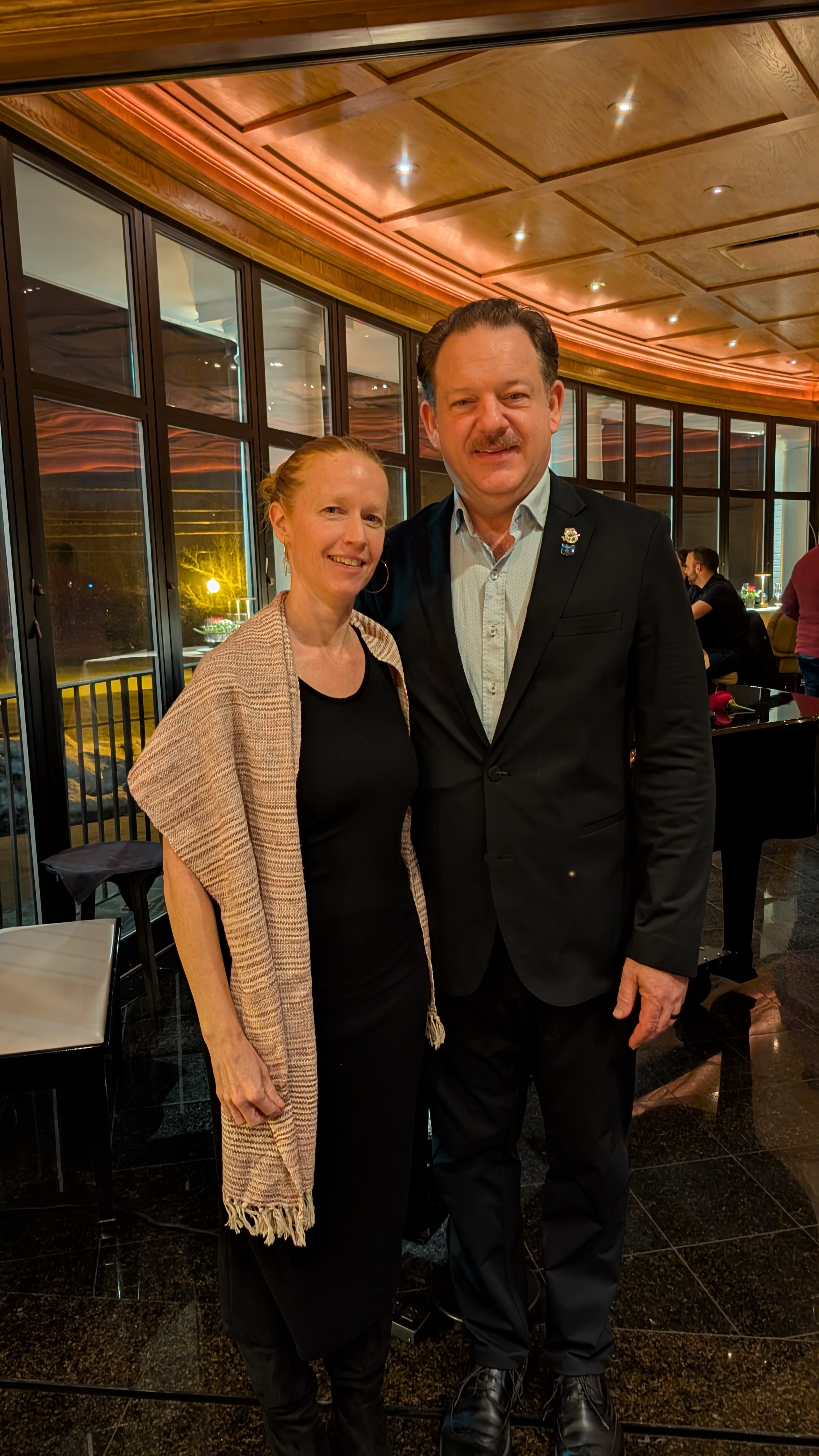
Pilot / Dad / Trumpeter / Contract Negotiator / Martial Artist
In his 26th year as an airline pilot, Dan resides in Youngstown, Ohio with his high school sweetheart Stephanie. Combined they have 5 kids (teenagers...). They enjoy travel as a family, and as a couple. Dan has had a bourbon affinity since smelling his Grandfather's JW Dant and Grapefruit soda as a kid. Dan started collecting bourbon in 2015. He has been actively involved in Martial Arts since he was a kid and has Black Belts in two different styles. Dan still plays trumpet. Originally he went to college for music at Ohio University, but after his sophomore year decided he would much rather spend 3 hours in an airplane instead of a practice room. He still helps teach high school band camps, and has assisted with 5th and 6th grade Trumpet, Low Brass, and Percussion. Dan has been a Pilot Union Representative, Contract Negotiator, Merger Specialist, and Contract Compliance Administrator for over 20 years. Dan received the President's Lifetime Achievement Volunteer Service Award in 2024.
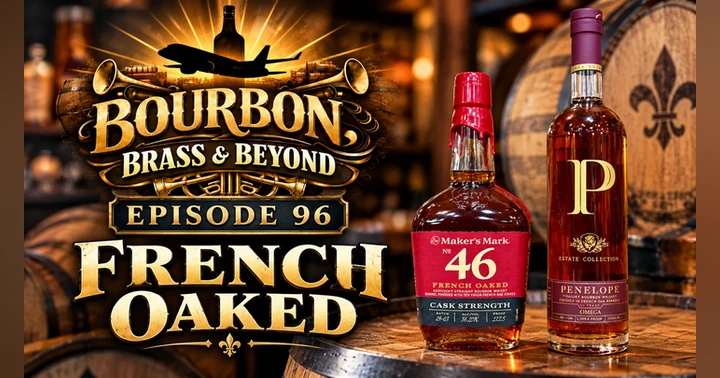
Penelope Omega 11 Year vs. Maker's Mark 46 Cask Strength: The Ultimate Breakdown