Rye vs. Wheated Bourbons: Understanding Your Preference
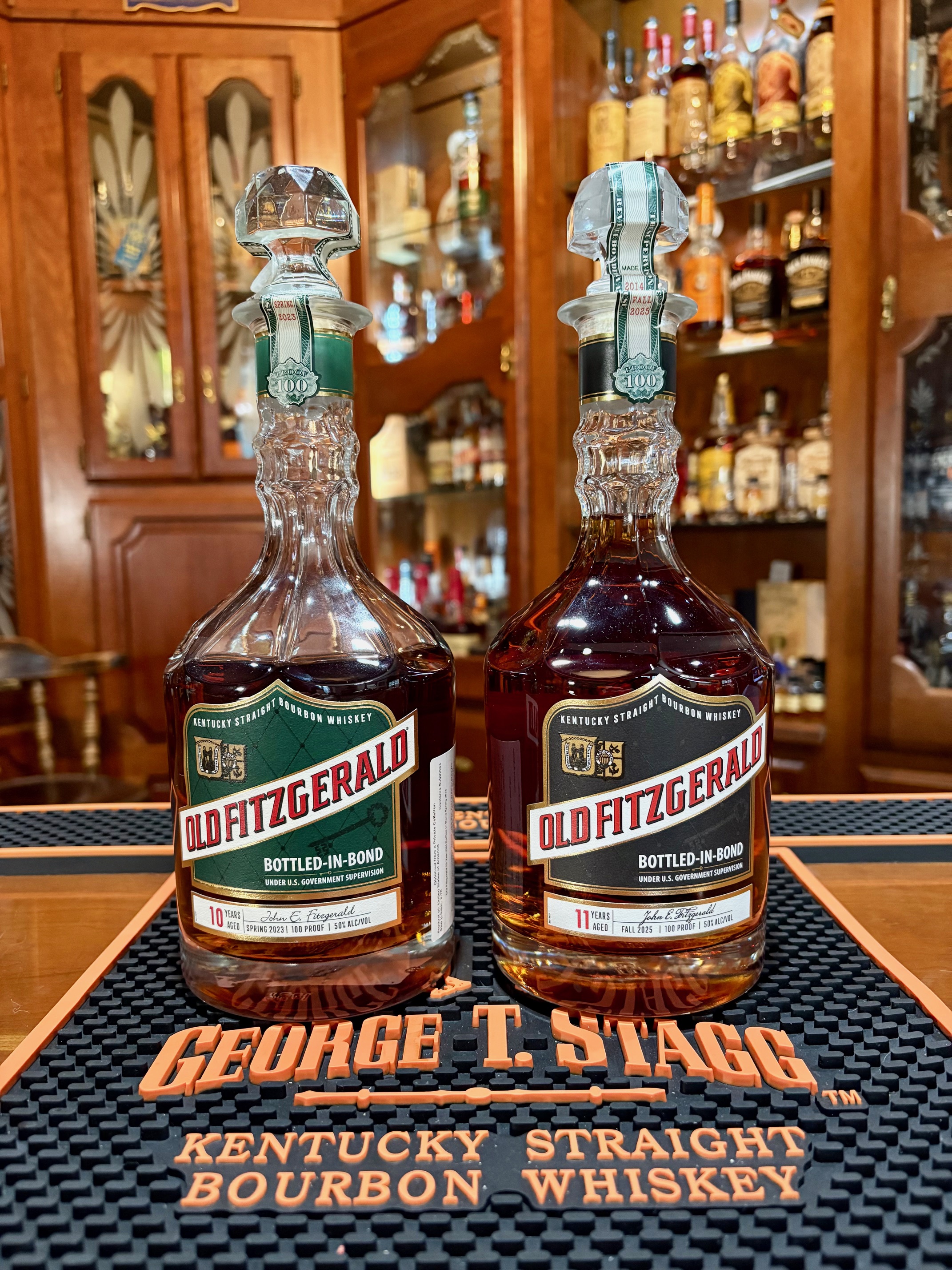
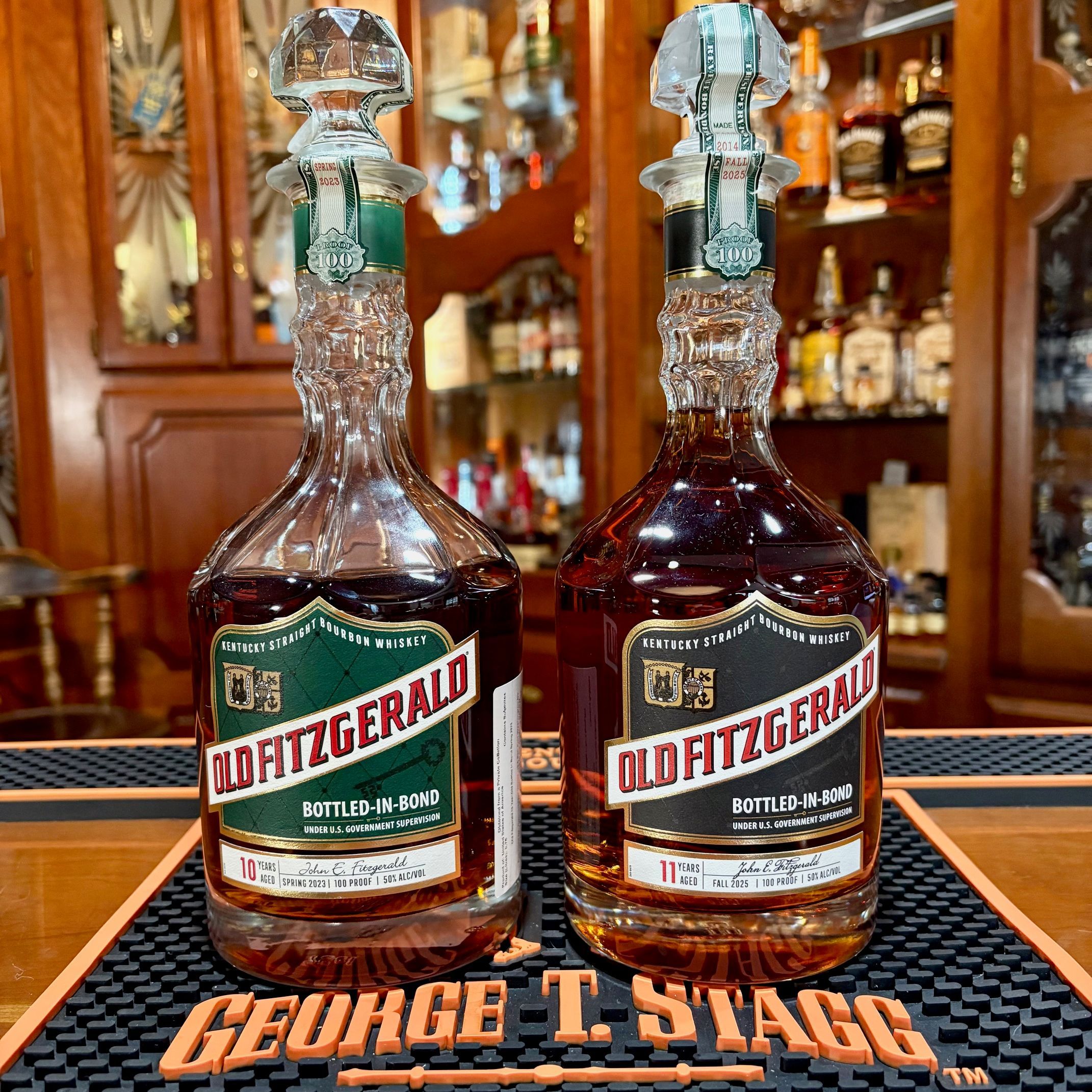
Welcome back to the blog, fellow whiskey enthusiasts! In our latest episode, we dove deep into the fascinating world of bourbon, specifically exploring the subtle yet significant differences between bourbons made with a rye mash bill versus those with a wheat mash bill. This exploration was inspired by our recent tasting of some exquisite Old Fitzgerald decanters, a brand renowned for its wheated bourbon profile. If you haven't had a chance to listen yet, you can catch up on all the delicious details right here: Spring vs Fall Old Fitzgerald; Ep. 47. In this post, we'll expand on the concepts discussed in the episode, breaking down what makes each style unique and helping you, our esteemed listeners and readers, to better understand and articulate your own bourbon preferences.
The Quest for Bourbon Preference
The journey into bourbon appreciation is often one of discovery, a personal quest to identify the flavors, aromas, and mouthfeels that truly resonate with us. We talk a lot on Bourbon, Brass & Beyond about how subjective taste can be, and how important it is to develop your own palate. It’s not about being “right” or “wrong,” but about understanding what brings you the most enjoyment. One of the most fundamental distinctions that influences a bourbon’s character lies in its mash bill – the specific grains used in its creation. While corn is always the primary grain in bourbon (at least 51%), the choice of the secondary and tertiary grains can dramatically alter the final spirit. Today, we’re focusing on the two most common variations: rye and wheat.
Rye vs. Wheat: A Tale of Two Bourbons
At its core, the difference between a rye bourbon and a wheated bourbon boils down to the “flavoring grain” that accompanies the dominant corn. This secondary grain imparts distinct characteristics to the whiskey, shaping its aroma, flavor profile, and even its mouthfeel. Think of it like adding different spices to a base recipe; while the foundation remains the same, the resulting dish can be entirely transformed. Understanding these fundamental differences is the first step in demystifying why you might gravitate towards one style over another.
The Sweetness of Wheat: Exploring Wheated Bourbons
Wheated bourbons, as the name suggests, use wheat as their secondary grain. Wheat, in the world of spirits, is often associated with a softer, rounder, and sweeter profile. When used in bourbon production, it tends to mellow out the often sharp, spicy notes that can come from rye. This results in a bourbon that is typically perceived as more approachable, with a prominent sweetness that can manifest as caramel, vanilla, honey, and even fruit notes like cherry or stone fruit. The texture, or mouthfeel, of wheated bourbons is often described as smooth, velvety, or silky. This is because wheat, when distilled, tends to produce a more delicate spirit compared to rye, which can contribute to a less assertive, more integrated flavor profile. Brands like Maker's Mark are famous for their wheated mash bills, and in our episode, we had the pleasure of experiencing the sophisticated wheated bourbons from Old Fitzgerald. The characteristic sweetness and smooth finish of these bourbons are a testament to the power of wheat as a flavoring grain.
The sweetness in wheated bourbons isn't just a superficial sugary note; it's a complex interplay of sugars derived from the grain itself and the caramelization that occurs during the aging process in charred oak barrels. The milder nature of wheat allows these sweeter notes to come to the forefront, creating a harmonious balance that many bourbon drinkers find incredibly appealing. It’s a profile that often appeals to those who are newer to bourbon or those who prefer a less intense, more forgiving drinking experience. The fruit notes often present in wheated bourbons can range from bright and zesty, like a fresh plum, to deeper, richer notes, akin to dried apricots or figs. This complexity, even within a generally sweet profile, is what makes wheated bourbons so captivating.
The Spice of Rye: Understanding Rye Bourbons
On the other end of the spectrum, we have rye bourbons. When rye is used as the secondary grain, it introduces a distinctly spicier, more peppery, and often more robust character to the bourbon. Rye grain is known for its assertive flavor, bringing notes of black pepper, cinnamon, clove, and even a slight herbal quality. This spice can cut through the sweetness of the corn and oak, creating a more complex and layered drinking experience. Rye bourbons are often described as having a bolder, drier finish, with a lingering warmth that can be very satisfying.
The presence of rye can also influence the mouthfeel, often leading to a more viscous or even slightly drier sensation on the palate compared to wheated bourbons. While they still possess the inherent sweetness of bourbon, the spice of rye tends to be the dominant characteristic that many people seek out. Brands like Bulleit Rye (though a rye whiskey, not technically a bourbon unless it meets bourbon requirements, but a good example of rye's impact) or certain expressions from Michter's showcase the power of rye. When we discussed the nuances of different whiskeys in our episode, the idea of a "spicy upfront" character often points to the influence of a significant rye component. This upfront spice can be incredibly inviting, offering an immediate punch of flavor that wakes up the palate.
The complexity introduced by rye is not just about heat; it’s about an intricate tapestry of savory and spicy notes. Think of the warmth of freshly ground black pepper, the gentle heat of cinnamon sticks, or the aromatic depth of a bay leaf. These are the kinds of subtle nuances that rye can impart. It’s a grain that demands attention, and in the hands of skilled distillers, it can create bourbons that are both challenging and incredibly rewarding. For those who enjoy a bourbon that offers a bit of a kick, a rye-forward expression is often the perfect choice.
Insights from Old Fitzgerald: A Case Study
Our recent tasting of Old Fitzgerald decanters provided a fantastic real-world example of how these mash bills perform. Old Fitzgerald is famously a wheated bourbon, and in our episode, we compared different releases, noting how age and season might influence the flavor. Even within the wheated category, we found variations. The sweetness was undeniably present, but the complexity came from how that sweetness interacted with the oak and the age of the bourbon. We discussed how the spring and fall releases might have subtle differences, perhaps related to the temperature fluctuations during their aging. This highlights that even within a specific mash bill profile, there's a rich spectrum of expression.
During our tasting, we noted specific tasting notes that exemplify the wheated bourbon character. Phrases like "sweet upfront," "velvety smooth," and "notes of cherry and caramel" were common. These are hallmarks of a well-executed wheated bourbon. The comparison between the spring and fall releases also offered a fascinating glimpse into how environmental factors can play a role. While both were wheated bourbons, subtle differences in fruit notes or the intensity of sweetness could be attributed to the aging process. It's this kind of detailed observation that helps build a deeper appreciation for the craft of bourbon making. The Old Fitzgerald decanters, with their elegant presentation and rich history, served as perfect ambassadors for the wheated bourbon style, allowing us to dissect its character with precision.
How Does Season and Aging Play a Role?
As alluded to in our episode and in our discussion of Old Fitzgerald, the aging process is a crucial variable. The charred oak barrels are where much of the magic happens. During the warmer months, the bourbon expands into the wood of the barrel, extracting more flavor, color, and tannins. In the cooler months, it contracts, pushing some of those extracted compounds back into the spirit. This constant cycle of expansion and contraction, influenced by the seasons, contributes to the complexity and maturity of the whiskey. Think of it like a slow infusion. The longer a bourbon ages, and the more cycles it goes through, the more developed its flavors become.
For wheated bourbons, extended aging can further soften and integrate the spirit, bringing out notes of dried fruit, dark chocolate, and a more profound oak presence without overwhelming the inherent sweetness. For rye bourbons, aging can tame some of the raw spice, allowing more nuanced notes of tobacco, leather, and dark fruit to emerge, while still retaining that signature rye kick. The mention of "bottle aging" in our episode show notes is also relevant here. While the primary aging happens in the barrel, some believe that a short period of aging in the bottle after it's been opened can allow the flavors to further meld and harmonize. This is a subtle point, but one that speaks to the ongoing evolution of bourbon even after it leaves the distillery.
The impact of season on aging is particularly interesting when you consider that barrels are exposed to the elements. Temperature fluctuations are significant. Imagine a barrel sitting in a hot rickhouse during a Texas summer versus one in a cooler Kentucky warehouse in the winter. These differences will inevitably influence how the whiskey interacts with the wood. For bourbons aged in more extreme climates, the aging process can be accelerated, leading to more intense flavors in a shorter period. Conversely, slower aging in cooler climates can result in a more gradual development of flavor, potentially leading to a more refined and nuanced spirit. This is why a well-aged wheated bourbon can offer such a luxurious, integrated experience, where the sweetness, fruit, and oak notes are in perfect harmony.
Identifying Your Personal Bourbon Preference
So, how do you figure out if you lean towards the sweet embrace of wheat or the bold spice of rye? The best way is through tasting! We encourage you to seek out bourbons that explicitly state their mash bill or are known for being either wheated or rye-forward. Try a Maker's Mark (wheated) side-by-side with a Rittenhouse Rye (a popular rye whiskey, though again, not technically bourbon unless it meets specific criteria, but illustrates the rye profile). Pay attention to the initial aroma: do you get more vanilla and caramel, or more pepper and clove? On the palate, is it smooth and sweet, or does it have a noticeable spicy bite?
Don't be afraid to experiment. Visit your local whiskey bar and order a flight of bourbons, perhaps including a few wheated and a few rye-dominant options. Take notes, just like we do on the podcast. What do you like? What don't you like? Are there specific flavor notes that consistently appeal to you? Is it the lingering warmth, the initial sweetness, the fruity undertones, or the peppery finish? The key is to engage with the whiskey actively, not just passively consume it. Consider the mouthfeel as well. Do you prefer a bourbon that feels thick and syrupy, or one that is lighter and more crisp? These are all clues to your personal preference.
And remember, your preference isn't static. As you taste more bourbons and as your palate develops, your preferences might evolve. What you enjoy today might be different from what you love in a year. The journey of discovering your bourbon preference is an ongoing adventure, filled with delightful discoveries and plenty of delicious sips. It’s about building a vocabulary for what you experience, so when you read a tasting note or hear a description, you have a framework to understand it. Ultimately, the goal is to find the bourbons that bring you the most joy and satisfaction, whether they come from the gentle influence of wheat or the spirited character of rye.
Conclusion: Embracing Your Bourbon Journey
Understanding the foundational differences between rye and wheated bourbons is a significant step in navigating the vast and wonderful world of bourbon. As we explored in this post and in our episode focusing on the nuanced Old Fitzgerald decanters (Spring vs Fall Old Fitzgerald; Ep. 47), the choice of flavoring grain profoundly impacts the spirit’s character, offering distinct profiles of sweetness and spice. Whether you find yourself drawn to the smooth, approachable sweetness of wheated bourbons or the bold, spicy complexity of rye, there’s a bourbon out there for you. The beauty of bourbon lies in its diversity and the endless possibilities that arise from careful distillation and thoughtful aging. So, keep tasting, keep exploring, and most importantly, keep enjoying the incredible journey of bourbon discovery. Until next time, happy sipping!

Pilot / Dad / Trumpeter / Contract Negotiator / Martial Artist
In his 26th year as an airline pilot, Dan resides in Youngstown, Ohio with his high school sweetheart Stephanie. Combined they have 5 kids (teenagers...). They enjoy travel as a family, and as a couple. Dan has had a bourbon affinity since smelling his Grandfather's JW Dant and Grapefruit soda as a kid. Dan started collecting bourbon in 2015. He has been actively involved in Martial Arts since he was a kid and has Black Belts in two different styles. Dan still plays trumpet. Originally he went to college for music at Ohio University, but after his sophomore year decided he would much rather spend 3 hours in an airplane instead of a practice room. He still helps teach high school band camps, and has assisted with 5th and 6th grade Trumpet, Low Brass, and Percussion. Dan has been a Pilot Union Representative, Contract Negotiator, Merger Specialist, and Contract Compliance Administrator for over 20 years. Dan received the President's Lifetime Achievement Volunteer Service Award in 2024.
Penelope Omega 11 Year vs. Maker's Mark 46 Cask Strength: The Ultimate Breakdown