Navigating the Whiskey Market: Pricing and Perceptions of Limited Edition Bourbons
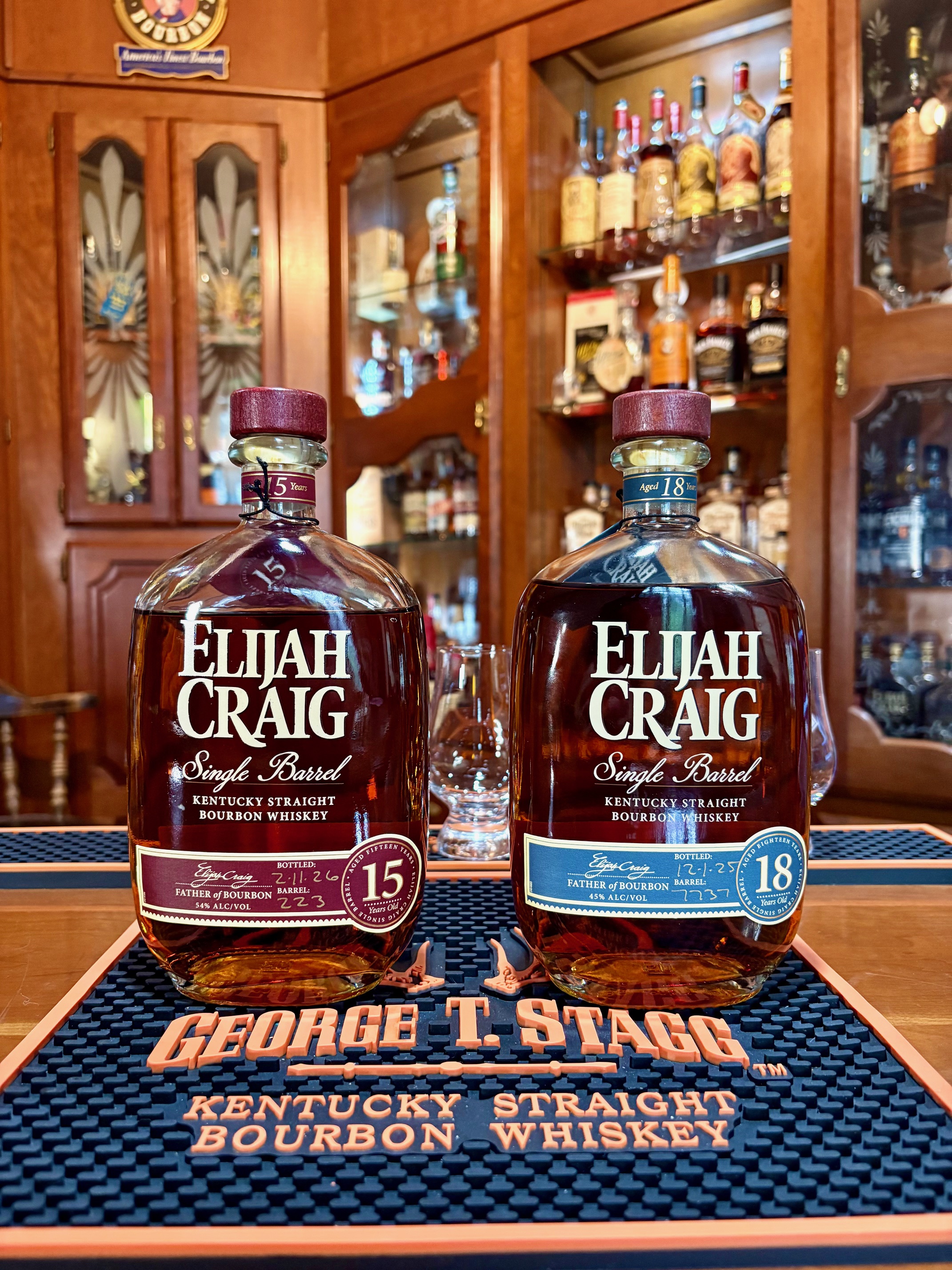
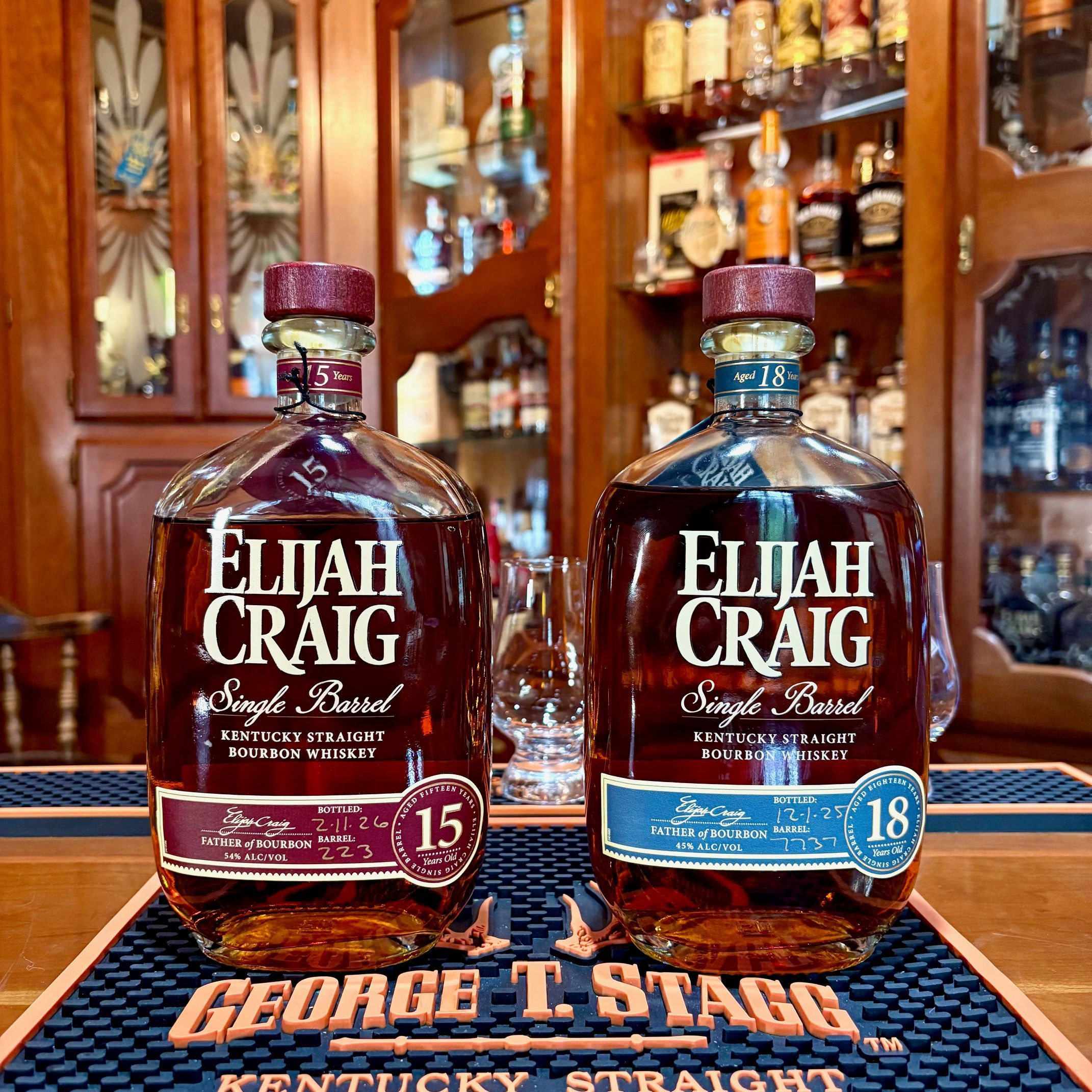
Welcome back to the blog, fellow whiskey enthusiasts! In our latest episode, Elijah Craig 15 vs 18 Year Single Barrels; Ep. 46, we dove deep into the fascinating world of limited edition bourbons, using the highly anticipated Elijah Craig single barrel releases as our benchmark. We dissected their nuances, explored what makes older bourbons so special, and tackled the ever-present question: are these sought-after bottles truly worth the often-exorbitant price tags? This blog post is an extension of that conversation, offering a more in-depth look at the market dynamics, pricing strategies, and the perceptions that shape the value of these coveted drams. So grab a glass, settle in, and let’s continue our journey through the ever-evolving bourbon landscape.
The Allure of Limited Edition Bourbon
There's a certain mystique that surrounds limited edition bourbon. It’s a combination of exclusivity, rarity, and the promise of an exceptional drinking experience. These aren't your everyday shelf-stable staples; these are bottles that whisper tales of meticulous craftsmanship, patient aging, and a touch of serendipity. The allure isn't just about the liquid inside; it’s about the story, the chase, and the feeling of owning something truly special. For many, acquiring a limited edition bourbon is an event in itself, a testament to their dedication to the hobby and their willingness to seek out the extraordinary. This inherent desirability is the bedrock upon which the entire limited edition market is built, creating a potent cocktail of demand that often outstrips supply. When a distillery announces a new limited release, especially one from a well-respected brand like Elijah Craig, the excitement is palpable. Collectors, enthusiasts, and even casual drinkers begin to strategize, scouring store shelves, joining online forums, and hoping for a stroke of luck. This collective anticipation amplifies the perceived value, setting the stage for the pricing discussions that inevitably follow.
Elijah Craig's Latest: A Tale of Two Ages (15 vs. 18)
In our recent episode, we specifically focused on two exceptional offerings from Elijah Craig: the 15-year-old and the 18-year-old single barrel bourbons. These are not simply variations on a theme; they represent distinct stages of the aging journey, each with its own character and complexity. The 15-year-old, while still an impressive age statement for a single barrel, offers a vibrant expression of Elijah Craig's signature style. It’s a bourbon that has benefited from significant maturation, allowing the wood and the spirit to interact and develop. Then we have the 18-year-old. This is where the true artistry of time comes into play. The extra three years in the barrel can lead to profound transformations, softening the harsher edges, deepening the oak influence, and concentrating the flavors. Comparing these two bottles side-by-side, as we did in the episode, is an invaluable exercise for any bourbon drinker. It allows us to directly observe the impact of extended aging and appreciate the subtle, yet significant, differences that develop. It’s a masterclass in how time, patience, and the specific barrel chosen can create a spectrum of flavor experiences, even within the same distillery’s lineup. The 15-year offers a robust profile, perhaps with more pronounced fruit and spice notes, while the 18-year often presents a more velvety texture, with richer caramel, dark chocolate, and toasted nut characteristics. This direct comparison underscores the core principle that older doesn't always just mean older; it means different, and often, profoundly more intricate.
Deep Dive: Tasting Notes and Flavor Profiles
Let’s get back to the sensory experience. In the episode, we shared our tasting notes, but let's elaborate here. For the Elijah Craig 15-year single barrel, one might expect a bold entry with notes of baked apple, cinnamon, and a pleasant oak spice. The palate could reveal layers of dark cherry, toffee, and perhaps a hint of leather, leading to a finish that is long and satisfying, with lingering notes of sweet tobacco and a gentle warmth. The 18-year-old, on the other hand, often presents a more refined and luxurious profile. The nose might be intoxicating, filled with aromas of dark chocolate, pipe tobacco, and a subtle sweetness akin to dried figs or prunes. The initial sip could be incredibly smooth, almost viscous, coating the palate with flavors of burnt caramel, roasted almonds, and a sophisticated oak presence that isn't overbearing but rather a foundational element. The finish is typically exceptionally long and complex, with notes of espresso, bittersweet chocolate, and a whisper of dark fruit. The key takeaway is the evolution of the oak. In the 15-year, the oak is present and assertive, contributing structure and spice. In the 18-year, it has integrated more fully, becoming a partner in the flavor profile, offering depth and a wonderfully nuanced complexity. The sweetness tends to shift from bright, fresh fruit notes in younger expressions to deeper, more dried fruit and confectionary notes in older ones. The interplay of these elements is what makes each sip a unique exploration.
The Aging Process: What Makes Older Bourbon Worth More?
The extended aging process is undeniably a primary driver of higher prices for bourbons like the Elijah Craig 18-year-old. Bourbon matures in new charred oak barrels, and during this time, a remarkable transformation occurs. The spirit interacts with the wood, extracting flavor compounds, color, and a significant portion of its character. As bourbon ages, several key changes take place: Firstly, the harshness of the new make spirit mellows. The wood acts as a filter, softening the bite and integrating the flavors. Secondly, new flavor compounds are created. The oak contributes notes of vanilla, caramel, chocolate, and spice. Thirdly, the proof of the bourbon can increase or decrease depending on the climate of the rickhouse. In warmer conditions, water evaporates faster, concentrating the alcohol, while in cooler conditions, alcohol can evaporate more quickly, lowering the proof. This interplay of evaporation and extraction is a delicate dance. Crucially, older bourbons require more time spent in the barrel, meaning less of that aged liquid is available for bottling. Barrels are lost to evaporation (the angel's share), and only a fraction of the original liquid remains. This inherent scarcity, coupled with the increased complexity and smoothness that extended aging imparts, justifies a higher price point. The 18-year-old Elijah Craig has spent an additional three years undergoing this transformative process, resulting in a more refined, complex, and undeniably smoother whiskey, which commands a premium because of the significant resources and patience invested. It’s not just about waiting; it’s about the dynamic interplay between spirit, wood, and time, creating something truly exceptional.
Market Dynamics: Why Do Limited Editions Command Such High Prices?
The pricing of limited edition bourbons is a fascinatingly complex interplay of supply and demand, brand reputation, and collector psychology. We've already touched upon the impact of extended aging and scarcity. However, several other factors contribute to the high prices: 1. Brand Prestige: Elijah Craig, as a well-established and respected brand from Heaven Hill Distillery, carries significant weight. Their single barrel expressions, particularly those with higher age statements, are already highly regarded. When they release limited editions, the existing positive perception elevates them further. 2. Collectibility: The bourbon market has a strong collector base. Limited editions, especially single barrels that can vary significantly from barrel to barrel, are highly sought after. The thrill of the chase and the desire to own rare bottles drive up demand and, consequently, prices. 3. Marketing and Hype: Distilleries are often adept at building anticipation for their limited releases through targeted marketing campaigns, social media buzz, and exclusive events. This generated hype creates a sense of urgency and desirability. 4. Secondary Market Influence: The secondary market plays a significant role. Bottles that are difficult to find at retail often command exorbitant prices from resellers. While not an official part of the pricing, this activity influences the perceived value and can set a de facto benchmark for what consumers are willing to pay. 5. Allocation and Distribution: Limited editions are often allocated to specific markets or retailers, further restricting availability and driving up prices in areas where they are more scarce. This scarcity fuels the perception of exclusivity. Essentially, the high price of a limited edition bourbon like Elijah Craig 18-year-old is a confluence of intrinsic quality, scarcity due to aging, and extrinsic factors like brand loyalty, collector demand, and effective marketing. It’s a carefully orchestrated ecosystem designed to create desirability and justify premium pricing. The desire for these bottles often transcends the simple enjoyment of drinking whiskey, entering the realm of collecting and investing for some.
Perception vs. Reality: Are Limited Editions Always Worth the Hype?
This is the million-dollar question, isn't it? Are we, as consumers, paying for the liquid in the bottle, or are we paying for the story, the scarcity, and the status that comes with owning a limited edition? The reality is, it's often a blend of all. In our episode, we found that the Elijah Craig 15 and 18-year-old single barrels offered distinct and enjoyable experiences. The 18-year-old, with its incredible smoothness and depth, certainly felt like a step up from many more common bourbons. However, the price difference can be substantial. For a casual drinker, the incremental improvement in taste and complexity might not always justify the exponential increase in cost. For a seasoned collector or someone celebrating a special occasion, the experience of enjoying a rare and well-aged bourbon like the Elijah Craig 18 can be immeasurable. It’s important to approach limited editions with realistic expectations. While they are often exceptional, they are not always a revelation that warrants a several-hundred-dollar price tag. Sometimes, a well-chosen standard Elijah Craig offering or another excellent bourbon at a more accessible price point can provide a more satisfying drinking experience for a fraction of the cost. The hype surrounding these releases can sometimes overshadow the actual quality of the spirit. It's crucial to do your research, read reviews, and, if possible, taste before you buy. Ultimately, the "worth" of a limited edition bourbon is subjective and depends on individual preferences, budget, and the value placed on rarity and exclusivity.
Industry Trends: How Might the Bourbon Market Evolve?
The bourbon market is in a constant state of flux, and several trends are shaping its future, impacting the availability and cost of limited editions: 1. Continued Demand Growth: The global appetite for bourbon shows no signs of slowing down. This sustained demand will continue to put pressure on supply, particularly for aged products. 2. Distillery Expansion: Major distilleries are investing heavily in expanding their production capacity. While this is good news for long-term availability, it takes years for new bourbon to mature. The impact of these expansions on aged inventory will be felt years down the line. 3. Focus on Single Barrels and Small Batches: There's a growing consumer preference for more unique and artisanal offerings. This means we'll likely see continued emphasis on single barrel programs and small-batch releases, which inherently have limited availability. 4. Innovation in Aging and Maturation: Distilleries are exploring new aging techniques, including different barrel finishes, alternative wood types, and controlled maturation environments. This could lead to new and exciting limited release profiles. 5. Sustainability and Traceability: Consumers are increasingly interested in the ethical and sustainable practices of distilleries. Brands that can demonstrate transparency and commitment to sustainability might gain a competitive edge. 6. Technological Integration: We may see increased use of technology in areas like barrel tracking, inventory management, and even consumer engagement through virtual tastings or NFTs tied to rare bottles. The trend towards higher age statements and more exclusive releases is likely to continue, driven by consumer desire and the profitability of these premium products. However, the industry is also grappling with the challenge of balancing this demand with responsible production and ensuring that bourbon remains accessible to a broad range of consumers. The future will likely see a more diverse market, with a continued premium placed on age and rarity, but also a robust offering of high-quality, accessible bourbons.
Conclusion: Navigating the Bourbon Landscape with Confidence
As we wrap up this exploration, it's clear that the world of limited edition bourbons, exemplified by our deep dive into Elijah Craig's 15 and 18-year-old single barrels in Episode 46, is a complex and captivating arena. Understanding the factors that drive pricing – from the patient art of the aging process to the powerful forces of market demand and brand perception – empowers us as consumers. While the allure of the rare and the exceptional is undeniable, it's crucial to approach these coveted bottles with a discerning palate and a realistic understanding of their value proposition. The bourbon market is dynamic, constantly evolving with new trends and innovations. By staying informed, engaging in thoughtful discussions, and, most importantly, enjoying the journey of discovery, we can navigate this landscape with confidence, finding the drams that truly resonate with our taste buds and our budgets. Cheers to making informed decisions and savoring every drop!

Pilot / Dad / Trumpeter / Contract Negotiator / Martial Artist
In his 26th year as an airline pilot, Dan resides in Youngstown, Ohio with his high school sweetheart Stephanie. Combined they have 5 kids (teenagers...). They enjoy travel as a family, and as a couple. Dan has had a bourbon affinity since smelling his Grandfather's JW Dant and Grapefruit soda as a kid. Dan started collecting bourbon in 2015. He has been actively involved in Martial Arts since he was a kid and has Black Belts in two different styles. Dan still plays trumpet. Originally he went to college for music at Ohio University, but after his sophomore year decided he would much rather spend 3 hours in an airplane instead of a practice room. He still helps teach high school band camps, and has assisted with 5th and 6th grade Trumpet, Low Brass, and Percussion. Dan has been a Pilot Union Representative, Contract Negotiator, Merger Specialist, and Contract Compliance Administrator for over 20 years. Dan received the President's Lifetime Achievement Volunteer Service Award in 2024.
Penelope Omega 11 Year vs. Maker's Mark 46 Cask Strength: The Ultimate Breakdown