Elijah Craig 15 vs. 18: A Deep Dive into the Nuances
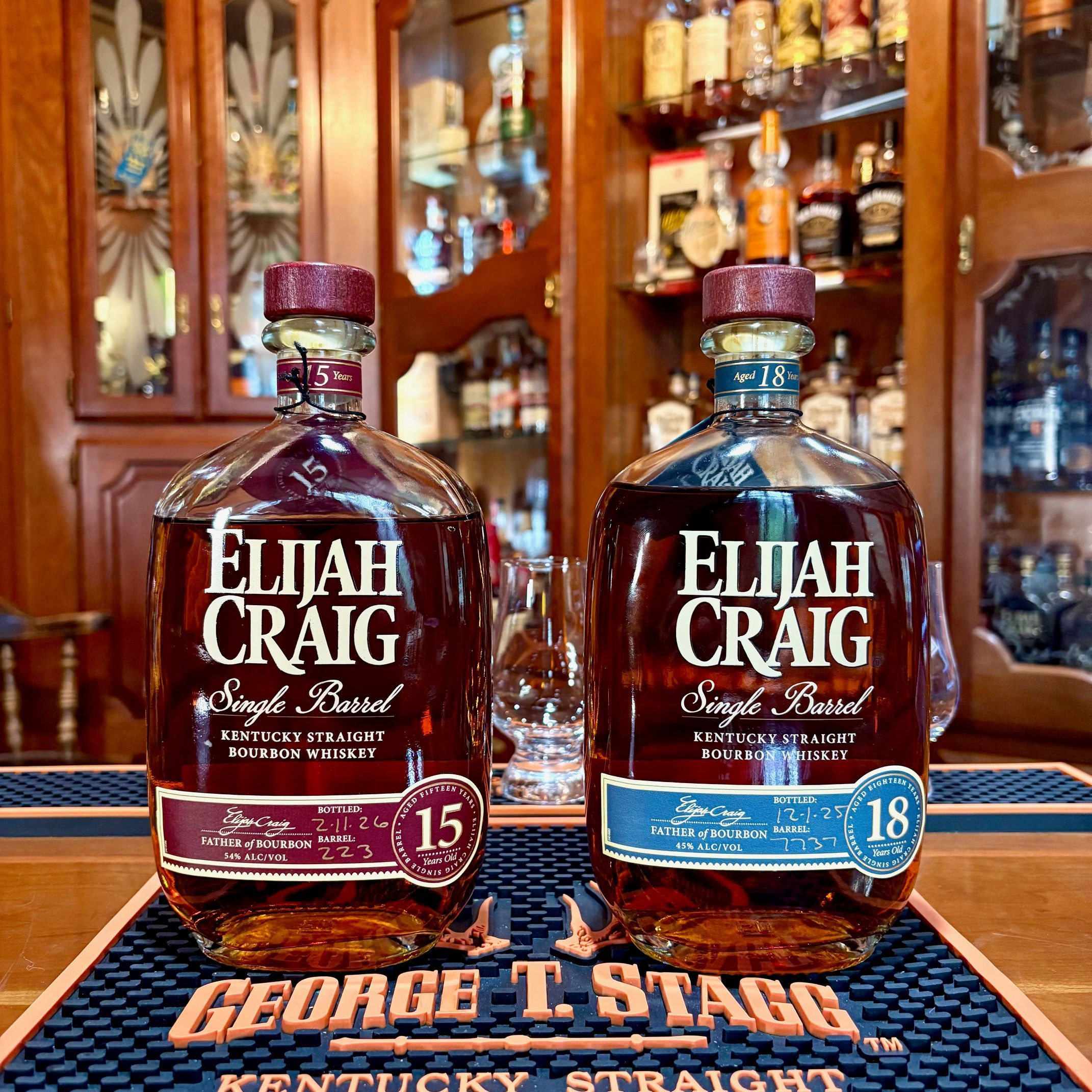
Welcome back to the blog, bourbon enthusiasts! In our latest episode, Elijah Craig 15 vs 18 Year Single Barrels; Ep. 46, we embarked on a journey to unravel the subtle yet significant differences between two exceptional expressions from Elijah Craig: the 15-year and the 18-year single barrel bourbons. This post aims to expand on those discussions, taking a closer look at the aging process, flavor profiles, market dynamics, and what truly sets these aged bourbons apart. We'll go beyond the surface-level tasting notes to explore the alchemy that occurs within the barrel over time, and how those extra years contribute to the final character of the whiskey. So, grab your favorite dram and let's dive in.
The Core: What Makes Elijah Craig Bourbons Similar?
Before we dissect the differences, it's crucial to acknowledge the foundational similarities that bind these two Elijah Craig expressions. Both the 15-year and 18-year bourbons hail from the esteemed Heaven Hill Distillery, a titan in the American whiskey world. This shared heritage means they likely share the same mash bill and distillation processes. Elijah Craig, in general, is known for its balanced flavor profile, typically showcasing a robust rye presence which contributes to its spiciness, and a solid corn component that provides sweetness and body. This inherent DNA is present in both the 15 and 18-year-old versions. We often find notes of caramel, vanilla, oak, and dried fruit in Elijah Craig products, and these are certainly present in both bottlings. As Nick and I discussed in the episode, at their core, they are remarkably similar, representing the classic Elijah Craig character that so many of us have come to appreciate. This similarity is a testament to the distillery's consistency and commitment to quality. The careful selection of barrels, even for extended aging, ensures that the core spirit remains recognizable, a hallmark of a well-crafted bourbon.
The Divergence: Unpacking the Elijah Craig 15-Year Tasting Profile
The Elijah Craig 15-year, while still a young bourbon by some standards, benefits from a significant amount of maturation. This extended aging allows for the development of deeper, more complex flavors. Typically, the 15-year expression presents a beautiful balance of sweetness and spice. On the nose, one might detect notes of rich caramel, toasted oak, and perhaps a hint of dark chocolate. As it hits the palate, the sweetness of vanilla and brown sugar often comes forward, intertwined with the warming spice of rye. You'll likely find notes of dried cherries, figs, or even a touch of prune, showcasing the influence of the oak and the concentrated fruit notes from the long aging. The mouthfeel is usually full and round, with a pleasant viscosity. The finish tends to be moderately long, leaving behind notes of oak, a lingering sweetness, and a gentle warmth that invites another sip. In our episode, we described it as a "great sipper, very enjoyable," highlighting its approachable yet sophisticated character. It’s a bourbon that offers a lot to explore without being overly demanding, making it a fantastic choice for both seasoned enthusiasts and those looking to venture into more aged expressions.
Subtle Notes and Aromas of the 15-Year
Digging deeper into the 15-year, the oak influence is present but not overpowering. It contributes a pleasant toasted character, rather than a sharp, astringent dryness. The fruit notes are often more pronounced than in younger bourbons, having had ample time to concentrate and meld with the caramel and vanilla from the barrel. The rye spice, a signature of Elijah Craig, is integrated smoothly, providing a subtle kick that balances the sweetness. There's often a leathery or tobacco-like undertone that adds to the complexity. The finish, while not exceptionally long, is satisfying and leaves a warm, lingering impression of oak, fruit, and a hint of spice.
The Pinnacle: Exploring the Elijah Craig 18-Year Experience
Stepping up to the Elijah Craig 18-year is where things get truly interesting. This expression represents a significant leap in aging, and the differences become more pronounced and nuanced. The extra three years in the barrel work wonders, further mellowing the spirit and allowing the oak to impart even more depth and complexity. The nose on the 18-year is often richer and more profound. Expect intense notes of dark chocolate, espresso, baked apples, and a more pronounced oak character, perhaps reminiscent of cedar or even pipe tobacco. The sweetness is still there, but it's often more sophisticated, with notes of toffee, molasses, and dried fruit taking center stage. The rye spice is more integrated, presenting as a warm, peppery undertone rather than a direct spice. The mouthfeel is typically even more luxurious and velvety than the 15-year, coating the palate with rich, layered flavors. The finish is where the 18-year truly shines. It's long, lingering, and incredibly complex, evolving on the palate with notes of oak, dark fruit, leather, and a touch of sweet spice. In the episode, we noted that this one could be dangerous, a testament to its incredibly smooth and dangerously drinkable nature. It's a bourbon that demands your attention and rewards it with an intricate tapestry of flavors.
The Impact of Extra Aging on the 18-Year
The three additional years in the barrel allow for a more profound interaction between the whiskey and the wood. The tannins in the oak, which contribute dryness and astringency in younger spirits, have had more time to mellow and integrate, softening the bourbon and adding layers of flavor. The angel's share, the portion of whiskey that evaporates from the barrel, is also greater with extended aging, leading to a more concentrated flavor profile. This concentration can manifest as deeper fruit notes, more intense caramelization, and a richer, more complex oak character. The spirit becomes less about raw power and more about refined elegance. The 18-year is a masterclass in how time can transform a good bourbon into an exceptional one.
Aging Alchemy: How Extra Years Shape the Bourbon
The magic of bourbon aging lies in its dynamic interaction with the charred oak barrel. The wood acts as a filter and a flavor enhancer. During the warmer months, the bourbon expands and is pushed deeper into the wood, absorbing flavors and compounds. In cooler months, it contracts, pushing the infused spirit back out. This constant cycle of expansion and contraction, over many years, is what transforms raw distillate into a complex spirit. For Elijah Craig, moving from 15 to 18 years allows these processes to continue their work. The alcohol proof often mellows naturally as water is absorbed and lost through evaporation. More significantly, the wood's tannins, vanillins, and lignin contribute a vast array of flavor compounds. In the case of the 18-year, the oak has had more time to break down and impart richer, deeper flavors such as leather, tobacco, and more complex spice notes. The fruit notes become more concentrated and dried, resembling figs, dates, and raisins. The caramel and vanilla notes evolve into toffee, dark chocolate, and even coffee-like characteristics. It’s a testament to the incredible alchemy that occurs within the barrel, a slow and patient transformation guided by time and temperature.
The Role of the Barrel Environment
The specific rickhouse location where the barrels are aged also plays a significant role. Barrels on higher floors tend to age faster due to higher temperatures, leading to quicker extraction of oak compounds and more evaporation. Conversely, lower floors offer cooler, more stable temperatures, resulting in slower aging and a more mellow, less oak-forward spirit. While we don't have specific details on where these particular barrels were aged, it's a factor that Heaven Hill, like all reputable distilleries, meticulously manages to ensure consistency and quality across their aged products. The selection of barrels for both the 15 and 18-year expressions is a critical step, ensuring that only the finest are chosen to represent these higher age statements.
Market Dynamics: Pricing and Availability of Aged Bourbons
The conversation around aged bourbons like Elijah Craig 15 and 18 invariably leads to discussions about price and availability. These are not your everyday, readily available bottles. The extended aging process, coupled with the inherent demand for older, higher-quality spirits, significantly impacts their cost. The 18-year, in particular, commands a premium price due to its age, rarity, and the increased production costs associated with holding inventory for such extended periods. In our episode, we touched upon how these factors contribute to their scarcity on the shelves. The market for premium bourbons is highly competitive, and allocations are often limited, making them desirable collector's items as well as highly sought-after drinking whiskeys. This scarcity can sometimes lead to secondary market markups, which is a growing concern in the whiskey world. Understanding these market dynamics is crucial for any bourbon enthusiast looking to acquire these special bottlings.
Navigating the Secondary Market
While the allure of finding a rare bottle is strong, it's important to approach the secondary market with caution. Prices can fluctuate wildly, and authenticity can sometimes be a concern. For bourbons like Elijah Craig 15 and 18, it's often best to seek them out through reputable retailers or through well-managed distillery allocation systems. Building relationships with your local liquor store can also increase your chances of getting access to these harder-to-find bottles. The experience of finding a bottle at retail price is always more rewarding than paying inflated prices on the secondary market. As the demand for aged bourbons continues to grow, distilleries are working to increase production and improve allocation strategies, but it remains a challenge to meet the ever-increasing appetite of bourbon lovers worldwide.
Whiskey Industry Insights: Trends and Observations from the Episode
Beyond the specific tasting notes of the Elijah Craig 15 and 18, our discussion in episode 46 also provided a broader perspective on the current state of the whiskey industry. We observed a clear trend towards an increasing demand for aged and limited-edition bourbons. Distilleries are investing heavily in barrel aging programs, and consumers are showing a growing appreciation for the nuances that extended maturation brings. There's also a fascinating interplay between tradition and innovation, with distilleries honoring classic mash bills and aging techniques while also exploring new frontiers in barrel finishes and experimental aging. The consumer education level is also rising, with enthusiasts becoming more discerning and eager to learn about the intricacies of bourbon production. This is a positive trend, driving higher quality standards across the board. The conversation also touched on the importance of sustainability and responsible sourcing within the industry, aspects that are becoming increasingly important to consumers.
The Future of Aged Bourbon
Looking ahead, it's clear that aged bourbons will continue to be a significant segment of the market. As distilleries release more of their older stocks, we can anticipate a wider variety of age-stated bourbons becoming available, albeit at premium price points. The challenge for distilleries will be to maintain consistency and quality while meeting this burgeoning demand. The focus on transparency and storytelling within the industry will also likely grow, as consumers want to understand the heritage and craftsmanship behind their favorite spirits. The bourbons we discussed, the Elijah Craig 15 and 18, are prime examples of how heritage distilleries are successfully navigating these evolving market demands, offering exceptional products that resonate with both new and experienced bourbon drinkers.
Conclusion: Which Elijah Craig Suits Your Palate (and Budget)?
So, after this deep dive into the Elijah Craig 15 and 18-year expressions, the ultimate question remains: which one is right for you? As we explored in our latest episode, Elijah Craig 15 vs 18 Year Single Barrels; Ep. 46, the choice often comes down to a balance of desired complexity, drinking experience, and, of course, budget. The Elijah Craig 15-year offers a fantastic introduction to aged bourbon, providing a rich and balanced flavor profile that is both approachable and satisfying. It’s a testament to Elijah Craig’s ability to produce quality aged whiskey at a more accessible price point than its older sibling. If you appreciate a bourbon with well-integrated oak, pleasant fruit notes, and a warming spice, the 15-year is an excellent choice. It's a bourbon that is consistently enjoyable and a great value for its age. On the other hand, the Elijah Craig 18-year is the epitome of aged bourbon sophistication. For those seeking an even more profound and complex tasting experience, with deeper notes of dark chocolate, rich fruit, and an exceptionally smooth, lingering finish, the 18-year is an unparalleled indulgence. It represents the pinnacle of Elijah Craig's aging program, offering a truly special drinking experience. However, this elevated experience comes with a significantly higher price tag. Ultimately, both bourbons are exceptional in their own right, representing the dedication and craftsmanship of Heaven Hill Distillery. Whether you're drawn to the approachable elegance of the 15-year or the profound complexity of the 18-year, you're in for a treat. We encourage you to listen to the full episode for our direct tasting notes and spirited discussion. Until next time, happy sipping!

Pilot / Dad / Trumpeter / Contract Negotiator / Martial Artist
In his 26th year as an airline pilot, Dan resides in Youngstown, Ohio with his high school sweetheart Stephanie. Combined they have 5 kids (teenagers...). They enjoy travel as a family, and as a couple. Dan has had a bourbon affinity since smelling his Grandfather's JW Dant and Grapefruit soda as a kid. Dan started collecting bourbon in 2015. He has been actively involved in Martial Arts since he was a kid and has Black Belts in two different styles. Dan still plays trumpet. Originally he went to college for music at Ohio University, but after his sophomore year decided he would much rather spend 3 hours in an airplane instead of a practice room. He still helps teach high school band camps, and has assisted with 5th and 6th grade Trumpet, Low Brass, and Percussion. Dan has been a Pilot Union Representative, Contract Negotiator, Merger Specialist, and Contract Compliance Administrator for over 20 years. Dan received the President's Lifetime Achievement Volunteer Service Award in 2024.
Penelope Omega 11 Year vs. Maker's Mark 46 Cask Strength: The Ultimate Breakdown