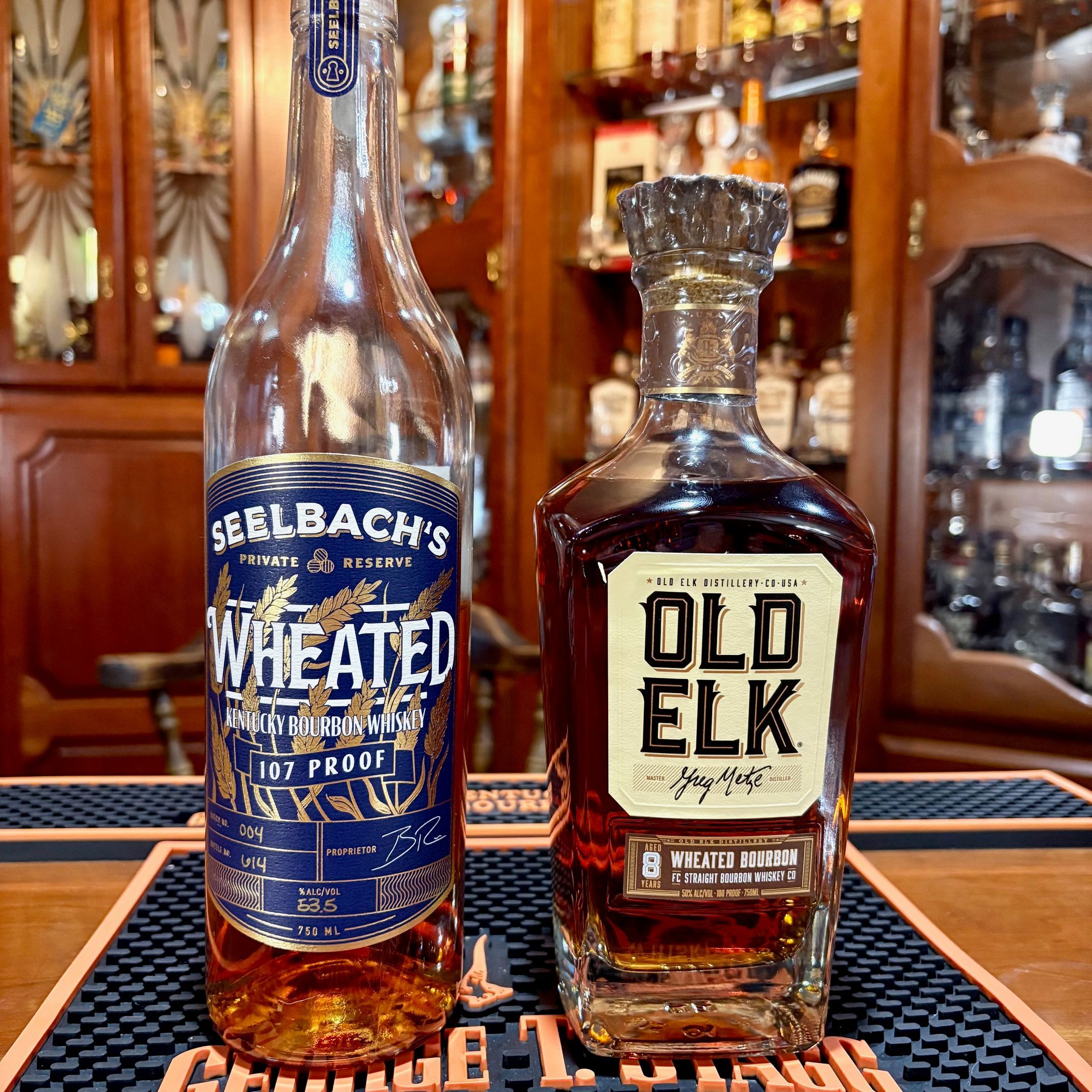
Decoding the Delicious: A Deep Dive into Wheated Bourbon
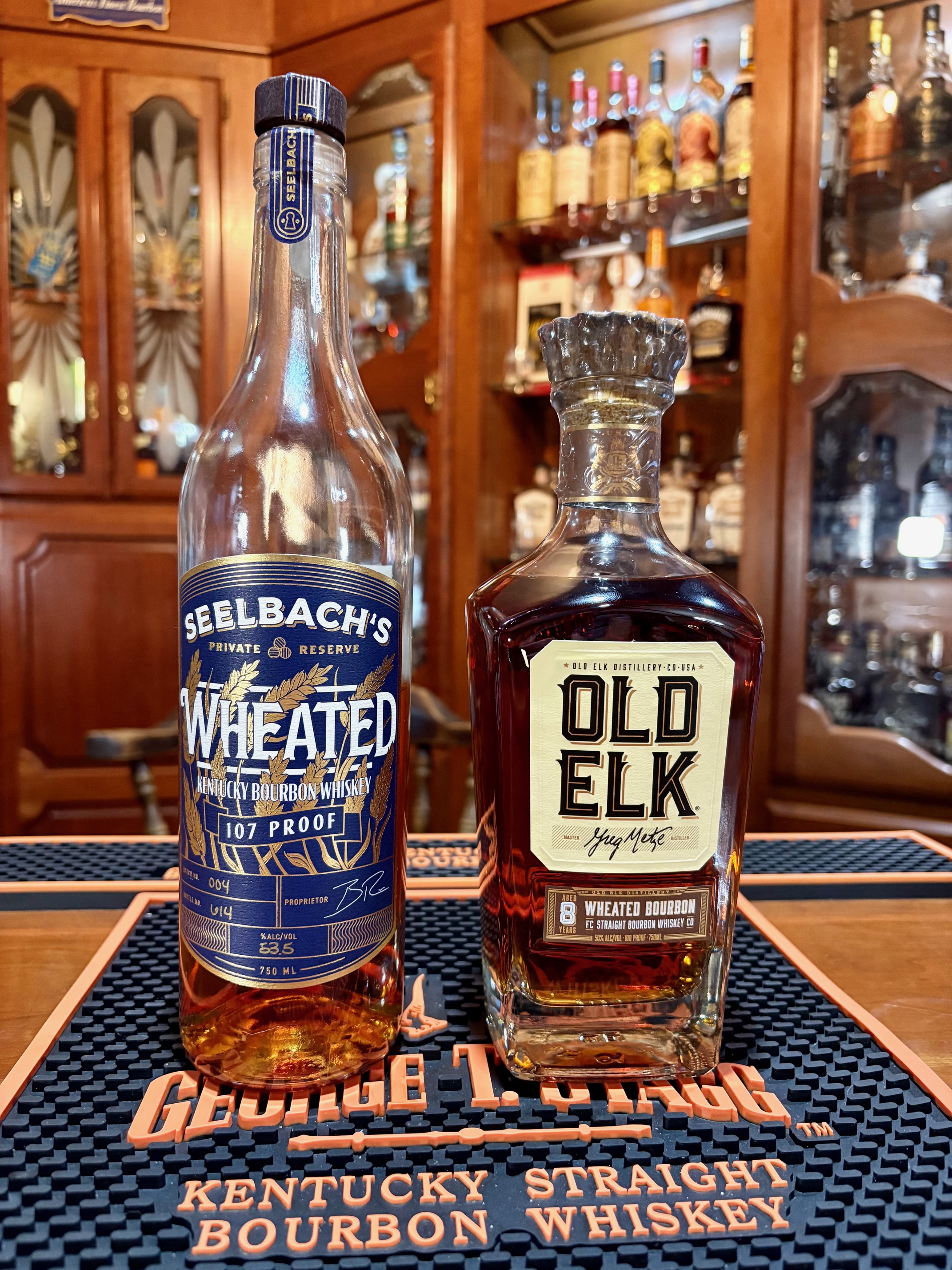
Welcome back to the blog, fellow enthusiasts! In our latest episode, Seelbach and Old Elk Wheated Bourbons; Ep. 45, we embarked on a delightful journey into the world of wheated bourbon. Today, we're going to expand on those tasting notes and dig a little deeper into what exactly makes these bourbons so special, so smooth, and so sought after. If you're a fan of a gentler, sweeter whiskey profile, or if you've been curious about what sets bourbons like Old Elk and Seelbach apart from their rye-heavy cousins, you've come to the right place. We're going to dissect the role of wheat in the mash bill, explore the nuanced flavor profiles it creates, and offer some tips for appreciating these wonderful spirits.
The Role of Wheat in the Mash Bill: Beyond Corn and Rye
When we talk about bourbon, the first ingredient that often comes to mind is corn. And rightly so! By definition, bourbon must be made from at least 51% corn. This high corn content is a significant contributor to the inherent sweetness and the characteristic caramel and vanilla notes we associate with bourbon. However, the remaining 49% of the mash bill, known as the "small grain," offers a distiller incredible freedom to shape the final flavor profile of their whiskey. This small grain can be rye, wheat, malted barley, or even a combination of these.
Traditionally, rye has been the go-to small grain for many bourbons. Rye is known for its bold, spicy character. It adds a peppery kick, a touch of herbal complexity, and a drier finish to the whiskey. Brands that heavily feature rye in their mash bill often appeal to those who enjoy a more robust and assertive bourbon. Think of the classic spicy notes that can cut through oak and sweetness. Rye is a workhorse grain, reliable and distinctive.
Then there's wheat. When wheat takes center stage as the small grain, the entire character of the bourbon shifts. Unlike rye, wheat is known for its softer, milder profile. It's a more delicate grain, and its presence in the mash bill tends to mute some of the harsher edges that can sometimes be found in younger or rye-heavy bourbons. Instead of spice, wheat introduces a profound smoothness and a subtle, almost bread-like sweetness. It acts as a softening agent, rounding out the flavor profile and creating a more approachable and often more complex sipping experience. Imagine the difference between biting into a crisp apple versus a ripe pear; both are delicious, but their textures and subtle sweetnesses are distinct. Wheat in bourbon is akin to that ripe pear – yielding, smooth, and subtly sweet.
The choice of small grain isn't just an arbitrary decision for distillers. It's a fundamental building block of their whiskey's identity. It's the difference between a bourbon that grabs your attention with a bold statement and one that gently invites you in for a more intimate conversation. For wheated bourbons, this conversation is often characterized by a welcoming warmth and an undeniable gentleness. This is why, when you see "wheated bourbon" on a label, you can often anticipate a certain kind of drinking experience – one that prioritizes smoothness and a delicate sweetness over fiery spice.
Flavor Profile Deep Dive: How Wheat Creates a Smoother, Sweeter Bourbon
So, how exactly does this seemingly humble grain translate into such a distinct flavor profile? The key lies in the specific compounds and sugars that wheat contributes to the fermentation and distillation process. While corn provides the foundational sweetness, and rye brings its characteristic spice, wheat offers a different kind of sweetness and a remarkable texture.
Wheat grains are rich in starches that ferment into alcohol, but they also contain a higher proportion of soluble carbohydrates that can contribute to a more viscous mouthfeel. This increased viscosity is one of the primary reasons why wheated bourbons are often described as exceptionally smooth. The liquid feels richer and more substantial on the palate, coating the tongue in a way that can make the alcohol burn seem less pronounced. It’s a textural difference that immediately sets them apart.
Flavor-wise, wheat contributes a different spectrum of sweetness than corn. While corn offers notes of caramel, vanilla, and butterscotch, wheat often lends itself to more delicate, nuanced sweet notes. Think of flavors like honey, floral undertones, and even hints of fruit, such as ripe berries or dried apricots. These flavors are not as overt or in-your-face as the bolder caramel notes from corn, but rather weave themselves subtly into the overall profile, creating layers of complexity.
Moreover, the absence of the dominant spicy phenols typically found in rye allows the subtler notes of wheat to shine. Instead of being dominated by a peppery bite, the palate is met with a creamy richness and a pleasant sweetness. This doesn't mean wheated bourbons lack character; far from it. Their character is simply expressed differently. It's a character that speaks of comfort, approachability, and a refined elegance. For those who find rye bourbons too aggressive or overly spicy, wheated bourbons offer a beautiful alternative that can be equally, if not more, satisfying.
The aging process also plays a crucial role in how wheat's influence manifests. As wheated bourbon matures in oak barrels, the sweet, soft notes of wheat mingle with the vanilla, caramel, and spice imparted by the wood. The oak contributes tannins and vanillin, which interact with the whiskey's components. In a wheated bourbon, the wheat's inherent smoothness can help to mellow the oak's influence, preventing the whiskey from becoming too tannic or astringent. This results in a beautifully integrated spirit where the grain, the distillation, and the barrel all contribute harmoniously to a complex yet incredibly drinkable final product.
Spotlight on Seelbach and Old Elk: Tasting Notes and Unique Characteristics
In our recent episode, we had the distinct pleasure of exploring two excellent examples of wheated bourbon: Seelbach and Old Elk. These two bottles, while both falling under the "wheated bourbon" umbrella, showcase the diversity within this category and highlight the unique approaches of their respective distillers.
Seelbach, for instance, is a brand with a rich history, often associated with a classic Louisville, Kentucky, pedigree. When tasting Seelbach, particularly their Wheated Bourbon, you often encounter a profile that is remarkably balanced. It’s approachable from the first sip, offering a gentle introduction to the world of wheated spirits. Expect notes of honey, vanilla, and a subtle fruitiness, perhaps reminiscent of baked apples or pears. The mouthfeel is typically smooth and velvety, with a pleasant sweetness that isn't cloying. The finish is usually clean and not overly long, making it an excellent choice for sipping neat or for use in cocktails where you want the bourbon's character to shine through without overpowering other ingredients. It’s a bourbon that speaks of tradition and consistent quality, a reliable friend in any bourbon collection.
Old Elk, on the other hand, often presents a bolder, more contemporary take on wheated bourbon. One of the things that makes Old Elk particularly interesting is their approach to proof and maturation. Their bourbons often come in at higher proofs, which can amplify the flavors derived from the mash bill. When we discussed Old Elk in Episode 45, the notes often leaned towards a more pronounced sweetness, coupled with a richer, more viscous texture. You might find notes of brown sugar, toffee, and perhaps even a hint of baking spices – not the aggressive spice of rye, but a warmer, more comforting spice like cinnamon or nutmeg. The finish can be longer and more satisfying, leaving a lingering warmth and sweetness on the palate. Old Elk demonstrates how a distiller can leverage the wheated bourbon profile to create something truly distinctive, pushing the boundaries of what many expect from this style of whiskey.
Comparing these two side-by-side, as we did on the podcast, really underscores the subtle yet significant differences that can arise from variations in mash bills, yeast strains, distillation processes, and aging philosophies. While both are undeniably wheated bourbons, they offer distinct experiences, proving that there's no single "wheated bourbon" flavor, but rather a spectrum of delightful possibilities.
Comparing Wheated Bourbon to Rye-Heavy Counterparts
To truly appreciate the nuances of wheated bourbon, it's helpful to contrast it with its more assertive cousin: rye-heavy bourbon. As we've touched upon, rye is a grain that demands attention. Its high concentration of pyrazines, the compounds responsible for that characteristic spicy, peppery, and sometimes herbal or even grassy note, makes rye bourbon a fundamentally different beast.
A typical rye-heavy bourbon will often present a more vibrant and complex aroma, with notes of black pepper, anise, cinnamon, and dried herbs. On the palate, these flavors translate into a bold, often fiery experience. The spice can be quite prominent, cutting through sweetness and oak with a distinctive bite. The finish of a rye bourbon is often dry and lingers with that spicy warmth. It’s a whiskey that can be invigorating, complex, and incredibly satisfying for those who enjoy a more assertive spirit. Think of bourbons where the spice is a primary characteristic, often described as having a "kick."
Now, bring in the wheat. The absence of that dominant rye spice in a wheated bourbon is immediately noticeable. Instead of a peppery punch, you get a gentle embrace. The sweetness becomes more prominent, but it's a softer, more rounded sweetness. The texture is creamier, more viscous, and the overall impression is one of approachability and smoothness. While a rye bourbon might be described as a spirited debate, a wheated bourbon is more like a comforting conversation. Both are engaging, but they engage you in different ways.
This contrast is particularly evident when you consider how these bourbons perform in cocktails. Rye bourbons excel in drinks where their spice can cut through sweet mixers and add complexity, like an Old Fashioned or a Manhattan. Wheated bourbons, with their inherent smoothness and delicate sweetness, are fantastic in drinks where you want a softer bourbon backbone, such as a Whiskey Sour or a simpler mixed drink. They also shine when sipped neat, allowing their subtle complexities to unfold without being masked.
It’s not about one being superior to the other; it’s about understanding their distinct personalities. Rye bourbons offer a journey of bold flavors and spice, while wheated bourbons provide an experience of smooth, nuanced sweetness and elegant complexity. Both have their place, and the beauty of the bourbon world lies in this incredible diversity.
Whiskey Tasting Techniques for Appreciating Wheated Bourbon
Whether you're a seasoned connoisseur or just starting your whiskey journey, there are several techniques that can help you unlock the full potential of wheated bourbon. These methods allow you to appreciate the subtle complexities that make this style of whiskey so special.
1. The Glassware Matters: While any glass will hold whiskey, a tulip-shaped glass, like a Glencairn or a copita, is ideal for nosing. The narrow opening concentrates the aromas, allowing you to pick up on the subtle floral, fruity, and sweet notes that are hallmarks of wheated bourbon. Swirl the whiskey gently in the glass to release its vapors, then bring your nose to the rim. Take short, deliberate inhales to avoid overwhelming your senses.
2. Sip, Don't Gulp: This might seem obvious, but the way you sip can significantly impact your perception of the whiskey. Take a small sip and let it coat your entire palate. Don't just swallow immediately. Allow the liquid to sit on your tongue for a few seconds. Notice the texture – is it creamy, viscous, or thin? Then, pay attention to the initial flavors that emerge. For wheated bourbon, you might detect honey, vanilla, or gentle fruit notes.
3. The "Chew" and Aeration: After the initial sip, gently "chew" the whiskey in your mouth. This process aerates the liquid and helps to release more volatile compounds, revealing deeper layers of flavor. You might notice the subtle baking spice notes or the underlying sweetness becoming more pronounced. Some enthusiasts also recommend adding a drop or two of water. This can "open up" the whiskey, particularly higher-proof bourbons, by reducing the alcohol's sting and allowing more delicate flavors to surface. For wheated bourbons, water can often highlight the floral and fruit notes even further.
4. Note the Finish: As you swallow, pay attention to the finish. What flavors linger? Is it sweet, spicy, or something else entirely? For wheated bourbons, the finish is often described as smooth, pleasant, and lingering, with a gentle sweetness rather than a harsh burn. Note any changes in flavor as the finish evolves.
5. Compare and Contrast: As we did in Episode 45, tasting different wheated bourbons side-by-side, or even comparing a wheated bourbon to a rye bourbon, is an excellent way to understand what makes each unique. You'll quickly learn to identify the characteristic smoothness and sweetness of wheat versus the spice and boldness of rye.
6. Journaling: Keep a tasting journal. Jot down the aromas, flavors, mouthfeel, and finish. Over time, you'll develop a vocabulary for describing whiskey and a better understanding of your own preferences. This is invaluable for tracking your progress as a whiskey drinker and for remembering which bottles you truly loved.
By employing these techniques, you'll move beyond simply tasting whiskey to truly experiencing it, allowing the subtle artistry of a well-crafted wheated bourbon to reveal itself.
Collecting Wheated Bourbon: Availability, Pricing, and Rare Finds
The popularity of wheated bourbon has surged in recent years, leading to increased demand and, consequently, impacting its availability and pricing. This surge in popularity is well-deserved, as many consumers have discovered the delightful smoothness and approachable flavor profiles that wheated bourbons offer. However, this increased demand also means that some of the most sought-after wheated bourbons can be challenging to find and can command premium prices.
Brands like Weller, Pappy Van Winkle, and Old Rip Van Winkle, which are all produced by Buffalo Trace and famously use wheat as their secondary grain, have become legendary in the bourbon community. These expressions are highly coveted due to their exceptional quality and scarcity, often leading to long waiting lists, lottery systems, and prices that can reach astronomical figures on the secondary market. Their rarity has cemented their status as collector's items, and securing a bottle is often seen as a significant achievement for any bourbon enthusiast.
Beyond these ultra-rare bottles, there are many other excellent and more accessible wheated bourbons to discover. Brands like Larceny, Maker's Mark, and Old Elk (which we discussed) offer fantastic wheated bourbon options at more reasonable price points and with much better availability. These are fantastic entry points into the world of wheated bourbon and provide a high-quality drinking experience without breaking the bank. Seelbach, as mentioned, also falls into this more accessible category, offering a taste of historical wheated bourbon production.
When it comes to pricing, expect to pay a premium for most wheated bourbons compared to their standard, non-wheated counterparts, especially those that are part of a distillery's core, readily available line-up. This is partly due to the cost of wheat as a grain and partly due to the increased demand. However, the value is often found in the smoother drinking experience and the unique flavor profile. For the truly rare and highly sought-after wheated bourbons, the "collectible" aspect drives the price far beyond the cost of production or even standard market value. It becomes an investment and a status symbol for some collectors.
For those looking to collect wheated bourbons, our advice is to start with the more accessible options and explore from there. Building relationships with local liquor store owners, joining online bourbon communities, and keeping an eye on release schedules can all help in your quest. And remember, while rare bottles are exciting, the true joy of collecting is in discovering and enjoying the whiskey itself. Don't be afraid to open those bottles that you've worked hard to acquire; that's what they're made for!
Conclusion: Why Wheated Bourbon Deserves a Spot in Your Collection
As we've delved into the delightful world of wheated bourbon, it's clear that this style of whiskey offers a unique and immensely satisfying experience. From the foundational sweetness of corn, wheat introduces a delicate, nuanced sweetness, a velvety texture, and an undeniable smoothness that sets it apart from its rye-heavy counterparts. Whether you're drawn to the approachable elegance of a Seelbach or the richer, more pronounced flavors of an Old Elk, the common thread is a bourbon that is often incredibly easy to drink and wonderfully complex in its own right.
We hope this deep dive has shed some light on what makes wheated bourbon so special and has inspired you to explore this category further. If you haven't already, be sure to tune into our latest episode, Seelbach and Old Elk Wheated Bourbons; Ep. 45, where Dan, Eric, and Bob share their personal tasting notes and insights, offering a perfect complement to the information presented here. Understanding the role of wheat in the mash bill, appreciating the subtle flavor nuances, and employing effective tasting techniques will undoubtedly enhance your enjoyment of these exceptional spirits.
So, why does wheated bourbon deserve a spot in your collection? Because it offers a different perspective on what bourbon can be. It's a testament to the art of distilling, where the choice of a single grain can transform the entire character of the spirit. It's a style that appeals to a broad range of palates, from those seeking a gentle introduction to whiskey to seasoned enthusiasts looking for sophisticated complexity. Whether you're sipping it neat, on the rocks, or in a carefully crafted cocktail, wheated bourbon promises a smooth, sweet, and utterly enjoyable experience. Don't let the hype around the rarest bottles deter you; there are many delicious and accessible wheated bourbons waiting to be discovered. Cheers!

Pilot / Dad / Trumpeter / Contract Negotiator / Martial Artist
In his 26th year as an airline pilot, Dan resides in Youngstown, Ohio with his high school sweetheart Stephanie. Combined they have 5 kids (teenagers...). They enjoy travel as a family, and as a couple. Dan has had a bourbon affinity since smelling his Grandfather's JW Dant and Grapefruit soda as a kid. Dan started collecting bourbon in 2015. He has been actively involved in Martial Arts since he was a kid and has Black Belts in two different styles. Dan still plays trumpet. Originally he went to college for music at Ohio University, but after his sophomore year decided he would much rather spend 3 hours in an airplane instead of a practice room. He still helps teach high school band camps, and has assisted with 5th and 6th grade Trumpet, Low Brass, and Percussion. Dan has been a Pilot Union Representative, Contract Negotiator, Merger Specialist, and Contract Compliance Administrator for over 20 years. Dan received the President's Lifetime Achievement Volunteer Service Award in 2024.
Penelope Omega 11 Year vs. Maker's Mark 46 Cask Strength: The Ultimate Breakdown