From Beginner to Collector: Navigating the World of Bourbon
Welcome back to the blog, fellow enthusiasts! In our latest podcast episode, we dove deep into the fascinating world of bourbon collecting, discussing everything from what sparks the initial interest to the thrill of finding those elusive bottles. If you're anything like me, the journey into bourbon collecting can feel both exhilarating and a little daunting. Where do you start? How do you distinguish a truly special pour from an overhyped one? This blog post is designed to expand on those very questions, offering insights and practical advice for anyone looking to embark on their own bourbon adventure. We'll be touching on the allure of collecting, the initial steps for newcomers, understanding the coveted names like Weller and Old Rip Van Winkle, navigating the marketplace, and even exploring some fantastic, more accessible options that might not always be in the spotlight. So, grab your favorite glass, and let's uncork the world of bourbon collecting.
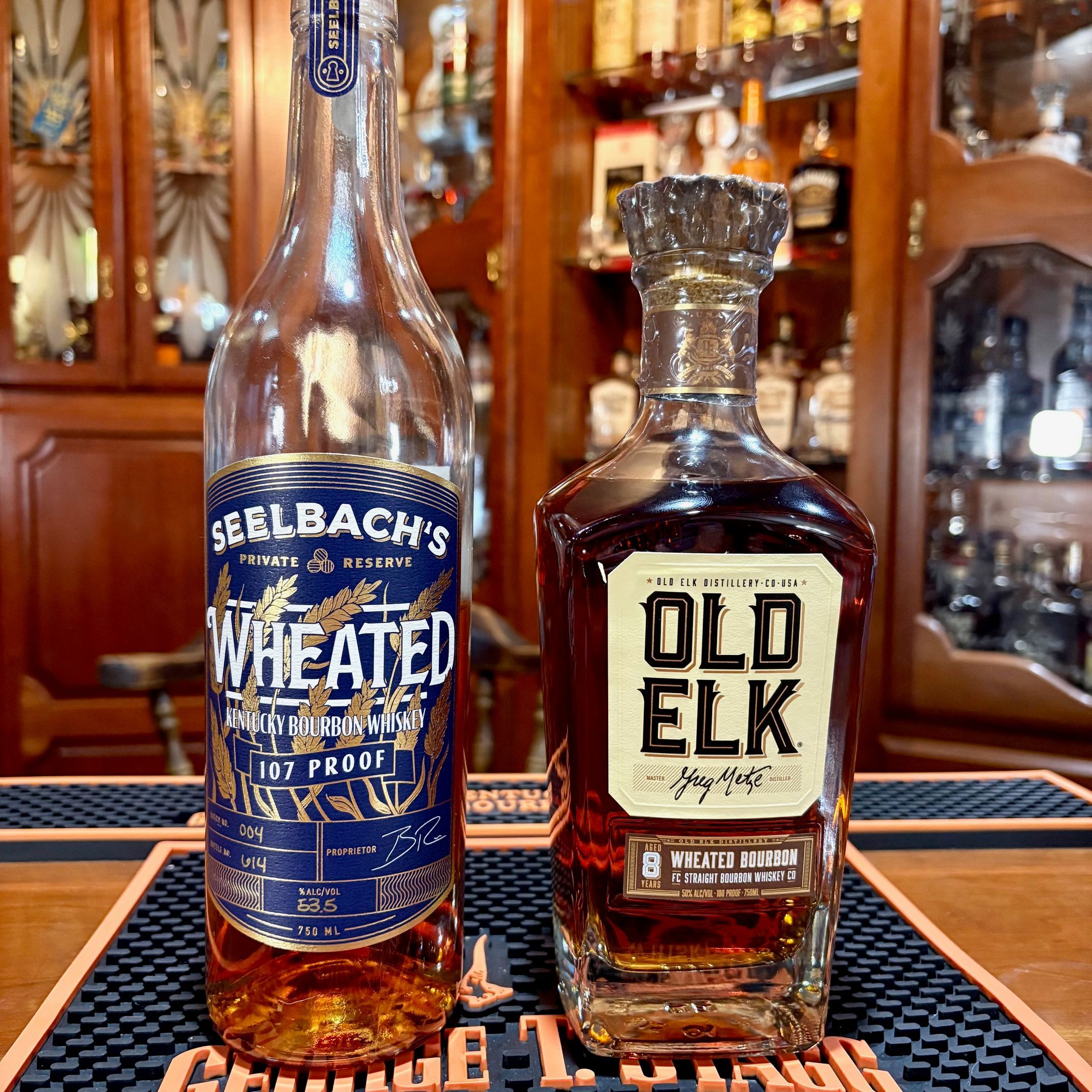
For those who enjoyed our recent dive into wheated bourbons with Seelbach and Old Elk in Episode 45, you'll find a natural progression here. Our discussion today builds upon those tasting experiences, exploring how those initial preferences can blossom into a dedicated collecting journey. You can revisit our tasting notes and discussions on wheated bourbons by checking out Episode 45: Seelbach and Old Elk Wheated Bourbons. This post aims to provide the broader context for why collecting becomes so captivating and how to approach it with both passion and a strategic mind.
The Allure of the Collection: What Draws Us In?
What is it about bourbon that transforms a casual drinker into a dedicated collector? It's a question I've pondered often, both in my own journey and in conversations with countless others. The answer, I've found, is rarely just one thing. It's a complex tapestry woven from threads of history, craft, community, and the sheer sensory pleasure of the spirit itself. Bourbon, unlike many other spirits, has a rich narrative steeped in American heritage. It speaks of innovation, of tradition, and of the land from which its ingredients are sourced. For many, the act of collecting becomes a way to connect with this history, to hold a piece of that story in their hands. Each bottle, whether it's a readily available staple or a limited-edition release, carries its own unique story, its own provenance.
Beyond the historical aspect, there's the inherent artistry in bourbon production. The careful selection of grains, the unique char of the oak barrels, the meticulous distillation process – all these elements contribute to the final product's complexity and character. As collectors, we develop an appreciation for this craftsmanship, seeking out expressions that showcase a distiller's skill and vision. This appreciation often extends to understanding the subtle differences that a few extra years of aging, a different mash bill, or a unique finishing process can impart on a whiskey. It’s like a sommelier appreciating the nuances of wine, but with the added dimension of a tangible, often visually striking, bottle to admire.
Furthermore, the community aspect of bourbon collecting cannot be overstated. Sharing knowledge, trading recommendations, and even participating in bottle shares with fellow enthusiasts creates a sense of camaraderie. There’s a shared passion, a mutual understanding of the joy that comes from discovering a new favorite or finally tracking down that bottle you’ve been searching for. This social element transforms a solitary hobby into a shared experience, fostering friendships and a vibrant subculture. The thrill of the hunt, the anticipation of opening a prized bottle, and the subsequent discussions about its tasting notes – these are all powerful motivators that draw people into the world of bourbon collecting.
From Sipper to Seeker: Your First Steps into Bourbon Collecting
So, you've enjoyed a few bourbons, perhaps a Woodford Reserve or a Maker's Mark, and you're thinking, "What's next?" The transition from a casual sipper to an aspiring collector is a natural one, and it begins with curiosity and a willingness to explore. The first and most crucial step is to simply drink more bourbon, but with intention. Pay attention to what you like. Is it the sweetness? The spice? The oak influence? Does a particular brand's profile resonate with you more than others? Keeping a tasting journal, even a simple one, can be incredibly helpful. Jot down the brand, the age statement (if any), the mash bill (if you can find it), and your tasting notes. This will help you identify patterns in your preferences and guide your future purchases.
Don't be afraid to try a wide variety of bourbons, even those that might seem intimidating at first. Visit your local liquor store and browse the shelves. Read reviews, but take them with a grain of salt. Your palate is unique, and what one person loves, another might not. Start with readily available and well-regarded bourbons in different price ranges. This allows you to build a foundational understanding of various flavor profiles and production styles without breaking the bank. Think of it as building your sensory vocabulary.
As you explore, you'll begin to encounter terms like "wheated bourbon," "rye heavy," and "single barrel." These are the building blocks of bourbon knowledge. Understanding the differences in mash bills (the blend of grains used in distillation) is fundamental. For example, bourbons with a higher percentage of wheat in their mash bill (like many from the Buffalo Trace distillery) tend to be smoother and sweeter, with less spice, than those with a higher rye content. Learning these distinctions will help you anticipate the flavor profiles of different bourbons and make more informed choices. Don't feel pressured to buy the most expensive bottle right away. The most rewarding bourbons are often found through exploration and genuine appreciation for the spirit, not just its price tag.
Decoding the Rarity: Understanding Weller, Old Rip Van Winkle, and the Buffalo Trace Effect
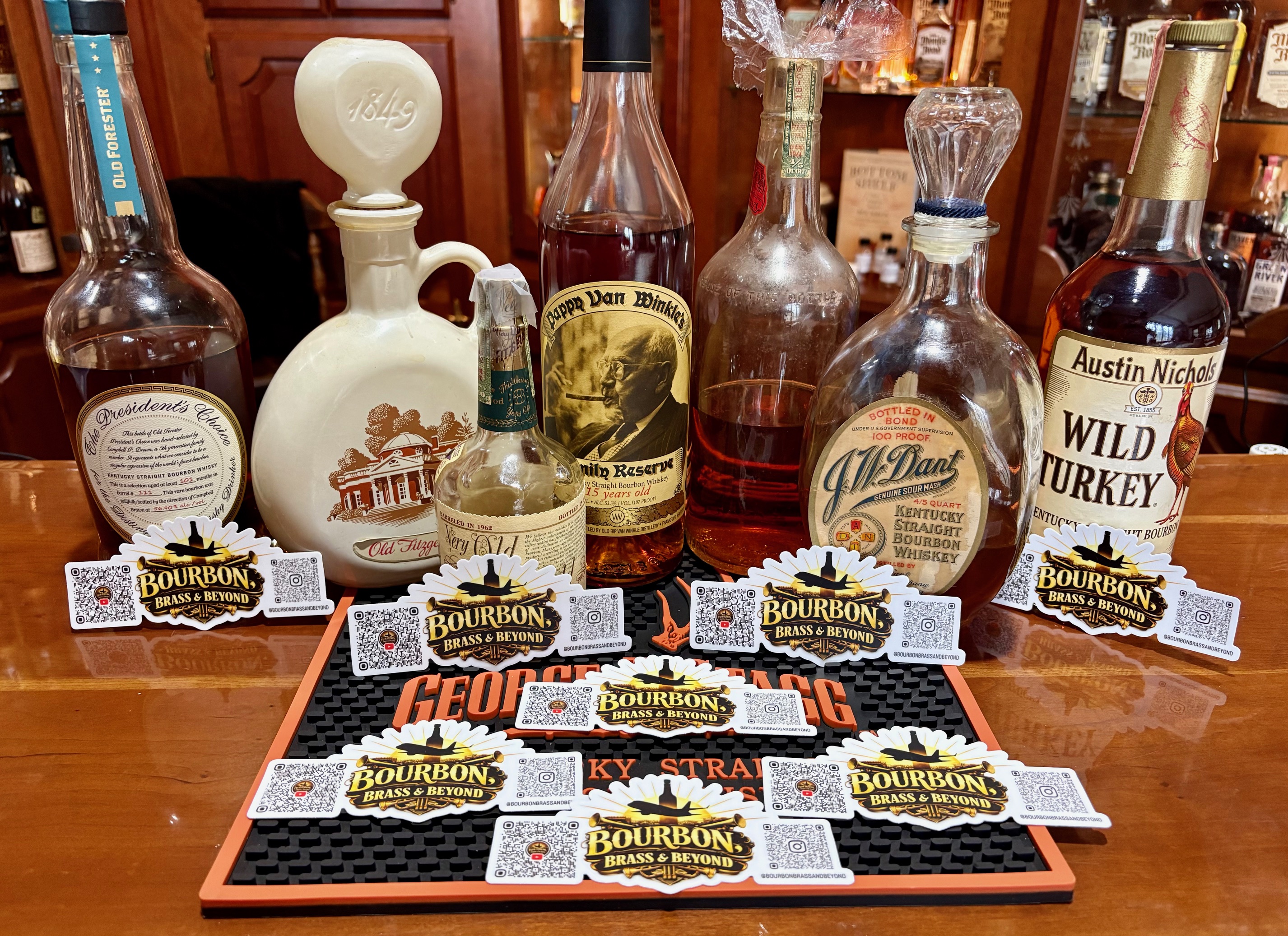
Now, let's talk about the unicorns. Names like Pappy Van Winkle, Old Rip Van Winkle, and the various expressions of Weller have become legendary in the bourbon world, often commanding astronomical prices and sparking intense interest among collectors. Understanding why these bourbons are so sought after is key to navigating the market. A significant factor is their shared heritage and production lineage. Many of these highly coveted bourbons, including Weller and Old Rip Van Winkle, are produced at the Buffalo Trace Distillery. Buffalo Trace is known for its mastery of the wheated bourbon mash bill, a recipe that uses wheat as the secondary grain alongside corn, rather than rye.
This wheated mash bill, popularized by the Van Winkle family, results in a distinctively smooth, sweet, and often fruit-forward flavor profile that many bourbon drinkers adore. The "Pappy" line, in particular, is a series of well-aged wheated bourbons that have garnered immense critical acclaim and collector demand. Their scarcity, due to limited production and extended aging periods, coupled with their exceptional quality, has driven prices to unprecedented levels. Weller, also produced at Buffalo Trace, shares this wheated DNA and is often seen as a more accessible, albeit still sought-after, entry point into this style of bourbon. Expressions like Weller Special Reserve, Weller Antique 107, Weller 12 Year, and the coveted Weller Single Barrel, Weller Full Proof, and Weller CYPB (Craft Your Own Bourbon) are all highly desirable.
The "Buffalo Trace Effect" refers to the phenomenon where bourbons produced at this distillery, particularly those with unique mash bills or age statements, tend to gain significant collector attention. This includes other bourbons like Blanton's, Eagle Rare, and the Buffalo Trace namesake itself. The demand for these bottles often outstrips supply, creating a challenging market for consumers. It's important to understand that while these bourbons are undeniably excellent, their rarity and the subsequent hype can sometimes overshadow their actual tasting experience. The challenge for collectors lies in discerning genuine value and enjoyment from pure market speculation. While it's exciting to chase these rare bottles, remember the core pleasure of bourbon is in its taste, not just its perceived investment potential.
Navigating the Marketplace: Tips for Finding Those Elusive Bottles
Finding those elusive bottles can feel like a treasure hunt, and like any good hunt, it requires strategy, patience, and a bit of luck. The first and perhaps most crucial piece of advice, and I cannot stress this idea enough, is to build relationships. Get to know the staff at your local liquor stores. Be polite, be knowledgeable, and show genuine interest in bourbon. Many stores receive limited allocations of rare bourbons, and they often have regulars or loyal customers they’ll think of first. Don't be the person who just walks in once a year demanding Pappy Van Winkle. Become a regular, buy other bottles, and engage in conversations. The people you meet while bourbon hunting are some of the best people out there. They have a common interest. These people have become some of my best friends, and working together to find bourbon "drops" makes it much easier. Also, these people may already have the bottle you are looking for. Trading has become a great way to find the bottle you want. Which leads to the next step.
Secondly, educate yourself on what's available and where. Join online bourbon communities and forums. These are invaluable resources for learning about upcoming releases, local availability, and even connecting with other collectors. Many states have specific distribution laws and patterns, so understanding your local market is key. Websites and apps that track bourbon releases and pricing can also be helpful, but use them as guides, not gospel. Prices can vary wildly, and what’s available in one state might be a ghost in another.
Be wary of the secondary market. While it can sometimes be a necessary evil for acquiring certain bottles, it's also a breeding ground for inflated prices and even counterfeits. If you do venture into the secondary market, be extremely cautious. Understand the going rate for a bottle, be wary of deals that seem too good to be true, and try to buy from reputable sources. Many collectors find it more rewarding to focus on building a collection of bourbons they genuinely enjoy, rather than purely chasing value. Sometimes, the most satisfying finds are those you discover yourself, in unexpected places, at reasonable prices.
Finally, remember the importance of tasting. Don't buy a bottle solely because it's rare. While the thrill of acquisition is part of the hobby, the ultimate goal is enjoyment. If you manage to snag a coveted bottle, consider sharing it with friends or fellow enthusiasts. The experience of tasting and discussing a rare bourbon collectively can be far more rewarding than hoarding it away on a shelf. It’s a balance between the hunt and the enjoyment, the acquisition and the appreciation.
Beyond the Hype: Exploring Other Delicious and More Accessible Bourbons (Featuring Seelbach and Old Elk)
While the allure of rare bottles is undeniable, it's crucial to remember that the bourbon landscape is vast and filled with exceptional spirits that don't require a second mortgage or a year-long waitlist. In fact, some of the most rewarding bourbons for new collectors and seasoned enthusiasts alike are those that offer fantastic flavor and value without the fanfare. This is where our recent episode, Episode 45: Seelbach and Old Elk Wheated Bourbons, truly shines.
We explored the wheated bourbon profiles of Seelbach and Old Elk, two brands that offer a delightful experience for those who appreciate the smooth, less spicy character that wheat can impart. Seelbach, a brand with a rich history, offers a well-balanced and approachable wheated bourbon that’s a pleasure to sip neat or in a cocktail. It’s a testament to the fact that you don't need a decades-old age statement to find quality and complexity. Similarly, Old Elk has been making waves with its innovative approach to wheated bourbon. Their bottlings often showcase a beautiful balance of sweetness, fruit, and a subtle warmth that makes them highly enjoyable and relatively accessible. We discussed how Old Elk, for instance, offers a distinct flavor profile that stands out, providing a unique experience that doesn’t rely on scarcity for its appeal.
Exploring brands like these is a smart strategy for any burgeoning collector. It allows you to develop your palate for specific flavor profiles, like wheated bourbons, without the intense competition and cost associated with the more famous names. You can build a solid foundation of delicious, readily available bourbons that provide immense drinking pleasure. Furthermore, supporting these brands contributes to a more diverse and dynamic bourbon market, encouraging innovation and rewarding producers who focus on quality and accessibility. Don't let the hype surrounding a few bottles blind you to the countless other fantastic bourbons out there waiting to be discovered. Your collection can be just as, if not more, enjoyable by including these unsung heroes.
Tasting Techniques for the Aspiring Collector
As you transition from a sipper to a collector, honing your tasting skills becomes paramount. It’s not just about recognizing if you like a bourbon; it's about understanding *why* you like it and being able to articulate its nuances. The first rule of tasting is to have the right environment. Choose a quiet place with neutral lighting and no strong competing aromas. Avoid strong perfumes, food smells, and even smoking. Clean glassware is essential; a glencairn or tulip-shaped glass is ideal as it concentrates the aromas towards your nose.
Start by observing the bourbon's color. While color can be influenced by age and barrel, it provides an initial visual impression. Is it a pale straw, a rich amber, or a deep mahogany? Next, swirl the bourbon gently in your glass. Notice the "legs" or "tears" that form on the side of the glass. These are an indication of the alcohol and sugar content, though they don't directly correlate to flavor quality. Now, bring the glass to your nose. Take a short, gentle sniff. What aromas do you detect? Try to identify specific scents: fruits (berries, apples, citrus), spices (cinnamon, nutmeg, clove), oak notes (vanilla, caramel, toast), floral notes, or even earthy or leathery undertones.
For your first taste, take a small sip and let it coat your palate. Chew it slightly, allowing it to interact with all your taste buds. Notice the initial flavors. Is it sweet? Spicy? Bitter? Then, swallow the bourbon and pay attention to the finish. How long does the flavor linger? What are the dominant notes in the finish? Is it warm, dry, sweet, or something else? Try taking a sip with a drop or two of water. Water can "open up" a bourbon, revealing different layers of flavor and aroma that might have been hidden by the alcohol. This technique, known as "proofing down," is a valuable tool for a collector.
Don't be discouraged if you can't immediately identify complex notes. This skill develops over time and with practice. The more bourbons you taste and compare, the more refined your palate will become. Keep that tasting journal handy, and try to use consistent language to describe your experiences. This systematic approach will not only deepen your appreciation for bourbon but also make you a more discerning and knowledgeable collector.
Building Your Collection Wisely: Storage, Appreciation, and Enjoyment
Once you've started acquiring bottles, the next logical step is to think about how you'll store, appreciate, and ultimately enjoy your collection. Proper storage is crucial for preserving the quality of your bourbon. While bourbon is a spirit that doesn't "age" further in the bottle like wine does, extreme temperature fluctuations and direct sunlight can degrade the spirit and its packaging. The ideal storage environment is a cool, dark place with a consistent temperature, much like a wine cellar, though without the humidity concerns of wine. Avoid storing bottles on their side for extended periods, as this can cause the cork to degrade. Standing them upright is generally recommended for spirits.
Appreciation comes in many forms. For some, it's the aesthetic of the bottles themselves, arranging them on a shelf to create a visually pleasing display. For others, it's about the research – learning the history of the distillery, the story behind a particular release, or the intricacies of its production. Cataloging your collection can be a rewarding part of this process, noting purchase dates, prices, and tasting notes. It helps you keep track of what you have and prevents accidental duplicate purchases.
But ultimately, the purpose of a bourbon collection is enjoyment. Don't let your bottles sit on a shelf forever, gathering dust. The true value of bourbon lies in its ability to be savored. Set aside time to enjoy your bourbons, either solo or with friends. Host bottle shares, compare different expressions, and discuss your experiences. The act of opening a special bottle for a significant occasion or simply to unwind after a long day is one of the greatest pleasures of collecting. Consider your collection as a library of experiences waiting to be uncorked. As your collection grows, you’ll develop a deeper understanding of your own preferences and a greater appreciation for the diverse world of bourbon.
Conclusion: The Rewarding Journey of a Bourbon Collector
Embarking on the journey from a casual bourbon sipper to a dedicated collector is a truly rewarding experience. As we've explored in this post and our recent episode, Episode 45: Seelbach and Old Elk Wheated Bourbons, it's a path paved with discovery, learning, and delicious encounters. The allure of bourbon collecting extends far beyond simply acquiring bottles; it's about connecting with history, appreciating craftsmanship, engaging with a vibrant community, and developing a refined sensory palate. We’ve touched upon the initial steps for newcomers, the fascinating – and sometimes frustrating – world of rare bourbons like Weller and Old Rip Van Winkle, and the importance of exploring more accessible yet equally delightful options like those we discussed from Seelbach and Old Elk. Remember, the key is to approach it with curiosity, patience, and a genuine love for the spirit itself. Your collection will be a reflection of your journey, your tastes, and the memories you create along the way. So, keep exploring, keep tasting, and most importantly, keep enjoying the wonderful world of bourbon.

Pilot / Dad / Trumpeter / Contract Negotiator / Martial Artist
In his 26th year as an airline pilot, Dan resides in Youngstown, Ohio with his high school sweetheart Stephanie. Combined they have 5 kids (teenagers...). They enjoy travel as a family, and as a couple. Dan has had a bourbon affinity since smelling his Grandfather's JW Dant and Grapefruit soda as a kid. Dan started collecting bourbon in 2015. He has been actively involved in Martial Arts since he was a kid and has Black Belts in two different styles. Dan still plays trumpet. Originally he went to college for music at Ohio University, but after his sophomore year decided he would much rather spend 3 hours in an airplane instead of a practice room. He still helps teach high school band camps, and has assisted with 5th and 6th grade Trumpet, Low Brass, and Percussion. Dan has been a Pilot Union Representative, Contract Negotiator, Merger Specialist, and Contract Compliance Administrator for over 20 years. Dan received the President's Lifetime Achievement Volunteer Service Award in 2024.
Penelope Omega 11 Year vs. Maker's Mark 46 Cask Strength: The Ultimate Breakdown