Beyond the Bottle: How Bottle Aging and Release Season Impact Your Whiskey
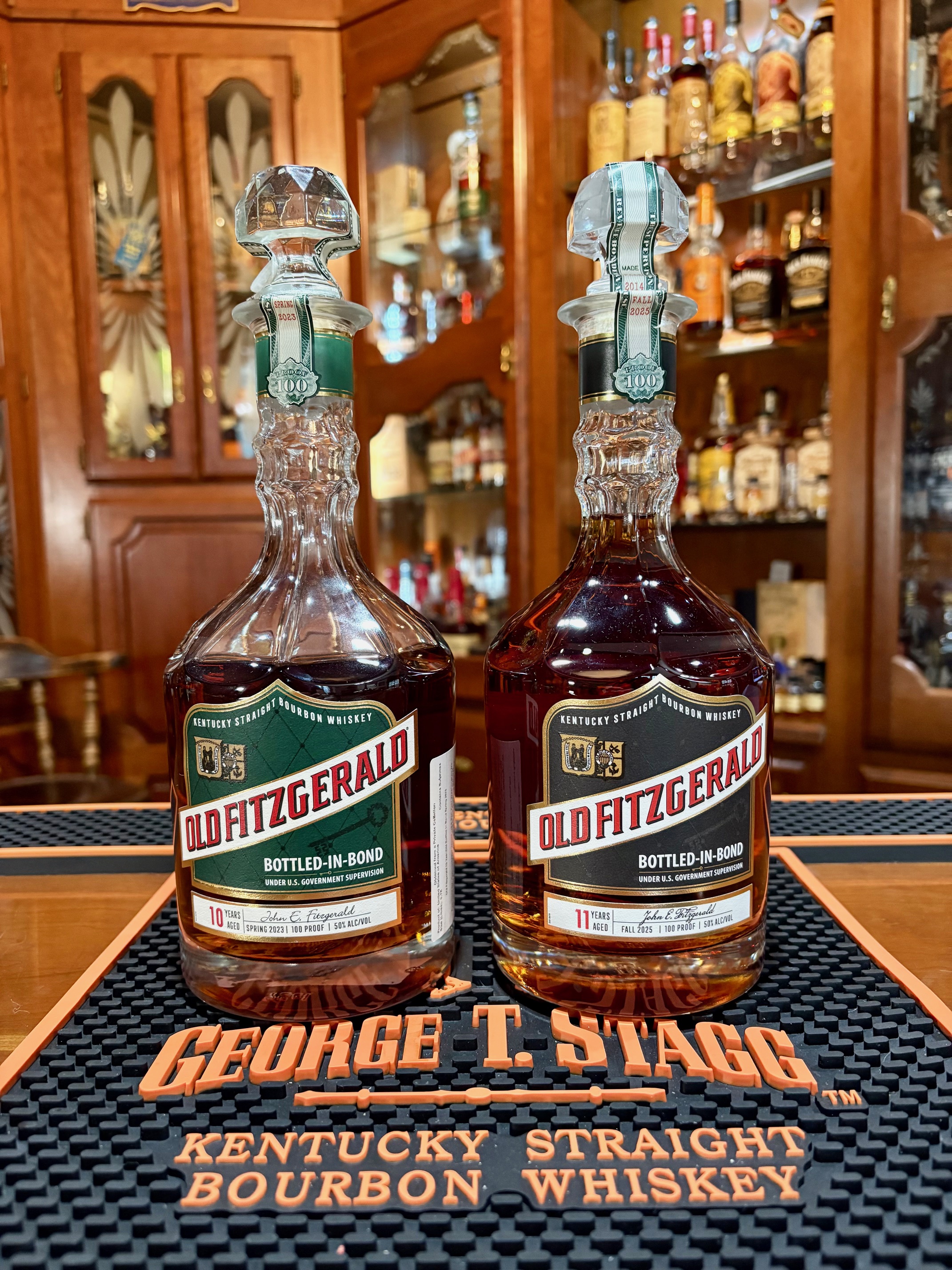
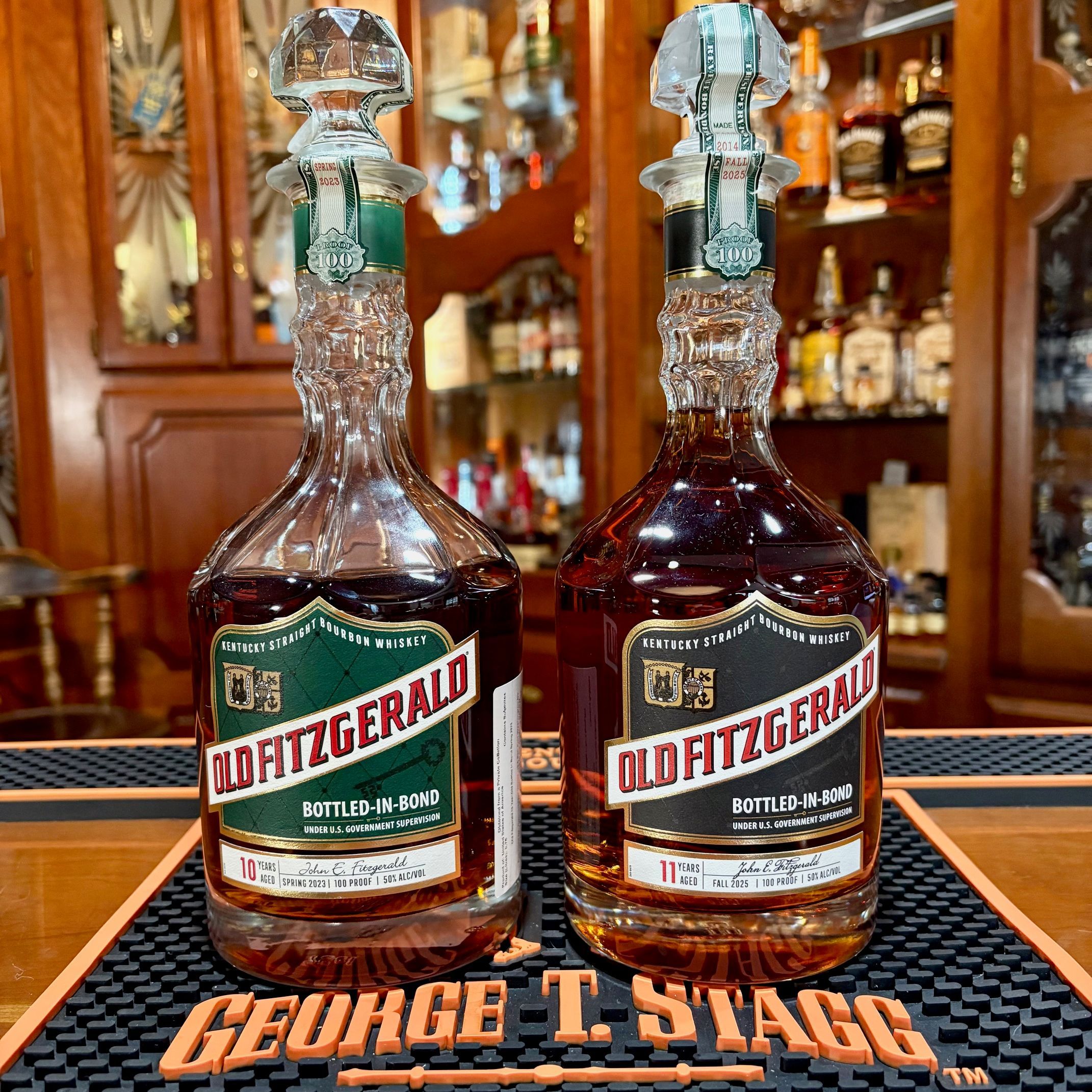
Hey whiskey enthusiasts! Welcome back to the blog, the perfect place to dive deeper into the topics we explore on the Bourbon, Brass & Beyond podcast. In our latest episode, Ep. 47: Spring vs Fall Old Fitzgerald, we had a fantastic conversation with Dan and Nick, diving into the subtle yet significant differences between spring and fall releases of the esteemed Old Fitzgerald decanters. We touched on a concept that might seem a little esoteric at first, but one that has a profound impact on the whiskey in your glass: the 'Seasonal Bottle Aging Impact' framework. This blog post is all about unpacking that framework, exploring why the time of year a whiskey is bottled and aged can subtly but surely influence its final character. We'll be looking at the contributing factors, the science behind it, and ultimately, how this knowledge can enhance your appreciation of the spirits you enjoy.
Understanding the 'Seasonal Bottle Aging Impact' Framework
Let's start by demystifying the 'Seasonal Bottle Aging Impact' framework. At its core, this framework acknowledges that the environment in which a whiskey matures, specifically the ambient temperature and humidity changes throughout the year, plays a crucial role in its development. While we often focus on the barrel aging process itself, the conditions *outside* the barrel, and how they fluctuate seasonally, also contribute to the complex dance of chemical reactions that transform raw spirit into a nuanced dram. Think of it this way: whiskey maturation is not a static process. It's a dynamic one, influenced by the constant interplay between the spirit, the oak, and the surrounding atmosphere. When a whiskey is bottled and then aged further, whether that's within the distillery's rackhouse or even in a collector's cellar, these seasonal shifts continue to exert their influence. The 'Seasonal Bottle Aging Impact' framework suggests that the specific *release season* of a whiskey, meaning the time of year it was bottled and subsequently aged for a period leading up to that release, can leave its fingerprints on the final product. This isn't about a dramatic overhaul of flavor, but rather about subtle shifts in aroma, taste, and texture. Imagine a wine that's aged through different seasons; the temperature fluctuations can influence its development. The same principle, albeit on a different timescale and with different chemical reactions, applies to whiskey. The framework helps us to categorize and understand these potential differences, allowing us to appreciate the intricacies of what makes each bottle unique.
Case Study: Old Fitzgerald Spring vs. Fall Releases
Our discussion on Episode 47 centered around a perfect real-world example of this framework in action: the spring and fall releases of Old Fitzgerald. For those who aren't familiar, Old Fitzgerald is a highly sought-after bourbon, often presented in distinctive decanters, with its release dates strategically chosen. The fact that the distillery or bottler is releasing distinct batches at different times of the year is not arbitrary. It often correlates with the whiskey having experienced different environmental conditions during its final stages of maturation and bottling. When we compared the spring and fall Old Fitzgerald releases, we weren't just comparing two different batches of bourbon; we were, in essence, observing the 'Seasonal Bottle Aging Impact'. The spring releases, having potentially spent their final months of maturation during warmer, more active seasons, might exhibit slightly different characteristics than those bottled in the fall, which might have undergone their final maturation through the cooler, more dormant winter months. This is where the nuances come in. Did the spring release have a brighter, more vibrant nose? Did the fall release possess a deeper, richer profile with more oak influence? These are the kinds of questions we explored, and they are directly related to the 'Seasonal Bottle Aging Impact' framework. The distillers themselves are aware of these environmental influences, and they often use them to their advantage, carefully selecting release times to showcase specific facets of their whiskey's character. This case study serves as a compelling illustration that this isn't just theoretical; it's a tangible factor that contributes to the tasting experience.
How Bottling Season Affects Whiskey Flavor
So, how exactly does the bottling season, and the subsequent bottle aging, affect whiskey flavor? The primary driver is the fluctuation in temperature. During warmer months, the oak barrels expand. This expansion forces more of the whiskey's compounds to interact with the wood, leading to the absorption of flavor, color, and tannins. Conversely, during cooler months, the barrels contract, pushing the spirit back out of the wood. This cyclical process is fundamental to barrel aging. When a whiskey is bottled, this interaction with the oak effectively stops. However, the story doesn't end there. If a whiskey is bottled in, say, the spring, and then ages for an additional period before it reaches the consumer, it will have experienced the subsequent summer and fall within its bottle. If it's bottled in the fall, it will experience the winter and spring. These extended periods of seasonal influence, even within the sealed confines of a bottle, can contribute to the development of subtle flavor notes. Think about the esters and congeners that are created during fermentation and distillation. These are the compounds responsible for many of the fruity, floral, and spicy notes in whiskey. Temperature fluctuations can influence the rate at which these compounds interact with each other and with any residual compounds in the oak that may have been carried over into the bottle. Furthermore, the cork and wax seal, while designed to be impermeable, are not entirely inert. Over time and with temperature changes, subtle exchanges can occur, further contributing to the evolving profile of the spirit.
The Role of Time and Environment in Whiskey Maturation
It’s crucial to reiterate the fundamental role of time and environment in whiskey maturation. While we often talk about "age statements" – the number of years a whiskey has spent in a barrel – the *type* of aging environment is equally important. The warehouse where the barrels are stored (rickhouse, dunnage warehouse, etc.), its location (altitude, proximity to water), and crucially, its exposure to seasonal temperature and humidity swings, all dictate the pace and character of maturation. For whiskeys that undergo extended bottle aging, or where the release season is a deliberate choice, these same environmental factors continue to play a role. A whiskey bottled in a hot, humid summer will have a different starting point for its bottle aging journey than one bottled in a cool, dry winter. The subsequent seasonal cycles it experiences will then further shape its profile. The 'Seasonal Bottle Aging Impact' framework emphasizes this continued environmental influence. It's not just about the years spent in the barrel; it's about the journey the whiskey takes from its creation to your glass, and the subtle environmental cues it encounters along the way. This is why experienced tasters often detect differences between similarly aged whiskeys that were produced and bottled under different conditions.
Whiskey Viscosity and Mouthfeel: A Subtle Science
Beyond just aroma and taste, the 'Seasonal Bottle Aging Impact' can also subtly influence a whiskey's viscosity and mouthfeel. This is a more scientific aspect, but one that greatly contributes to the overall sensory experience. Viscosity refers to a liquid's resistance to flow, and in whiskey, it's largely determined by the concentration of alcohol, sugars, and other dissolved solids, including esters and congeners. During warmer periods of maturation, the increased interaction with the oak can lead to a greater extraction of compounds that contribute to mouthfeel, such as certain tannins and wood sugars. These can impart a slightly richer, thicker, or more viscous texture to the whiskey. Conversely, cooler periods might lead to a less pronounced extraction of these compounds. When we discuss mouthfeel in whiskey, we're talking about how it feels on the palate – is it velvety, syrupy, thin, or drying? These sensations are deeply intertwined with the chemical composition of the spirit, which, as we've established, is influenced by its environmental journey. Therefore, the season of bottling and the subsequent bottle aging can impart subtle differences in viscosity and mouthfeel, adding another layer to the tasting experience. It’s a testament to the complexity of whiskey that even the way it feels in your mouth can be shaped by the passage of time and the changing seasons.
Beyond the Bottle: The Bigger Picture of Whiskey Enjoyment
Understanding concepts like the 'Seasonal Bottle Aging Impact' framework isn't about nitpicking or finding fault. It's about deepening your appreciation for the craft and the artistry involved in whiskey production. It encourages a more mindful and analytical approach to tasting, moving beyond simply stating "I like it" or "I don't like it" to understanding *why*. When you learn about these subtle influences, you can begin to identify them in your own tasting experiences. You might start to notice patterns in your favorite whiskies, or you might find yourself intrigued by the differences between different releases from the same distillery. This knowledge empowers you to engage with whiskey on a more profound level, making every sip a journey of discovery. It also highlights the incredible work that distillers and blenders do. They are constantly managing variables, seeking to create consistent yet nuanced products. Understanding the 'Seasonal Bottle Aging Impact' allows us to appreciate the intentionality behind release dates and the careful consideration that goes into bringing a bottle of whiskey to market. It adds a layer of respect for the process and the people involved.
Conclusion: Appreciating the Nuances of Your Bourbon
In our latest episode of Bourbon, Brass & Beyond, Ep. 47: Spring vs Fall Old Fitzgerald, we embarked on a fascinating exploration of how the timing of a whiskey's release, and the environmental conditions it experiences during its final stages of maturation and bottle aging, can subtly yet significantly shape its character. We delved into the 'Seasonal Bottle Aging Impact' framework, examining how temperature fluctuations, the passage of time, and the inherent chemical processes within the whiskey can all contribute to variations in aroma, flavor, and even mouthfeel. The comparison of spring and fall Old Fitzgerald releases served as a perfect case study, illustrating that these aren't just theoretical concepts but tangible differences that can be experienced in the glass. By understanding these nuances, we move beyond a superficial appreciation of whiskey to a deeper, more informed enjoyment. So, the next time you pour yourself a dram, take a moment to consider the journey it has taken, the seasons it has weathered, and the subtle influences that have contributed to the complex and beautiful spirit before you. Cheers to appreciating the craft, the time, and the environment that make your favorite bourbon truly exceptional!
Pilot / Dad / Trumpeter / Contract Negotiator / Martial Artist
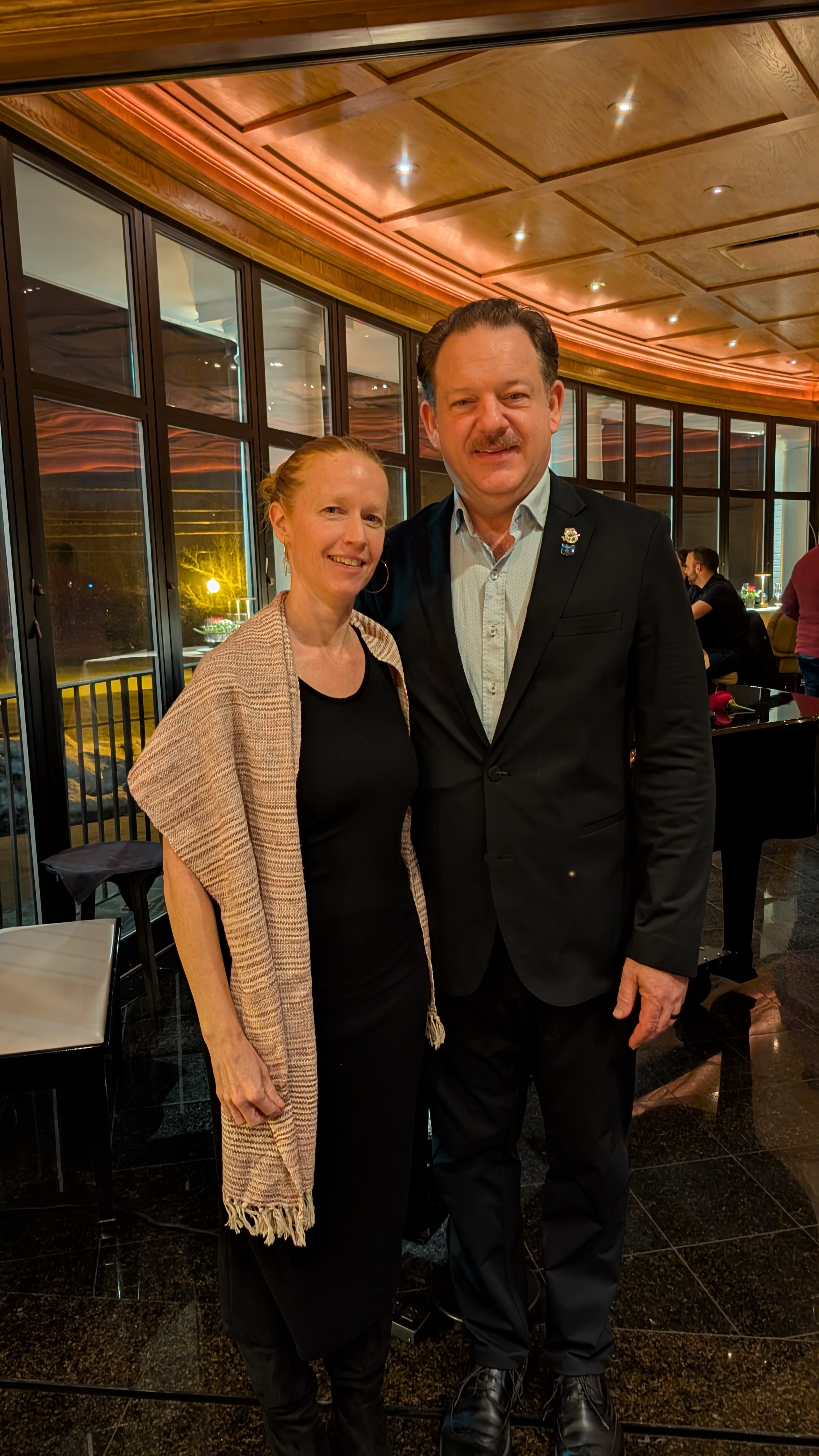
In his 26th year as an airline pilot, Dan resides in Youngstown, Ohio with his high school sweetheart Stephanie. Combined they have 5 kids (teenagers...). They enjoy travel as a family, and as a couple. Dan has had a bourbon affinity since smelling his Grandfather's JW Dant and Grapefruit soda as a kid. Dan started collecting bourbon in 2015. He has been actively involved in Martial Arts since he was a kid and has Black Belts in two different styles. Dan still plays trumpet. Originally he went to college for music at Ohio University, but after his sophomore year decided he would much rather spend 3 hours in an airplane instead of a practice room. He still helps teach high school band camps, and has assisted with 5th and 6th grade Trumpet, Low Brass, and Percussion. Dan has been a Pilot Union Representative, Contract Negotiator, Merger Specialist, and Contract Compliance Administrator for over 20 years. Dan received the President's Lifetime Achievement Volunteer Service Award in 2024.
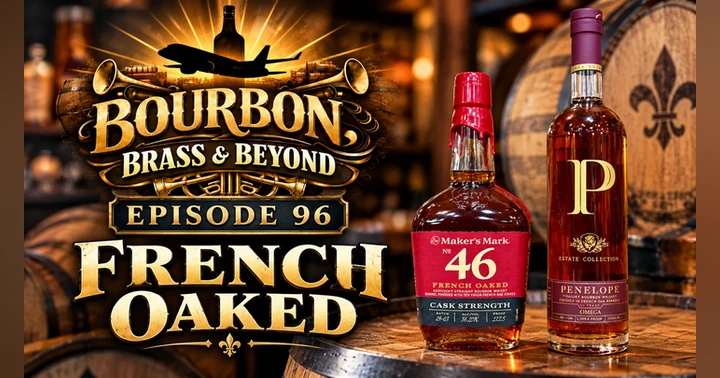
Penelope Omega 11 Year vs. Maker's Mark 46 Cask Strength: The Ultimate Breakdown