The Art of the Barrel Pick: Secrets to Selecting and Blending Exceptional Bourbon
The Art of the Barrel Pick: Secrets to Selecting and Blending Exceptional Bourbon
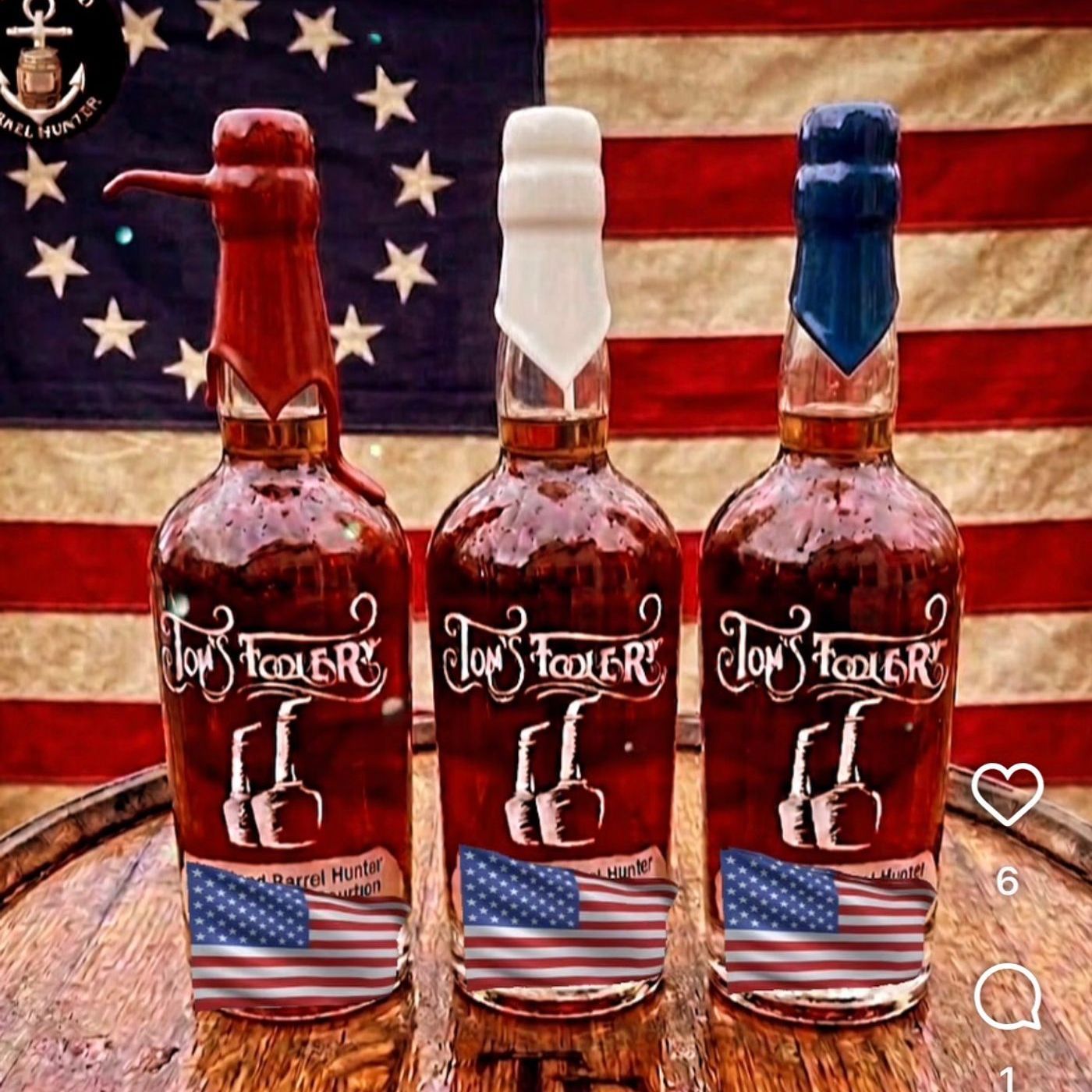
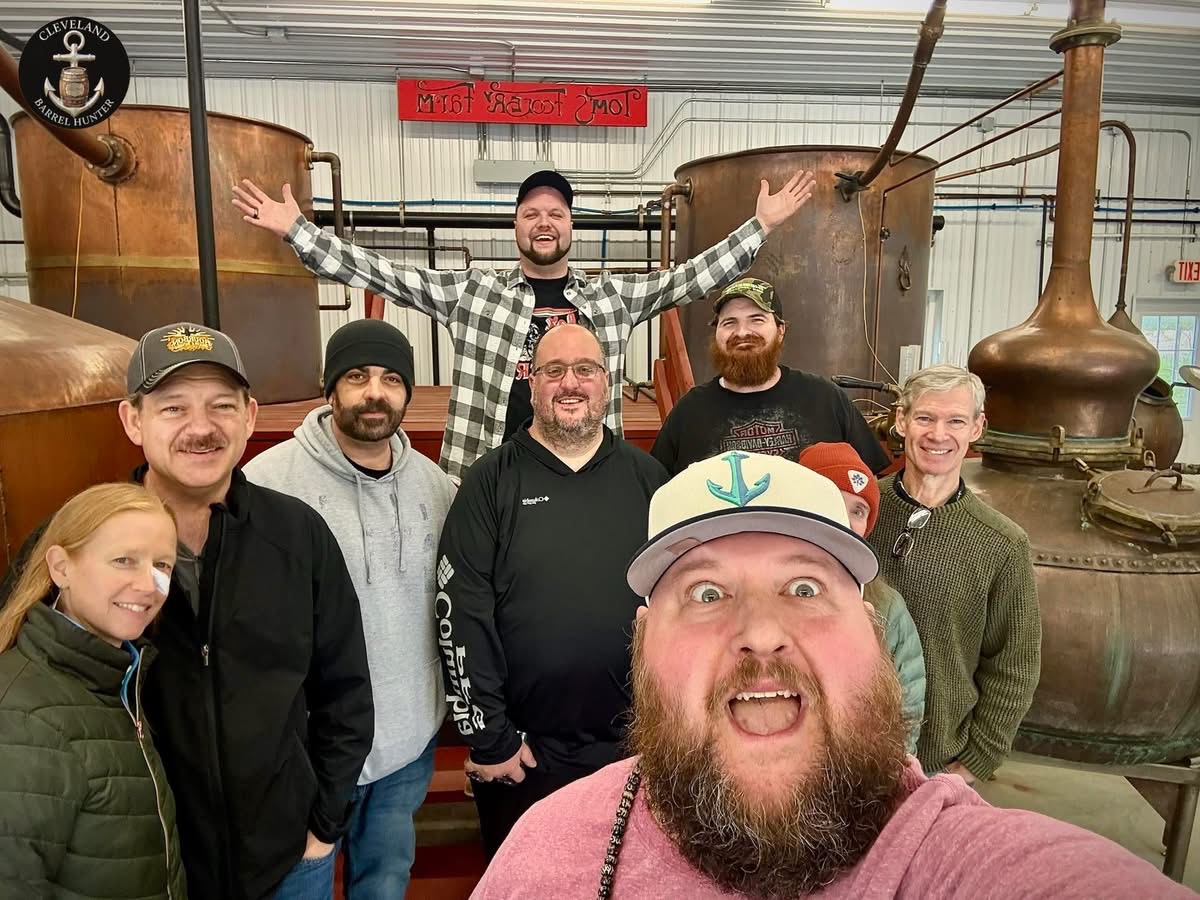
Welcome, bourbon enthusiasts, to a deep dive into a topic that truly separates the good from the absolutely unforgettable: the art of the barrel pick. In this blog post, we're going to peel back the layers of what goes into selecting those exceptional barrels that make a bourbon sing. This is a topic we explored in great detail in our latest episode, "Ohio's Hidden Gem: Tom's Foolery Distillery, Ep. 56." If you haven't had a chance to listen yet, I highly recommend you do, as it's filled with insights from distillery owners and the legendary Jason Kern of Cleveland Barrel Hunter. You can find it right here: Ohio's Hidden Gem: Tom's Foolery Distillery, Ep. 56. For those of you who are just joining us, or perhaps need a refresher, a barrel pick is more than just buying a barrel of bourbon. It's a curated experience, a journey of discovery where passionate individuals, often with a discerning palate and a deep understanding of whiskey production, select individual barrels from a distillery that they believe represent the pinnacle of that distillery's output. These picks are often bottled as single barrel expressions, meaning the entire contents of that selected barrel are bottled and sold as a unique offering, distinct from the distillery's standard blends. It’s a chance for enthusiasts and experts alike to taste a snapshot of a distillery's soul, a moment captured in time, aging within the confines of charred oak.
The Art of Selection: What Makes a Barrel Stand Out?
So, what exactly is it that makes one barrel stand out from the hundreds, or even thousands, that might be aging in a distillery's rickhouse? It's a complex interplay of factors, often subjective, but grounded in a foundational understanding of the whiskey-making process. Firstly, it's about the nose. A skilled selector can often detect incredible complexity and character just by smelling the spirit drawn from a barrel. This isn't just about pleasant aromas; it's about identifying notes that are distinct, well-integrated, and indicative of a mature and developing spirit. Think beyond simple sweetness. We're talking about layers of fruit – ripe berries, dried cherries, baked apples – intertwined with spice like cinnamon and clove, perhaps hints of vanilla, caramel, toffee, or even more nuanced notes like leather, tobacco, or dark chocolate. The intensity and harmony of these aromas are crucial. A barrel that screams with vibrant, distinct notes, without being overwhelming or muddled, is a strong contender. Next, the palate. This is where the true character of the bourbon is revealed. A great barrel pick will have a rich, full-bodied mouthfeel, coating the palate with flavor. The flavors detected on the nose should translate and evolve on the tongue. We're looking for a balance of sweet, savory, and spicy elements. The initial sweetness should be followed by a mid-palate complexity that reveals more subtle notes. A sign of a truly exceptional barrel is a finish that lingers, leaving a pleasant warmth and a lasting impression of the bourbon's character. A short, sharp finish, or one that leaves an unpleasant astringency, is a red flag. The "Kentucky hug," as it's affectionately known, refers to that satisfying, warming sensation that spreads through your chest – a hallmark of well-aged, high-proof bourbon. Beyond the sensory experience, there are other subtle indicators. The proof, or alcohol by volume (ABV), of the barrel can play a role. While not the sole determinant, a barrel that has aged to a desirable proof, either through evaporation or the distillery's distillation process, often indicates good interaction with the oak. The color of the bourbon can also be an indicator, though it's important to remember that color can be influenced by filtration and the age of the barrel. A deep, rich amber to mahogany hue is often desired, suggesting significant extraction from the wood. Finally, and perhaps most importantly, is the X-factor. This is that intangible quality, that spark that makes a bourbon truly exciting and memorable. It’s the story the bourbon tells, the character it possesses that sets it apart. It might be a unique flavor profile, an unexpected complexity, or simply an overwhelming sense of deliciousness that makes you want to pour another sip. This is where the expertise and passion of the barrel selector truly shine.
Understanding the Barrel: Char Levels and Their Impact
The vessel that holds our precious bourbon is as critical as the liquid itself. The charred oak barrel is not merely a container; it's an active participant in the aging process, imparting flavor, color, and aroma to the spirit. Understanding the different char levels is fundamental to appreciating the impact of barrel selection. When a barrel is made, the interior is charred, typically using a flame. This charring process creates a layer of porous, caramelized wood. This layer acts as a filter, removing some of the harsher congeners from the new make spirit while simultaneously releasing compounds like vanillin, lactones, and tannins that contribute to the bourbon's flavor and color. There are generally five levels of char, often referred to as "alligator char" for the pattern it creates on the wood. * Char Level 1: This is the lightest char, creating a thin, porous layer. It imparts subtle sweetness and vanilla notes, with minimal impact on color. This level might be used for shorter aging periods or for distillers looking for a very delicate influence from the oak. * Char Level 2: A step up, this char penetrates a bit deeper, developing more sweetness and vanilla. It begins to introduce some oak tannins, contributing to a slightly fuller body and a richer color. * Char Level 3: This is often considered the "standard" or a good all-around char. It provides a significant amount of sweetness, vanilla, and caramel notes, along with a good dose of oak spice. The color will be noticeably richer, and the body will be more substantial. This is a popular choice for many bourbons. * Char Level 4: Known as "alligator char," this deep char creates a very porous layer, resulting in intense caramel, toffee, and chocolate notes. It also contributes significant color and a robust, often smoky character. This level is favored for bourbons that are aged for longer periods, as it can stand up to the extended oak interaction. * Char Level 5: The deepest char, this level can sometimes verge on burning the wood. It imparts very intense, almost burnt sugar, coffee, and dark chocolate notes. It also contributes the deepest color and the most substantial body. However, if not managed carefully, it can introduce an overly bitter or smoky character. The choice of char level is a deliberate decision by the distiller, influencing the flavor profile they aim to achieve. For a barrel pick, understanding the char level can provide context for the flavors present. A barrel with a Level 3 or 4 char might be expected to have a richer, more complex flavor profile with notes of caramel and spice. A barrel with a lighter char might be selected for its delicate fruitiness or a more nuanced oak influence. The interaction between the char level, the age of the bourbon, and the environmental conditions of the aging warehouse is what creates the magic.
The Climate Factor: How Ohio's Weather Shapes Bourbon
One of the most fascinating aspects of bourbon production, especially in regions outside of Kentucky, is the influence of climate on aging. While Kentucky's climate is often lauded for its role in bourbon maturation, other regions, like Ohio, offer unique advantages. This was a key talking point in our discussion with Tom's Foolery Distillery, and it’s a concept that truly elevates the art of barrel picking. Bourbon ages in rickhouses, which are essentially warehouses designed to store barrels. The temperature fluctuations within these warehouses are crucial. In hotter weather, the bourbon expands, pushing into the wood of the barrel, absorbing more flavor and color. As the temperature cools, the bourbon contracts, drawing these extracted compounds back into the liquid. This expansion and contraction cycle is often referred to as the "breathing" of the barrel. Ohio's climate, with its distinct four seasons, offers a particularly interesting aging environment. While it may not experience the extreme heat of Kentucky summers, the colder winters play a significant role. The colder temperatures can lead to a slower, more controlled extraction of flavors from the oak. This slower aging process can result in a more nuanced and integrated flavor profile, preventing the bourbon from becoming overly woody or "hot." The cooler climate can also mean less evaporation. While some evaporation, known as the "angel's share," is inevitable and contributes to the concentration of flavors, excessive evaporation can be undesirable. Ohio's climate, particularly its colder periods, can help to mitigate the loss of spirit volume. For a barrel selector, understanding the climate of where the bourbon has aged is an important piece of the puzzle. A barrel from a colder climate might exhibit a different kind of complexity than one aged in a warmer region. It might have a smoother, more refined character, with the oak influence being more harmoniously integrated rather than dominant. This is why a barrel pick from a distillery like Tom's Foolery, aging in Ohio, can offer a unique and compelling tasting experience that stands apart from bourbons aged in more traditional bourbon-producing states. The "slower, colder, richer" aging, as we discussed on the podcast, is a testament to how regional climates can impart distinct characteristics to the final product.
Beyond the Barrel: Blending, Aging, and Stainless Steel
While the barrel is undeniably central to the bourbon's transformation, the story doesn't end there. Distillers and barrel selectors often consider other elements of the aging and finishing process that contribute to the final character of a bourbon. Blending is an art form in itself. While single barrel selections are cherished for their unique identity, sometimes the true magic lies in how different barrels are brought together. Expert blenders can take barrels with complementary flavor profiles and create a harmonious symphony of taste. This can involve blending bourbons of different ages, mash bills, or even from different production runs. The goal is to create a bourbon that is greater than the sum of its parts, offering a complexity and balance that might not be achievable from a single barrel. Our guest, Jason Kern, often speaks about his process of evaluating multiple barrels and sometimes even blending them to achieve his final selection, a testament to the collaborative nature of this craft. The duration of aging is, of course, a critical factor. Longer aging periods allow the bourbon more time to interact with the oak, developing deeper flavors and a smoother profile. However, there's a point of diminishing returns. Over-aged bourbon can become too woody, losing its fruity and sweet notes and becoming dominated by tannins. The ideal aging period is dependent on the distillery's mash bill, the barrel char, and the aging environment. For barrel picks, selectors often look for barrels that have reached a peak of maturity, where the oak influence is present but not overpowering, and the inherent character of the spirit shines through. An interesting element discussed in our podcast episode was the role of stainless steel tanks in the aging process. While traditionally bourbon ages in oak barrels, stainless steel can be used for various purposes, such as holding the distillate before it enters the barrel, or even for short-term finishing. Stainless steel is inert, meaning it doesn't impart any flavor or color. This can be beneficial for certain applications, such as allowing the spirit to "rest" or for specific finishing techniques that don't require oak interaction. While it's not a substitute for oak aging, understanding how stainless steel might be used in the production process can offer further insight into the distiller's craft and the nuanced approach to creating their spirits.
The Collaborative Process: Insights from Jason Kern and Tom's Foolery
The beauty of the barrel pick often lies in its collaborative nature. It’s a partnership between the distillery, the barrel hunter, and ultimately, the consumer. In our episode, we had the immense privilege of speaking with Jason Kern of Cleveland Barrel Hunter and the owners of Tom's Foolery Distillery, Tom and Lianne Herbruck. This conversation offered invaluable insights into how these selections come to life. Jason Kern is renowned for his discerning palate and his deep understanding of bourbon. He doesn't just taste; he analyzes, dissects, and identifies the unique qualities that make a barrel exceptional. His role is to act as an advocate for the bourbon drinker, ensuring that the barrels selected are of the highest caliber and offer a truly memorable experience. The process involves meticulous tasting, often with a team, evaluating dozens, if not hundreds, of barrels to find those few standouts. As he shared, sometimes the quality is so exceptional that multiple barrels are chosen, a rare and exciting occasion for enthusiasts. Tom and Lianne Herbruck of Tom's Foolery Distillery represent the passion and dedication of craft distillers. Their journey, rooted in family history and a love for distilling, is inspiring. They have embraced the art of barrel selection, working closely with partners like Jason to bring their unique expressions to the market. Their willingness to open their doors and share their process, from their historic stills to their aging strategies, provides a rare glimpse into the heart of a craft distillery. The podcast episode highlighted their story, from moonshine roots to modern distilling, and how they leverage their environment and their expertise to create exceptional spirits. The collaborative effort between a knowledgeable barrel hunter and a dedicated distiller is what ultimately brings these coveted barrel picks to life.
A Legacy in a Bottle: From Moonshine to Modern Distilling
The story of American whiskey is deeply intertwined with a history of ingenuity, resilience, and tradition. This narrative, from the clandestine days of moonshine to the sophisticated craft distilleries of today, is a vital part of understanding the appeal of spirits like bourbon. Tom and Lianne Herbruck's story, as we heard on the podcast, beautifully encapsulates this evolution. The roots of distilling in America are undeniably tied to illicit operations, particularly during Prohibition and the years leading up to it. Moonshiners, often using rudimentary equipment in remote locations, were the pioneers of American spirits. They learned to harness the bounty of the land – corn, rye, and barley – and transform it into a potent, life-sustaining, and sometimes profitable beverage. These early distillers developed an intuitive understanding of fermentation, distillation, and aging, often passing down their knowledge through generations. The transition from moonshine to legal distilling wasn't immediate or uniform. It involved overcoming legal hurdles, embracing new technologies, and establishing a more professionalized industry. The development of large-scale distilleries in Kentucky, for instance, played a significant role in shaping bourbon into the icon it is today. However, the spirit of innovation and the hands-on approach of the early distillers never truly disappeared. Modern craft distilleries, like Tom's Foolery, are often inspired by this legacy. They may utilize historic stills, experiment with traditional mash bills, and prioritize the artisanal aspects of production. They are, in many ways, continuing the conversation that began with those early moonshiners. The use of pot stills, which can impart more character and complexity to the spirit compared to column stills, is often a nod to this historical lineage. The careful control of "heads" and "tails" in pot still distillation, the precise cuts that define the character of the spirit, are techniques honed over centuries. When you hold a bottle from a barrel pick, you're not just holding a delicious beverage; you're holding a piece of this history. You're tasting the culmination of generations of knowledge, the dedication of distillers, and the careful selection of a discerning palate. It’s a legacy in a bottle, a connection to the past that is both tangible and deeply satisfying.
The Future of Ohio Bourbon: Innovation and Tradition
The landscape of American whiskey is constantly evolving, and Ohio is emerging as a significant player in this renaissance. The state's rich agricultural heritage, its dedication to craft beverages, and the passion of its distillers are paving the way for an exciting future for Ohio bourbon. As we heard from Tom's Foolery and discussions surrounding barrel picks in the region, there's a strong emphasis on leveraging local resources and adapting to the unique climate. This includes experimenting with different grains, exploring innovative aging techniques, and embracing the distinct characteristics that Ohio's environment imparts. The cooler climate, as discussed, offers a slower and more controlled aging process, leading to bourbons with a refined and integrated flavor profile. There's a growing appreciation for the "grain-to-glass" philosophy, where distilleries control every step of the production process, from sourcing the raw ingredients to bottling the final product. This level of transparency and dedication resonates with consumers who are seeking authentic and high-quality spirits. Furthermore, the collaborative spirit within the Ohio distilling community is fostering innovation. Distillers are sharing knowledge, supporting each other, and collectively raising the bar for the entire region. This is creating a dynamic environment where tradition and innovation go hand-in-hand. We're seeing a blend of respect for established bourbon-making principles with a willingness to push boundaries and experiment with new ideas. The future of Ohio bourbon looks incredibly bright. With distilleries like Tom's Foolery leading the charge and passionate barrel selectors like Jason Kern championing their offerings, the world will undoubtedly be discovering and appreciating the exceptional spirits emerging from the Buckeye State for years to come. The ongoing exploration of aging techniques, barrel sourcing, and the unique advantages of the local climate promises a continuous stream of exciting and noteworthy barrel picks.
Conclusion: The Enduring Appeal of the Barrel Pick
As we’ve journeyed through the intricate world of bourbon barrel selection, from the nuanced art of tasting to the scientific impact of char levels and climate, it’s clear that a barrel pick is far more than just a bottle of whiskey. It's an experience, a curated narrative, and a testament to the dedication of both the distiller and the selector. In our latest episode, "Ohio's Hidden Gem: Tom's Foolery Distillery, Ep. 56," we had the incredible opportunity to explore this very subject through the lens of a burgeoning craft distillery and a highly respected barrel hunter. The insights shared by Tom and Lianne Herbruck, alongside the expertise of Jason Kern, provided a rich tapestry of information that underscores the passion and precision involved in bringing these exceptional bourbons to our glasses. The appeal of a barrel pick lies in its singularity. Each bottle is a unique expression, a snapshot in time, reflecting the specific conditions of its aging and the discerning eye that identified its potential. It’s an invitation to taste something extraordinary, something that stands apart from the everyday. Whether it's the subtle influence of Ohio's cooler climate, the meticulous care in selecting a particular barrel, or the collaborative spirit that brings it all together, the result is a bourbon that tells a compelling story. This journey, from the distillery floor to the hands of an enthusiast, is a testament to the enduring magic of bourbon and the artistry that surrounds its creation. We hope this blog post has deepened your appreciation for the world of barrel picks and inspired you to seek out and savor these unique expressions. Until next time, keep exploring, keep tasting, and keep enjoying the incredible world of whiskey.
Pilot / Dad / Trumpeter / Contract Negotiator / Martial Artist
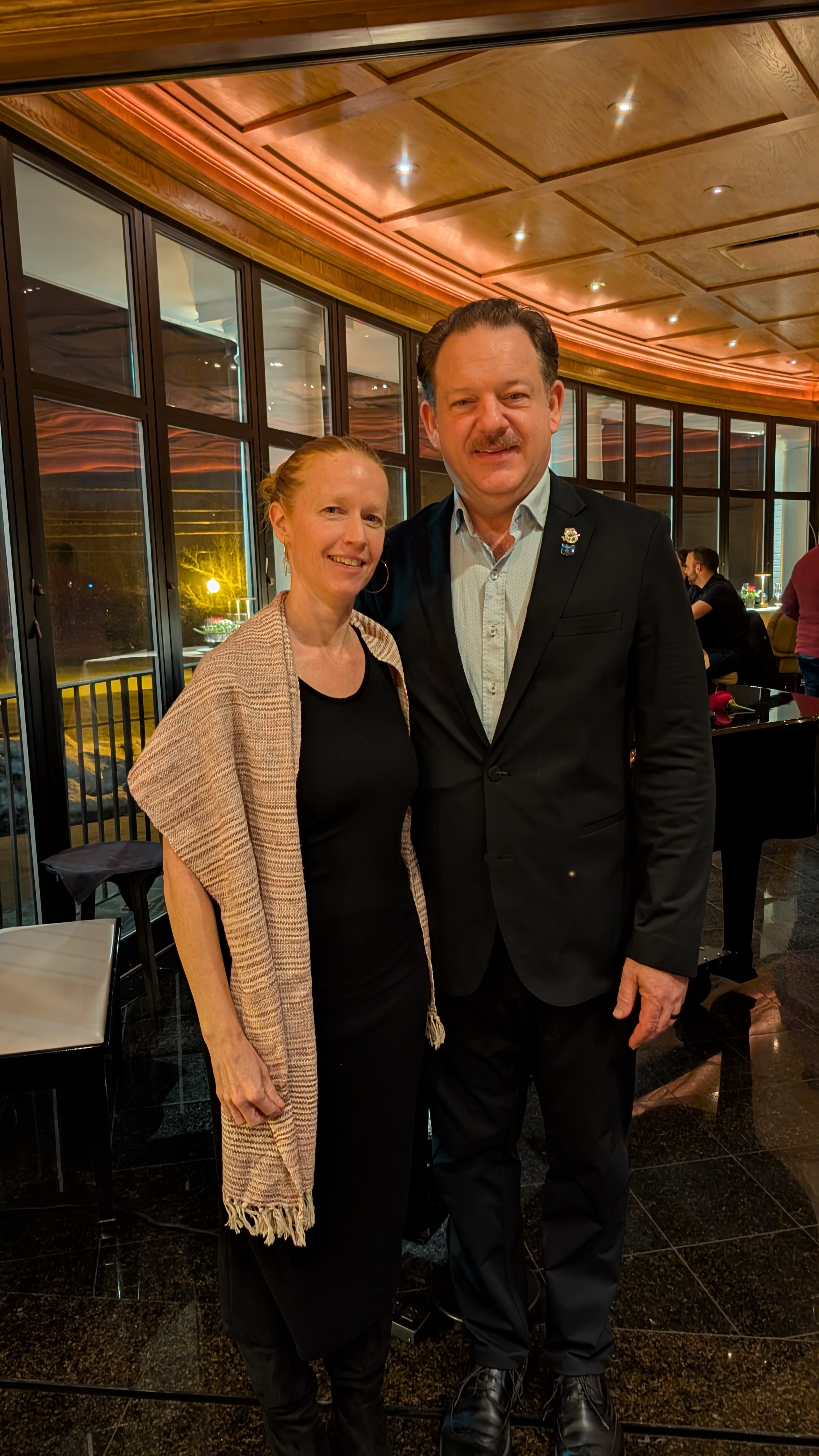
In his 26th year as an airline pilot, Dan resides in Youngstown, Ohio with his high school sweetheart Stephanie. Combined they have 5 kids (teenagers...). They enjoy travel as a family, and as a couple. Dan has had a bourbon affinity since smelling his Grandfather's JW Dant and Grapefruit soda as a kid. Dan started collecting bourbon in 2015. He has been actively involved in Martial Arts since he was a kid and has Black Belts in two different styles. Dan still plays trumpet. Originally he went to college for music at Ohio University, but after his sophomore year decided he would much rather spend 3 hours in an airplane instead of a practice room. He still helps teach high school band camps, and has assisted with 5th and 6th grade Trumpet, Low Brass, and Percussion. Dan has been a Pilot Union Representative, Contract Negotiator, Merger Specialist, and Contract Compliance Administrator for over 20 years. Dan received the President's Lifetime Achievement Volunteer Service Award in 2024.
Looking Back at 99 Episodes of Bourbon, Brass & Beyond