Beyond the Small Batch: A Deep Dive into the 1792 Lineup
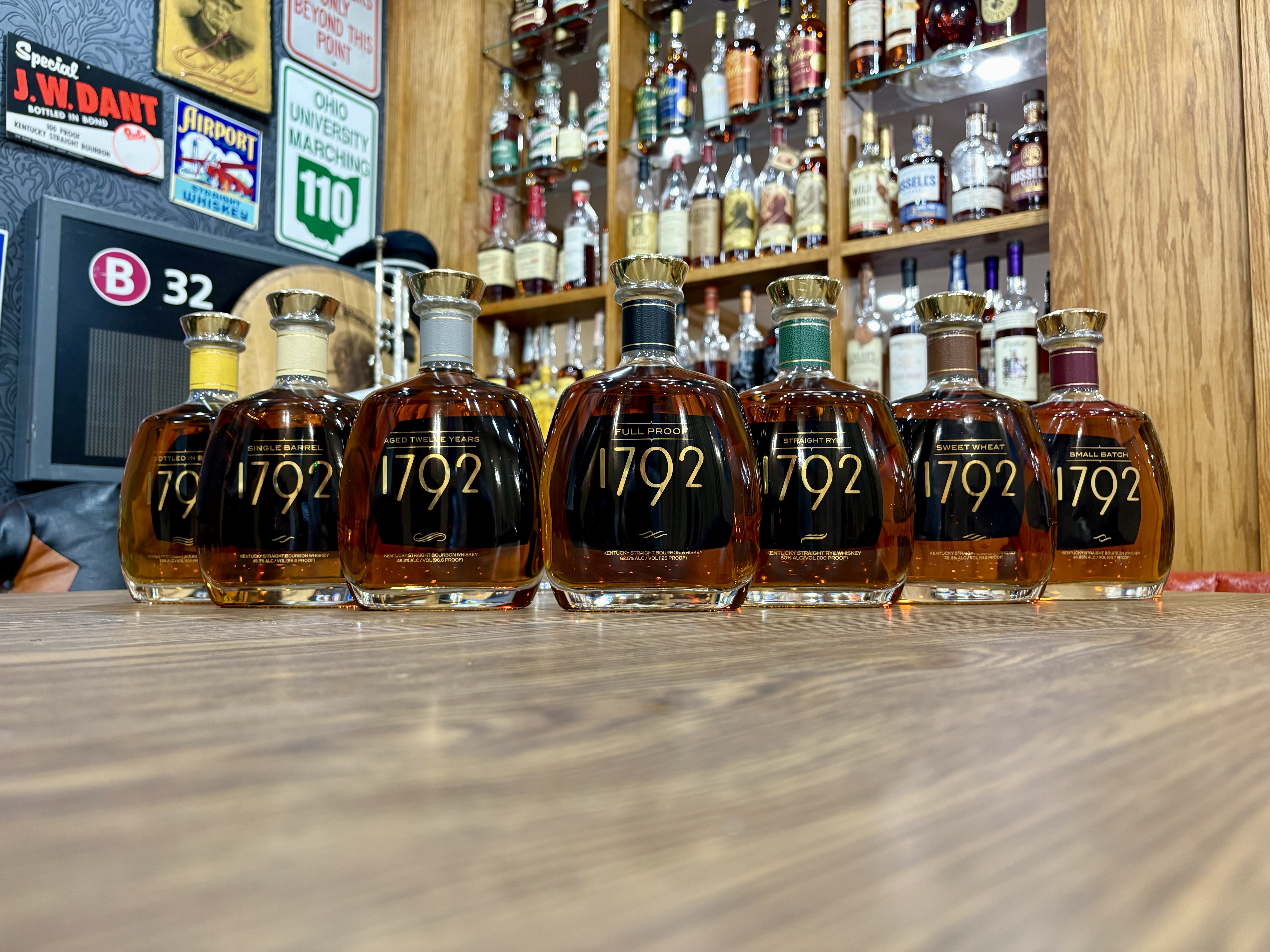
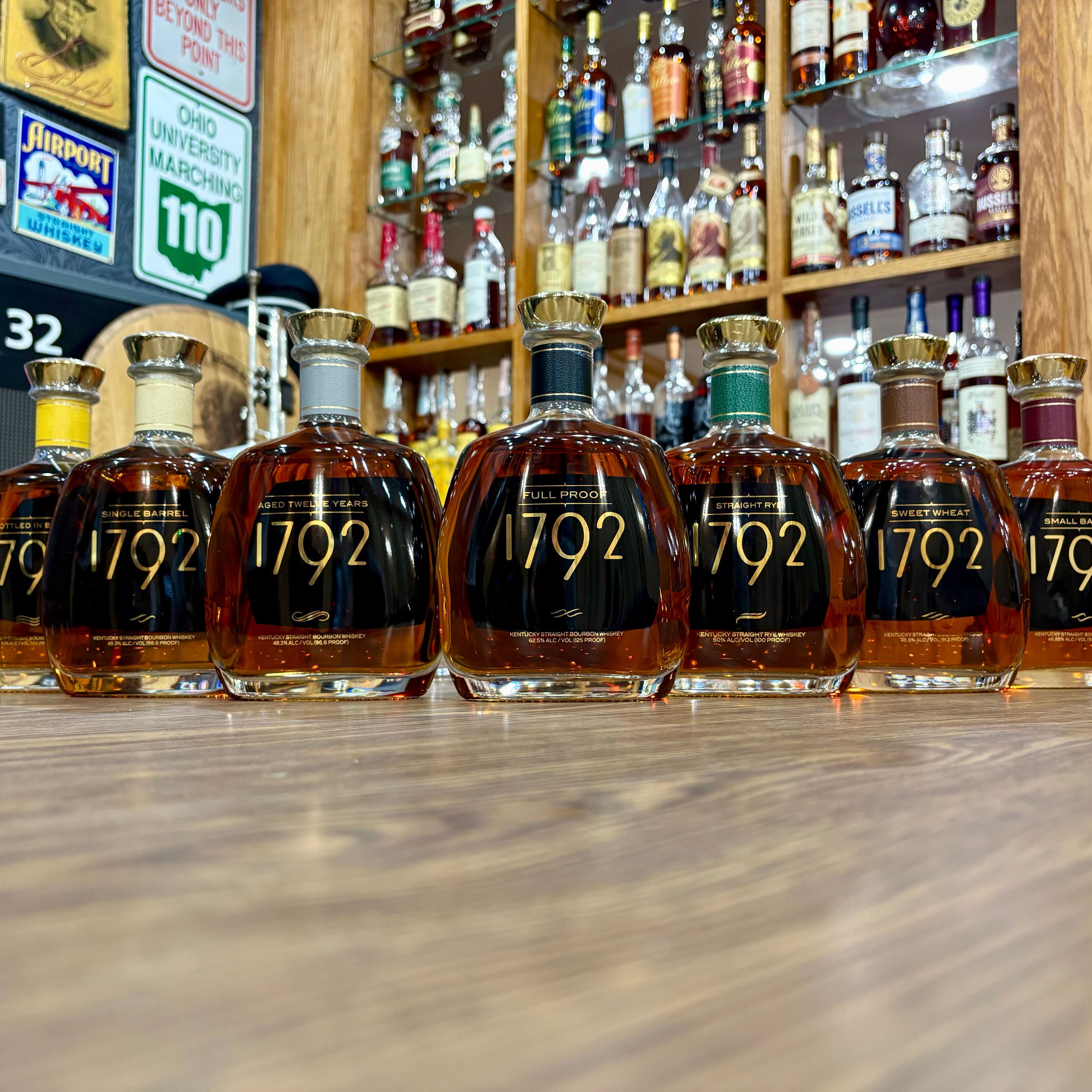
Welcome back to the blog! In our most recent episode, we took a deep dive into one of the most recognizable names on the bottom-to-middle shelf of your local liquor store: 1792. While many people are familiar with the standard Small Batch release, the range produced at the Barton 1792 Distillery in Bardstown, Kentucky, is surprisingly diverse and offers a lot more nuance than it often gets credit for. Whether you are a fan of high-rye bourbons, wheated mash bills, or straight rye whiskey, there is likely something in their portfolio that caters to your specific palate. In this post, we are going to expand on the tasting notes we discussed in 1792 Extravaganza; Ep. 69 to help you determine which bottle deserves a spot on your bar cart.
The History and Heritage of 1792 Bourbon
To understand the flavor, you have to understand the heritage. The Barton 1792 Distillery, formerly known as the Tom Moore Distillery, is one of the oldest fully-operating distilleries in Bardstown. The brand name itself is a reference to the year Kentucky became a state. Owned by the Sazerac Company, the facility has a long, storied past of producing consistent, quality spirit. What makes the 1792 line particularly interesting is the experimentation that occurs behind the scenes. While they are a major producer, they have managed to maintain a reputation for producing high-quality bourbon that manages to punch above its weight class in terms of complexity, especially when you start looking at the specialized releases beyond the standard flagship bottle.
Tasting Notes: Sweet Wheat
The Sweet Wheat is arguably the most coveted bottle in the standard 1792 range for many enthusiasts. Unlike the traditional high-rye recipe that the distillery is famous for, the Sweet Wheat utilizes a wheated mash bill. When we tasted this on the podcast, the immediate takeaway was its approachability. On the nose, you are greeted by soft vanilla, whipped cream, and a gentle floral note that feels almost like honeysuckle. On the palate, it is incredibly creamy. It coats the mouth with flavors of brown sugar, butterscotch, and a light, fruity undertone that is reminiscent of dried apricots. It lacks the aggressive spice found in the rest of the 1792 lineup, making it a perfect introduction for those who find the typical Kentucky spice profile a bit too harsh. If you prefer a smoother, sweeter dram that balances dessert-like notes with a refined finish, the Sweet Wheat is the standout choice.
Tasting Notes: The Classic Small Batch
The Small Batch is the backbone of the 1792 identity. Bottled at 93.7 proof, it strikes a middle ground that makes it highly versatile. During our tasting session, we noted that this is a quintessential Kentucky bourbon. It delivers that classic "bourbon" experience: toasted oak, caramel, and a distinct baking spice finish. It is bold but not overwhelming. The high rye content provides a lovely peppery bite on the mid-palate, which helps cut through the sweetness of the corn. It’s a workhorse of a bottle—it’s excellent for sipping neat, but it also stands up perfectly in a cocktail like a Boulevardier or a classic Old Fashioned. It is arguably the best value for money in the entire lineup, providing a consistent, reliable flavor profile that never disappoints.
Tasting Notes: The 1792 Straight Rye
Moving over to the 1792 Straight Rye, we enter a completely different flavor territory. For many bourbon drinkers, transitioning to rye can be a challenge, but the 1792 expression is designed to bridge that gap. While it certainly has the characteristic herbal and earthy notes you expect from a rye, it isn't overly aggressive or "grassy." In our episode discussion, we highlighted notes of black pepper, clove, and a slight hint of dill or mint. However, underneath that spice, there is a surprising amount of molasses and dark fruit. It doesn't have the syrupy mouthfeel of the Sweet Wheat, but it has a dry, crisp finish that cleanses the palate. It is a fantastic option if you want to explore the world of rye without diving into the intense, spicy profiles of some of the more niche craft distillers.
Comparing Profiles: Proof, Palate, and Preference
When you hold these three bottles side-by-side, the contrast in strategy becomes clear. The 1792 lineup is effectively a case study in how mash bills and proof points dictate the drinking experience. If you are someone who enjoys the sensation of heat and a long, lingering spice, the standard Small Batch is your primary destination. If you lean toward the softer, more decadent side of whiskey, the Sweet Wheat is the clear winner, as its wheated nature mellows out the profile significantly. The Straight Rye acts as the outlier, catering to those who want a dry, spicy, and complex experience that pairs exceptionally well with a cigar or a bold, bitter cocktail. Deciding between them comes down to what you are looking for in a glass at that specific moment. Do you want something to sip after a long day of work to unwind? The Sweet Wheat is your friend. Are you hosting friends and want a crowd-pleaser that works for everyone? Go with the Small Batch. Are you feeling adventurous and want to challenge your palate with something herbaceous? Reach for the Rye.
The Bourbon Community: Connecting Through the Glass
Beyond the actual liquid in the bottles, our deep dive into the 1792 range reminded us why we started this podcast in the first place: the community. Bourbon is more than just a chemical compound of water, grain, and barrel; it is a catalyst for conversation. Throughout our episode, the tasting notes led into stories about our own personal preferences, our first experiences with whiskey, and even tangential discussions about our shared hobbies outside of the liquor store. The beauty of the bourbon community is that it doesn't matter if you are drinking an entry-level Small Batch or a rare, limited-edition release; the act of sharing a pour creates an environment where people can connect on a human level. The 1792 lineup is perfect for this because it is accessible. It doesn't require a secondary market treasure hunt to find, meaning anyone can grab a bottle and invite a friend over to share the experience.
Final Thoughts: Which 1792 Bottle Is Right for You?
In summary, the 1792 portfolio is a testament to the fact that you don't need to break the bank to find high-quality, distinct whiskey. The Small Batch offers a robust, spicy, and dependable profile that serves as the perfect baseline for any home bar. The Sweet Wheat provides a luxurious, dessert-forward experience that highlights the elegance of a wheated mash bill. Finally, the Straight Rye offers a spicy, herbaceous, and crisp alternative that challenges the palate in all the right ways. I encourage you to listen to our full breakdown in 1792 Extravaganza; Ep. 69, where we go even deeper into the specific proofs and the nuances of the distillation process. Ultimately, the best bottle for you is the one that sparks the best conversation. So, grab a glass, invite a friend, and start exploring the 1792 lineup for yourself. You might just find your new daily drinker waiting for you on the shelf.
Pilot / Dad / Trumpeter / Contract Negotiator / Martial Artist
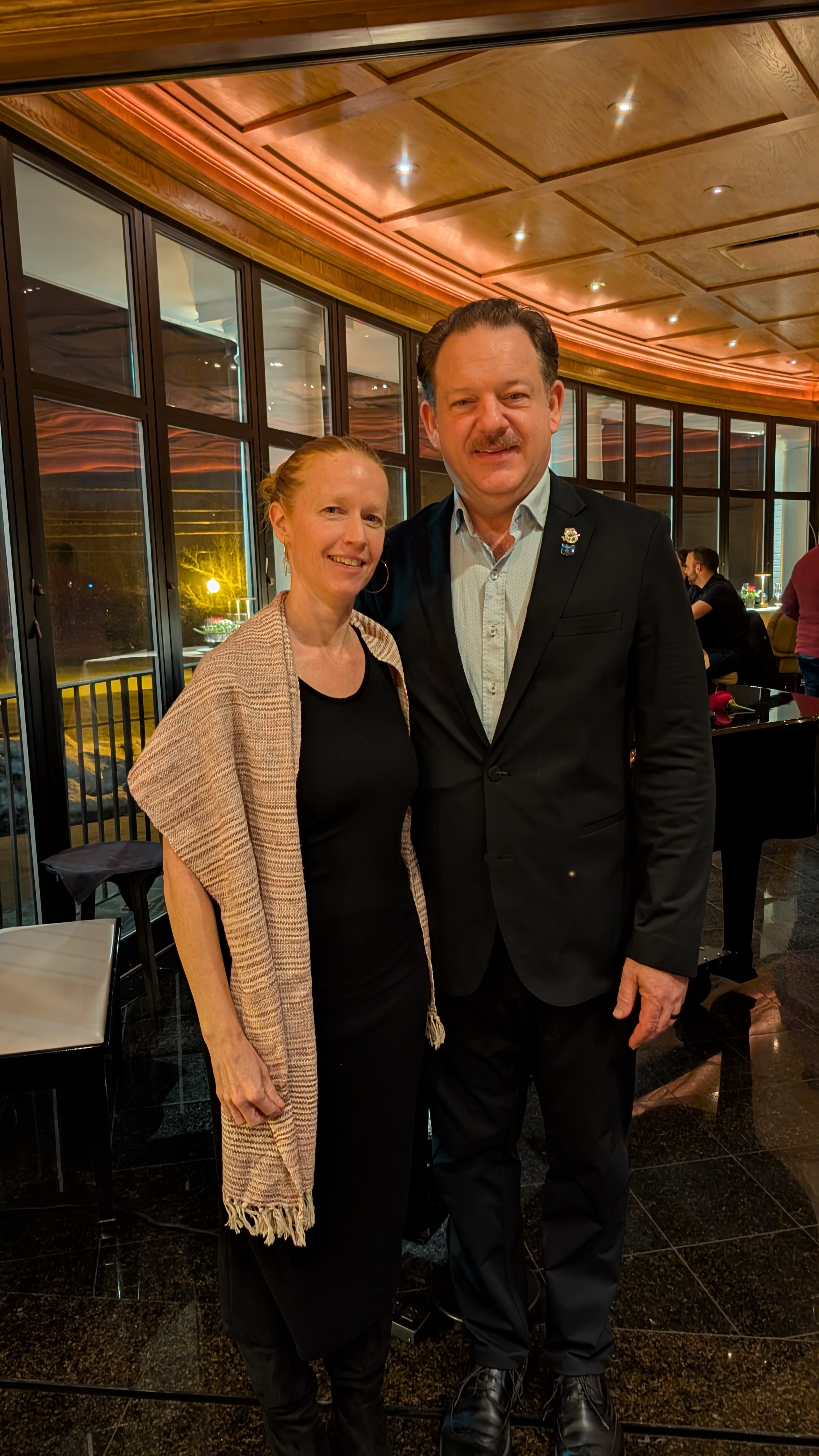
In his 26th year as an airline pilot, Dan resides in Youngstown, Ohio with his high school sweetheart Stephanie. Combined they have 5 kids (teenagers...). They enjoy travel as a family, and as a couple. Dan has had a bourbon affinity since smelling his Grandfather's JW Dant and Grapefruit soda as a kid. Dan started collecting bourbon in 2015. He has been actively involved in Martial Arts since he was a kid and has Black Belts in two different styles. Dan still plays trumpet. Originally he went to college for music at Ohio University, but after his sophomore year decided he would much rather spend 3 hours in an airplane instead of a practice room. He still helps teach high school band camps, and has assisted with 5th and 6th grade Trumpet, Low Brass, and Percussion. Dan has been a Pilot Union Representative, Contract Negotiator, Merger Specialist, and Contract Compliance Administrator for over 20 years. Dan received the President's Lifetime Achievement Volunteer Service Award in 2024.
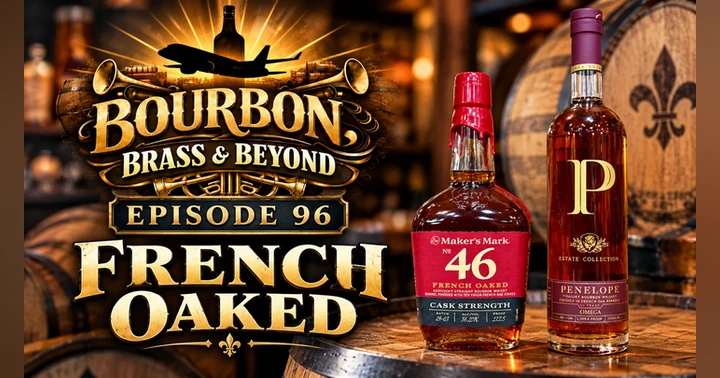
Penelope Omega 11 Year vs. Maker's Mark 46 Cask Strength: The Ultimate Breakdown