Ohio's Hidden Gem: Tom's Foolery Distillery, Ep. 56 #bourbon #whiskey #podcast #barrelpick
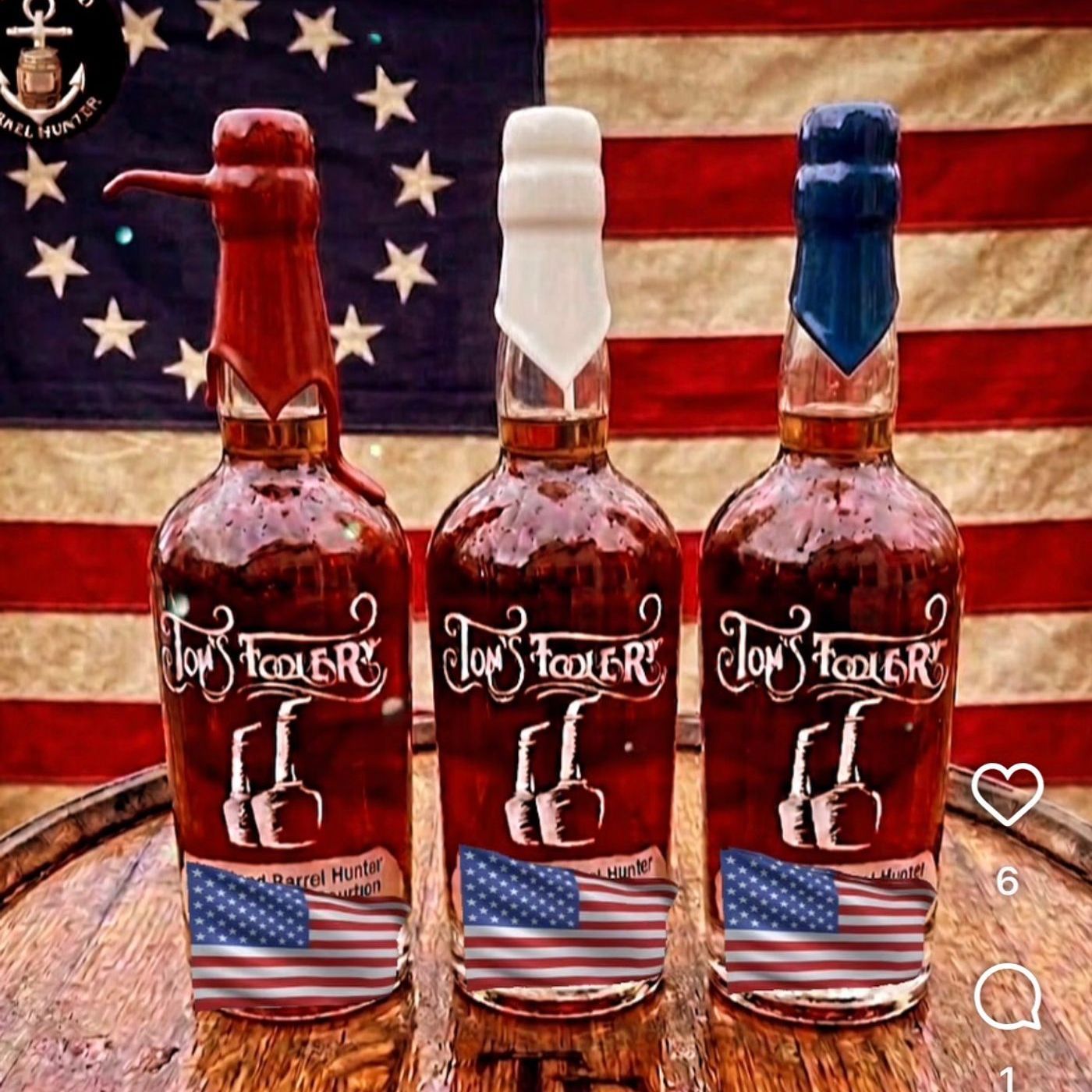
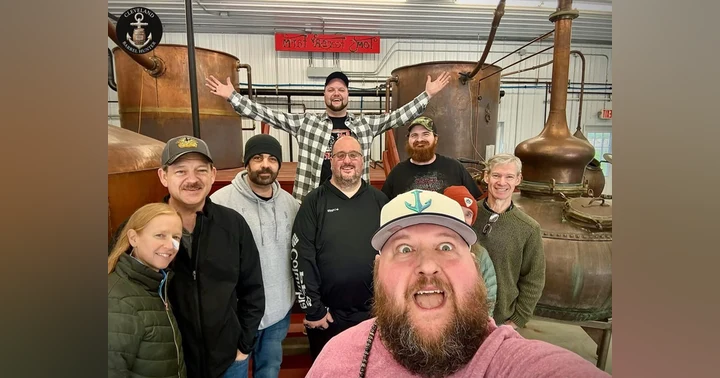
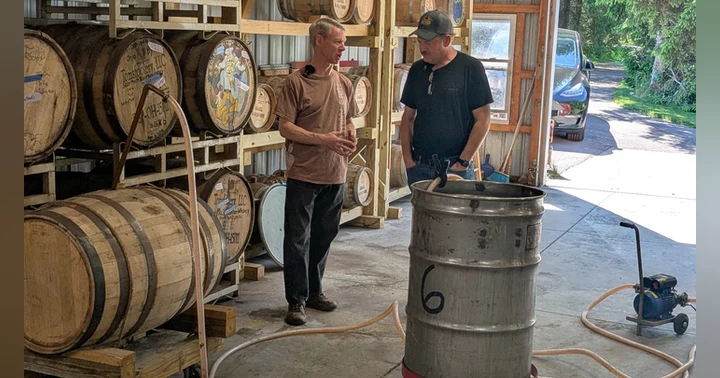
A barrel pick you will not forget! Tonight Jason Kerns, from Cleveland Barrel Hunter announces his latest barrel pick(s). That's right, multiple. Because multiple were that good! We were invited along, and Bourbon, Brass & Beyond went to talk with the owners! So, get ready to dive deep into the wild world of bourbon, rye, and all things distillery with Tom and Lianne Herbruck from Tom's Foolery, seasoned pros with a story that spans moonshine roots, historic stills, and that oh-so-American craft spirit. Pour a glass, because this isn’t just talk—it's bourbon history served neat.


A barrel pick you will not forget! Tonight Jason Kerns, from Cleveland Barrel Hunter announces his latest barrel pick(s). That's right, multiple. Because multiple were that good! We were invited along, and Bourbon, Brass & Beyond went to talk with the owners! So, get ready to dive deep into the wild world of bourbon, rye, and all things distillery with Tom and Lianne Herbruck from Tom's Foolery, seasoned pros with a story that spans moonshine roots, historic stills, and that oh-so-American craft spirit. Pour a glass, because this isn’t just talk—it's bourbon history served neat.
In this episode:
- The eerie charm of pot stills vs. column stills and why bourbon's old school is still cool
- The secret science of rye's earthiness, bubblegum notes, and spice level control
- How Ohio's colder climate turns aging into an art form
- The unique journey of old Michter’s stills, Scottish advice, and family bourbon legends
- Tips on barrel blending, aging, and the mystical virtues of stainless steel tanks
- Inside stories of sourcing barrels, making apple brandy, and Ohio whiskey's renaissance
Timestamps:
00:00 - Ohio bourbon roots, pot still vs. column still, and why old-school stills matter 00:56 - Distilling science: acidity, copper etching, and the secrets behind craft mash bills 01:46 - Rye on the scene: earthy, spicy, and bubblegum tasting notes 02:57 - How climate influences Ohio aging—slower, colder, richer 04:10 - The historic journey of Michter's stills, family legacy in bourbon, and Scottish advice 07:23 - Blending barrels: the magic of creating unique bourbons and the value of stainless steel 10:08 - How to select barrels for aging in Ohio’s climate, and the importance of craft malt 14:38 - What makes a bourbon or rye unique: flavor nuances, proof, and "Kentucky hug" 21:16 - The collaborative barrel pick experience and blending secrets 26:04 - Early Ohio whiskey boom, family stories, and the timeless craft of distilling 33:50 - Copper, cuts, and the art behind managing heads and tails in pot still distillation 40:20 - The journey from moonshine to modern craft, and Ohio's role in historic whiskey 45:20 - Future of Ohio bourbon: aging, barrels, climate, and local sourcing 55:56 - How to start your own tiny distillery, the importance of family tradition, and the artisanal spirit
Resources & Links:
Tom's Foolery Distillery - https://www.tomsfoolery.com
Bourbon, Brass & Beyond - https://www.bourbonbrassandbeyond.com
Cleveland Barrel Hunter - https://www.facebook.com/ClevelandBarrelHunter
Additional Tips & Stories:
- Why the depth of barrel charring makes or breaks bourbon
- The fascinating science behind fermentation and still cuts
- Ohio's secret barrel blending techniques that keep your whiskey fresh and flavorful
- Family tales from moonshine to modern distilling, plus why a good copper still is worth its weight in gold
Keywords:
#bourbon #whiskey #podcast #tomsfoolery #bourbontasting #michters #jimbeam #rye #caskstrength #singlebarrel #barrelpick #bourbonbrassandbeyond #clevelandbarrelhunter #woodfordreserve #mgp #potstill #moonshine #malt #applejack #brandy #graintoglass #whiskeytasting #bourbonlovers #america250 #redwhiteblue #independenceday
Daniel AI: A very special thank you to Tom and Lianne Herbruck from Tom's Foolery Distillery. They were so warm and genuine and very understanding when I had some technical issues. We love the experience and encourage everyone to go see them and their distillery. Thank you to Kearns Cleveland Barrel for us on the barrel picks. Barrel announcement is underway. Welcome to Bourbon Brass and Beyond. We are excited to interview Tom and Lianne Herbruck from Tom's Foolery Distillery. We also accompanied Jason Kearns from Cleveland Barrel Hunter to do a barrel pick or two. Better get on the list because this is fantastic. Sit back, relax, and enjoy the flight. We are now going to the video we took of the barrel picks and discussion about the bourbons. We will come back to the Herbrucks right after. Jason decided Cleveland Barrel Hunter was doing a three bottle America's two hundred and fiftieth offering, barrel one, barrel two, and a blend of both. Now let's go back and finish our conversation with Tom and Lianne and taste some more bourbon.
Daniel: Why don't I start with a couple high level details? And then from there you can kinda work our way down. Yeah. So â you've got â four bourbons here, right? we â distilled all these hotels â with corn that we grow. So this is our farm here.
Dan and Bob: Well, good afternoon. Good afternoon. Welcome to the Bourbon Brass and Beyond Podcast. I'm excited. I'm here at Tom's Foolery Distillery with Tom and Lianne Herbruck. Did I say that right? Perfect. â this a follow-up because we did with â Jason Kerns and Cleveland Barrel Hunter, did a barrel pick a couple weeks ago.
Daniel: Yeah, you can. So this is, you know, all our stuff. â these right here behind you are are, this is our stills, and these are pot stills. Any of you guys are familiar with pot distillation versus column distillation. Yeah, so pot distillation is the way all whiskey was made in America back back before 1850, we'll say, really before 1870. So to the degree that was bourbon back in the day, it would have come off of stills like this. And â pot distillation is really not done.
Daniel AI: Get these before they are gone. You can find Cleveland Barrel Hunter on Facebook and Instagram. You can find Bourbon, Brass, and Beyond on YouTube, Spotify, Apple Podcasts, or BourbonBrassandBeyond.com. Please like, subscribe, follow, and leave a review.
Dan and Bob: And so we'll we'll put some video of that in the podcast. And â just to up and talk to you about your distillery. Yeah, yeah, thanks for coming up. Yeah, thanks for having us. and I I guess start off we did pour a little rye or bourbon high. â Rye. So you like the I like the rye. â
Daniel: scale in America because we had Prohibition and then we had the Industrial Revolution and so almost all bourbon people taste is colony still. And â is anybody ever talking about the difference of what you'll get from a pot still versus a column still? I I'm â very well versed in balcones okay so I I don't know about everybody else but I pot still for years. Yeah, yeah okay. So balcones â chip tape â although I used it done there any
Dan and Bob: What do you like about the rye? â I like the mouthfeel and just the flavor. It's a big and considering when I met Tom, I was a bad pink wine drinker. Nice. So I'm I'm bourbon. I think I I'm the type that Sometimes the pepper gets to me. it has to be real flavorful to kinda balance out the pepper Yep. â but I don't even like regular peppers. So maybe it's just sensitive to me. Maybe it's that. â Yeah. â Yeah. Cheers. â That great. So we came up, â mm
Daniel: the guy who started great the the story great products and he yeah he's particularly clever with what he's done and â but â not all pots of the bourbon is good and â Stillers have a hard time is because bourbon is very acidic, sour mash, right? It's sour, a lot of acidity, and that etches the copper, and sometimes that'll come through in the crop. Correct. And there's ways to mitigate that, which Valumas knows how to do, we know how to do, and others are figuring out. Down in Woodford, interestingly enough, when they decided to start making bourbon in a pot still, they decided hey, we're gonna buy stills from Scotland because they know they build.
Dan and Bob: We tasted through barrels. two were a little younger than the two older barrels. and then did a rye as well. And â we ended up picking barrels that were both really nice. We we all really enjoyed it and then â
Daniel: skip stills there, but they really â struggled because they were using a Scottish whiskey formula, which is â not quite as acidic and it made the bourbon â haste coppery and so the Scots â advised hey you need a third still which made the problem worse yeah yeah add copper to copper add copper to copper but anyway I think they've since figured it out so yeah so you have four bourbons here all hot to still all aged by us
Dan and Bob: â Jason decided he wanted to blend those to get that. So the picks actually come out, there gonna be three bottles. And â â ac pretty exciting. And then we're doing the â for the of America, going to â all three bottles different colors. And it's exciting. This is the first pick I've been involved in. â yeah. â And â so to to go through that process
Daniel: The ages, â you want to know anything about the ages? I don't. Ages of proof, no. Okay. â mash bills generally like generally mash bills, yeah. Yeah, generally, so without going into detail, generally
Dan and Bob: â was nice â we do appreciate that. I I think the videos show as well that it's a d interesting dynamic when you get a bunch of people around the table, all with different opinions. Yeah. but makes it fun. It makes it fun. And I for me the best part of it is talking about it. You know, that I think Steph probably a little
Daniel: Standard bash bill, sixty percent corn, twenty percent malt, twenty percent rye. Okay. So high rye, high malt. And a high malt bourbon is really unusual, right? So it it will give it a slightly different flavor. It's gonna taste different than other bourbons because it's made out of potto. It'll taste different than other bourbons because it's aged in a colder plant.
Dan and Bob: tired of me just talking to her about it. So it gives me somebody to to talk to while Yeah. Yeah. We can talk to us about whiskey all day. Well I appreciate that. How long have you been here distilling? we got the permit in two thousand and eight. Okay. And at the time we got the permit
Daniel: So I heard you originally had the Micter's pot still here? Yeah, yep. Okay, so that wasn't a room very yeah so we ended
Dan and Bob: â we were the first â the second distillery in Ohio â since Prohibition to â to be issued a permit. Paramount was operating, â bottling some â vodka and stuff, but really there was only one other distillery.
Daniel: We were just gonna make apple brandy. if he knows anybody selling some stills and he said you know the beam family down â in Bardstown â took bought â the small micro distillery out of the original Mickters from Beaverstown. What's that? And he really didn't know anything about Micters. Yeah exactly. Yeah so well it's a combination of his two kids, right? Michael Peters. Yes Michael Yeah yep. Yeah. â
Dan and Bob: And â since â in that year â I think Watershed, Cleveland Whiskey, Middle West also got their permits shortly after us. â So we were one of the early ones. â I think nationwide there were only sixty craft distilleries when we started. Wow. Now what what led you â into a distillery? What what was your Yeah. â
Daniel: Anyway, so the Beams had bought the stills out of Mickters when they went bankrupt in â well they went bankrupt in about ninety one and then they â went to auction in about ninety six and the beams have been h holding on to it since then. Well and they sold it to us what Lee in around two thousand ten, two thousand eleven. And
Dan and Bob: well we were trying to â get a permit to to operate a still that we already had â legally is what it came down to. So when I I grew up on a a small vineyard And â used to make â sweet cider. â we had apple trees as well ferment that. And at the young age of fifteen â I was figured out how to take an old prohibition still that we had kicking around and run that in the woods and â I thought was pretty cool. And it was it was about the craft back then. â be â because it was just amazing to me. You could â take an off the ground and turn it into brandy and my friends thought was cool that I had booze, so it became
Daniel: came up and taught us how so by the beams, I mean David Beam, â Baker Beam gave us formulas. You guys have heard of Bakers, yeah. â Bill, John Ed, â Troy Bean â â their grandson Ben who works at Michter's now. â some of those eight year Baker sevens are I think the best one of the best incredible. I love I love that bourbon. â So what kind questions do you guys have for us as we're, you know, we'll keep talking, but any any other questions about the product or our history? What's the barrel entry proof? Yeah, so â traditionally our barrel entry proof is 108. But we will change that from time to time. So some would have gone and hit 120, and â but generally â 108s are â ninety.
Dan and Bob: of a thing. But you know, a and and I was always interested in the craft and Lianne and I met in college in nineteen ninety one. â I know, honey, was it our first or second date? We went and bought a a fifty gallon moonshine still out of a barn in New York. That's true. So â so had that still and we had an interest and we had four kids and we didn't want to be moonshiners â as â responsible citizens. â we applied for a permit. And our surprise, â Lianne's really good at paperwork and she managed to usher us through a process. And â there we with a barn and a still and a permit and we had to figure out how to turn it into a business. So it was stumbling into â having a distillery.
Daniel: These were the the Michters stills were there. okay. They were sitting back where at our house. This in our backyard. â so they never I think with all that hard red it'd be like a â makers of â right. Those cool. Yeah, but they're down at the Fort Nelson, the Michters Nelson district. And so Ben Beam, grandson, came and interned us and ran these stills and I he's running them down there.
Dan and Bob: â it really is what happened. It was all about apple brandy at that time. That's that was our one plan was to make apple brandy, apple jack as it was traditionally called. But â quickly moved into bourbon. I I a lot of things quickly move into bourbon. Yeah. Now where did you which college you guys go to? â Hamilton College central New York. Okay. Well excellent. The the first time I had heard about
Daniel: David he died, but I think he would be pretty proud to know it came full circle back to his grandson. That's awesome. And what year were those from? You know? â yeah, 1976. â okay. Yeah, so they were they were they weren't I mean they were original to the original Micters, but they're not like two on the year. Yeah, yeah, yeah. They were built by Van Down. And we loved having them. But they did run it, â the the whiskey did come off.
Dan and Bob: moonshining, my my grandfather, family was from the hills of North Lincoln County area. And th would go down and spend the summer and his uncle was a moonshiner. And would make him go down to the still every day, because they had a log still and get a quart and bring them back to him. And he also made fiddles. Wow. that that was â and I actually have one of the original fiddles that was given to my grandfather when he was five years old. but the first time I'd I'd heard about moonshining and stilling.
Daniel: â 160. Holy shit. Which nowadays it's people that search for that type of right? The new the thirty one year old spits a well in Yeah, not a barrel, yeah. I legal in the back. Right, yeah. You it. Unless you want to go blind, you gotta unless you want to not call it burp. Yeah, yeah, and proof down to one twenty five, right? Exactly. Okay. It's bonded, so it's a hundred proof. But here's an interesting thing. Have you guys heard of destillation proof coming the still? Right? â and people will say, Hey, ours comes off the still at a hundred and thirty proof.
Dan and Bob: My grandpa had seven daughters. I was the first boy in the family and the first grandkid. So I got to hear all the stories that he wanted to, you know, cure the guy. just over ice cream sitting in a in a parking lot eating ice cream, you you would start telling me these stories. But from the time was â was working on an old that
Daniel: flavorful and the guy who says it comes off at 160, more alcohol, less stuff, less flavorful. It doesn't really work that way. â because when you when you run a column still, they're steam run. So water is being injected in and it's being diluted when it comes off. So a hundred and sixty proof bourbon from a pot still could actually be more flavorful than a hundred and thirty-five proof bourbon off of a column still because the water hasn't been added yet. That makes sense? Yeah, yeah, totally understand that. Yeah. But it's it's something that's not widely understood because we have a position. You know, who cares that much? But â other than us bourbon geeks.
Dan and Bob: would run on alcohol and but it would start on gasoline. And they made a lot of tractors like that back then. Yeah. And and I started asking why and all all the old farmers said, well it's because can always make tractor fuel. There you go. â was not against the law. So people that were moonshining, if they got caught, but if they had a farm, â just making tractor fuel. Yeah. And some of them probably were. Well they would they would use it as both, â multipurpose. Yeah. â that's how they get around it. Yeah. so don't I I I like the story of how you got in it because I think that's how a lot of farmers got it. â Yeah, it was really â practical. You know, we had a still, we had a barn. â I had â tried to apply for a permit â several times previous, but
Daniel: You guys have two you guys have you you you guys have you guys have four very different programs. Yeah. I mean all made by us, you know, with love and craft and stuff, but I made a point to get Yeah. I don't know which is â in the containers, â in your glasses there like with without looking here.
Dan and Bob: At the young age of fifteen I couldn't drive, couldn't drink and had no money. And it was it was â there were some I couldn't â surmount. but yeah, once we started making apple brandy, â in our little fifty gallon prohibition still
Daniel: And then there's one that should be notably different than all four. That's the wrong. â
Dan and Bob: â we were having fun, but that is a really small batch. and so we started looking trying to find out if there were any used distilling equipment around. I think that was around two thousand eleven or so. I â think two ten, two thousand eleven. And â might have heard of Chuck Cowdery, he's a writer in Chicago, wrote Bourbon Strait. and â we had out to see us and I'd exchanged some messages with him and â
Daniel: So Lianne, tell them where the name came from. Well, Tom wanted to â call it, what did you want to call it? Ohio Distilling Company. Ohio Distilling Company. And I was like, boring. So when we started, you know, he was out fooling around. He did not like it for about five years. The name? Yeah. I didn't think it sounded like a bourbon. Like a brand? He thought people wouldn't take it seriously. What the heck did I know? Yeah, right. I just wanted to put good bourbon in a bottle. Yeah. That's usually the focus of somebody that starts something like that. Yeah. Call it chicken piss. I want to know what's in the bottle. Yeah. But it turned out to be a really good name.
Dan and Bob: asked him if he knew of anybody selling used distilling equipment. And you know, that was really before the craft distillery boomed, so there there wasn't anybody going out of business or selling equipment. Chuck said he â did know of some equipment that was that might be for sale. it was the old â Michter's â jug house that had been â taken out of the Schaeferstown, the original Mickters distillery. Yeah. Went bankrupt â nineteen â ninety one, I think. And in ninety six,
Daniel: It obvio it's extremely recognizable for locals too, which yeah. I mean we're big I'm a Cleveland through and through, so so anything local we try to support and you know we're two borough groups, you know, big local groups.
Dan and Bob: David Beam from the Jim Beam family, David Beam and â Baker Beam, and â David's three three sons and â grandson went up there and they they liked the equipment so much they they bought it themselves, â paid cash for it and took it back to Bardstown where they â set it up planning to â start little craft distillery.
Daniel: Same side of the town, but we got different people and we deal with different people locally and on you know we're both really tight with the guys at River Roots. I'm good friends with Tom and Ryan, the owners. So yeah. Anyone locally and we try to even go down to Columbus and Leather and Oak with Steve and yeah. Anywhere we can try and you know, Ohio and obviously Cleveland area based. Yeah. Well we do a similar thing. I think the only thing we source out of the state is the molts. â and like even our apples when we source them, they come from a a farmer in Elyria. So our packaging is all
Dan and Bob: The equipment now is in the Fort Nelson distillery of the Michters Chuck said, â Tom, I think the Beams this equipment, they might want to sell it. And he put me in in touch with a guy by name of John Ed Beam, that's David Beam's
Daniel: local. I we have to bring the bottles in, but all of our design is done at a local company, so our boxes are made local. So I mean we try and do everything our labels are made local. So bourbon's made locally board, grow the rye. so yeah we are kinda I totally get you.
Dan and Bob: In I didn't really know you could pick up the phone and call somebody with the last name beam, but it turns out there's a lot of them in Kentucky. â they many of them have stills. But anyway, John Ed you it kind of struck a a price with me and and said, Tom, why don't you come down and and you know and and buy And I knew what they you know, this is the the original Michters equipment â built by Vendome. It was built in nineteen seventy six, so it's not like it was two hundred years old. But you know, we could see about it 'cause it was somewhat story. Equipment. There's two pot stills, a â 500-gallon and a hundred-gallon â pot still, wooden fermenters, â the heads and tails tanks, all that kind of stuff. â yeah, so we â struck a deal and I went down there and â met â John Ed Beam and â Bill Beam and â Troy and â David Beam and â they liked me and I liked them and I think David shook my hand and said he'd sell it to me at what we thought was an agreeable price as long as he could help me set it up.
Daniel: So all four bourbons true to their sour mash, right? Sour mash technique. there's an another term that â like you guys know when you make whiskey bourbon, â you have three primary ingredients. And back in the day, you needed those three ingredients to make it work. Nowadays, people
Dan and Bob: And make bourbon using the traditional, you know, pre 1900s techniques and formulas and process. And I had never made bourbon. So here was some â whiskey making equipment coming from whiskey making folks, â it pretty much â gave me a gave me a formula. Right from there it was pretty easy. Yeah. It's like use that equipment to make that product. And the became clear. And that's
Daniel: Yeah. enzymes that came naturally in the grain Okay. So we call that the the endogenous enzymes. â so it's to to a bourbon geek it's kind of cool. Like okay all the the grain actually produced the flavor. â So it's just grain
Dan and Bob: You can't ask for a better education than that. Well, that was a really good education, but I'll tell you there was one other thing â that I stumbled into and that is on the on the way back from visiting the Beams, I I had â Lianne's car full of fraction tanks and as much as we could f I could fit in it. And David had told me, â Beam had said, Hey call, see if you can get a hold of Dick Stall.
Daniel: It's smooth. I'm not getting there's like no Kentucky hug and there's no No. Kentucky hug is a term I'm not familiar with. â like proof that kinda hits you down and you'll you'll ride it all the way down, you kinda have to wait till that dissipates to get the back profile, the back palette, and okay see what lingers. You feel it in the chest and okay. Yeah, the old Kentucky hug. Yeah, and you can drain something. It it may be the the the proof of these â strength expressions, you know, â are is a little
Dan and Bob: Dick Stolles, the master distiller who worked at Schaeferstown and used to run this equipment. â this is before you could use your â cell phone to â you know, look something up. And so I I dialed information and got a hold of â the â Schaeferstown, know, operator or whatever, and she's like, Yeah, I'll put you through to Dick Stohl and He picked up the phone to the right and â nicest gentleman in the world and he just remembered to the right everything about it. You know, and he wanted to chat and give me the temperatures and pHs and when to tell you and how find â middle and everything. I had about nine pages. I had to pull my car over and write stuff down. â anyway. â
Daniel: little lower, so you might get some Kentucky barrels that are up. My wheelhouse is like one twelve to one twenty five, so Okay, well there's I I heard a few of those and that range so that's what I love. Slightly below that by a couple of points, but no. And I was a brand ambassador for Pursuit Spirits, so I worked for those guys and they were one â eight. That was their trademark. Okay. So
Dan and Bob: Dick and I â became friends as as well as â with his â with his Dick's wife â Elaine and â they hopped in the car and came out here and the very first time we ran the still, â Dick Stoll helped us â run it. That's awesome. So you can ask for a little bit more. I we we got really lucky. You know, David Beam has since passed, so rest in peace. Dick Stoll has since passed, so you know, rest in peace for him as well. â but it was really it was great for us to have that to get to make those connections and get that information. So I've interviewed Wally Dant a couple times now. And â we've a of talking offline and really really like him. â But â he was telling the story that the reason like the Dants the there were so many of them is all came from Maryland. There was it was â
Daniel: Most quiet I've ever heard you. You okay? Yeah. No. I'm just trying to continue myself. This is my name. â
Dan and Bob: It was actually a a Catholic movement. They were all in the same church. They all settled in the same area in Bardstown. then they all just kinda intermarried. So we made the jokes that he goes by don't have a tenth or or eleventh digit, but everybody's related down here. â But they're all the Dants and the Beams were closely related, â coming through there. but yeah, they just spread, â so to speak. Yeah. Yeah, it's
Daniel: Yes. Think interesting you you guys don't comment too terribly much about the bourbons. Yeah, we don't want to â influence ourselves mentally and screw. We try to go through it once and like chew on it a little bit and then kinda get our own thoughts, put down, and then we'll go through them again and start to share what experiencing, what we Yeah. You not think it but like people just subconsciously are easily skewed by a word. Wow, that's all marshmallow. That's all I'm getting. Meanwhile you're getting void and okay. Yeah, yeah. â
Dan and Bob: It's a small world though when you're you know, to be part of that history and meet some of those folks. when Lianne and I had been distilling apple brandy, â the the stuff that comes off the still they they they call Otov Schnaps or whatever and you know it you could drink it right off the still, it tastes pretty good. â But I had had â new make whiskey new make. And I remember the first time a whiskey new make came off the still and Dick Stoll was there and I it and just the smell was so
Daniel: Favorite bourbon guys, Edwin Burgess. â Eddie? Yeah. Yeah. He makes cider now. He's not in anymore though, is he? I I'm not sure. Okay. But he's certainly making cider and â out there doing his thing. But he â often picks out orange creamsicle. And â I I think that's interesting but â â really? You know what that tastes like. Well it's funny because I just did a double oaked wheater with â River Roots. Okay. And it's a it's almost a nine year Southern Distilling Wheater that I put in a thirteen year hazmat barrel and it came out like orange cream. â interesting. Orange peel like a toasted orange peel, like transistor to like an orange cream. It and then like a dusty Rick House, like old vintage like wild turkey the glass afterwards is probably just as good as the palette. It was home run. One of the most favorite things I've ever done.
Dan and Bob: So strong and just so flavorful and I it was a totally new sensation to me. And I I didn't use the word what's wrong with it, but I must have had that look on my face. And I just remember Dick looking at me, Tom, it's it's it's supposed to taste like that. Which was reassuring. That's nice. â was very nice. So you have We went for the for the barrel pick we went to the farm where you have the still and we we where we have our stills yeah. You know and we got to see those. then the houses you you keep off property â here. s a pickup truck to go back and forth. Yeah. â
Daniel: Yeah. I get that with old granite. That's we were just talking about that when we came up here. It's like orange creamsicle. Yeah. â you eat some orange creamsicles. â What'd get on the ryes? Fruit wise.
Dan and Bob: Pretty much, yeah. We â use a pallet, Jack, and â you know, a forklift and put the â either a IBC or a you know, three hundred fifty gallon tank or a fifty five gallon drum in and strap it in and And then fill the barrels here. Fill the barrels here.
Daniel: Uh-huh. We've all just ran through it once, right? Yeah. I haven't done four yet. â haven't done four yet either?
Dan and Bob: Who do you use for your for your Cooperage for the Cooperage, yeah. â most of this is from Independent Stave. Most of our barrels are. but historically â we bought from well now we would buy from â Spayside Cooperage in Ohio. But we bought from McGinnis. the the funniest barrel purchase I made was pr from Brown Foreman. back when were â you know thinking about selling â barrels â retail. Yeah. And it was just a funny experience because they they didn't really sell barrels to microdistilleries with that.
Daniel: Yeah, so Tasting like loader. That's what I got. I can't right. Just draw pictures. â What did you do as a child? So I did that â warm whiskey â cigar fun. Yeah. Car wax, car wax. it's like someone's got it. Well probably like my best. Once we give our feedback on one of these and â
Dan and Bob: Time or craft distillers. â weren't very salesy. They're pretty much, do you want the barrel or not? And just remember â kind of asking some questions, which annoyed the person. â he I I asked about like, well, what char level is a char? And he's like, I don't know, we char them. â I'm well, come on, the independent stave uses a one, two, or a three, or â you know, craft distiller char he's like, Tom, we burn it. â You it's just burned on the inside. â I like, Well, you gotta have a number, and he's like,
Daniel: See if you get this like I get I kinda get that shit too. Like that like that off left field kind of I get you know what it reminds me of. â yeah. Scratch my skunk when I was a kid, isn't it? Well that's funny because I know â I think it was Fred Minnick says your palate is com you is made up from the first seven years of your life. There's like twenty one
Dan and Bob: Tom, we've made a lot of whiskey barrels. I I think you'll be okay with the way we make it. tell you, when that barrel came, it was â I don't know if we â I don't think we've got one kicking around anymore. It was really rough and unpolished on the outside, but it made the bourbon was just fine in it. So nice. I I I like that kind of old school, you know, hey Tom, it's burned on the inside. You're gonna be okay. We know how to do this. And they did. Yeah. Well, it's called â you go to a
Daniel: comparable flavors that you taste in the first seven years of your life and your palate never changes. So like people always go back to like, â I get this, I get this, and people are like, what the heck is that wasn't the one working? People are what the heck's marble? Yeah, that's 12, yeah, yeah. But it's like, well I had that as a child growing up and that's that flavor that I'm picking up. So Jason, one of the â four I will tell you does have a craft malt in it.
Dan and Bob: Want a a mom and pop steak shop, you're gonna get it the way they serve it. Yeah. You know, but it's generally they can still serve it 'cause they've been doing it for fifty years. Yeah. Yeah. Yeah. But you know, speaking about doing things for â for so long, â so we we were in northern Ohio, of course, this is a shorter rack house, it's colder up here than it is in Kentucky. And as we were going, Lianne and I were really trying to figure out what size barrels to use. obviously we went with fifty three gallon barrels.
Daniel: Uh-huh. A different Yeah. So if it if it if it tastes different, it's supposed to taste that way. Perfect. Which some I think one of the most polarizing bourbons we Okay. â Yeah. And others said there was something wrong with this. Yeah. Yeah, multi super devices. You can either get like a old barbecue like band-aid kind of vibe or you know
Dan and Bob: We're wondering how the temperature was gonna affect the aging and you know, we we tried to research, and we we ended up talking to a guy, I think his name was Dr. Swann â PhDI, head of the Independent Stave Barrel Science Program. And he was very friendly and kind going through some, you know, how temperature might affect bourbon in northern Ohio versus Kentucky. And he's like, Well, you know, the might be slower, right? 'Cause reaction's slower, but â colder fluid holds more
Daniel: Get like a chocolate, some people get like a chocolatey kind of vibe on it. Well, I do think it helps to to kinda know if it's got a craft malt in it because if you tape something that's like
Dan and Bob: Oxygen, so it might â you know, get reactions, oils breaking down, things that you need oxygen for. It's like you might get less extraction because like when you're making nice tea you get less extraction if it's not as hot. And you know, we were just going back and forth and he said in the end he's like, Tom, will you let me know when you find out which I thought was kinda cool. It's a head of the world's largest barrel yeah maker just saying, Hey, give me a call back ten years from now when you know. Well, and I actually I was thinking about that and I was wondering
Daniel: Just roasted at a higher temperature and that's contributing a flavor character that â is not normally there that maybe I like or maybe I don't like. I mean I like all four of them and it it's it's crazy too because like two is crazy. I've had stuff where it's like these were ran off the same like barrel coming off the still right next to each other and they taste completely different. So it's like the wood plays in it. Yeah. The still plays off. I mean there's so many variables that can change the flavor of what you're tasting. Yeah. Or a stored permanent. Yeah. Correct. I mean it it's wild how different it can be. Do you have your barrels in a climate control building or no? â well no. I'm not saying which one I'm picking. Okay. I'd say it's climate control by nature.
Dan and Bob: You know, 'cause I know that the wood shrinks. Do you get more leakage, do you think? We do get more leakage, yeah, which was a big surprise. And I think that's because in the wintertime it's just a drier climate. Yeah. And so the you know, the wood will dry and yeah, we do get a lot of evaporation. Yeah. Yeah, we've had leakage. It â it happens in the springtime for whatever reason. Yeah. â things warm up and pressure builds.
Daniel: Really? So well it's a movement. Yeah, I think this is So it's interesting because I did a â I did a recent barrel pick with Mike Safaya down in Kentucky. And what he does is when you pick your barrel, he freezes before bottling it. Interesting. Well may it maybe He's he's saying that the wood will
Dan and Bob: Nice. that's the other thing to realize is that there are there is pressure in the barrel. and of course I I deal with pressurization all the but to think of it inside that barrel. So that's what's
Daniel: Constrict it all in. It sucks it all in. That way when they go to bottle it in it kinda goes back home run. Kinda goes back to the the natural environment of the bottling. It supposedly and opens it up and that's how you get all the juice. Yes. Also how you as the owner save a lot of money.
Dan and Bob: pushing the fluid back into the wood. Yeah, some of that does happen. Yeah. I I think that there's a lot going on in the barrel, you know, that pressure, â you know, as it heats up and goes out, you know, you're There's so much more. â you know, you're getting extraction from the wood, of course. the â things evaporate, you know, you're you're losing some of the volatile components out, some of the harsher alcohols, but that's also some of the aromatics. some of the esters that smell good, they dissipate over time. and then then of course there's â you know, the tannins breaking down and the oils breaking down. There's â there is a lot that happens in the barrel, â and â course with a new barrel, a lot more of that's gonna happen fast.
Daniel: Temperature of filtration makes a big difference. Yeah. â yeah, no chill filtering. Something that's filtered at 30 degrees makes a a very different bourbon than filtered at 60. It's brand specific too because I mean the Weller â antiques, you look f people seek out the non-chill filter. Yeah. So this is all non-chill filtered, and then when we say filtered, we're running it through a five to a ten month
Dan and Bob: So with â with a whiskey barrel, with a new barrel, you gotta be careful how long the whiskey stays in there. Okay. right. With â Apple brandy, we â reuse barrels. Okay. So you can have much longer life. you know, you the the the the reused barrels, they they don't evaporate as quick because the pores are already clogged â and don't get as much extraction. So â they're in some ways much more forgiving from that standpoint. Excellent.
Daniel: Which is â you know, that's like a a fly catcher, you know, or â you know, meant to pull out the barrel chunks. Yeah, so you're still gonna see char in the bottles every now and then. And â and it will cloud. â if you if you if you take our whiskey and put it in the fridge, it'll it'll get cloudy. Fatty acids. Exactly.
Dan and Bob: The bourbon we tried â was about twelve years old. we had two of them. Yeah, yeah. Do you remember the ages? I think twelve twelve and thirteen. something like that. It might be written inside, but yeah, â twelve and thirteen sounds about right. â And one was ten. Well, let's if we got a number on the back. It said ten plus on the label. It probably is ten. Yeah. Still April fifteen. Yeah. â so April fifteenth, so that would have been just shy of eleven. Yeah. And I love the color. It's just such nice deep color on these. I was gonna try the rye. Yeah, so you had mentioned spice, I'll let you pour your own. I don't know if it's true or not, but I had â read or heard that that â spice or that heat that you get in rye â comes from a bacteria on the grain in the field called acrolin. and it's really desirable thing. Acrolin taint would be another term p folks use for it. And â really good rye is d doesn't have nearly as much of that. So you get the â all the rye without the bite.
Daniel: So just for me, real quick, not since all got our notes and stuff. â Two were in a in a very good way. Reminded me of an old baseball â Smelled. â So that's literally what I wrote down. Yeah, sweet leather. â
Dan and Bob: you ever heard of that before? Is that like a known thing? I mean actually that that makes a lot of sense. Yeah. You know, I I've I've because are some ryes I really like, â but don't get that bite and you a lot of the flavor.
Daniel: That's exactly what it is. That's exactly what it is. Number three, that took that took the left turn for me, was like a soaked piece of wood that you'd find in the backyard cutting the grass and you pick it up and you're like, this is And then the four for me, it was actually really enjoyable, but on the nose, I got post-car wash. When you come out of a car wash, so I wrote down swimming pool on the nose. Yeah.
Dan and Bob: Yeah, a lot of rye also, I mean not not the MGP stuff, which is great rye by the way, but â a lot of rye has you know will have corn in it as well. And that's a you know, really practical purpose, is because corn makes it easier to process the rye. Hundred percent rye is really, really hard to process. our this rye is â percent and that's that's really aromatic, isn't it? It is nice. But you're this is this a twelve year old, I think.
Daniel: It almost has like a like a chemical cleaner nose. But then â So literally three or the four when we were talking about goofy things that trigger your Yeah. Dan, what's your favorite? Of the nose? The the whole profile. The whole profile number two is my favorite. Okay. I mean I I I guess what's your second? â
Dan and Bob: Yeah, it says ten years on the back, but it's almost twelve years old. our ma mash bill, seventy percent raw rye right off the field and thirty percent malted rye. Okay. So we would get the enzymes from the â the the malted rye itself. So a hundred percent rye and â y you get little bit of a different rye character because malted rye does taste different. If you ever had old potero, that would be a a rye malt whiskey.
Daniel: That's where I I think we're all where you at Austin. That would probably do the same. But like I don't know, like three to me. Yeah, yeah. I keep coming back to that.
Dan and Bob: I'm a malt fan. I've been â always â are you? Yeah. when my grandpa would take me to ice cream, I mean it was chocolate malts. That's â anything malted, I would say. Yeah. Well we do have a couple malt whiskies over there, which maybe we'll break into. Okay. Twenty â my arm. Hmm. Yeah, when we applied for permit, you know, I kept my day job, which I've â still done. This is â
Daniel: It's unique. It's so unique. Like if I want this number three is very different. Yeah, I'm not hard set on number one as my second, but number two is my first for sure. Have you gone through four or three times though? Have you gone through four? Yeah. Number three, it's weird, the nose is way different from the panel. â yeah. â The nose is kinda like it off it was off but it's funky. Three hits me like a lot the Woodford hits me, which is why I don't like Woodford. It's that's gett it you either like it or you don't like it. It's got that goofy like â wood of â funk soaking wood smell. I it's almost like the malt and the rye. â Instead balancing each other, the malt offsets completely and that's that's exactly what it is. I've gotten that with â like that
Dan and Bob: know, it's a passion, but it's not a a full time job for e either one of us, although I guess it's more full time for you, honey. Yeah. I wanted to call it the Ohio Distilling Company because that name hadn't been taken and I'm like, hey, you know, we're gonna stake a claim on that, but â thought better wisely to call it Tom's Foolery. Which, know, has a lot going for it, right? Right, right. Tom Foolery is a cool name messing around and my name is Tom. Sounds like Distillery. Yeah. So that rye's really â Yeah, I I really that. Thank you. Yeah, that I think that's our best product. That's 116 proof.
Daniel: Woodford does that special release malted chocolate malted stuff. Yep. Yeah. So three's an immediate elimination, yeah? Yeah. I really like three. Do you? Yeah, it's not my favorite, but like for someone like me I would like to have a bottle. That would be in your top two though? Yeah, yeah. See I'm always intrigued by stuff that's up that's like out in left field but also enjoyable. Yeah. Like the mid to back palette on four I think might be my favorite of the four. That's why I had that had the most consistent and longest lasting palette. Yeah, so the front palette isn't like anything special, then all of a sudden you give it a extra second, man, it's it's fantastic. I got like zero ethanol on four too.
Dan and Bob: I can taste the rye, I can feel the pepper, but it's not It's just like a really nice flavor. Yeah. â Thank you. Yeah. â Yeah, I I think it's it's it's delicious. rye is really interesting It gets really fast, so a two-year-old, three-year-old, four-year-old rye tastes good.
Daniel: Yes. Yeah, most of them work, but like four or six. It's almost like you smell it. Four and four tastes like it is what it is. That's what it's gonna be.
Dan and Bob: Tastes really good. nice and aromatic. But once it hits ten, â you s you start to lose some of the â some of the aromatics through the barrel, and the oak â starts become a little bit more prominent and tends to overpower it. So I felt kinda bad about it. But we've taken some of our â older ten year old ryes, eleven year old ryes, and we put them in stainless steel tanks. â That's what's in the corner over there, â and it really just to
Daniel: Yeah I put â I was getting like sassafras and like black tea. Okay. Yeah. I wish that waxy light apple on one came through a little bit more. I get it on the nose. Yeah, I I wrote the same thing like slight apple, but just never. Like dusty dusty rickhouse, but that light apple kind of dissipates. â
Dan and Bob: I thought it was perfect. And I and in and although I like people to see whiskey in barrels for barrel picks and that type of thing. Yeah. I really didn't think that leaving it in the barrel was gonna serve the whiskey any better. And and â I do think that â whiskey in a stainless steel tank actually can improve a little bit. yeah. It's I mean that's the way they've been doing it for three hundred years. We yeah. We did a podcast with â Armagnac.
Daniel: This is like when you're out in like an apple f orchard and you're picking up an apple off the ground that's been sitting on the ground and you're like, Holy shit Just just by taste and smell alone. Yeah, I I think two is the oldest. I think two is the oldest two. Yeah, I was gonna say like two almost has that double taste in the nice it's nice and thick. Yeah, like sweet oak caramel. Rich and buttery â creamy.
Dan and Bob: They were showing like the they over in old France they they do those demijons, those â bottles, big glass bottles. Yeah, beautiful. â Yeah, they are breakable. You gotta be careful with those. We don't use glass anymore. No, much harder with the stainless steel tank. Yeah.
Daniel: Citrus though. I'm Very subtle citrus on it. Yeah, I get the citrus actually. Yeah, those because like I'll trash it and I'll let it work. One was less remarkable. What do you mean? It's hot. You're not getting more like brown sugars, burnt carbon. â Which is really dangerous for me because like So I think that the finish on number one starts to turn a little differently. â
Dan and Bob: Wow. the the rye, â I think I think you you know we we grow our grain, right? We have a farm, and â of course mill, mash, ferment, â and you know, distill everything. Every everything â we've sold, we, you know, pitched the yeast for and took it through the whole process. But the â
Daniel: Number two finish stays the same. It does, but it's it's like I keep going back to it, I keep sipping where usually like I can have glass sit in front of me for a good like half hour hour. So like really constrained it's not a me too. But like I want to try it like lime, like really like a like a limeiness on it. There's grain all over it, buttery. And I pick up I it might be with the lime that I'm tasting, like sweet tart like note.
Dan and Bob: With the rye, it's really difficult to do in a traditional way because the the grain has so much â g gluten in it, it's really, really, really sticky. when would try to make a hundred percent rye the it it stuck together too much and would overflow the fermenter, right, Han? Did you remember coming out a couple of times? Describe what that looked like. Yeah. Yeah. Yeah. â but the way â
Daniel: it's it keeps me coming back, but like the smell is like reminds me of like my grandfather's barn. â the smell on this I almost like â like a dickle that Flintstone is. But it's not a lot. Yeah, it's not overpowered. So you get one on the â
Dan and Bob: The way they manage that today is either you add corn to the process, which â breaks that down, makes it â less sticky, â or you just use an enzyme. And a beta glutinase will break that break that down. we weren't using enzymes, because we were trying to use â they call it the endogenous enzymes, so whatever is present in the grain naturally. And so to get the â the â to become less sticky, you would have to do a
Daniel: It's there and there's like a drying cherry note on the finish. Like I i I get like a chalky cherry note on the finish. And I get that with like some old Forester products also. See I got a chalkiness on four on the finish. Did you really? Yeah. On the finish? On the finish. It might have been mid to back palette is probably my favorite part of four.
Dan and Bob: a protein rest at maybe a hundred and four or a hundred and eight degrees or something like that on the way up and it worked okay. It worked okay for us to, you know, make several hundred batches of rye â with that process and we and obviously we dialed up the malt c â the rye malt percentage to â to help with the â you know break down you know not only the starch conversion but use the enzymes and â the heat to break down the the beta glutins. â Nevertheless is really sticky to process.
Daniel: I love the variances in the noses of one and two. Yes, yeah. This is like â like the dusty like leather you were talking about and the one is that like these are apple that I wish was just keep coming forward. What's your take on the finish though on two? Like it for me it was a very short finish. It was short finish, not much on the back end is what I wrote. Yeah. the pot still is present on the mid palette. Which is probably the only knock against it. I like two. I two is so good, but I
Dan and Bob: I'm convinced that's why bourbon has rye it.
Daniel: It's like one is so good too. Yeah. I those two are these are spectacular. Man, we can blend one â one and two if we get that light apple and then that leather taste. It's an option. Yeah, you could do a couple straight single barrels and I would be the one to have. The realm. Yes. That's why she's so quiet. She's like, I'll make that decision later. Think so. It's just it's apples and oranges though. Because this is like a leather like dusty leather. That's that's where I'm at. Yeah. I feel like it's lighter though. Like one. One's lighter. Two is very more. Can we say two is the thirteen year? I mean anyone else. Not even one of the fourteen years, but I don't wanna
Dan and Bob: I think â being whiskey makers, we have a real I mean, we appreciate it â whether it's brand or marketing or somebody's equipment, you know, I I I really like anybody that that's into it and any of it. But I I really appreciate the the process and how things got to where they are.
Daniel: Can we ask now? Is that your detail? Yeah, I'm watching these are like seven. So what we have is a three year old. Three was the oldest. Three year, one year blend. Told you guys. I think I think two is solid. Yeah. Like no matter what, I want a bottle of one and two are just really good. I'm curious what the proof is. I I don't get any heat on. I don't need any heat.
Dan and Bob: like the sour mash process and like why you know why why did they decide to take stillage and put it back in the mash in in the in the cooker, the mash tub as they would call it back in the day. And you know of course scientists, you know, today know it's to to lower the pH and that â allows the the â the enzymes to convert to starches more effectively. But it was it was a lot more than that. And it was some really simple things and that is if you if you take back set from the old f â still and you put it in the new mash tun
Daniel: Six 116, 118 somewhere there. I got the proof on it too, but it's not like a strong overbearing proof. Like you tell it's like there, but it's it doesn't burn, it's just nothing. Maybe one twenty one twenty. I get it. â
Dan and Bob: You need less water in the mash tun. So you're just, you know, saving â you know â resources. And then by the way, you're dumping â less â stillage out in the the slop feed because the cows don't the pigs don't really want all that fluid. So it was just a way to be efficient. then some of them put that stillage â thin thin set they would call it into the fermenter itself, and that would further drive down a pH, which would reduce lactobaxillus growth.
Daniel: But that that's great. If this is a 120 and it's something that's the those are the go-go. I just I mean we're not even like warmed up about Well Tom, I think we're ready for some info when you're ready. Okay. So samples one and two are â much old.
Dan and Bob: â but â you you just as importantly or more importantly is â that meant when they did all the mashing, they only needed to mash the the fermenter two thirds of the way up because they could fill the rest of the way up. And if if they filled it up with tap water or creek water, whatever it was back in the day, it's full of bacteria and the stillage had been boiled and so they just d y you know, it's just like you try this, try that, and it's more efficient and it all works.
Daniel: Well you get that wrong. So what are the old ones right now? Two and one. Yeah so one and two are â older. They're twelve and â ten and twelve years old. Which one is the two year? Is that the twelve year? â so number one â is ten years old. Yep, that's our number two is almost thirteen years old. What's the proof on one time? â the proof is a hundred and fourteen. Excuse me. That was two off. Yeah, let me let me go through the numbers you can write â down. So number one is one hundred and fourteen point three. That was two off. Number two, proof is a hundred and eighteen point six. Twelve year and one. Yeah, that was point four off and that was the twelve year? Yeah. Let me give you the proofs first. Number three has a proof of 120.8. Wow. And number four has a proof of 121. That's insane for four. Wow. So number one is â ten years.
Dan and Bob: happen here, but experience says you know, this is how it really works. Yeah. know, â you you're so right. And â we we were fortunate when we got going that â folks like â Dick Stoll were wa w was still around to to teach us â what I'm talking about here specifically is â today is made on column stills, right? â distilled on column stills and
Daniel: And it'll at least it'll be ten years on â no it'll be eleven on â number two it will be â twelve thirteen.
Dan and Bob: That works works great. using pot stills. â â making bourbon, distilling bourbon on a pot still is really a very different process. And lots of pot distilled whiskey made in the world in Scotland. â And can't use the process they use in Scotland in America. Yeah, â i if you want me to. But the long short of it is the the the tradition of making bourbon in a pot still.
Daniel: â number three â was â we distilled that in 2019. So seven year what? Yeah, it hasn't had a birthday yet, so we'll call that six. Yeah. And number four is also six years old. So yeah, I thought those were number two. Yeah, okay. So we're not crazy. And number three has â some brown malt in it, some characters.
Dan and Bob: which was widely known back before eighteen fifty 'cause that's the way all bourbon would have been made, really had been largely lost except to some moonshiners that were doing a still. Dick Stoll, who had â run the â Ectur's pot stills, â for, you know, twenty five years or whatever before they they went belly up. Well. so yeah, he he had some â nuances some, you know, different things on cuts and it was really fun. I â
Daniel: Not much. But obviously I think like five percent from that deal is like around all Oddly enough, three was the first one I finished. Yeah. But I really like to remember going back to the so two was a hundred eighteen, you said? Point six, and I I guess one nineteen. I added as one fifteen, but â I mean that yeah, that's good. So so thank you. Yeah, so three and four were made on these bills.
Dan and Bob: You know, we tried to follow the the formula that would be used for making pa cognac, right? Because that's well known and written about. Didn't work. Tried to use a formula for making pot distilled â malt whiskey like s â they would in Scotland. the the â in the end, because the b the the the sauer mash process results in a â a â a or more sour, like literally a lower pH distillet, it will etch the copper â and if push your
Daniel: And â one and two were made on the stills that came out of Mecters. And so the stills that came out of Micter's, â it it does come across at a higher. Because of more â rectification, more distillation that happens, no water added. These come out at a lower proof because the you see how the column is shorter, â doesn't have that classic â Scottish whiskey style â shape to it. You know, this these are more of a traditional lambic still, and that will send more oil.
Dan and Bob: tails into the the same cuts when you're making bourbon as you would when you're making scotch whiskey, â wind up with a â a strong copper flavor in your final product. And you'll you'll you'll sometimes find that if you go to a craft distiller, a small pot distill place, and that you know there sometimes their whiskey â will a bit of a coppery taste to it. â you'll get that with Woodford Reserve.
Daniel: You can taste it on. Viscosity is crazy on the first two. Yeah, so so three and four are going to be more flavorful, more aromatic. Yeah, exactly. If you â use a negative term, is they're gonna be more grainy. Yeah, really? Yeah, more crafty. I can I can taste it. Yeah. Double almost. Yeah. I really like three.
Dan and Bob: I mean I I love Woodford Reserve. It's it's really cool. â don't mean to on those guys â at all, but I I think they did struggle with some of that copper characteristic and and I think adding the the third still compound to their problems. â But they found a way around it now. Well, and I'm gonna back up because for me, like the heads and the tails â when they're doing the cuts. So this is right after it comes off the still.
Daniel: Yeah no we're not picking it but I do like three like the I kept going back to it. Four has a different I also think four is gonna be a sleeper like I keep going back to it which is why it's probably I mean crazy but it's 120. Yeah all around I mean two is its nose I mean the more it sits too two is quite clear yeah one is right below it. Yeah like
Dan and Bob: There's the i i that's the beginning and the end? Yeah, yeah. So so people about cuts, â and cuts are really important with batch or pot distillation. In â a continuous still, it's not the same thing. And then they can do some degree of cuts based on where you take the alcohol off of the the column itself, but it it's not the same thing. â With batch distillation pot distillation, which is really the I'm using those terms synonymously.
Daniel: Four years on it and it'll be beautiful. Give it two more years and it'll be what number two is. Like I I I want a case of number two. Yeah.
Dan and Bob: All the the wine or beer goes in the still, you turn it on, and if you keep running it, everything's gonna wind up in your finishing tank. So somewhere in there you have to make a decision on, you know, what do I want to keep and what do I want to redistill. And that can be done through tasting or smelling or temperature or â proofreading or time or volume, or there's different ways to do it. but â what you're referring to is â when you when you first turn the still on.
Daniel: Are you crazy? Holy shit. I've been contemplating that I wouldn't I would like to see three. That's a good to see if they would play it. â yeah. Well you think that was about fifty fifty years or yeah, definitely threes in the black black malt, brown malt, brown malt brown malt. â shit. And all that means I so a brown malt all it is is a it's a â malt that's roasted a little longer.
Dan and Bob: The stuff that is gonna come across are your most â volatile components. acetylaldehyde for â acetone, higher alcohols they would call lower alcohols, they because they boil they boil at a lower temperature. And â and these the ones that all make you blind, right? â No, they're not. No, not. â Lianne and I were just chatting about that because everybody always assumes the heads are what gonna kill you, but it it it's not. â the matter of fact the heads
Daniel: You know, so it it gets some phenols and some, you know, characters it y you get cooking malt longer. No But do you really want to blend a dude twelve, thirteen year old you know what I mean? Like you try that. Where where where's your blending scale?
Dan and Bob: are â super aromatic and it's got some good stuff in it, but it does have some harsh components. So the very the very first part of the heads that come across are actually cleaning the still from your last run. It's really practical. It's getting the fat out of the line. Yeah. So you wanna take that, you call that the four shots. You just redistill it. And then you get into you know, it's â so some of the volatile components. And if we were running a you know, let's say we had a thousand gallon fermenter, which would be a typical batch for us, â our heads cut is gonna be â
Daniel: Wow. But I just think the pose is just getting better on the or two. Yeah. â so I I what what you're observing I I would expect so when we harvest a a bourbon barrel, we'll aerate it for you know two to you know, at least one twenty four hours and sometimes as much as three days. So literally that's sending an airstone into it and bubbling it for filtered air. And that's it opens it up and is â you know just a standard way to improve the process.
Dan and Bob: â I don't know, â 300 milliliters, something like that. Next to nothing. Yeah, really little. and then you get into â in in that â the the the the the amount of heads that you â that your steel will produce is also based partly on how good your fermentation was. So if you have a stress fermentation, it's gonna create some more off alcohols you gotta deal with. â
Daniel: Give me a cup of grain. Just full of shit. Yeah. I need an option. You need a deep glass â good â Lord. â it's it? Yeah. It does dissipate the apple, but man, it doesn't magnify everything else. I got my own. I did it very much. â shit. I would not
Dan and Bob: But â after the head's cut, you you know, you get into the heart and then when the the tails are are really kind of a mixed deal because there's a lot of good flavor in the tails as well, but there's also a lot of fat and oils and stuff that take time to break down. So if you bring that over into your still into your finished product, you're gonna have to age it a lot longer.
Daniel: I mean I still I I like â But does it magnify everything two has? Yeah it's that's what it does. Yeah. Good lord. â that nose one This is such a bad idea. So we literally 50-50 one and two blended. It literally magnifies everything everything two has. Yeah. Well, it's an option. Holy â
Dan and Bob: But the â the tails are where that's where the hangover is. â That's that's what can really hurt ya. Now a a a little sip isn't gonna hurt ya, but if somebody were to take tails and redistill it and redistill it and redistill it, which you can imagine somebody doing back in the day, â you could make something that would give you mighty fierce hangover. All right. And those fats, those are those esters that everybody talks about that, you know i â they
Daniel: It is. I don't know how well you sell barrels, but we can just â blend them together and do it both at once. That is like vintage dusty bourbon. It's like an old dusty. It's kind of mud, right? Did we tell you guys what the retail price is for â well we had a good sign, so I was good seeing it. Alright, I'm gonna head out with that now. Yeah. Definitely. Do you know what it is? No. For which one?
Dan and Bob: The the cold chill filtering, is that what they're trying to take out? Well that'll take out the oils. Yeah. Okay. Which is kind of a mixed deal 'cause it's aesthetically pleasing to take out the oil, but also has some nice flavor to it as well. Yeah, and and the mouthfeels, right? That's definitely get that. I think I like a lot of the older ones. â The the that old dusty funk and the ha has that the the in it. Yeah, it's really cool. Yeah. â You know, Lianne nor I well you've got a little bit of a science background, but â I I don't have a science background and what we've learned
Daniel: For cast strength barrels â one and two, you know, twelve, thirty. Eighty six dollars. Forty nine ninety five. That's dude. You can do Tom that wow. That is amazing. â if you don't buy both barrels.
Dan and Bob: We learned from the, know, either the hard way, figuring it out ourselves, or calling someone who was running a still who figured it out, or talking to the old timers. And there were some books. Now it's pretty cool. There's a lot of online courses. â the information is out there now, but back â you know, 2008, 9, 10, 12, when we were trying to figure it out, it was a it was a different deal. I think I've always had a one of my phone phone of friends, you know, or mentors or â that I've looked up to, you know, anybody I fly with always.
Daniel: Yeah, yeah. Definitely at least three hundred. Yeah. So the yield's gonna be high. â because â we we top off. So in â both both those f first two samples, you know, when when a barrel gets to be eight years old, it may be you know, it's forty percent down. Yeah, yeah, yeah. And so we'll take â a a brother barrel that was older but made at at the same time and and top off. So
Dan and Bob: like here here's my number. I might not know the answer, I might know somebody who does. Yeah. You know, so I I think that that word of mouth passing a knowledge is just Yeah.
Daniel: â so that might have in it, you know, if it's a fifty-three maybe it's got forty eight gallons â in it times â you know five point zero four. So gonna you're gonna
Dan and Bob: It's really awesome. Yeah. Yeah. And you get to know people, share experiences and we've â really enjoyed meeting â you know, folks like you and Jason and just â know, â owners, farmers, you know, people from all walks of life. It's been great. â and this is my favorite part of it. You know, 'cause I like learning about the process. I I'm not
Daniel: I know. No, I that that would fly. I mean even if you did it like can you do a half the barrel of one, half the barrel of two blended?
Dan and Bob: probably gonna remember the the science or the the terminologies or or whatnot. But I I will have an understanding of it from from the conversation. Yeah and that helps me. I mean I've already learned a whole bunch sitting here having this conversation that
Daniel: Two single barrel. Yeah. Because I I think if you did it as a set, yeah, that'd probably be the I as a trio buy one of them or buy all as a trio for 150 bucks. Right. These are all seven fifties or seven seven fifties. Those would fly. I'll help you. I'll tell you this. I drink a lot of whiskey. I drink a lot â of
Dan and Bob: And I really appreciate that. Some of it might be wrong, by the way. but we made a good whiskey, so in end it averaged out. The mistakes smoothed themselves up. The proof is in the pudding, right? There you go. And and this is this is excellent whiskey. I'm I'm I was really impressed by it. â And not â not expecting being from Ohio. You know, like I I â yeah, I know that even pre-prohibition â
Daniel: I try different stuff all the time. This is one and two are some of the best bourbon I've in a while. Totally. Totally agree. Totally. It's like a long time. Yeah. You're talking, you're talking, if not better, than like 13-year-old MGP that's correct. Commercially distilled and high-level. Yes, this is really, really good.
Dan and Bob: Like down by my house there was a a Middleton â Rye. Okay. That was a it was actually a pretty big operation. And then Prohibition shut â down, and Mr. Welsh, who was the master distiller, was taken up and he took over Seagram's in Canada for the next thirty years. Wow. You know, so it it was
Daniel: Thanks. I'm glad you guys like it. Is that the recording? Put this on a YouTube. You gotta get the recording. You gotta flood this place with people. Yeah. I mean seriously, everyone picked two overall and then two assholes says â let's try black and not see at all. I would say you'd want two for sure. Yeah.
Dan and Bob: It was it was a big opera they had a big operation. And now the only reason I've learned about this is because that's where my kids go to school. there's little restaurant that's sitting on the corner of where that property was and it's the same and it's called Golden Rye Restaurant. â that's cool. And they've got pictures of all this distillery stuff. â that's cool. And and I walked in and went, â my gosh. You know â who have known,
Daniel: That's fantastic. That's crazy. That'll fly. â yeah. Dude. Just the age statement alone will speak for itself. Age at that price. Yeah. Almost 120 pro. You wanna try? You don't wanna try? Do you see what we're ex â just what we're experiencing? â Yeah. I think I smell that. Yeah. It just magnifies everything that we had on the on the Two. You don't get the you don't get the the light light glassy apples gone, but it is like vintage burglar. So yeah 100%. So it's crazy. You just went back to two. What's your take on the blend? Like honestly, after going back, it is better than two. Yeah, I mean two two's phenomenal by itself, but two easily stain on its own. Yeah. One? Yeah, try.
Dan and Bob: Right. Did make whiskey here in Ohio. Well, and they still do when you're at a distillery. We had some scrap copper. Telling the story about taking the scrap copper out of the Amish guy. Well, we had a bunch of scrap copper to get rid of and some other metals, and there's a a place out in Middlefield called Honest Scales. And we just loaded the pickup truck with this. Old condensers. Old condensers and coils and pull in and you know, they were so excited. â I think they asked them, they're like, â
Daniel: One's really good. The blend is fantastic. Yeah, an empty pile. I got some homework. Are these are these â just three and four right here? Yes, sir. â
Dan and Bob: â to decide if it should be scrapped or repurposed. Yeah. Thank you. It's pretty funny. â knew exactly where they were looking. Yeah. Yeah. â good them. Good for them. But they don't drink. It's for tractor fuel. Absolutely. It's 100%. their horse.
Daniel: I think three and four are good, but they need a little more age to â Yeah. But forward eight to ten years is gonna be insane. Both of those will be insane and spot on. you you wanna know why that that's for two re two reasons. â primary reason is the oils they take time to break down. Yeah, yeah. Because they came off of pot still at a low proof, it's got more
Dan and Bob: It's to make tails for the horses to eat. We heard like it. Yeah. Well, I really appreci appreciate this conversation. â yeah. This has been really nice. yeah, Lianne filled every barrel in here. A day like today makes look easy, but man when it's eighteen negative eighteen now you know, and yet just get the practicality of getting a barrel from you know, we used to distill in that wooden building over there.
Daniel: Is going to take more time to break down. Second thing is Ohio's colder. Right. And so we don't have the heat. It takes longer to get there. I mean, other stuff happens in the cold climate that's good, but one thing that does take longer is it takes longer for the oils to break down. It's not like it just takes longer to get to the same spot because it is a different journey and it will age colder. It will age differently in the cold climate, not just slower, but different. But oils take time to break down. Yeah, I I didn't know what I was expecting coming out here, but I was not expecting last time I had topoly it was a several years ago and I was very just
Dan and Bob: And â getting it over here and getting â you know, getting it in the barrel, it was â I'll say it was a challenge, but really it was a challenge for you because you were the one doing all the work. Yeah, pumps don't like to work and things are slow and yeah, it was cold. And then it makes the summers pretty busy as well. If you know, if you're farming. Yeah. There's only so much time in a day.
Daniel: We had â it. Yes, it and it was. â but I mean honestly coming out here today I wasn't expecting anything like this. Yeah. Impressive. Well I mean I'm glad you guys like it. I no I I got something else for you to try. Yeah. Not to hurry you guys along, but I brought some rye. â
Dan and Bob: Yeah, yeah. Fortunately we had a you know, we had a a course, a plan and we stuck to it, and that's to make craft distilled jack and then bourbon, â from scratch, you know, and just make make it the way we want to, take our
Daniel: I know you're That's why I want to come here. If you guys have a panel, yeah, we'll find it. Save the burrock. My two's long gone. Yeah. So are you thinking â one in two or are you thinking just barrel two? I love that concept. I love that concept. Fifty fifty split and then blend it and then you do a set of trios. You're looking at potentially four hundred bottles.
Dan and Bob: Take our time making the product we want to. You know, we we decided we didn't want to have a a restaurant or a bar or you know, there's nothing wrong with sourcing product, but we just decided we, you know, that wasn't gonna be what we were gonna do. We were gonna I was gonna keep the day job and we're gonna run this. Is it a profitable business? And that that's worked out great. You know, whiskey sales are are down â the bo over, you know, everywhere. And you know, ours are down a little bit too, but it doesn't really affect us that much. I mean it's not like
Daniel: Do we multiply the You you wax, right? So if you did the blend all of them, â red, white, and blue. For the anniversary, spirit of seventy-six or spirit of twenty-six for the blend. Then you have your single. â man. Well I sold ninety-four bottles in twenty four minutes. â
Dan and Bob: I mean we're in a little niche and those people are still buying whiskey and â you know we we don't have any employees to lay off so it's it's all good. Just means our inventory gets pushed out another. Yeah. Yeah. Well and I I think that It's not a lot of the big distilleries, you know, that yes, the international tariffs, you know, affected them greatly. But â h do you sell only in Ohio or d how far out how many states can you sell to or we sell? â well, we used to be in like seven other states, but it's it's kind of pretty much California. Now is the big one there. Yeah, and then Vermont. Vermont. Those guys. Yeah. Yeah. Those Tennessee, shortly. Well, shortly. â yeah, we used to be in, you know, Illinois and
Daniel: You I I don't wanna sign up my wife for too much I mean th th the three colors is a cool idea. see stars and stripes on We're gonna do an eagle topper one gets the eagle the other two get the red
Dan and Bob: â Kentucky and New Jersey and we used to sort of be scattered pretty well but â Yeah, the the the â yeah we we backed off of that in in part â You know, it was just a it was a grind. You know, they wanted a sales rep out there and, you know, pushing for pre samples and all that kind of stuff. And it's like, hey, we're not you know, that's not us. So the the people that did find us in those other states, you know, are pretty passionate about our products and know, we still sell to â and â you know, that works out pretty nicely. Perfect. It was nice 'cause we didn't have to locate you know, how do you get into another state? They always came and found us, which was kinda nice. we you know, we stayed really quiet back here in our little bubble. and a lot of people even from Chagrin Falls like, What, you're Chagrin Falls? 'Cause we just because of where it is. But â think the beginning too, when we started this, I had no idea like, you know, how many People could be like us, but really all they had was a story and they weren't actually making anything. And it was so frustrating in the beginning of this I used to get so mad, like, who's gonna even care? Like nobody cares. We're like grinding out here. It's so physically hard raise a family and then do this on the side. â and it was irritating that people could just go buy something and say they made it have their story. But they were, you know, doing better maybe at the time than we were, because we're waiting for stuff to age. It was really frustrating, but our solution to it at the time was to have â what we called our whiskey finder on our website, which is broken now and it doesn't work, but you could follow any barrel, any bottle all the way back to the grain where it started on our website. So all the the geeks kinda liked it. So if people were interested and cared, we had it all out there. Like that we literally made all of this. But that was a very frustrating thing to me at the â of this. Like, why are we doing this? â are we doing the grind? Because there's an easier way to do it, but we don't want to do it that way. Yeah, but it turns out in the end people d do care. â â helped us out. Right. Yeah. Well and I and I I think Finding that niche. I â that's gotta be more rewarding than anything. Yeah. It's it's been fun. Provided it keeps the lights on. But it does. Yeah. It it's â you know, been a nice little side â and â yeah, I think we'll harvest â three barrels today and â some bottling â over the weekend and into next week. â Yeah, yeah. Well, I appreciate it. So awesome. Cool. Thank you for having me. Well thank you so much. I'm glad it worked out. Yeah. Thank you. Absolutely. â Yeah, â that'll be good. â