From Moonshine to Master Distillers: The Tom's Foolery Family Story
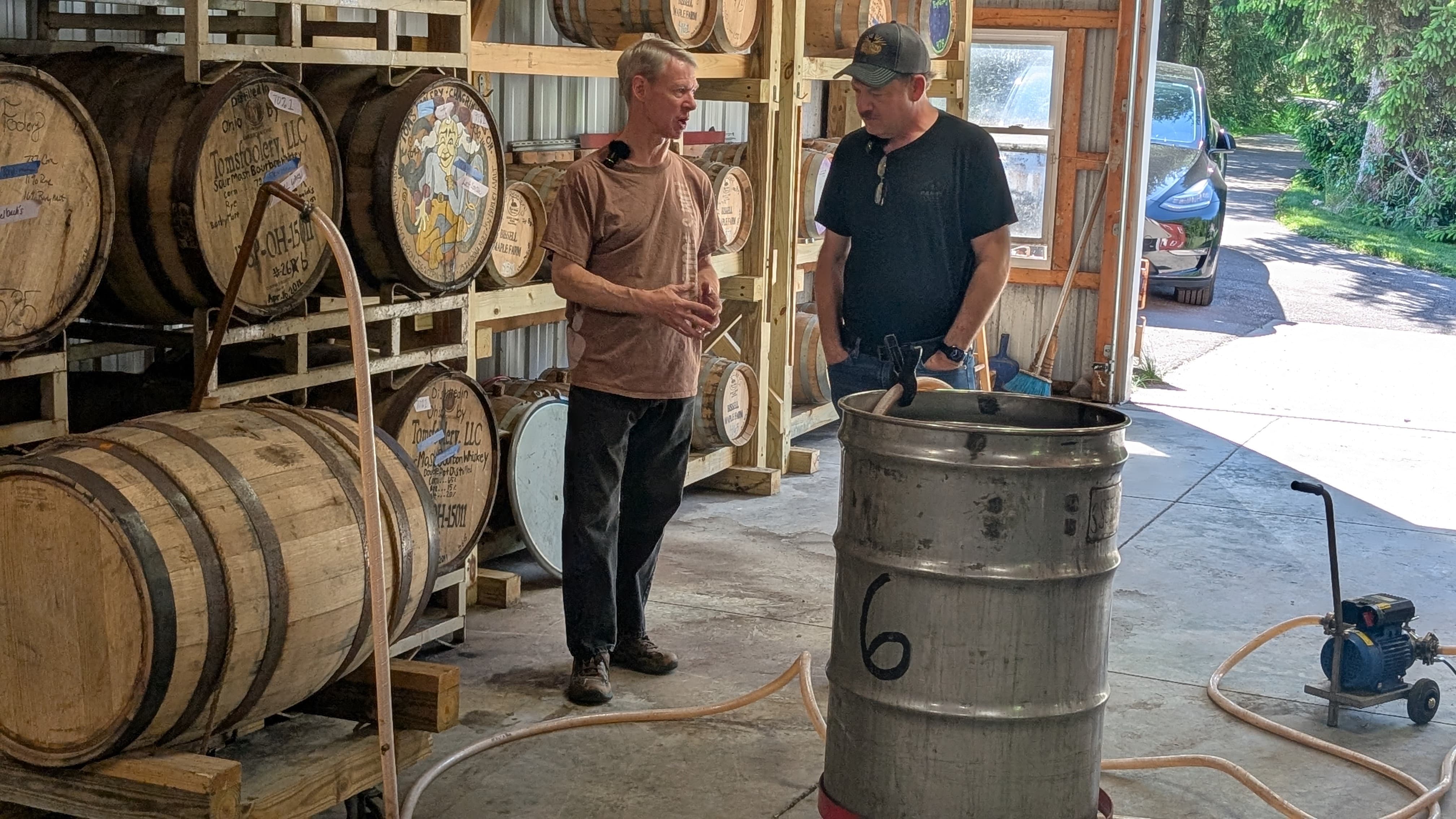
Welcome back to the blog, spirits enthusiasts! This week on Bourbon, Brass & Beyond, we had an absolutely captivating conversation with Tom and Lianne Herbruck of Tom's Foolery Distillery. It was a journey through generations of American spirit-making, a deep dive into the science and art of distillation, and a heartwarming exploration of family legacy. If you missed the episode, you can catch up right here: Ohio's Hidden Gem: Tom's Foolery Distillery, Ep. 56. In this blog post, we'll expand on the incredible story of Tom's Foolery, uncovering the threads that connect their moonshine roots to their current status as celebrated craft distillers. From the allure of historic stills to the subtle nuances of Ohio's climate, we're going to unpack the passion and tradition that defines Tom's Foolery.
From Moonshine Roots to Craft Distilling: The Tom's Foolery Origin Story
Every great craft distillery has a story, and the tale of Tom's Foolery is one deeply woven into the fabric of American distilling history. While they are now renowned for their meticulously crafted bourbons and rye, their journey didn't begin in a state-of-the-art facility. Instead, it harkens back to the resourceful, often clandestine, traditions of moonshining. This is where the foundational knowledge, the intuitive understanding of fermentation, and the raw passion for transforming grain into spirit were first ignited. For the Herbruck family, these aren't just abstract historical concepts; they are personal memories, family lore passed down through generations. This connection to the past isn't just a talking point; it's a guiding principle that informs their entire approach to modern distilling. It's the understanding that the fundamentals of creating a good spirit are timeless, even as the technology and scale evolve. This ancestral connection imbues their spirits with a depth and character that resonates with those who appreciate authenticity and heritage. It's about more than just making whiskey; it's about honoring a lineage of craftsmanship and innovation that has sustained American spirits for centuries. The spirit of self-sufficiency and the dedication to quality that characterized early distillers are alive and well at Tom's Foolery, bridging the gap between the past and the present with every bottle they produce.
The Allure of the Old School: Pot Stills vs. Column Stills
One of the most fascinating distinctions in the distilling world is the choice between pot stills and column stills. Tom's Foolery's embrace of the pot still is a significant part of their identity and a key topic discussed in our episode. Pot stills, often seen as the more traditional and artisanal method, are typically used in a batch process. They are known for producing spirits with more complex flavors and character, as they are less efficient at separating volatile compounds. The distillation process in a pot still is more akin to a chef carefully reducing a sauce, concentrating flavors and aromas. Each run requires careful monitoring and manual intervention. This allows for greater control over the final spirit's profile, preserving more of the congeners – the flavorful compounds that contribute to the whiskey's aroma and taste. In contrast, column stills (also known as continuous stills or Coffey stills) are designed for efficiency and high volume. They can produce a lighter, more neutral spirit with less character. While column stills are excellent for producing spirits like vodka or gin, for aged spirits like bourbon and rye, where the nuances of the grain and fermentation are paramount, pot stills often offer a distinct advantage. The iconic, onion-shaped head of a pot still is not just for show; it plays a crucial role in the reflux process, allowing certain vapors to condense and return to the pot, thus re-distilling them and concentrating the desired flavors. This intimate relationship with their stills, understanding their quirks and capabilities, is what allows Tom's Foolery to coax such remarkable complexity from their mash bills. The choice of still is, in essence, a philosophical statement about the kind of spirit they aim to create – one that celebrates the inherent character of its ingredients rather than masking it.
The Science of Spirit: Unpacking Rye's Character and Mash Bills
The magic of any spirit lies in its foundation: the mash bill. This is the recipe of grains that are fermented and then distilled. Tom's Foolery, with their keen understanding of distilling science, delves deep into how different grain combinations impact the final flavor profile. Rye, in particular, is a grain that commands attention for its bold, spicy character. Unlike corn, which provides sweetness and body, or malted barley, which contributes fermentable sugars and malty notes, rye brings a distinct peppery, sometimes even floral or earthy, complexity. The episode touches upon the intriguing tasting notes associated with rye, from earthy undertones to surprising hints of bubblegum. These seemingly disparate flavors are all dictated by the unique chemical compounds produced during fermentation and carried through distillation. The type and ratio of grains in the mash bill directly influence the types of esters, fusel oils, and other congeners that will ultimately shape the spirit's aroma and taste. For instance, a higher rye content often leads to a spicier, drier whiskey, while a lower rye content might result in a smoother, sweeter profile with more prominent corn or malt notes. The acidity of the mash, the role of copper in the still (which can etch and remove certain sulfur compounds, influencing flavor), and the precise cuts made during distillation all play a critical role. Tom's Foolery's expertise lies in their ability to manipulate these variables, creating mash bills that are not only scientifically sound but also artistically balanced, resulting in ryes that are both approachable and profoundly complex. Their attention to detail in understanding how each grain contributes to the symphony of flavors is a testament to their dedication to the craft.
Ohio's Climate: A Secret Ingredient in Aging Whiskey
Whiskey aging is an intricate dance between the spirit, the oak barrel, and the environment. While Kentucky is famously known as the Bourbon Capital, Ohio's climate offers a unique set of advantages for aging spirits, and Tom's Foolery masterfully leverages this. The saying "whiskey ages in the barrel, not in the bottle" is profoundly true, and the temperature fluctuations of a region play a significant role. Ohio experiences more dramatic temperature swings than many other whiskey-producing regions. In the summer, the heat causes the oak barrels to expand, pushing the whiskey deeper into the wood, where it picks up color, flavor, and tannins. In the winter, as temperatures drop, the barrels contract, forcing the whiskey back out of the wood. This cyclical expansion and contraction act like a natural pump, allowing the spirit to interact more dynamically with the oak, developing complexity and character at a potentially more accelerated or nuanced pace. The colder winters can also contribute to a slower, more controlled maturation, preventing the spirit from becoming overly woody or "hot" too quickly. Tom's Foolery's understanding of these climatic influences allows them to optimize their aging process, drawing out the best qualities from their barrels and developing spirits that are both robust and elegantly refined. It’s a subtle but powerful environmental factor that distinguishes Ohio whiskey and contributes to the unique profile of Tom's Foolery’s offerings.
Whispers of the Past: The Journey of Historic Michter's Stills
Among the most compelling elements of Tom's Foolery's story is their acquisition and use of historic stills from the original Michter's Distillery. This isn't just about acquiring old equipment; it's about connecting with a lineage of American distilling history. The Michter's name itself carries a significant weight in the whiskey world, and the opportunity to distill using the very stills that produced some of its iconic spirits is a profound privilege. These stills have witnessed decades of whiskey-making, absorbing the essence of countless batches. They are not merely tools; they are vessels of history, imbued with the experience and knowledge of past distillers. The episode touches on the serendipitous nature of how these stills came into their possession, a story that itself feels like a piece of whiskey lore. The fact that they are pot stills, aligning with their preference for traditional methods, makes them even more valuable. The subtle imperfections and unique characteristics of these vintage stills contribute to the distinctive flavor profile of Tom's Foolery's spirits. It's a tangible link to the past, a way of honoring the legacy of American whiskey while forging their own unique path. The advice they received from Scottish distillers during their journey with these stills further underscores the universal principles of good distilling, regardless of geographical origin, yet highlights the unique American heritage embedded in these very stills.
The Art of the Blend: Crafting Unique Bourbons with Stainless Steel and Expertise
While the rustic charm of copper pot stills is undeniable, the modern craft distiller also embraces contemporary materials and techniques to refine their creations. Tom's Foolery utilizes stainless steel tanks not just for storage but also in their blending process, a detail that speaks to their holistic approach to whiskey production. Stainless steel, being inert, does not impart any flavor or aroma to the spirit, which is crucial when one is aiming for precise control over the final product. This is particularly important in the art of blending. Blending is where a distiller truly acts as an artist, curating different barrels, each with its own unique character developed through the aging process, to create a cohesive and exceptional final product. Imagine a painter with a palette of colors – a blender with a selection of barrels. Some barrels might offer bolder oak notes, others brighter fruit, some a lingering spice. By carefully selecting and combining these individual components, Tom's Foolery can achieve a balance and complexity that might be unattainable from a single barrel. This meticulous blending process allows them to create whiskeys that are consistent in quality and profile, year after year, while still retaining a unique character. The episode hints at the collaborative nature of barrel picks, where their expertise is combined with the insights of whiskey enthusiasts to find those special barrels that will contribute to their signature blends. This interplay between the rustic allure of their historic stills and the precision of modern materials like stainless steel exemplifies the thoughtful and multifaceted approach that defines Tom's Foolery.
Barrel Tales: Sourcing, Aging, and the Magic of Ohio Whiskey
The journey of a whiskey doesn't end with distillation; it truly blossoms within the confines of an oak barrel. Tom's Foolery's engagement with barrels goes beyond simply filling them and waiting. It involves careful sourcing, thoughtful aging strategies, and an intimate understanding of how the barrel interacts with the spirit over time. The char level of the barrel, for instance, is a critical factor. Deeper charring creates a more porous surface and a more active interaction with the whiskey, leading to faster extraction of color and flavor compounds. Conversely, lighter charring results in a more gradual development. Their expertise in selecting barrels, whether new or previously used, and understanding how each will contribute to the final spirit is paramount. The episode also touches on the importance of craft malt. Malted grains, particularly malted barley, contain enzymes crucial for converting starches into fermentable sugars during the mashing process. The quality and type of malt used can significantly impact the fermentation, and consequently, the flavor of the resulting spirit. Tom's Foolery's commitment to sourcing high-quality grains, including meticulously chosen malts, lays the groundwork for the exceptional flavors that emerge after aging. The "Ohio hug," a term that might refer to the unique way their spirits finish or the distinct mouthfeel developed in their climate, is a testament to the combined effect of their distillation practices, barrel selection, and the subtle influence of their local environment. It’s a story of patience, precision, and an unwavering dedication to the craft of making truly remarkable whiskey.
Beyond Bourbon: Exploring Apple Brandy and the Renaissance of Ohio Spirits
While bourbon and rye are often the stars of the show, the world of spirits is vast and exciting. Tom's Foolery's exploration into other avenues, such as apple brandy, demonstrates their commitment to diverse craftsmanship and their contribution to the broader renaissance of spirits production in Ohio. Apple brandy, often referred to as Calvados in France or Applejack in American history, is a spirit distilled from fermented apple cider. Its production requires a different approach to fermentation and distillation compared to grain spirits, but it allows for a different set of aromatic and flavor profiles to emerge – often fruity, sometimes floral, and with a characteristic warmth. This venture into apple brandy showcases their versatility and their willingness to push the boundaries of traditional distilling. Furthermore, their existence and success are part of a larger movement: the resurgence of American craft distilling, with Ohio playing an increasingly significant role. This renaissance is fueled by a renewed appreciation for locally sourced ingredients, traditional techniques, and the passionate vision of dedicated distillers. Tom's Foolery is not just making spirits; they are helping to redefine and elevate the perception of Ohio as a serious and innovative player in the world of premium spirits, reviving a heritage that was once overshadowed but is now shining brightly once again.
The Foundation of Flavor: Understanding Fermentation, Stills, and Cuts
At the heart of every exceptional spirit lies a profound understanding of the three fundamental pillars of distillation: fermentation, the still itself, and the judicious making of "cuts." Tom's Foolery's mastery of these elements is a cornerstone of their success. Fermentation is where the magic truly begins. Yeast, in a controlled environment, consumes the sugars in the mash and produces alcohol, carbon dioxide, and a complex array of flavor compounds known as congeners. The type of yeast, the temperature, and the duration of fermentation all profoundly impact the character of the resulting "wash" or "beer." The stills, as we've discussed, then act as the alchemical vessels that concentrate these flavors. But it's the "cuts" – the separation of the distillate into the foreshots (heads), the heart (middle cut), and the feints (tails) – that truly define the spirit. The foreshots contain volatile compounds like methanol and acetone, which are undesirable and discarded. The feints contain heavier alcohols and fatty acids, which can also be off-putting if not managed correctly. The "heart" is the sweet spot, the portion of the distillate that contains the most desirable flavor and aroma compounds. Making these cuts is an art form, requiring a trained palate and an intimate knowledge of how specific compounds behave during distillation. Tom's Foolery's meticulous approach to each stage, from the precise management of fermentation to the skilled separation of these cuts, ensures that only the finest essence of their grain mash makes it into the barrel for aging. This attention to detail at every step is what separates good whiskey from truly great whiskey.
A Family Affair: The Timeless Craft of Distilling
The story of Tom's Foolery is, at its core, a family story. The dedication, passion, and hard work are shared across generations, creating a legacy that is as rich as the spirits they produce. In an industry that often emphasizes individual virtuosos, the collaborative effort of a family working together to create something truly special is a beautiful testament to shared values and a common dream. The "timeless craft of distilling" isn't just about the techniques; it's about the human element, the passing down of knowledge, the shared triumphs, and the collective commitment to quality. This family dynamic infuses their distillery with an authentic warmth and approachability that resonates with their customers. It's the kind of story that makes you want to raise a glass in salute, not just to the whiskey, but to the people who pour their hearts and souls into making it. This commitment to family tradition, combined with their innovative spirit, creates a potent recipe for enduring success. The episode touches on the entrepreneurial spirit required to start a distillery, and the strength of a family unit to see such a venture through its inevitable challenges. It’s this blend of heritage and hard work, of tradition and forward-thinking, that makes Tom's Foolery such a remarkable success story.
The Future of Ohio Bourbon: Innovation and Local Sourcing
As we look towards the horizon, the future of Ohio bourbon and American craft spirits is incredibly bright, and Tom's Foolery is at the forefront of this exciting evolution. The emphasis on innovation is palpable, with distillers constantly experimenting with new mash bills, aging techniques, and even different types of oak. Local sourcing is also becoming increasingly vital. By utilizing grains grown in Ohio, Tom's Foolery not only supports local agriculture but also ensures the freshest, highest-quality ingredients find their way into their mash. This not only contributes to the unique character of their spirits but also strengthens the local economy and fosters a sense of community. The dialogue in the episode about the future of Ohio bourbon – focusing on aging, barrels, climate, and local sourcing – highlights a collective vision for the region's spirits industry. There's a growing understanding that Ohio has the potential to become a major player, offering distinct and high-quality spirits that stand on their own merits. Tom's Foolery's dedication to these principles – innovation, quality, and local connection – positions them as leaders in this burgeoning movement, ensuring that the "timeless craft of distilling" will continue to flourish in Ohio for generations to come.
And that brings us to the end of our exploration into the rich history and present-day brilliance of Tom's Foolery Distillery. Their journey from the resourceful traditions of moonshining to becoming masters of modern craft distilling is an inspiring narrative of passion, perseverance, and a deep respect for heritage. We've delved into the intricacies of pot stills, the science behind rye's character, the subtle influence of Ohio's climate, and the profound significance of historic stills. We've touched on the artistry of blending, the magic of barrel aging, and the fundamental importance of fermentation and distillation cuts. Most importantly, we've seen how a family's enduring commitment to quality and innovation has shaped their success and is contributing to the exciting renaissance of Ohio spirits. If this deep dive has piqued your interest, I highly encourage you to listen to our full conversation with Tom and Lianne Herbruck on Episode 56 of Bourbon, Brass & Beyond. It’s a taste of history, a masterclass in distilling, and a story of family that’s truly something to savor. Until next time, keep exploring, keep tasting, and keep appreciating the incredible stories behind every sip.
Pilot / Dad / Trumpeter / Contract Negotiator / Martial Artist
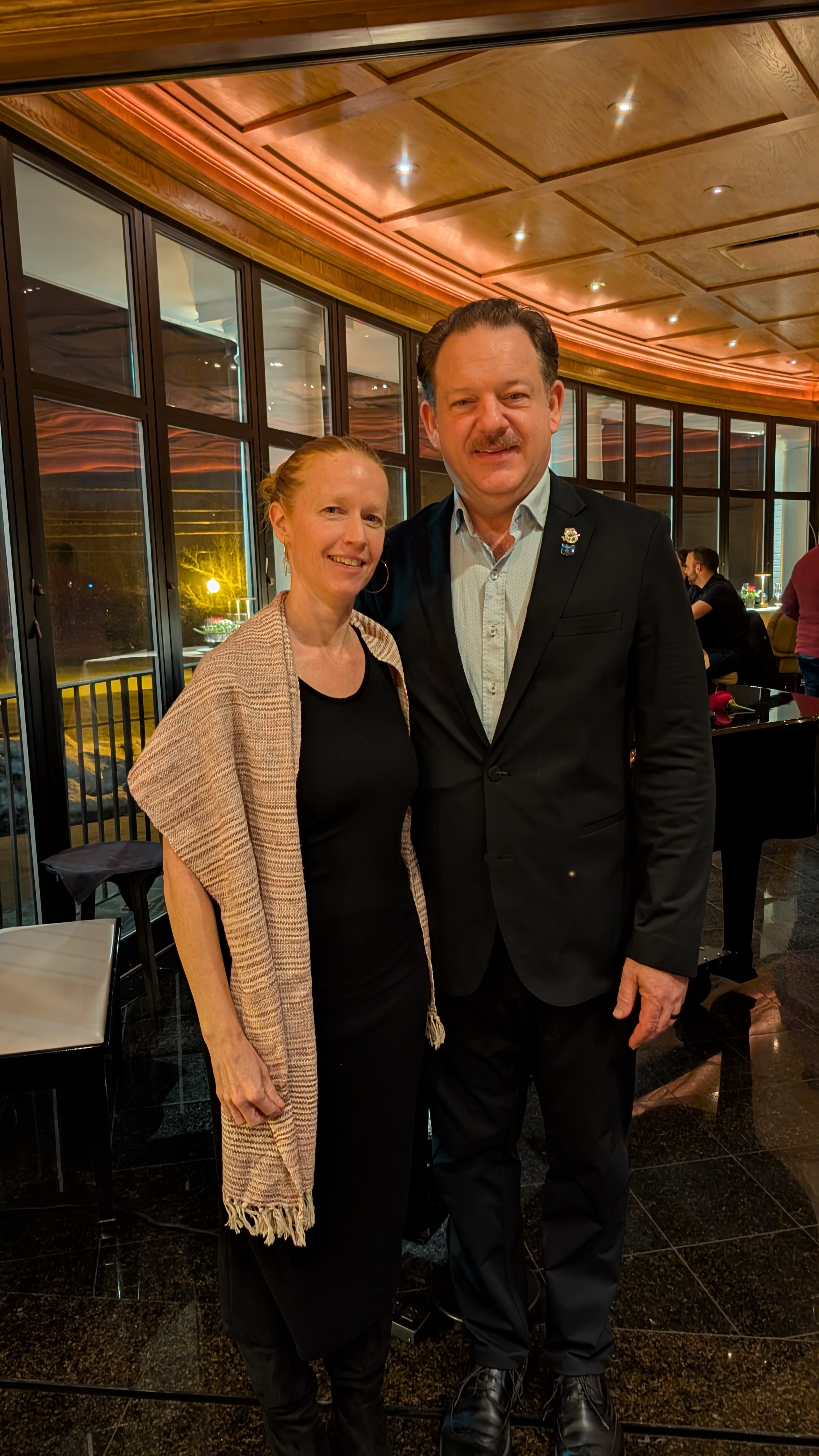
In his 26th year as an airline pilot, Dan resides in Youngstown, Ohio with his high school sweetheart Stephanie. Combined they have 5 kids (teenagers...). They enjoy travel as a family, and as a couple. Dan has had a bourbon affinity since smelling his Grandfather's JW Dant and Grapefruit soda as a kid. Dan started collecting bourbon in 2015. He has been actively involved in Martial Arts since he was a kid and has Black Belts in two different styles. Dan still plays trumpet. Originally he went to college for music at Ohio University, but after his sophomore year decided he would much rather spend 3 hours in an airplane instead of a practice room. He still helps teach high school band camps, and has assisted with 5th and 6th grade Trumpet, Low Brass, and Percussion. Dan has been a Pilot Union Representative, Contract Negotiator, Merger Specialist, and Contract Compliance Administrator for over 20 years. Dan received the President's Lifetime Achievement Volunteer Service Award in 2024.
Looking Back at 99 Episodes of Bourbon, Brass & Beyond