Beyond the Bottle: Why Bourbon is Really About Community
Introduction: More than just a pour
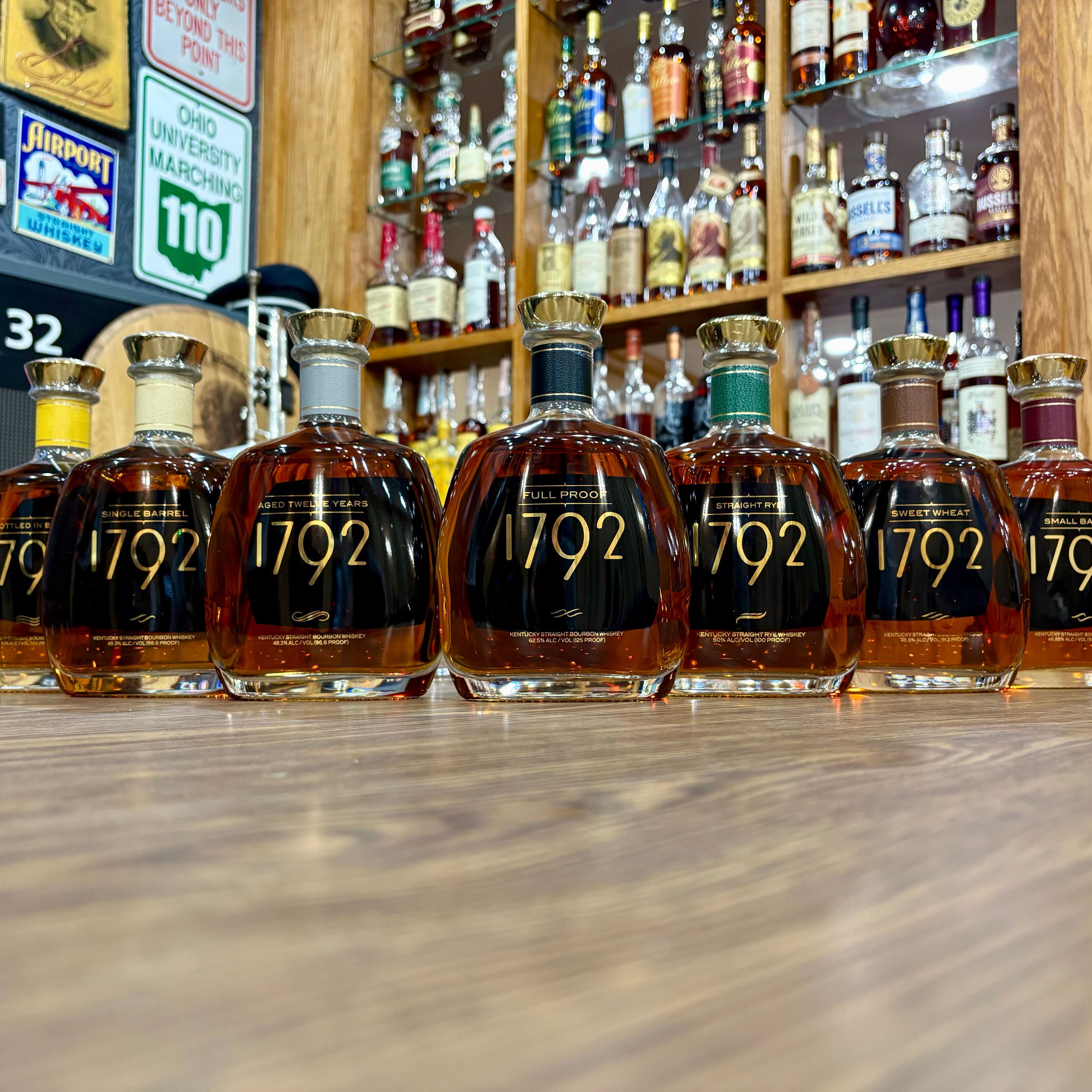
When most people think about bourbon, their minds immediately jump to the sensory experience: the amber hue catching the light, the subtle burn of high-proof spirit, or the complex notes of vanilla, oak, and caramel dancing on the palate. While these are certainly the mechanics of the hobby, they represent only the surface level of what makes this pursuit so captivating. After recording our most recent episode, 1792 Extravaganza; Ep. 69, I found myself thinking less about the specific flavor profile of the Barton 1792 line and more about the laughter, the debate, and the genuine connection that occurred between myself, Mike, and Ben while we were sipping those specific bottles. It became clear to me that the bottle is merely the invitation; the real magic happens in the space between the people gathered around it. In this post, we are going to look past the label and explore why the bourbon community is one of the most vibrant, inclusive, and enduring social structures I have ever had the privilege to be a part of.
Reflections on the 1792 Extravaganza
Our deep dive into the 1792 lineup served as the perfect catalyst for this realization. As many of you know, 1792 is a brand that sits comfortably at the intersection of accessibility and high-quality production. It has something for everyone—from the softer, approachable notes of the Sweet Wheat to the punchy, robust character of their full-proof expressions. However, if you were to listen to the episode, you would notice that we spent almost as much time debating the nuances of our personal lives, current events, and shared hobbies as we did dissecting the whiskey.
This is typical of these sessions. The 1792 bottles provided a structural framework for the evening, giving us a common language to start from, but they did not dictate the destination of the conversation. When you put a bottle of good bourbon on the table, it acts as a permission slip. It tells everyone in the room that it is time to slow down, put away the distractions, and actually engage with one another. The 1792 tasting taught us that while the whiskey matters, the context in which it is consumed is what elevates the experience from a simple drink to a memorable event.
The science of flavor: Why we talk about what we drink
There is a unique intellectual component to bourbon appreciation that acts as a bridge for communication. Because bourbon is such a sensory-rich subject, it forces us to articulate our thoughts, memories, and emotions in ways we rarely do in day-to-day conversation. When you ask someone, "What do you get on the nose of this?" you are asking them to reach into their own personal history. One person might say, "It reminds me of my grandmother’s kitchen because of the cinnamon and brown sugar," while another might describe, "The oak reminds me of a workshop I used to spend time in."
By talking about the science of flavor—the chemistry of the char, the impact of the proof, the age of the barrel—we are inadvertently sharing pieces of our identity. This analytical aspect of the hobby provides a safe, structured way to open up. It removes the pressure of forced small talk and replaces it with a collaborative investigation. We are not just debating tasting notes; we are comparing experiences and validating one another’s perspectives. This is the bedrock upon which the bourbon community is built: a mutual respect for the subjective experience of the individual.
The unspoken ingredient: How bourbon acts as a social catalyst
If you look at the history of human interaction, alcohol has almost always played a role as a social lubricant. However, bourbon seems to function differently than most spirits. There is a weight and a ritual to it that necessitates patience. You don't "shotgun" a high-end bourbon; you pour it, you let it breathe, you observe it, and you sip it slowly. This ritual effectively forces the pace of the room to slow down.
In our fast-paced, digital-first world, finding an activity that demands this level of present-mindedness is rare. When we gather for a tasting, we are physically and mentally checking out of our responsibilities and checking into the immediate environment. The bourbon acts as an anchor, holding us in the present moment. It creates a "third space"—a place that is not work and not home—where the barriers of professional titles and societal expectations are stripped away. You aren't "the boss" or "the employee" when you are comparing a batch of 1792; you are just another enthusiast trying to figure out if you detect more leather or tobacco on the finish.
Moving from acquaintance to friendship through shared tasting
One of the most rewarding aspects of this community is how quickly a group of acquaintances can evolve into a circle of close friends. This is often called the "tasting group effect." I have seen this happen time and time again. People meet at a local bottle shop or join an online forum, initially bonded only by the desire to track down a specific rare release. Yet, the pursuit of the bottle inevitably leads to the pursuit of the gathering.
Once you are in a room with someone, sharing a pour and talking about why you love this specific hobby, the guard goes down. You start to learn about their family, their struggles, their triumphs, and their quirks. You begin to trust them not just with your glass, but with your thoughts. The shared interest in bourbon provides a common denominator, but the shared experience of the conversation is what cements the bond. Over time, the bourbon becomes secondary; you start showing up to the meetings simply because you want to see the people, and the fact that there is good whiskey is just a bonus.
The endurance of community beyond the bottle
Perhaps the most compelling evidence that this community is about more than the alcohol is what happens when the bottles are empty. The friendships formed in these settings persist in the real world. We celebrate milestones, support each other through difficult times, and maintain communication outside of the tasting room. The bourbon community is remarkably generous, often characterized by the "pay it forward" mentality—whether it's sharing a rare pour with someone who hasn't tried it or helping a newer member understand the landscape of whiskey without judgment.
This durability proves that the hobby is merely the entry point. The community is the destination. We may come for the 1792, but we stay for the conversation. We stay for the camaraderie. We stay because in a world that is increasingly fractured and polarized, having a space where you can sit down, share a pour, and listen to a different perspective is a deeply radical and necessary act.
Conclusion: Raising a glass to the people behind the labels
As we reflect on the insights gained from our latest recording, it is clear that bourbon is so much more than the sum of its chemical parts. It is a conduit for connection, a reason to gather, and a catalyst for the kinds of conversations that define our lives. The 1792 lineup gave us the structure we needed for a wonderful evening, but the real highlight was the shared humanity in the room. I encourage you to think about the next time you pour a glass of whiskey—don't just focus on the tasting notes or the proof. Look at who you are with, listen to their stories, and appreciate the community that the spirit has fostered. If you haven't yet, take a moment to listen to the full discussion in our recent episode, 1792 Extravaganza; Ep. 69, and consider how you can foster that same sense of connection in your own circle. Here is to the bottles that bring us together, but more importantly, to the people who make those moments worth savoring. Cheers.
Pilot / Dad / Trumpeter / Contract Negotiator / Martial Artist
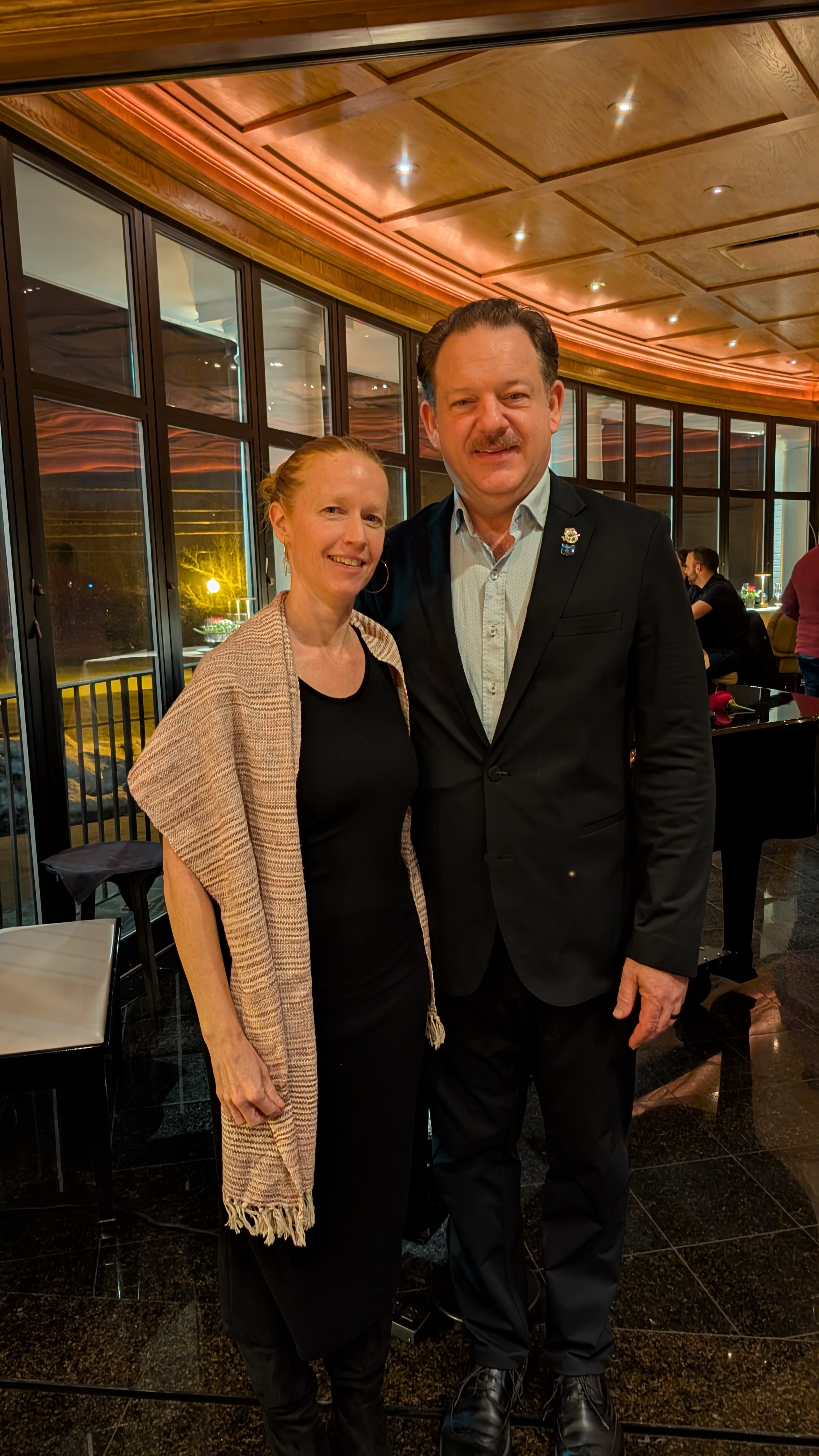
In his 26th year as an airline pilot, Dan resides in Youngstown, Ohio with his high school sweetheart Stephanie. Combined they have 5 kids (teenagers...). They enjoy travel as a family, and as a couple. Dan has had a bourbon affinity since smelling his Grandfather's JW Dant and Grapefruit soda as a kid. Dan started collecting bourbon in 2015. He has been actively involved in Martial Arts since he was a kid and has Black Belts in two different styles. Dan still plays trumpet. Originally he went to college for music at Ohio University, but after his sophomore year decided he would much rather spend 3 hours in an airplane instead of a practice room. He still helps teach high school band camps, and has assisted with 5th and 6th grade Trumpet, Low Brass, and Percussion. Dan has been a Pilot Union Representative, Contract Negotiator, Merger Specialist, and Contract Compliance Administrator for over 20 years. Dan received the President's Lifetime Achievement Volunteer Service Award in 2024.
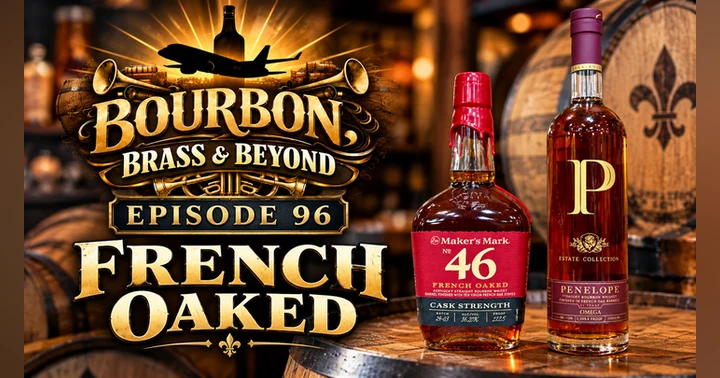
Penelope Omega 11 Year vs. Maker's Mark 46 Cask Strength: The Ultimate Breakdown