The Art of Aging: How Armagnac Develops Its Character
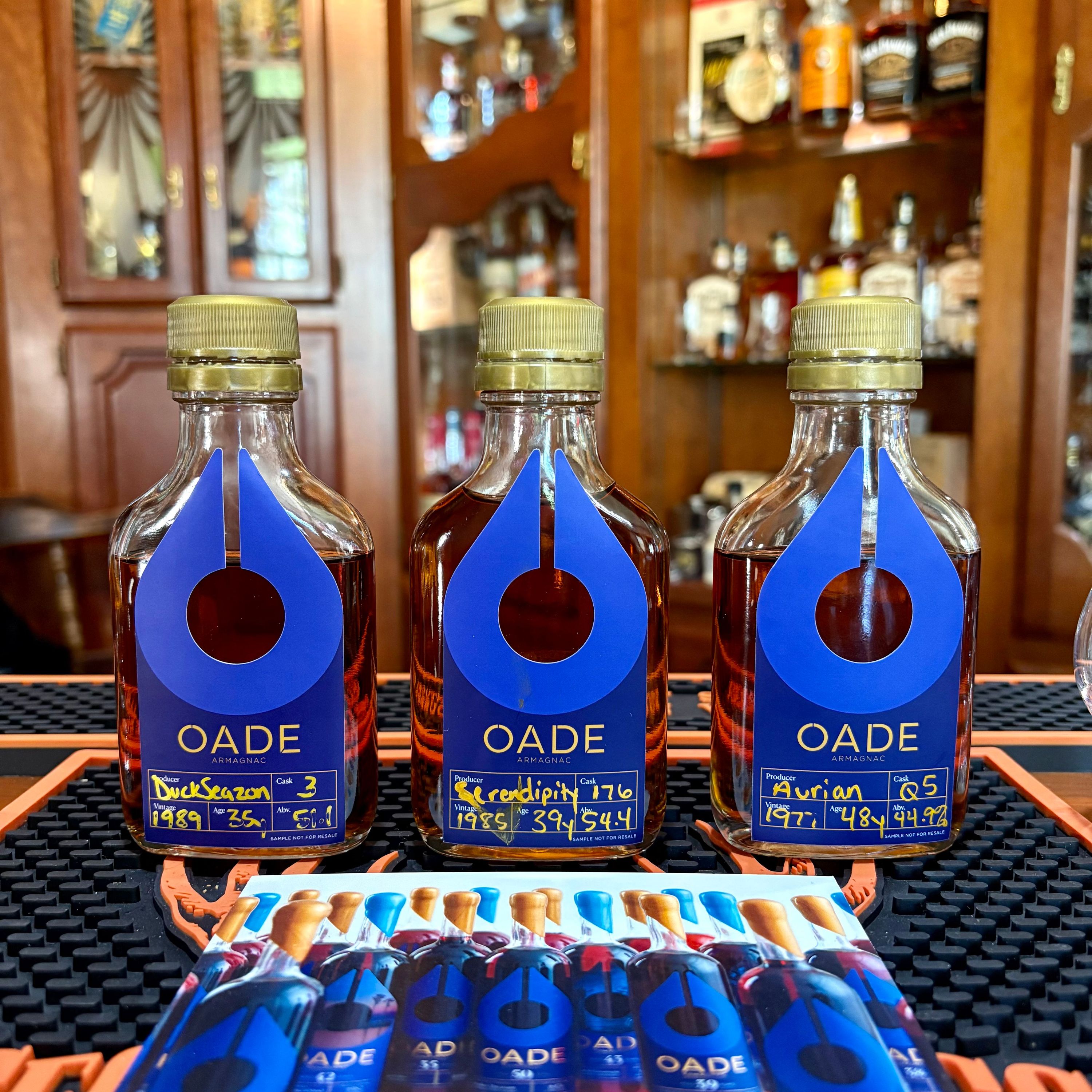
Welcome back to the blog, spirit enthusiasts! In our latest podcast episode, OADE Armagnac with Dan Hakker; Ep. 48, we delved deep into the captivating world of Armagnac, a spirit often overshadowed by its more famous cousin, Cognac, and even bourbon. Dan shared incredible insights into its unique production, its fascinating history, and most importantly, the profound impact of aging on its character. This blog post is an extension of that conversation, aiming to unpack the intricate processes that transform simple grape distillate into the complex, nuanced elixir that is Armagnac. We'll explore the journey from the distillery to the bottle, focusing on the crucial role of time and wood in shaping this exceptional spirit. So, pour yourself a glass (perhaps a bit of Armagnac if you have one!) and let's explore the art of aging in Armagnac.
Beyond the Grape - What is Armagnac?
Before we dive into the aging process, it's essential to understand what Armagnac is and what sets it apart. Hailing from the Gascony region of southwestern France, Armagnac is the oldest brandy produced in France. Unlike Cognac, which uses a double distillation in copper pot stills, Armagnac typically undergoes a single distillation in a traditional continuous still, known as an alambic Armagnacais. This method, often described as more rustic, preserves more of the original fruit character and allows for a broader range of grape varietals to be used. The primary grapes are Ugni Blanc, Folle Blanche, Colombard, and Baco Blanc, each contributing unique aromatic and flavor profiles.
The geographical indication for Armagnac is strictly defined, encompassing three sub-regions: Bas-Armagnac, Ténarèze, and Haut-Armagnac. Bas-Armagnac, known for its sandy soils, tends to produce lighter, fruitier, and more aromatic Armagnacs. Ténarèze, with its clay and limestone soils, yields more robust, powerful, and age-worthy spirits. Haut-Armagnac, the smallest sub-region, produces wines that are often used for blending. The unique terroir, the specific distillation method, and the choice of grapes all contribute to the foundational character of Armagnac, a character that is then dramatically shaped by the aging process.
The Slow Dance of Time: Demijohns vs. Barrels in Armagnac Aging
The journey of Armagnac from a clear, fiery spirit to a rich, amber liquid is a slow and deliberate one, marked by periods of maturation in both glass demijohns and wooden barrels. This dual approach to aging is a distinctive feature of Armagnac production, contributing significantly to its unique complexity.
The Protective Embrace of the Demijohn
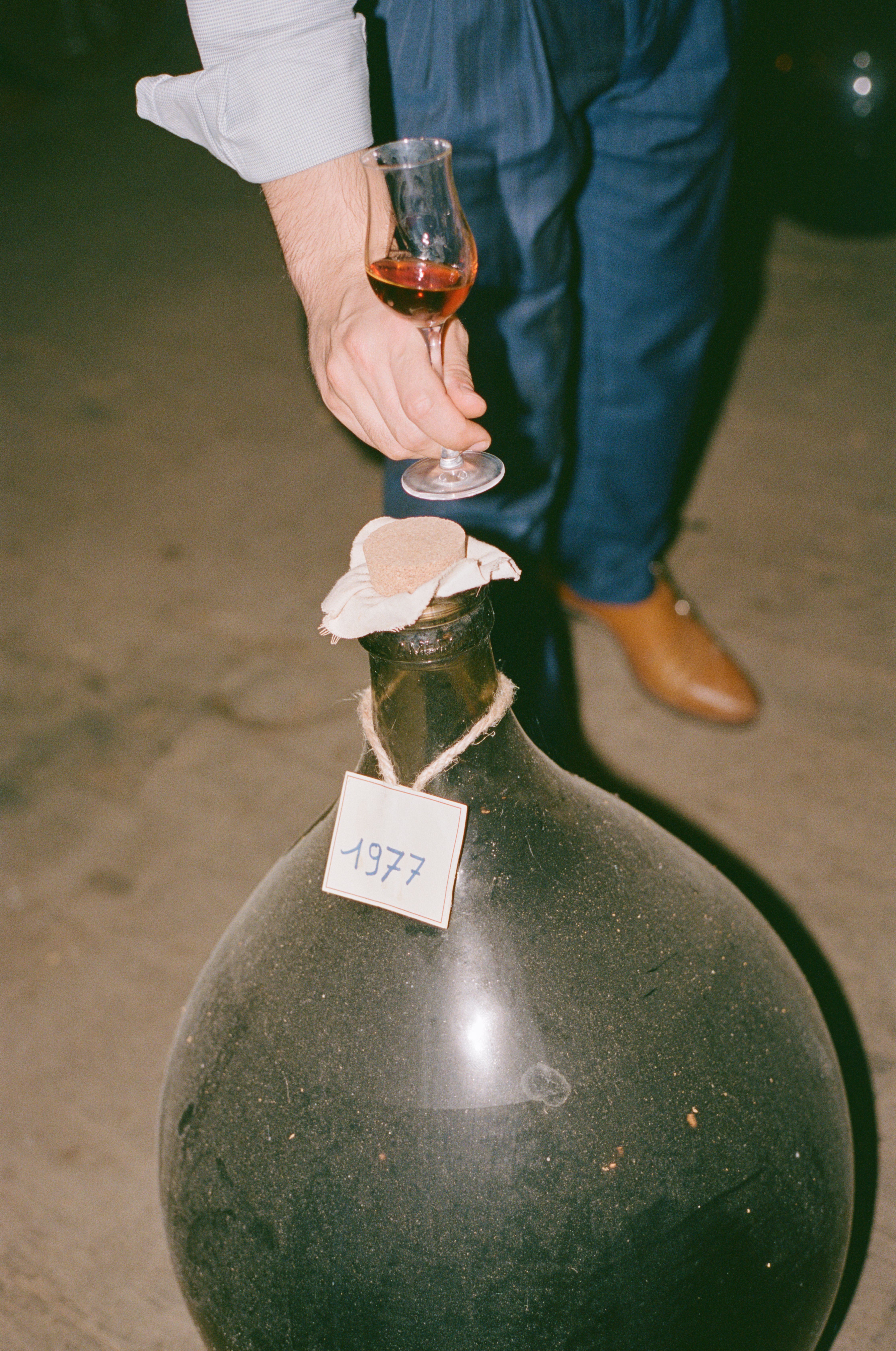
Often, newly distilled Armagnac, which is high in alcohol content and aggressive in flavor, is first placed in glass demijohns, also known as carboys or bonbonnes. These large, glass vessels, typically holding anywhere from 10 to over 100 liters, are sealed and stored in cool, dark cellars. The purpose of this initial period in demijohns is multifaceted. Firstly, it allows the spirit to rest and mellow without the direct influence of wood. This gentle maturation helps to soften the harshness of the new make spirit, allowing its inherent fruitiness and aromatic compounds to come to the forefront.
This "rest" in demijohns can last for several years, sometimes even decades. During this time, the spirit undergoes subtle chemical changes, but the absence of oxygen ingress means that oxidation, a key component of barrel aging, is minimal. It’s a period of introspection for the spirit, a time for its essential character to stabilize and develop a smoother profile. This stage is crucial because it preserves the primary aromas and flavors derived from the grapes and distillation, preventing them from being overwhelmed by wood notes too early in their life. Think of it as giving the spirit a chance to find its voice before it starts interacting with the world of wood.
The Transformative Power of the Oak Barrel
After its time in the demijohn, the Armagnac is transferred to wooden barrels, predominantly made from the local Gascon oak. This is where the true alchemy of aging begins. Gascon oak, unlike American or Limousin oak, has a finer grain and a lower tannin content. This is advantageous for Armagnac as it allows for a slower, more gradual interaction between the spirit and the wood, preventing the spirit from becoming overly tannic or drying out too quickly. The barrels are typically new for the first few years of aging, imparting significant color and oak-derived flavors. As the Armagnac ages, it is often transferred to older, used barrels, which contribute subtler nuances and allow for controlled oxidation.
The aging process in barrels is a dynamic interplay of chemical reactions and physical processes. As the spirit matures, several key transformations occur:
- Oxidation: Oxygen permeates the porous oak staves, slowly interacting with the alcohol and congeners (flavor and aroma compounds). This oxidation process softens the spirit, rounding out its flavors and developing complexity.
- Extraction: The spirit extracts compounds from the oak, including vanillin (vanilla notes), lactones (woody, nutty aromas), and tannins (structure and astringency). These elements contribute to the color, aroma, and mouthfeel of the Armagnac.
- Evaporation: A portion of the spirit, known as the "angel's share," evaporates through the wood each year. This concentrates the remaining spirit, increasing its alcohol content and intensifying its flavors. This is a bittersweet reality for producers, a sacrifice to the gods of aging.
- Esterification and Acetylation: The alcohol and acids in the spirit react over time to form new compounds called esters, which contribute to fruity and floral notes. Acetylation can also occur, adding further complexity.
The interplay between demijohn and barrel aging is what gives Armagnac its distinctive profile. The initial period in glass preserves the spirit's vibrant fruit character, while the subsequent maturation in oak provides structure, depth, and the complex aromatic tapestry that defines a well-aged Armagnac. This patient, deliberate approach is a testament to the tradition and craft that goes into every bottle.
From Unaged Spirit to Complex Elixir: The Science of Maturation
The transformation of a fiery, almost colorless eau-de-vie into a rich, amber-hued spirit with layers of flavor and aroma is a testament to the fascinating science of maturation. It's a process driven by time, wood, and the constant, invisible dance of chemical reactions. As we touched upon with the barrel aging, the science behind Armagnac's development is complex and elegant.
The Role of Congeners and Their Evolution
New make Armagnac is rich in congeners – a diverse group of compounds beyond ethanol and water, including aldehydes, esters, higher alcohols, and acids. These congeners are responsible for the spirit's initial aroma and flavor characteristics. For instance, esters can contribute fruity and floral notes, while aldehydes can impart sharpness and pungent aromas. During maturation, these congeners undergo significant changes:
- Oxidation: Aldehydes, particularly acetaldehyde, are prone to oxidation. While initially contributing to sharpness, their controlled oxidation can lead to the formation of pleasant nutty and sherry-like notes. Esters can also be oxidized, leading to the development of deeper, more complex fruit aromas.
- Reduction: Some of the harsh, volatile compounds can be reduced or transformed into less volatile, more palatable substances.
- Formation of New Compounds: The interaction between alcohol, water, and wood components leads to the creation of entirely new flavor and aroma compounds. For example, lignin from the oak wood breaks down into aromatic aldehydes like vanillin, which imparts vanilla notes, and syringaldehyde, which contributes spicy notes. Lactones, also extracted from the oak, contribute to woody, coconut-like, and sometimes smoky flavors.
The Impact of Oak Compounds
The oak barrel is not just a container; it's an active participant in the aging process. The specific compounds extracted from the oak are pivotal in shaping the Armagnac's character:
- Tannins: These polyphenols from the oak contribute to the color of the Armagnac, ranging from pale gold to deep mahogany. They also provide structure and astringency, giving the spirit a pleasing mouthfeel and balance. Over time, tannins can polymerize, becoming less bitter and contributing to a smoother texture.
- Lignin: This complex polymer in wood breaks down into aromatic aldehydes, as mentioned, providing characteristic vanilla, spicy, and smoky notes. The extent of breakdown is influenced by the age of the barrel and the heat treatment during its construction.
- Hemicellulose: This component of wood also breaks down into sugars, which can caramelize and contribute to color and sweetness.
- Oak Lactones: These compounds contribute significantly to the woody, nutty, and sometimes coconut-like aromas and flavors, particularly noticeable in Armagnacs aged in Limousin oak, though Gascon oak also contributes these.
The interaction between the spirit and the wood is a slow diffusion process. Alcohol and water molecules pass through the wood, allowing for constant exchange with the surrounding cellar environment. This also means that volatile aroma compounds can escape, but the resulting concentration of remaining compounds, coupled with the extraction from the wood and the oxidative changes, leads to the development of a more refined and nuanced spirit.
The science of maturation is not just about chemical reactions; it's also about the balance and harmony that time brings. The initial harshness of the new make spirit is tempered, the sharp edges are rounded, and the individual flavor and aroma components meld together to create a cohesive and complex profile. It's a gradual process of refinement, where patience is the most crucial ingredient, allowing the spirit to fully express its potential.
Reading Between the Lines: The Significance of Armagnac Age Statements
In the world of Armagnac, age statements are not merely indicators of time; they are a promise of complexity, a glimpse into the distiller's art, and a crucial guide for consumers seeking specific flavor profiles. Understanding these statements is key to appreciating the value and character of this distinguished spirit.
The Foundation: VS, VSOP, XO
Similar to Cognac, Armagnac employs a tiered system of age statements to denote the minimum age of the youngest eaux-de-vie in the blend:
- VS (Very Special): This designation indicates that the youngest eau-de-vie in the blend has been aged for at least one year. However, most VS Armagnacs spend at least two to three years in wood. They are typically lighter, fruitier, and more vibrant, making them excellent for cocktails or as an introductory taste to Armagnac.
- VSOP (Very Superior Old Pale): The youngest component in a VSOP blend must be at least four years old. VSOP Armagnacs offer a step up in complexity, with more developed fruit notes, hints of oak, and a smoother character. They are versatile, enjoyable on their own or in more refined cocktails.
- XO (Extra Old): This is where Armagnac truly begins to reveal its depth. The minimum age for an XO is now typically ten years (it was previously four years, but has been updated). XO Armagnacs are rich, complex, and have undergone significant maturation. Expect notes of dried fruits, spices, rancio (a savory, nutty character developed through long aging), and a velvety texture. These are best savored neat.
It's important to note that these are *minimum* ages. Many producers will blend older eaux-de-vie into their VS, VSOP, and XO expressions to achieve a more harmonious and desirable profile. The blender's skill lies in harmonizing these different ages and origins to create a consistent and high-quality product.
Beyond the Standard: Hors d'Âge and Vintages
Beyond the standard classifications, Armagnac offers even more distinguished age categories:
- Hors d'Âge: This term translates to "beyond age" and signifies an Armagnac of exceptional maturity. While there isn't a strict minimum age requirement for Hors d'Âge (though many producers will aim for 10 years or more), it generally refers to a blend of very old eaux-de-vie, often significantly older than XO. These Armagnacs are characterized by their profound complexity, deep flavors, and long, lingering finish.
- Vintage Armagnac: This is where Armagnac truly shines for collectors and connoisseurs. A vintage Armagnac is bottled from a single distillation year. The year indicated on the bottle is the year the grapes were harvested and distilled. These Armagnacs are not blended with any other years and offer a unique snapshot of a specific harvest and the subsequent maturation process. They can range from just a few years old to many decades. Vintage Armagnacs are highly prized for their individuality, rarity, and the historical narrative they carry.
The significance of these age statements lies not just in the number of years spent in wood but in the intricate development of flavors and aromas that occur over time. Older Armagnacs typically exhibit:
- Deepened Color: From pale gold to rich mahogany.
- Increased Complexity: Layers of dried fruit (prunes, figs, apricots), spices (cinnamon, clove, nutmeg), nutty notes (walnut, almond), rancio, tobacco, leather, and even floral undertones.
- Softer Texture: The spirit becomes smoother, rounder, and more integrated, with tannins mellowing out.
- Longer Finish: The flavors linger on the palate, evolving and revealing new nuances with each sip.
When choosing an Armagnac, understanding the age statement allows you to anticipate the likely character of the spirit. Whether you're looking for a vibrant, fruity introduction or a profound, contemplative experience, there's an Armagnac with an age statement to suit your desires. It’s a journey through time, distilled and bottled for your enjoyment.
The Rarity Factor: Why Vintage Armagnac is a Treasure
In the vast landscape of spirits, vintage Armagnac stands out as a true treasure. Its rarity is not accidental; it's a consequence of tradition, meticulous production, and the inherent challenges of preserving a spirit through the decades. This scarcity elevates vintage Armagnac beyond a simple beverage to a collector's item, a historical artifact, and a testament to the enduring power of time and craft.
The Uniqueness of a Single Year
The defining characteristic of vintage Armagnac is its origin from a single distillation year. Unlike blended Armagnacs, which are carefully curated combinations of eaux-de-vie from different years to achieve a consistent profile, a vintage Armagnac is an unadulterated expression of a specific harvest and the subsequent aging period. This means that each vintage has its own distinct personality, influenced by the weather conditions of that particular year, the chosen grape varietals, the distillation process, and the specific aging environment of the cellar.
For example, a year with a particularly hot summer might yield grapes with higher sugar content, potentially leading to a richer, more powerful Armagnac. A cooler, wetter year might result in a lighter, more aromatic spirit. The subtle variations in these factors create a unique fingerprint for each vintage. This individuality is what makes vintage Armagnac so compelling for enthusiasts; it offers a chance to taste history and experience the subtle nuances that time and specific conditions impart.
The Challenges of Long-Term Aging
The journey from distillation to bottle for a vintage Armagnac is a marathon, not a sprint. The process is fraught with challenges that contribute to its rarity:
- The Angel's Share: As mentioned earlier, a significant portion of the spirit evaporates from the barrel each year. Over decades, this "angel's share" can be substantial, meaning that the volume of older Armagnac diminishes considerably. Producing large quantities of very old Armagnac is simply not feasible.
- Barrel Management: Over extended periods, barrels need careful monitoring and management. They may need to be topped up, transferred to older barrels, or even repackaged to prevent excessive oxidation or leakage.
- Cellar Conditions: The ideal cellar conditions—cool, humid, and dark—are crucial for slow, controlled aging. Fluctuations in temperature and humidity can negatively impact the aging process, leading to premature evaporation or spoilage.
- The Risk of Loss: While the angel's share is inevitable, there's always a risk of spoilage, leakage, or damage to the barrels over long periods. Not every barrel that enters the cellar will emerge as a fine vintage Armagnac.
- Storage and Preservation: For Armagnacs aged for many decades, the oak barrels themselves can deteriorate. When a vintage is finally ready for bottling, it might be transferred to glass demijohns for final aging or long-term storage, further preserving its integrity. This transfer itself is a delicate operation.
The Value of History and Provenance
Beyond the physical challenges of production, the value of vintage Armagnac is deeply tied to its historical and provenance significance. Each bottle tells a story:
- A Window to the Past: Drinking a vintage Armagnac from, say, the 1950s, is like taking a sip of that specific decade. It evokes a sense of nostalgia and offers a tangible connection to a bygone era.
- Collector's Appeal: The rarity and historical significance of vintage Armagnacs make them highly sought after by collectors. Certain exceptional vintages can command very high prices at auction, driven by demand and limited availability.
- Exceptional Quality: While rarity contributes to value, the primary driver is the exceptional quality and complexity that long-term aging imparts. These are often spirits that have achieved a level of refinement and depth rarely found in younger spirits.
The allure of vintage Armagnac lies in its exclusivity. It's not a spirit that is mass-produced; it's a product of patience, tradition, and a touch of magic from time itself. Each bottle represents a significant investment of time and resources by the producer, making it a truly precious and rewarding experience for those fortunate enough to find and savor it.
The Art of Discovery: Finding Unique Armagnac Producers
In a world increasingly dominated by large corporations and standardized products, the pursuit of unique Armagnac producers is an adventure in itself. It’s about uncovering hidden gems, engaging with passionate artisans, and experiencing the authentic soul of this historic spirit. As we discussed with Dan Hakker on the podcast, the journey of discovery is as rewarding as the spirit itself.
Beyond the Well-Known Names
While there are renowned houses producing excellent Armagnac, a significant portion of the region's magic lies with smaller, family-run estates that have been crafting spirits for generations. These producers often focus on traditional methods, meticulous vineyard management, and a deep understanding of their terroir. They may not have the marketing budgets of larger brands, but their dedication to quality and authenticity shines through in their products.
Finding these producers often requires venturing off the beaten path, both geographically and in terms of research. It involves:
- Exploring the Sub-Regions: Each sub-region (Bas-Armagnac, Ténarèze, Haut-Armagnac) has its own distinct characteristics. Delving into the producers within each area can reveal different styles and flavor profiles. For instance, Ténarèze producers might be known for their robust, age-worthy Armagnacs, while those in Bas-Armagnac may focus on fruitier, more aromatic expressions.
- Attending Spirit Festivals and Tastings: These events are invaluable for encountering a wide range of producers, including smaller ones who might not have widespread distribution. It's an opportunity to speak directly with brand representatives or even the producers themselves, to learn their stories and taste their offerings.
- Seeking Out Specialist Retailers: Independent wine and spirit shops that focus on craft and artisanal products are often excellent sources for discovering lesser-known Armagnac producers. The staff at these establishments are usually knowledgeable and passionate and can offer personalized recommendations.
- Engaging with Online Communities and Forums: The digital world offers a wealth of information and discussion among spirits enthusiasts. Online forums, social media groups, and dedicated websites can be great places to find recommendations and learn about producers that might otherwise fly under the radar.
The Value of Direct Connection
One of the most rewarding aspects of discovering unique Armagnac producers is the potential for direct connection. Many smaller estates are open to visitors (by appointment, of course). A visit to an Armagnac estate offers an immersive experience:
- Understanding the Terroir: Seeing the vineyards, the distillation equipment, and the aging cellars provides a profound understanding of the place and the process that shape the spirit.
- Meeting the Artisans: Speaking with the producers, hearing their passion, and learning about their family history adds a human element that enriches the appreciation of their Armagnac. It's about understanding the dedication and craftsmanship that goes into each bottle.
- Exclusive Access: Sometimes, visiting an estate can offer access to bottlings that are not widely distributed, such as single-barrel selections or older vintages that are reserved for direct sales.
As Dan Hakker emphasized in our episode, the "serendipity" of discovery is a significant part of the Armagnac journey. It's about the unexpected finds, the bottles that surprise and delight, and the personal connections made along the way. This spirit of exploration is what keeps the world of Armagnac exciting and continuously rewarding for those who seek it out.
The pursuit of unique Armagnac producers is an invitation to embark on a journey of sensory exploration and cultural appreciation. It's a reminder that in the world of spirits, some of the most profound experiences are found not in the most famous names, but in the quiet dedication of those who have mastered their craft over generations.
Conclusion: Savoring the Legacy in Every Sip
As we've explored the intricate journey of Armagnac, from its initial distillation to its patient maturation in demijohns and oak barrels, it's clear that this spirit is a testament to the profound impact of time and tradition. The science of maturation, the careful selection of wood, and the deliberate pace of aging all contribute to the complex character that makes Armagnac so revered. The significance of age statements, from the vibrant VS to the profound vintages, serves as a roadmap to understanding the depth and nuance waiting within each bottle.
Our recent episode, OADE Armagnac with Dan Hakker; Ep. 48, offered a fantastic real-world perspective on these processes, highlighting the dedication of producers like Dan and the unique qualities of Armagnac that set it apart. His insights into the rarity of vintage Armagnac and the joy of discovering unique producers perfectly encapsulate the spirit of exploration that we've delved into here.
Ultimately, Armagnac is more than just a spirit; it's a legacy. It's a reflection of the land, the people, and the history of Gascony. Each sip is an invitation to savor that legacy, to appreciate the artistry, and to enjoy the slow, rewarding dance of time captured in a glass. Whether you're a seasoned enthusiast or new to the world of Armagnac, we encourage you to seek out these exceptional spirits and embark on your own journey of discovery. Cheers!
Pilot / Dad / Trumpeter / Contract Negotiator / Martial Artist
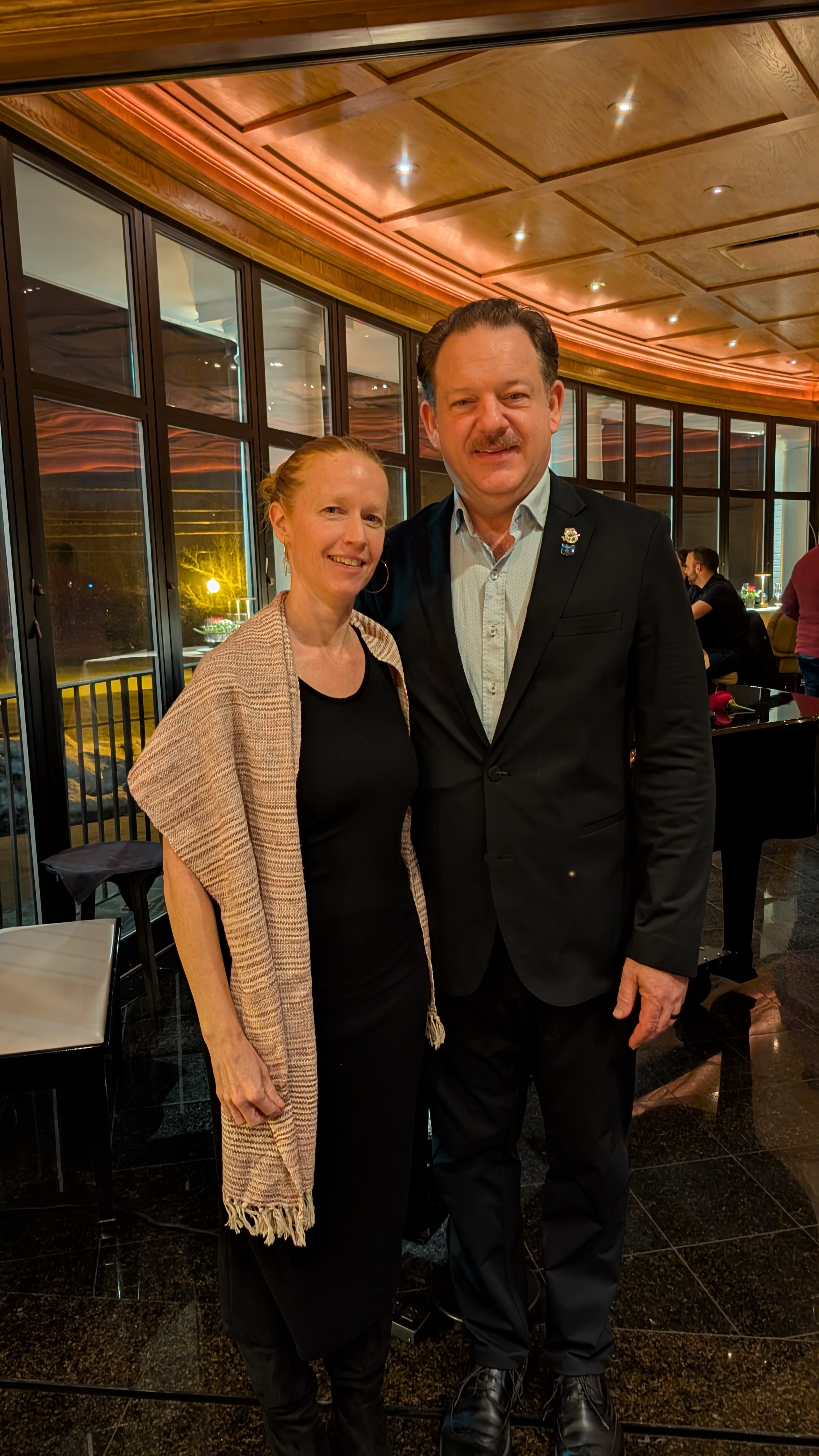
In his 26th year as an airline pilot, Dan resides in Youngstown, Ohio with his high school sweetheart Stephanie. Combined they have 5 kids (teenagers...). They enjoy travel as a family, and as a couple. Dan has had a bourbon affinity since smelling his Grandfather's JW Dant and Grapefruit soda as a kid. Dan started collecting bourbon in 2015. He has been actively involved in Martial Arts since he was a kid and has Black Belts in two different styles. Dan still plays trumpet. Originally he went to college for music at Ohio University, but after his sophomore year decided he would much rather spend 3 hours in an airplane instead of a practice room. He still helps teach high school band camps, and has assisted with 5th and 6th grade Trumpet, Low Brass, and Percussion. Dan has been a Pilot Union Representative, Contract Negotiator, Merger Specialist, and Contract Compliance Administrator for over 20 years. Dan received the President's Lifetime Achievement Volunteer Service Award in 2024.
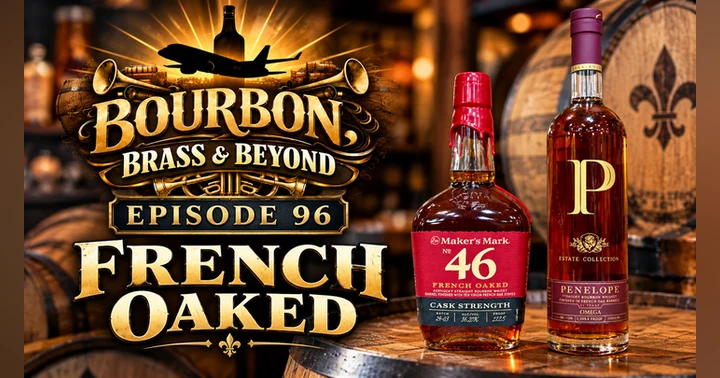
Penelope Omega 11 Year vs. Maker's Mark 46 Cask Strength: The Ultimate Breakdown