Stagg 26B Tasting Notes and the High-Proof Bourbon Debate
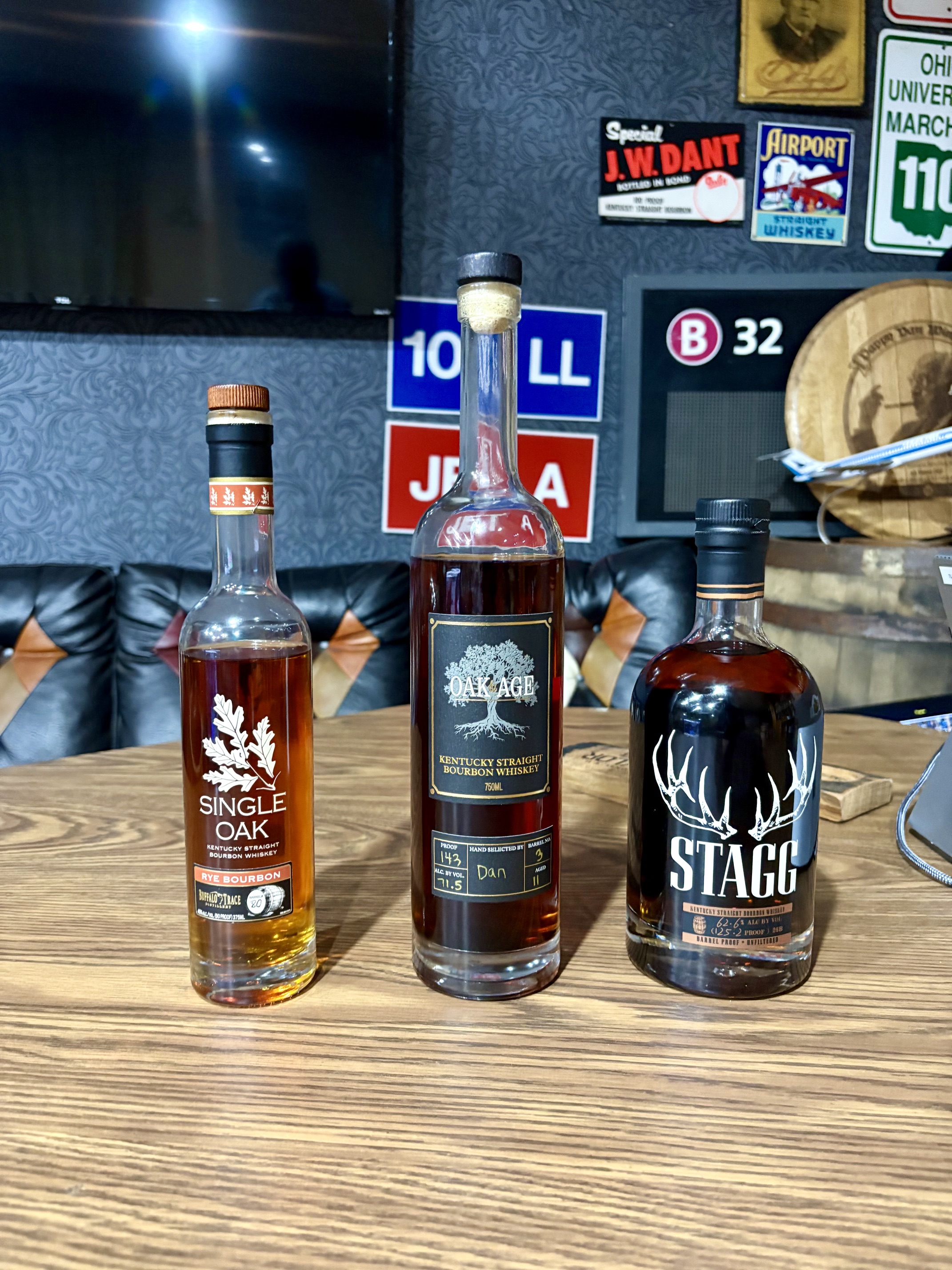
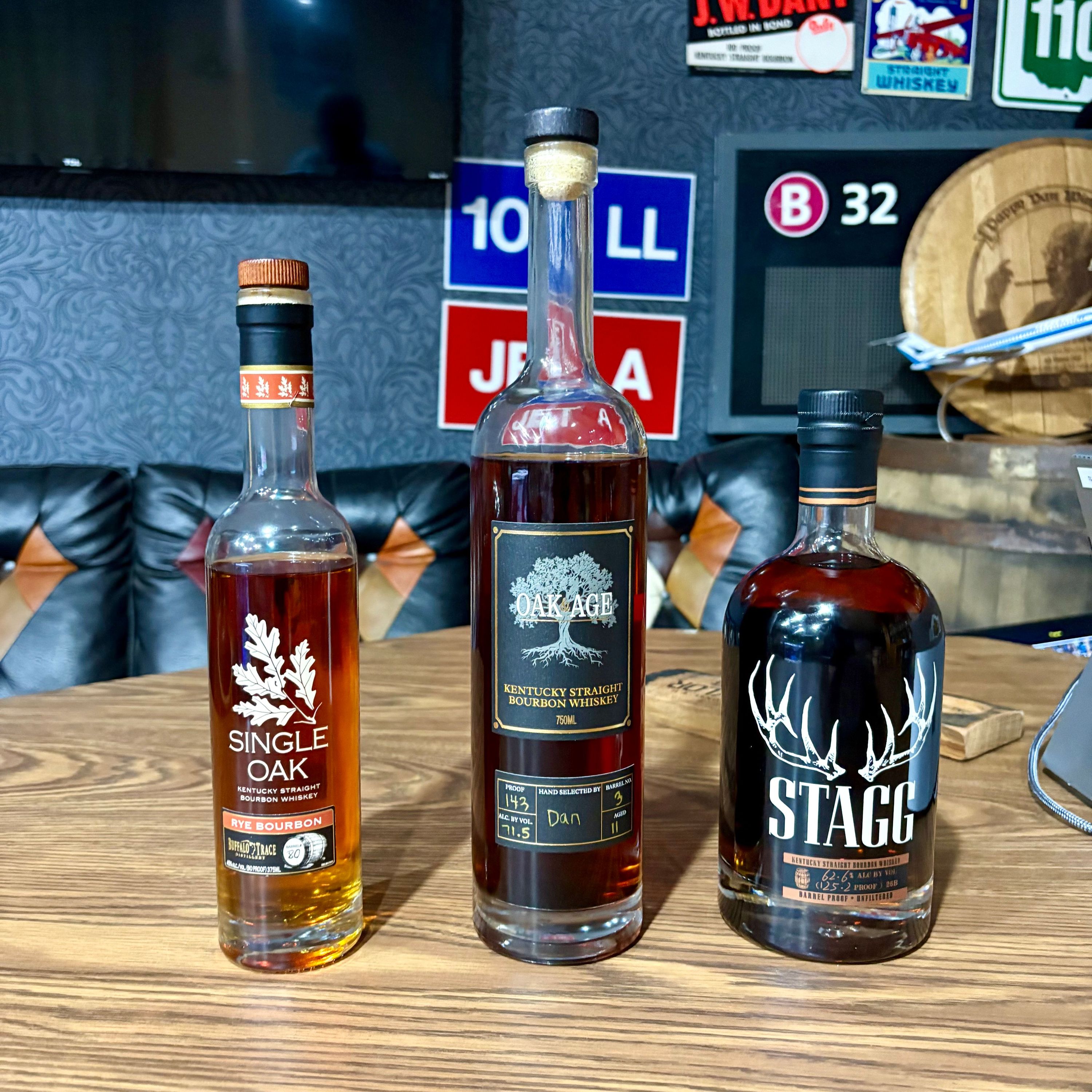
Welcome back to the Bourbon, Brass and Beyond blog! If you are anything like us, the mere mention of a new Stagg batch is enough to make your heart skip a beat. Buffalo Trace's flagship high-proof, uncut, and unfiltered bourbon always commands attention, sparking frantic group chats, secondary market frenzies, and passionate debates among collectors. Recently, we got our hands on the eagerly anticipated Stagg 26B batch, and we knew we had to dive deep into what makes this release tick. In our latest podcast episode, Stagg 26B, Single Oak Project, and Oak & Age; Ep. 75, we sat down to uncork this beast alongside some other incredible experimental pours, breaking down everything from warehouse variables to nostalgic tasting notes. In this article, we are going to expand on those conversations, taking a comprehensive look at the Stagg 26B tasting notes, the interplay between barrel aging and high proof, and where this monumental bottle fits into the broader modern bourbon landscape.
Introduction to Stagg 26B and the High-Proof Bourbon Landscape
The bourbon world has evolved dramatically over the last decade, with high-proof offerings transitioning from a niche category for seasoned enthusiasts to the absolute holy grail of modern whiskey collecting. At the center of this movement stands George T. Stagg and its annual or biannual batched counterpart, simply known as Stagg. Known for pushing the boundaries of proof while maintaining an astonishing depth of flavor, the Stagg lineage represents the pinnacle of Buffalo Trace's warehouse architecture and blending prowess.
When a new batch like Stagg 26B drops, it enters a market hungry for complexity, authenticity, and, let's be honest, bragging rights. But beyond the hype, each batch tells a unique story dictated by the specific floors of the warehouses it rested in, the weather cycles it endured, and the exact age of the distillate inside. Stagg 26B arrives with a heavy burden of expectation. Enthusiasts want to know if it rivals the legendary batches of the past, how the heat presents itself, and whether the flavor notes can pierce through the formidable ethanol wall that naturally accompanies a high-proof uncut whiskey. Let us take you on the sensory journey of cracking open this bottle and exploring what lies beneath the wax.
First Impressions: The Fresh Crack Aroma of Batch 26B
There is very little in the whiskey universe that compares to the ritual of the fresh crack. Breaking the seal on a highly anticipated bottle like Stagg 26B is an almost sacred experience for the dedicated bourbon lover. The moment the cork pops, the whiskey begins to breathe, releasing volatile organic compounds that have been trapped under pressure and heat within the glass for years. With Stagg 26B, that initial wave of aroma does not whisper; it makes an immediate, commanding statement.
Upon pouring our first glasses during the recording session, we were instantly struck by the sheer intensity of the nose. Unlike lower-proof offerings that gently coax you in with subtle florals or light vanillas, Stagg 26B hits you right out of the gate with a wall of dark, brooding aromas. The immediate sensory impact is characterized by rich, heavy oak influence, deep molasses, and a distinct fruitiness that sets it apart from standard Buffalo Trace profile notes. There is an unmistakable presence of dark cherries and rich, stewed plums, heavily blanketed in a robust layer of barrel char, leather, and dark brown sugar. It is an aroma that demands your full attention, signaling right away that this is a heavy-hitting pour designed for contemplation rather than casual sipping.
Unlocking the Tasting Notes: From Grape Candy to Fig Newtons
Once you get past the initial aromatic punch and allow the whiskey to settle on the palate, Stagg 26B truly opens up into a playground of complex, nostalgic flavors. High-proof bourbons often run the risk of tasting one-dimensionally hot if they are not properly balanced by age and wood, but 26B demonstrates a remarkable dexterity in how it delivers its flavor profile across the palate.
One of the most surprising and delightful notes we uncovered during our tasting session was an uncanny wave of grape candy, reminiscent of nostalgic childhood treats like grape Laffy Taffy, which quickly morphed into richer, darker confectionary notes. This vibrant fruitiness provides a brilliant counterweight to the heavy oak tannins. As the whiskey lingers, the palate shifts dramatically toward baked goods and pantry staples. We picked up distinct notes of a classic Fig Newton—that wonderful combination of dark, jammy fig fruitiness wrapped in a soft, earthy, wheat-and-grain pastry shell. Alongside the fig, subtle hints of crushed graham cracker and toasted pecans emerge, adding a dry, nutty texture that balances the initial sweetness. It is a flavor evolution that keeps you coming back to the glass, discovering new layers with every single sip as the whiskey oxidizes and adapts to the air.
The Science of Strength: How Proof and Barrel Aging Interact
To truly appreciate what is happening in a bottle of Stagg 26B, we have to look beneath the surface and examine the underlying chemistry of how proof and barrel aging interact over time. Bourbon does not magically become complex just by sitting in a barrel; it is a delicate, highly reactive dance between the distillate, the wood, the climate of the rickhouse, and the evaporation process known as the angel's share.
As a bourbon ages in a charred white oak barrel, water and alcohol molecules evaporate through the wood, but the rate of evaporation depends heavily on where the barrel is stored. Barrels resting on the upper floors of traditional multi-story rickhouses at Buffalo Trace experience extreme summer heat, causing the wood to expand and the whiskey to drive deep into the staves. This process concentrates the sugars, tannins, and congeners, often resulting in a significant rise in proof over the years. When a whiskey is bottled uncut and unfiltered at high proof—often hovering well north of 130 proof—you are tasting the direct result of this intense interaction. The high proof acts as a solvent, pulling immense amounts of flavor, spice, and color from the charred oak. However, it also means that managing the balance between aggressive ethanol heat and harmonious flavor extraction becomes the ultimate test of master blending and barrel selection.
The Great High-Proof Debate: Managing Heat Versus Flavor Complexity
This brings us to the eternal debate that divides bourbon enthusiasts across the globe: the battle between raw proof heat and refined flavor complexity. For many collectors, higher proof is automatically equated with higher quality. The logic goes that if a whiskey is diluted with water to 90 or 100 proof, you are paying for water, whereas a 135-proof monster gives you maximum value and intensity.
However, purists and seasoned palates often argue that excessive proof can act as a blunt instrument, numbing the taste buds and masking the subtle, nuanced tasting notes that make older or more balanced bourbons so special. With Stagg 26B, we find ourselves right in the crosshairs of this debate. There is no denying the raw power of the pour; the heat is undeniably present on the chest and the back of the throat. Yet, the sheer depth of the flavor notes—from the dark fruit and grape candy to the earthy fig and graham cracker—manages to punch right through the alcohol burn. It forces you to ask a fundamental question: Is a bourbon successful because it packs a massive punch, or is it successful because it manages to tame that punch into a symphony of elegance? With 26B, Buffalo Trace walks that tightrope with incredible precision, though it certainly requires a palate that enjoys a bit of fire with its flavor.
Final Thoughts on Stagg 26B and Where It Fits in Your Collection
As we wrap up our exploration of Stagg 26B, it is clear that this batch is a worthy addition to the legendary lineage of the Stagg name. It offers a masterclass in how high-proof whiskey can deliver both overwhelming power and intricate, nostalgic tasting notes. Whether you are fortunate enough to find one sitting on a shelf at retail price, hunting for it on the secondary market, or simply sharing a dram with good friends around a table, Stagg 26B is an experience that commands appreciation.
If you enjoyed diving deep into the technicalities of stave seasoning, warehouse variables, and sensory evaluation as much as we did, you are going to love our full audio discussion. Be sure to head over and listen to Stagg 26B, Single Oak Project, and Oak & Age; Ep. 75 to hear all of our live reactions, additional tasting notes on rare experimental pours, and our upcoming travel plans to the heart of bourbon country in Bardstown and Heaven Hill. Until next time, pour yourself something exceptional, appreciate the craft behind the glass, and keep exploring the wonderful world of whiskey!

Pilot / Dad / Trumpeter / Contract Negotiator / Martial Artist
In his 26th year as an airline pilot, Dan resides in Youngstown, Ohio with his high school sweetheart Stephanie. Combined they have 5 kids (teenagers...). They enjoy travel as a family, and as a couple. Dan has had a bourbon affinity since smelling his Grandfather's JW Dant and Grapefruit soda as a kid. Dan started collecting bourbon in 2015. He has been actively involved in Martial Arts since he was a kid and has Black Belts in two different styles. Dan still plays trumpet. Originally he went to college for music at Ohio University, but after his sophomore year decided he would much rather spend 3 hours in an airplane instead of a practice room. He still helps teach high school band camps, and has assisted with 5th and 6th grade Trumpet, Low Brass, and Percussion. Dan has been a Pilot Union Representative, Contract Negotiator, Merger Specialist, and Contract Compliance Administrator for over 20 years. Dan received the President's Lifetime Achievement Volunteer Service Award in 2024.
Penelope Omega 11 Year vs. Maker's Mark 46 Cask Strength: The Ultimate Breakdown