Dude Poole Separating Fact from Lore: The Real History of American Bourbon
Welcome back to the blog, bourbon lovers! If you are anything like me, you probably spent a good chunk of your whiskey-drinking journey repeating fun little American Bourbon History tidbits you heard on distillery tours, read on glossy bottle labels, or picked up in online forums. Did Elijah Craig accidentally burn a barn down and invent charred oak barrels? Did Colonel E. H. Taylor single-handedly invent every single modernization in the American whiskey industry overnight? Did generations of master distillers pass down secret recipes through mysterious family lineages untouched by time?
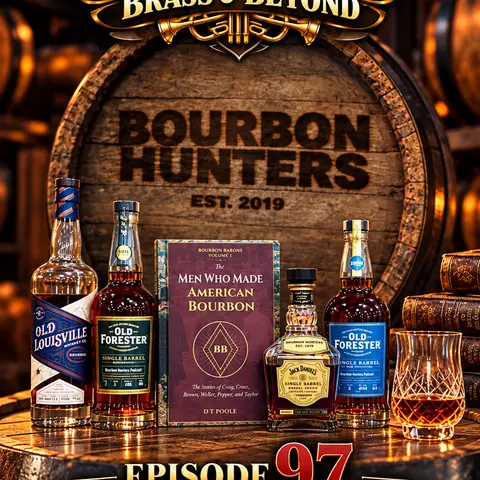
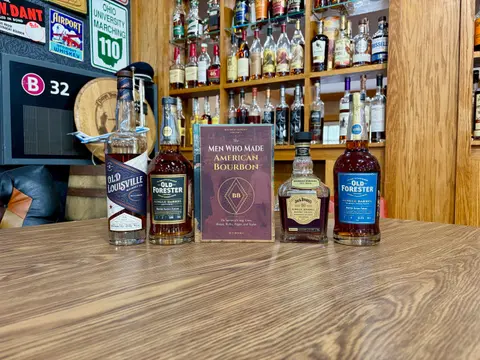
It makes for a great story. It pairs wonderfully with a pour of high-proof single-barrel bourbon by a crackling fire. But as any serious historian or obsessive researcher will tell you, the romanticized lore of the spirits industry often obscures a much richer, messier, and ultimately more fascinating reality. That is why I am so thrilled to dive deep into the research process behind one of the most exciting new books on the shelf, Men Who Made American Bourbon, by author Dude Poole. If you have not listened to our companion discussion yet, you can check out the episode Men Who Made American Bourbon by Dude Poole + JD Fritzges from The Bourbon Hunters Podcast; Ep. 97. Today, we are going to expand on those conversations, digging into public records, marketing myths, mash bill genealogy, and the human stories behind the glass.
Introduction: Why Bourbon History Needs a Fact Check
Bourbon is unique in the world of spirits because it is legally defined by American law, steeped in heritage, and tied deeply to the geography and culture of the American South. Because of this deep connection to place and tradition, the history of bourbon has often been treated as folklore rather than rigorous historical study. For decades, large distilling companies leaned heavily into romantic storytelling to sell bottles. After all, a marketing department cares about creating an emotional connection with the consumer, and dry historical facts—such as corporate mergers, tax ledgers, and court documents—do not always make for a catchy back-label story.
However, a growing movement of whiskey historians, researchers, and curious drinkers are pulling back the curtain. They want to know what actually happened. They want to trace the real human beings who built warehouses, experimented with chemistry, lobbied Congress, and navigated the treacherous waters of the nineteenth and twentieth centuries. Separating fact from lore does not ruin the magic of bourbon; if anything, it enhances it. Understanding the true struggles and triumphs of the people who made this industry possible gives us a deeper appreciation for every single sip we take. To truly understand our favorite spirit, we have to look past the marketing departments and dive headfirst into the archives.
Beyond the Marketing Lore: The Inspiration Behind Men Who Made American Bourbon
When author Dude Poole set out to write Men Who Made American Bourbon, he was not interested in regurgitating the same old talking points that have been printed on tourism brochures for the past fifty years. Instead, he was driven by a fundamental curiosity about the truth. Like many of us, he started his bourbon journey by accepting the standard narratives fed to consumers on distillery tours. But the more he read, and the deeper he dug into primary sources, the more he realized that the accepted history of bourbon was full of gaps, exaggerations, and outright fabrications designed to clean up the rough edges of history.
The inspiration for the book came from a desire to honor the real people behind the bottles—warts and all. Bourbon was not built by mythical sages floating down rivers on flatboats dispensing liquid wisdom; it was built by ambitious, flawed, brilliant, and sometimes ruthless entrepreneurs, scientists, and immigrant laborers. By stripping away the shiny veneer of modern brand storytelling, Poole uncovered a narrative that is infinitely more compelling. The real history involves fierce business rivalries, technological innovations born out of absolute necessity, and legal battles that shaped the very definition of what a bottle of American whiskey could be.
Digging Through the Archives: The Research Process and Public Records
So, how do you actually unearth the true history of an industry that has spent a century and a half mythologizing itself? You roll up your sleeves and dive into the public records. For Poole, the research process involved countless hours spent combing through nineteenth-century newspapers, census data, tax ledgers, patent filings, and court transcripts.
This is not the kind of historical research where you sit back and read comfortable secondary sources. It is detective work. You might find a tantalizing reference to a distillery fire in a Louisville newspaper from 1882, only to have to cross-reference it with insurance claims, municipal tax records, and probate court documents to verify who actually owned the property and what mash bill they were running at the time. Public records often tell a very different story than what a family lore might suggest. They reveal financial panics, partnership disputes, and technological failures that corporations preferred to sweep under the rug. But for the historian, these documents are gold mines. They ground the mythic figures of bourbon history in real-world economics and human struggle, showing us how these legends actually operated day-to-day.
Pioneers and Complex Legacies: From Elijah Craig to E. H. Taylor
One of the most rewarding aspects of Poole’s work—and something we explored extensively on the podcast—is looking at the major figures of bourbon history and untangling their actual contributions from the legends that surround them. Take Elijah Craig, for instance. Popular lore credits him with inventing the process of charring oak barrels to age whiskey, often accompanied by the colorful tale of a barn fire that scorched his cooperage. While Craig was undoubtedly an important pioneer in the Kentucky distilling landscape, the historical reality of barrel charring is far more nuanced, involving evolving trade practices, shipping realities, and the collective experimentation of dozens of early coopers and distillers.
Similarly, figures like Colonel E. H. Taylor Jr., James Crow, and George Garvin Brown left massive footprints on the industry, but their real legacies are often more complex than the brand stories suggest. Taylor was a visionary who modernized distilling architecture, fought tirelessly for the Bottled-in-Bond Act of 1897 to protect consumers from adulterated rotgut, and pushed for strict quality standards. Yet, he was also a notoriously difficult businessman who cycled through financial backing, court battles, and debt. Understanding these pioneers as complex human beings rather than flawless demigods makes their achievements all the more impressive. They did not succeed because they possessed magical whiskey-making intuition; they succeeded through grit, experimentation, legal maneuvering, and an obsessive dedication to their craft.
Mash Bill Genealogy and the Evolution of Flavor
When we talk about bourbon history, we often talk about people and places, but we also have to talk about the liquid itself. How did the flavor profiles of American whiskey evolve from the rough, high-rye or corn-heavy distillates of the early nineteenth century into the refined, complex bourbons we enjoy today?
This is where the concept of "mash bill genealogy" comes into play. Distillers through the decades experimented constantly with grain ratios depending on what was locally available, what the market demanded, and what scientific advancements allowed. In the nineteenth century, the introduction of scientific mashing and the work of chemists like Dr. James Crow revolutionized how consistency was achieved in the distillery. Crow introduced the use of sour mash techniques, temperature controls, and rigorous record-keeping, moving whiskey production from an unpredictable craft to a reliable science.
As we trace mash bills through history, we can see how different brands developed their signature profiles. The interplay between corn for sweetness, rye or wheat for spice and softness, and malted barley for enzymatic power created a diverse ecosystem of flavor. By studying historical mash bills, researchers can track how recipes migrated from one distillery to another through master distillers moving between operations, corporate buyouts, and post-Prohibition consolidation. It is a fascinating genealogical tree—not of people, but of flavor.
Uncovering Forgotten Families: The J. W. Dant Story
One of the most compelling deep dives in Poole’s ongoing research involves the J. W. Dant family, a name that resonates deeply with long-time bourbon drinkers and collectors. For many enthusiasts, discovering brands like J. W. Dant is part of the joy of exploring the deeper cuts of whiskey history. On our podcast episode, this struck a particular chord because of personal family connections to the brand—proving that bourbon history is often deeply intertwined with our own family memories.
The Dant family played a monumental role in the evolution of Kentucky distilling, operating through the challenges of the nineteenth century, the devastation of Prohibition, and the corporate shifts of the twentieth century. Yet, many of these foundational family names have been sidelined in modern marketing campaigns in favor of a handful of blockbuster corporate flagships. Uncovering the forgotten stories of families like the Dants requires digging through obscure genealogical records, old advertising broadsheets, and regional historical societies. These stories remind us that the bourbon landscape we see today was built by hundreds of independent families whose contributions shaped local economies and community traditions across Kentucky and beyond.
What's Next: Looking Ahead to Volume Two and Prohibition Research
The journey of historical research is never truly finished. As soon as you publish one volume, you find a new box of documents, a fresh batch of tax records, or an unexplored legal dispute that opens up entirely new avenues of inquiry. That is why Dude Poole is already looking ahead to the future, with plans for a second volume that dives even deeper into the turbulent waters of American whiskey history.
A major focus of upcoming research involves the era of Prohibition—a thirteen-year period that fundamentally reshaped the American spirits landscape. While Prohibition is often summarized as a simple binary of "government bans alcohol, bootleggers smuggle it," the reality is a complex web of medicinal whiskey loopholes, industrial alcohol production, pharmaceutical company acquisitions, and massive consolidation of the remaining distilling licenses. Understanding how specific brands survived, how recipes were adapted, and who pulled the political strings behind the scenes during the 1920s and 1930s will provide incredible context for the modern bourbon boom. Volume two promises to shed light on these shadowy years, giving us a clearer picture of how the modern industry rose from the ashes of the Eighteenth Amendment.
Conclusion: Embracing the Real Stories in Your Glass
At the end of the day, bourbon is meant to be enjoyed. Whether you are cracking open a rare single-barrel pick, exploring a historic heritage brand, or sharing a simple highball with friends, the liquid in your glass represents centuries of human ingenuity, agricultural hard work, and cultural evolution.
By moving past the marketing lore and embracing the real, documented history of American bourbon, we do not diminish the magic of our favorite spirit—we amplify it. Knowing the true stories of the people who built the industry makes every pour taste a little richer, connecting us to a lineage of makers, thinkers, and rebels who shaped American history one barrel at a time.
If you want to take a deeper dive into these stories, learn more about the research process, and hear some fantastic tasting notes and discussions about modern barrel picks, make sure to listen to the full podcast conversation. Check out Men Who Made American Bourbon by Dude Poole + JD Fritzges from The Bourbon Hunters Podcast; Ep. 97 right now. Pour yourself a great glass of whiskey, settle in, and let's explore the real history of American bourbon together!

Pilot / Dad / Trumpeter / Contract Negotiator / Martial Artist
In his 26th year as an airline pilot, Dan resides in Youngstown, Ohio with his high school sweetheart Stephanie. Combined they have 5 kids (teenagers...). They enjoy travel as a family, and as a couple. Dan has had a bourbon affinity since smelling his Grandfather's JW Dant and Grapefruit soda as a kid. Dan started collecting bourbon in 2015. He has been actively involved in Martial Arts since he was a kid and has Black Belts in two different styles. Dan still plays trumpet. Originally he went to college for music at Ohio University, but after his sophomore year decided he would much rather spend 3 hours in an airplane instead of a practice room. He still helps teach high school band camps, and has assisted with 5th and 6th grade Trumpet, Low Brass, and Percussion. Dan has been a Pilot Union Representative, Contract Negotiator, Merger Specialist, and Contract Compliance Administrator for over 20 years. Dan received the President's Lifetime Achievement Volunteer Service Award in 2024.
Penelope Omega 11 Year vs. Maker's Mark 46 Cask Strength: The Ultimate Breakdown