Vintage vs Modern Wild Turkey 101: How Bourbon Flavor Profiles Changed Over Decades
Discover how the flavor profile of Wild Turkey 101 has evolved from the 1970s and 1980s to modern releases. Learn how differences in barrel entry proof, distillation practices, and aging affect mouthfeel, viscosity, and the distinct peppery finish found in vintage bourbon bottles compared to today's shelves.
Key Takeaways
- Pre-1989 bourbons entered the barrel at a lower proof (105 proof) compared to modern standards (125 proof).
- Lower barrel entry proof requires less water dilution before bottling, resulting in a more oily mouthfeel and a longer finish.
- Vintage Wild Turkey bottlings from the 1970s and 1980s offer a smoother, less aggressive pepper profile than modern high-proof variants.
- Modern Wild Turkey 101 retains its signature rye-heavy mash bill funk, but newer releases tend to highlight sharper ethanol notes initially.
- Tasting aged dusty bourbons side-by-side reveals how barrel-aging dynamics and proofing techniques fundamentally shifted over the decades.
The Shift in Barrel Entry Proof: Pre-1989 vs Modern Standard
One of the most significant factors separating vintage Wild Turkey 101 from the bottles lining shelves today is the legal barrel entry proof. Before 1989, distillers placed bourbon into barrels at a much lower 105 proof. This meant the spirit interacted with the oak at a lower alcoholic strength, slowly extracting flavors and congeners over years of maturation without being overly stripped by high concentrations of alcohol.
Following industry shifts, the standard barrel entry proof rose to 125 proof. While this allowed distilleries to maximize output and warehouse space, it fundamentally changed how the whiskey matured. Higher entry proofs extract different chemical compounds from the wood, often requiring significantly more water to be added post-aging to bring the whiskey down to standard drinking proofs like 101.
How Proofing Water Affects Viscosity
When you pour a 1983 bottling of Wild Turkey 101 next to a modern iteration, the most immediate physical difference isn't just in the aroma—it is in the viscosity. Because older distillate required very little water added at the bottling stage, the natural oils, esters, and lipids remained densely concentrated. This creates what enthusiasts call a viscous mouthfeel or an oily texture that hugs the palate, lingering for minutes after the swallow.
Modern batches, while expertly blended and maintaining the classic Jimmy and Eddie Russell profile, often require more dilution from barrel strength down to 101 proof. This subtle addition of water alters the physical weight of the liquid, leading to a lighter, cleaner finish that lacks the heavy, coating quality found in dusty bottles from decades past.
Deconstructing the Wild Turkey Flavor Profile Across Decades
Wild Turkey has long been celebrated for its distinctive profile—often affectionately described by whiskey drinkers as having a unique "funk" on the nose, accompanied by a heavy backbone of high-rye spice and black pepper. However, how that flavor delivers itself to your palate has shifted.
In side-by-side tastings of older 1970s and 1980s Wild Turkey bottlings against modern standard 8-year or commemorative 70th-anniversary editions, the trajectory of the taste changes entirely:
- The Initial Aroma: Older dusty releases often exhibit a much more subdued, mellowed ethanol presence on the nose, allowing nutty and aged oak notes to step forward. Modern expressions can present a brighter, sharper grain and pepper punch right out of the pour.
- The Mid-Palate Transition: Modern Wild Turkey leans heavily into a vibrant pop of baking spice and rye pepper on the second sip. Vintage expressions tend to integrate that pepper much earlier, smoothing it out into a seamless, sweet oak wave before the swallow.
- The Finish: The legendary Kentucky hug is notably softer on lower-entry historical pours because the lower proof and higher natural oil retention prevent the alcohol heat from dominating the final note.
Why Collectors and Aficionados Hunt for Dusty Bourbons
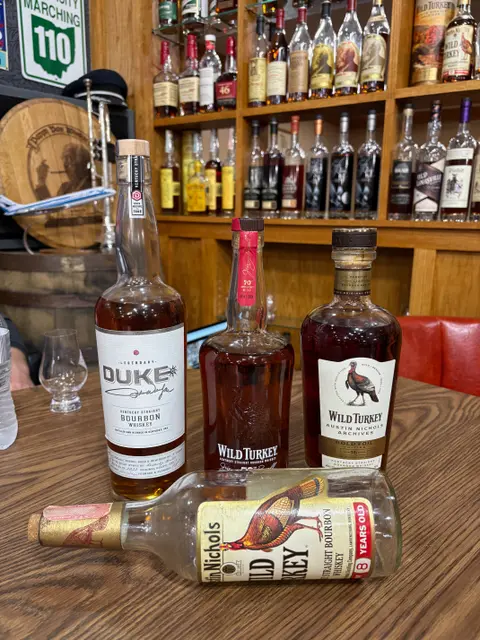
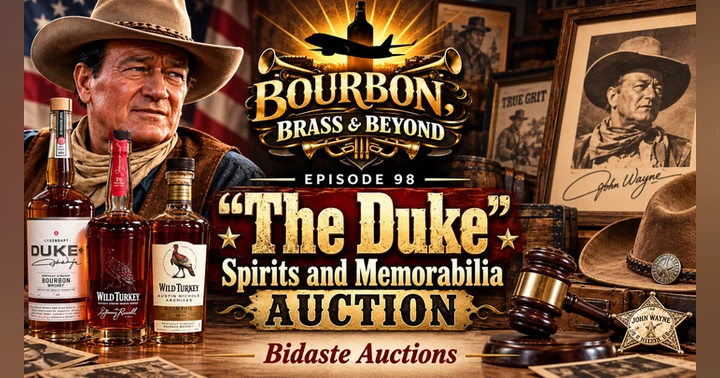
The hunt for vintage bourbon is about more than just nostalgia or collecting memorabilia associated with figures like John Wayne—who was famously rumored to keep cases of Wild Turkey shipped directly to his movie sets. It is an exploration into a lost style of whiskey making that modern regulations and mass-production efficiencies simply cannot replicate.
When you taste an authentic 1975 or 1983 Wild Turkey bottle, you are experiencing grain selections, yeast strains, and warehouse temperature fluctuations from an entirely different era of American distilling. While modern master distillers like Jimmy and Eddie Russell have done an incredible job maintaining the DNA of the brand through decades of changing consumer tastes, the laws of physics and chemistry mean that a 1980s low-entry-proof bourbon will always drink differently than its modern counterpart.
Conclusion: Savoring the Evolution of American Whiskey
Whether you prefer the bright, pepper-forward punch of a modern Wild Turkey release or the velvety, oily viscosity of a dusty 1980s bottle, understanding the mechanics behind barrel entry proof and aging gives you a deeper appreciation for every pour. The craft of bourbon making is constantly evolving, influenced by regulations, distillation tech, and consumer demand.
To hear more about vintage spirits, estate auctions, and rare bourbon tastings, Listen to the full episode of Bourbon, Brass & Beyond. Join Bob, Dan, and their guests as they explore rare collectibles, compare legendary pours, and share stories over a great glass of whiskey.
Frequently Asked Questions
What is barrel entry proof in bourbon making?
Barrel entry proof is the alcoholic strength of the whiskey when it is filled into the wooden barrel for aging. Prior to 1989, the standard barrel entry proof was lower (around 105 proof), whereas today most major distilleries enter whiskey into barrels at 125 proof.
Yes, Wild Turkey is well-known for utilizing a higher percentage of rye in its mash bill compared to many other traditional Kentucky bourbons, which gives the whiskey its signature spicy, peppery kick and distinctive earthy funk.
<h3 id="what makes dusty bourbons different from current releases?</h3>
Dusty bourbons—bottles distilled and sealed decades ago—differ from modern releases due to historical changes in distillation equipment, yeast strains, grain quality, aging warehouse environments, and the legal limits surrounding barrel entry proof.

Pilot / Dad / Trumpeter / Contract Negotiator / Martial Artist
In his 26th year as an airline pilot, Dan resides in Youngstown, Ohio with his high school sweetheart Stephanie. Combined they have 5 kids (teenagers...). They enjoy travel as a family, and as a couple. Dan has had a bourbon affinity since smelling his Grandfather's JW Dant and Grapefruit soda as a kid. Dan started collecting bourbon in 2015. He has been actively involved in Martial Arts since he was a kid and has Black Belts in two different styles. Dan still plays trumpet. Originally he went to college for music at Ohio University, but after his sophomore year decided he would much rather spend 3 hours in an airplane instead of a practice room. He still helps teach high school band camps, and has assisted with 5th and 6th grade Trumpet, Low Brass, and Percussion. Dan has been a Pilot Union Representative, Contract Negotiator, Merger Specialist, and Contract Compliance Administrator for over 20 years. Dan received the President's Lifetime Achievement Volunteer Service Award in 2024.
The Legend and the Pour: Exploring John Wayne Memorabilia and Duke Spirits