Unlocking Jefferson's Wood Experiment: A Deep Dive into Five Unique Bourbons
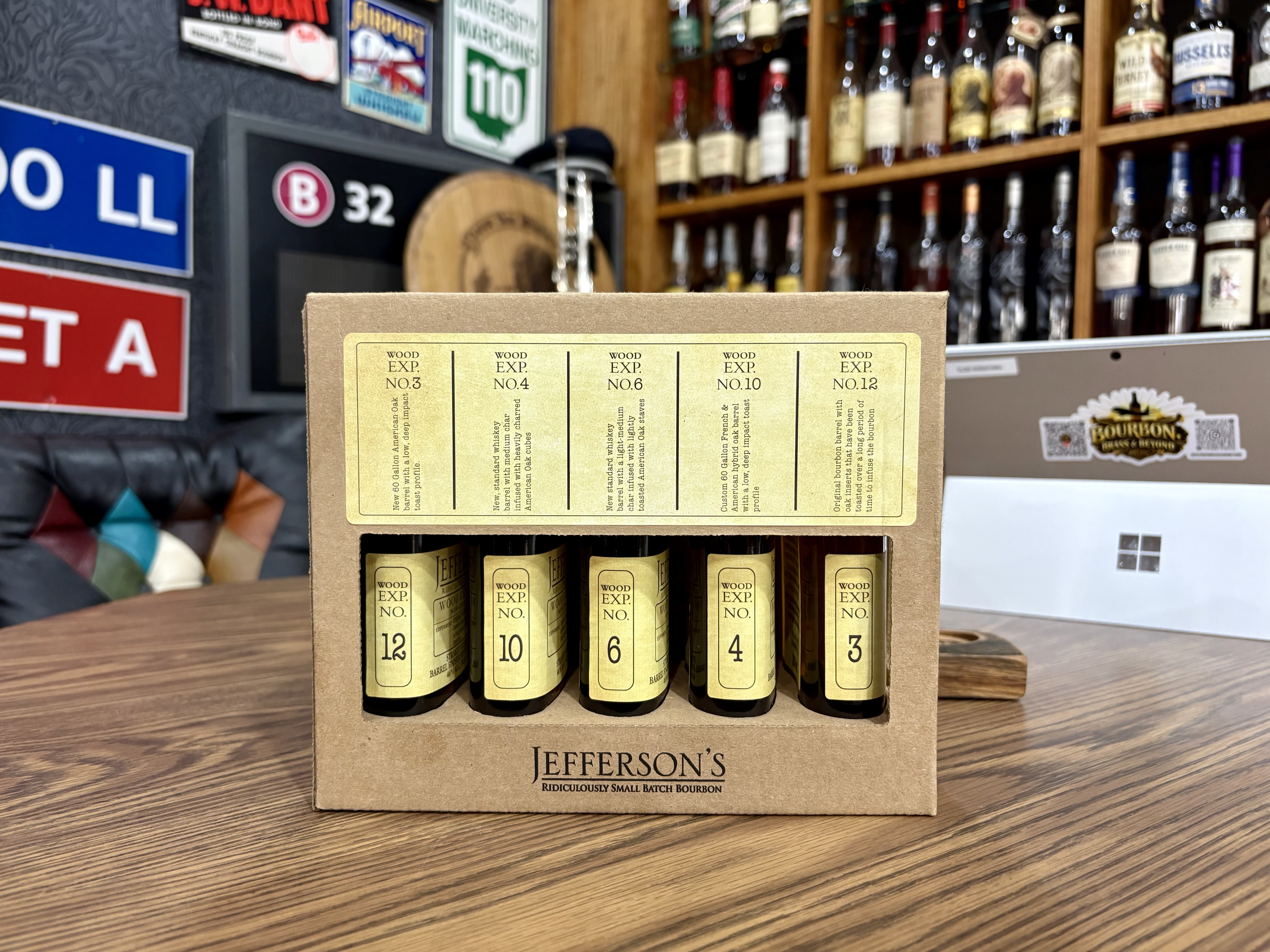
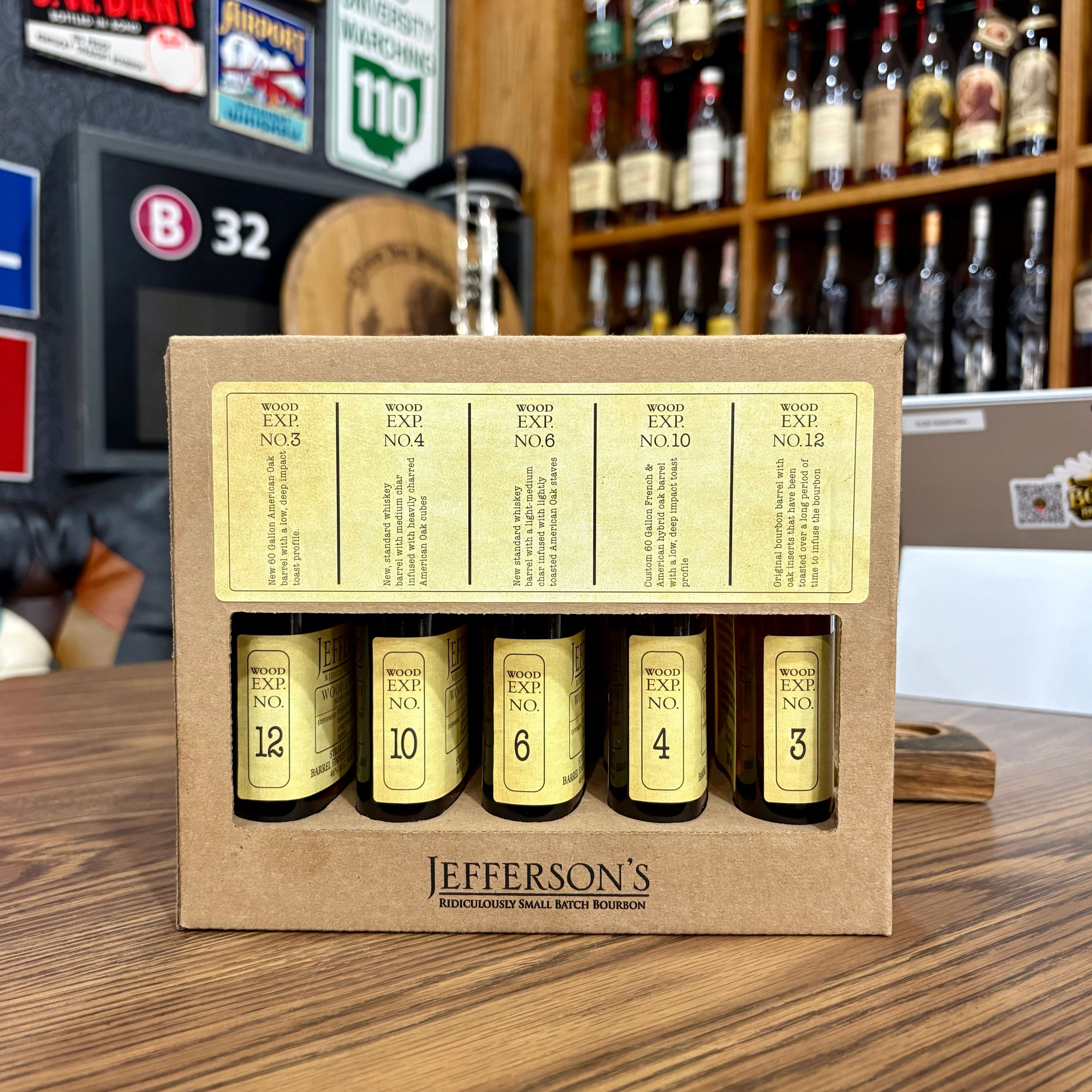
Welcome back, whiskey lovers and curious sippers! If you have ever wondered how the magic of wood truly transforms a simple grain spirit into a complex, amber nectar, you are in the absolute right place. On the podcast this week, we took a deep dive into one of the most fascinating lineups in modern whiskey history. We uncorked, poured, and analyzed a collection of five unique expressions from Jefferson's Bourbon, a brand renowned for pushing the traditional boundaries of maturation. If you missed the audio experience, make sure to catch up by listening to the Jefferson's Wood Experiment Collection; Ep. 76. In this companion blog post, we are going to expand on those tasting notes, break down the science of wood, and unpack why these radical aging techniques matter to anyone who loves a great pour.
Introduction to Jefferson's Experimental Bourbon Collection
Jefferson's Bourbon has never been afraid to color outside the lines. Founded by Trey Zoeller and his historian mother, the brand was built on a philosophy of experimentation, curiosity, and respect for the craft. While traditionalists often stick to standard mash bills and predictable barrel entry proofs, Jefferson's has consistently asked the "what if" questions. What happens if you age bourbon on the ocean? What happens if you introduce various wood types, char levels, and physical wood inserts into the barrel? The experimental wood collection we tasted is the physical manifestation of those burning questions.
When you look at the broader landscape of American whiskey, wood management is arguably the single most important factor in determining flavor. Up to seventy or eighty percent of a bourbon's final flavor profile comes directly from the barrel. By manipulating the environment inside that barrel—whether through toasted oak profiles, heavy charring, or hybrid oak designs—master blenders can fundamentally alter the trajectory of the liquid. Our recent tasting session was designed to put these theories to the test, pouring five distinct experiments side by side to see how minute changes in wood interaction create wildly different sensory experiences.
Unboxing and First Impressions of the Five Bourbons
Sipping through a flight of five experimental bourbons is an exercise in sensory anticipation. When we first unboxed and lined up these bottles in the studio, the visual differences alone were striking. Even though many of these liquids started from a similar baseline distillate, the color spectrum in our glencairn glasses ranged from a pale, shimmering gold to a deep, brooding mahogany. This immediate visual variance set the stage for an evening of genuine discovery.
First impressions matter in the world of spirits, and the nose on each of these expressions told a completely different story before a single drop touched our lips. Some greeted us with bright notes of green apple, honey, and baking spices, while others welcomed us with heavy aromas of dark chocolate, leather, and campfire smoke. Unboxing this collection felt less like opening standard commercial bottles and more like unlocking a scientist's private lab notes. Every single bottle represented a different hypothesis tested, aged, and bottled for the discerning whiskey enthusiast.
The Science of Wood: Toasted Oak and Charred Profiles
To truly appreciate what Jefferson's accomplished with these experiments, we have to geek out a little bit on the science of wood. Oak is not just a container; it is an active, reactive ingredient. When a cooper builds a barrel, the wood is subjected to heat. This heat transforms the chemical compounds within the oak—specifically hemicellulose, lignin, and tannins—into flavors that we love in our bourbon, such as vanilla, caramel, clove, and smoke.
Toasting the wood gently breaks down these compounds over a longer period, resulting in sweet, pastry-like notes, soft vanillas, and rich butterscotch. Charring the wood, on the other hand, creates a layer of active carbon that acts as a filter, stripping away harsh sulfur compounds while imparting deep, smoky, charred oak characteristics. Throughout our tasting session, we spent a significant amount of time discussing how these contrasting heat treatments—and the innovative use of toasted oak inserts and cubes—pushed the flavor needle in entirely new directions.
Tasting Notes and Flavor Observations Across Experiments
Let us get into the liquid itself. As we tasted our way through the lineup, certain experiments immediately demanded our attention. Take Experiment Number Three, for instance. Built around a distinctly toasted oak profile, this pour delivered an incredible creaminess on the palate. We picked up prominent notes of toasted marshmallows, graham crackers, and a hint of rich butter, proving just how much influence a careful toast level can have on mouthfeel.
Later in the flight, we explored Experiment Number Four, which utilized charred oak cubes to supercharge the wood interaction. The resulting flavor profile was robust, featuring bold leather, espresso beans, and a heavy kick of black pepper spice. We also dove into Experiment Number Six, which introduced a fascinating hybrid of French and American oak. American oak typically brings bold vanilla and dill, while French oak contributes exotic spices, floral notes, and dried fruit. Marrying the two created a complex bridge between Old World elegance and New World boldness.
Aging, Filtration, and Flavor Development
Beyond the wood itself, the mechanics of aging and filtration played a massive role in what we tasted in our glasses. A major topic of discussion during our recording was the impact of non-chill filtering. When whiskey is bottled without chill filtration, all of the natural fatty acids, proteins, and esters remain suspended in the liquid. These elements do not just contribute to a slightly oilier, richer mouthfeel; they also carry a tremendous amount of flavor depth.
As these experimental bourbons interacted with the varying wood treatments over time, the non-chill filtered nature of the expressions allowed the subtle nuances to shine through without being stripped away. We noticed how the finish lingered much longer on the palate, coating the mouth with layers of spice, sweet oak, and toasted nuts that evolved long after the initial sip had gone down.
Comparing Personal Preferences and Highlights
With five wildly different bourbons on the table, it was no surprise that personal preferences varied wildly in the studio. Stephanie and I found ourselves gravitating toward different expressions based on what we look for in a daily sipper versus a special occasion pour.
For instance, Experiment Number Ten, which leaned heavily into French oak and specialized toast profiles, offered an incredible complexity that appealed to the adventurous side of our palates. Meanwhile, Experiment Number Twelve, featuring innovative toasted oak inserts, provided a sweetness and approachability that made it an instant crowd-pleaser. Comparing these notes highlighted a fundamental truth about bourbon: there is no single "best" whiskey, only the whiskey that best speaks to your personal palate at any given moment.
Reflections on Kentucky Bourbon Culture and Distillery Visits
Diving into these experimental bottles inevitably brought back memories of our recent travels through the heart of Kentucky. Bourbon is more than just a drink; it is a culture, a history, and a community deeply rooted in the rolling hills of the Bluegrass State. During our trip, visiting legendary spots like the Heaven Hill distillery and exploring various other historic and craft destinations gave us a profound appreciation for the sheer amount of labor, patience, and passion that goes into making whiskey.
Sitting down with these experimental bottles felt like an extension of those distillery visits. You can taste the Kentucky soil, the heritage of the cooperages, and the visionary spirit of master blenders who refuse to settle for the status quo. It is an exciting time to be a bourbon enthusiast, as distilleries across the country—and yes, even conversations around emerging regions like Ohio's potential for whiskey production—continue to push the envelope of what is possible.
Closing Remarks and Future Whiskey Adventures
Jefferson's Wood Experiment collection is a masterclass in curiosity. By daring to manipulate wood, char, and toast in unconventional ways, they have given whiskey lovers a front-row seat to the chemistry of flavor. Whether you prefer the sweet, pastry-like notes of a heavy toast or the bold, spicy punch of intense charring, there is something deeply rewarding about exploring the outer edges of bourbon making.
Thank you for joining us on this written journey through our tasting notes. If you want to hear the full conversation, complete with all our live reactions, laughs, and deep dives into our Kentucky distillery adventures, make sure to listen to Jefferson's Wood Experiment Collection; Ep. 76. Until next time, keep exploring your glasses, pour something special for a friend, and stay curious on your whiskey adventures!
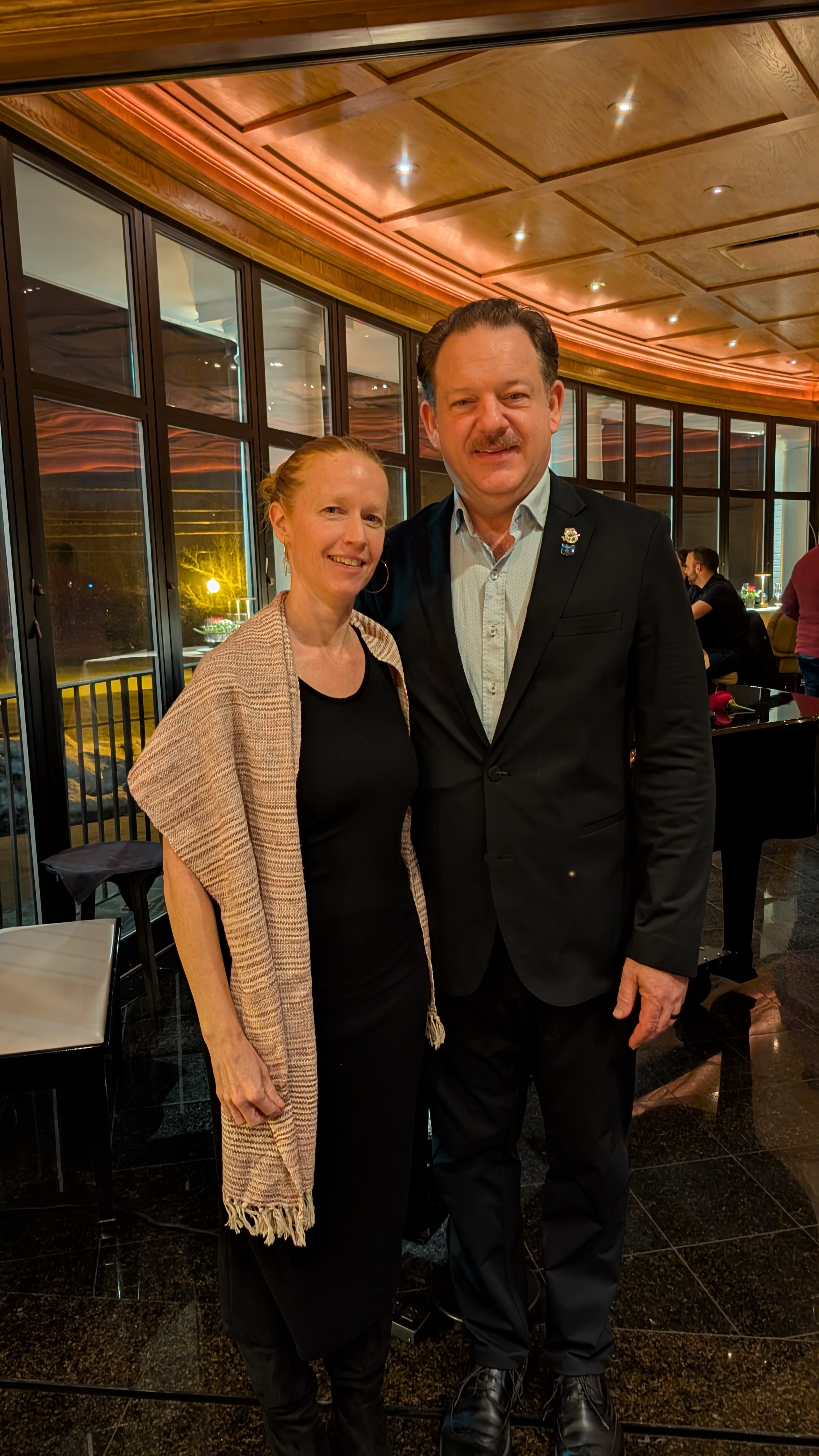
Pilot / Dad / Trumpeter / Contract Negotiator / Martial Artist
In his 26th year as an airline pilot, Dan resides in Youngstown, Ohio with his high school sweetheart Stephanie. Combined they have 5 kids (teenagers...). They enjoy travel as a family, and as a couple. Dan has had a bourbon affinity since smelling his Grandfather's JW Dant and Grapefruit soda as a kid. Dan started collecting bourbon in 2015. He has been actively involved in Martial Arts since he was a kid and has Black Belts in two different styles. Dan still plays trumpet. Originally he went to college for music at Ohio University, but after his sophomore year decided he would much rather spend 3 hours in an airplane instead of a practice room. He still helps teach high school band camps, and has assisted with 5th and 6th grade Trumpet, Low Brass, and Percussion. Dan has been a Pilot Union Representative, Contract Negotiator, Merger Specialist, and Contract Compliance Administrator for over 20 years. Dan received the President's Lifetime Achievement Volunteer Service Award in 2024.
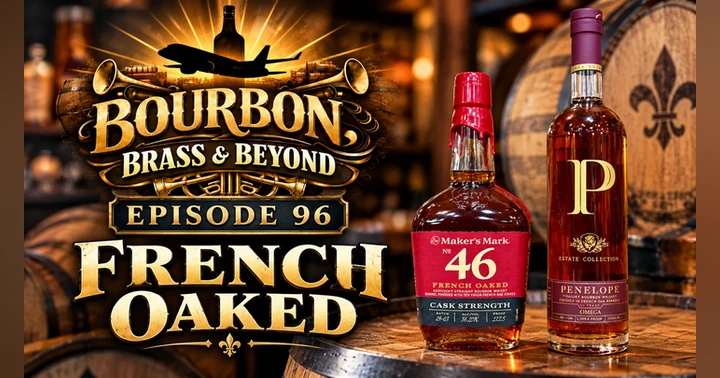
Penelope Omega 11 Year vs. Maker's Mark 46 Cask Strength: The Ultimate Breakdown