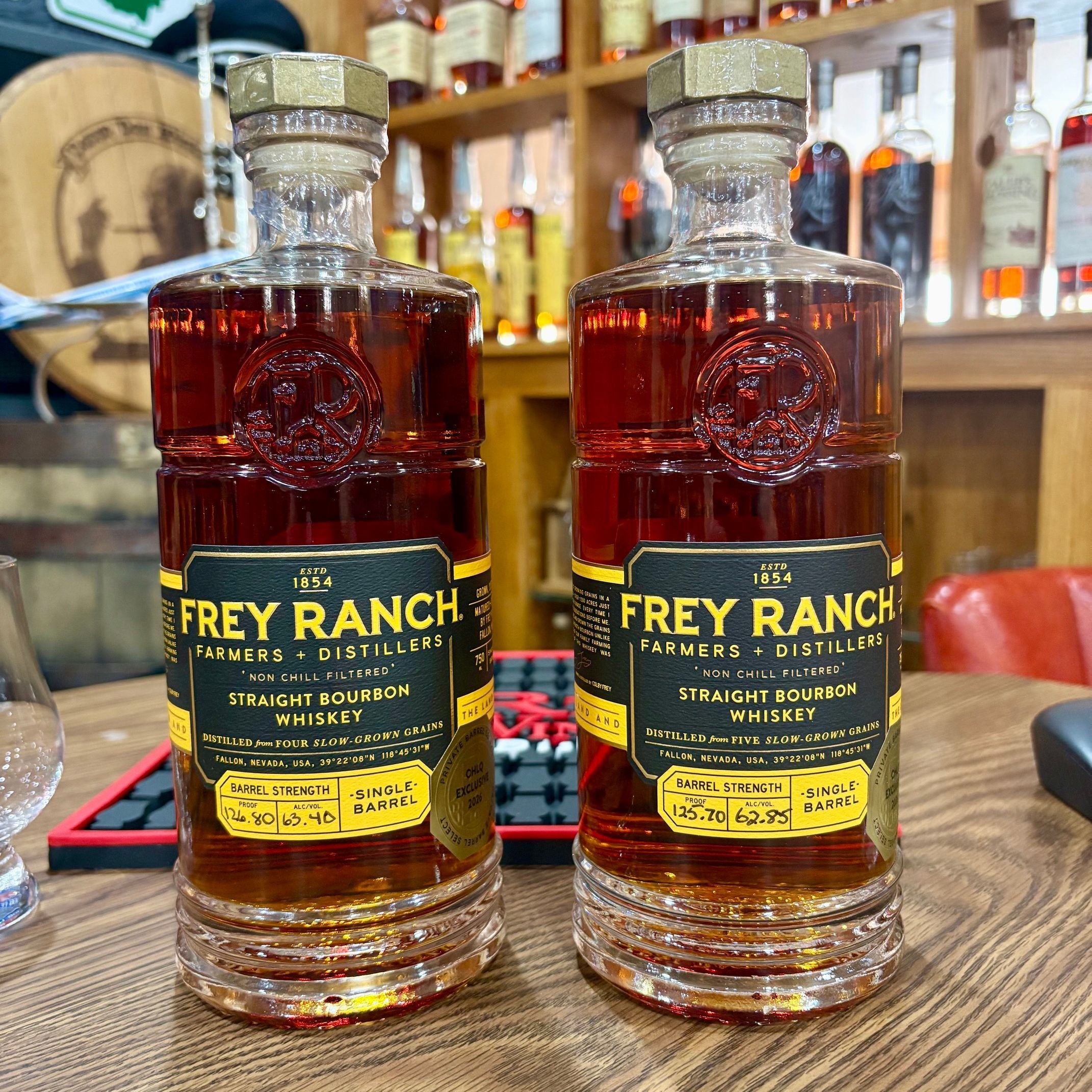
The Frey Ranch 4 & 5 Grain: A Deep Dive into Grain Influence
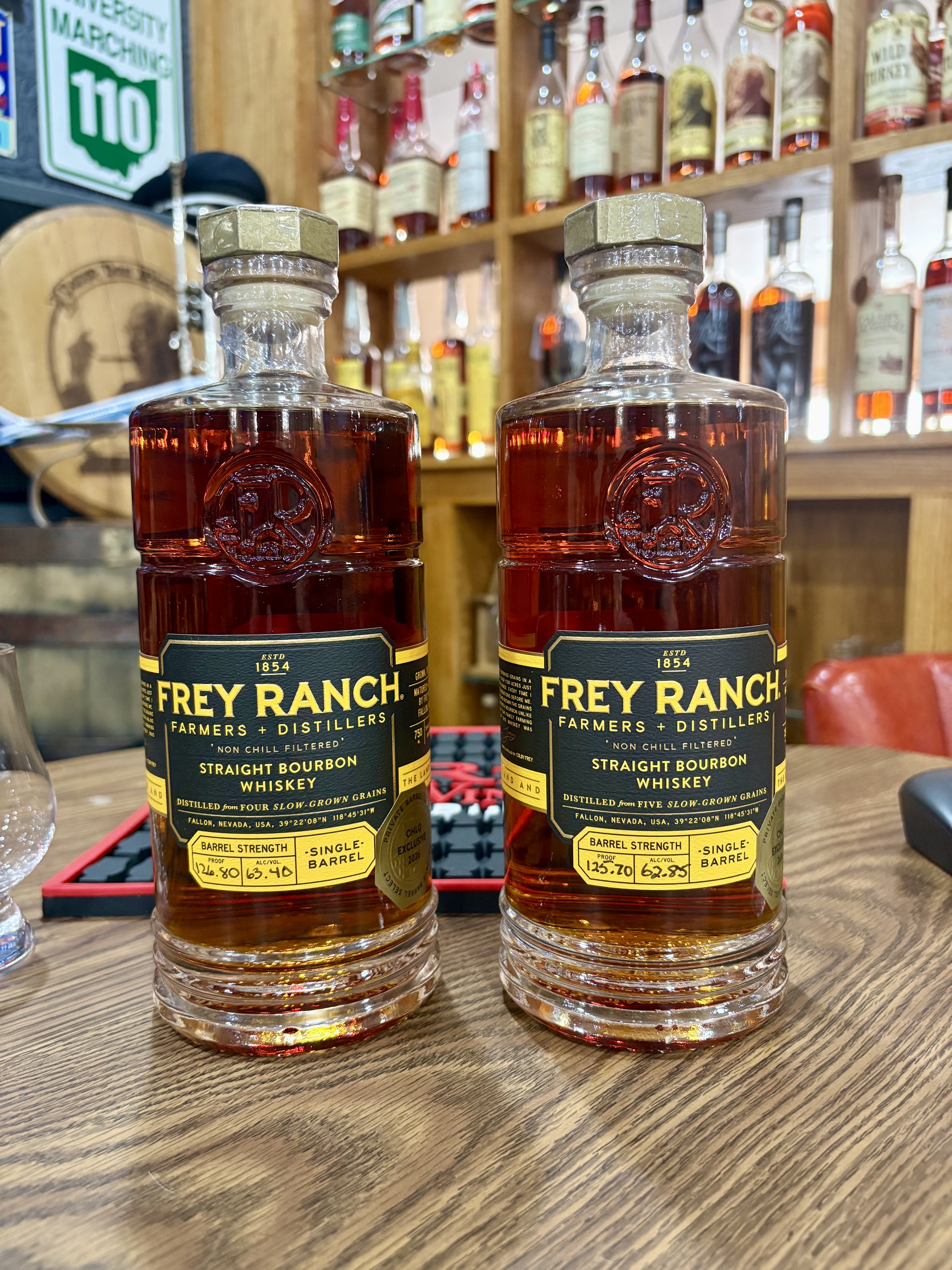
Welcome back to the blog, whiskey enthusiasts! In our latest episode, titled Frey Ranch 4 and 5 Grain #OHLQ Single Barrel Picks; Ep. 67, we delved into the fascinating world of Frey Ranch bourbons, specifically the 4 Grain and 5 Grain expressions. We had a fantastic time dissecting the nuances of these well-crafted spirits, and in this post, we’re going to expand on a key element that truly sets them apart: the influence of their constituent grains. The choices a distiller makes regarding the grains – from the foundational corn and rye to the more nuanced additions like wheat and oats – profoundly shape the final flavor, aroma, and overall character of a bourbon. Join us as we take a closer look at how Frey Ranch masterfully uses these ingredients to create distinct and memorable whiskeys.
Introduction to Frey Ranch and the Impact of Grains
Frey Ranch Distillery, based in Nevada, has been making waves in the bourbon community with its commitment to quality and its innovative approach to grain selection. What’s particularly compelling about Frey Ranch is their dedication to estate distilling, meaning they grow a significant portion of their own grains. This level of control over their raw materials allows them to meticulously craft their mash bills and, consequently, their flavor profiles. The foundation of any bourbon is corn, which provides sweetness and body. However, the remaining grains – the ‘flavoring grains’ – are where a distiller can truly express their artistry. Rye often contributes spice and a drier finish, while wheat tends to bring a softer, sweeter, and more approachable character. And then there are the less common additions, like oats, which can introduce a rich, almost creamy texture and subtle nutty notes. Understanding these foundational ingredients is the first step to appreciating the complexity and depth of a bourbon. In our podcast episode, we touched upon these elements, but here, we’ll unpack them in detail.
Understanding the Frey Ranch 4 Grain: A Grain Breakdown
Frey Ranch’s 4 Grain bourbon is a testament to thoughtful blending. While the exact mash bill is proprietary information, we can infer a balanced approach from its tasting profile. Typically, a four-grain bourbon would include corn as the base, followed by rye for spice, wheat for sweetness and body, and a fourth grain that adds another layer of complexity. In the case of Frey Ranch's 4 Grain, the presence of oats is often a significant factor, contributing a distinct mouthfeel and flavor that differentiates it from bourbons solely relying on rye and wheat as secondary grains. Oats are known to impart a luscious, almost velvety texture to the palate, alongside subtle notes of toasted nuts or even a hint of cereal. This makes the 4 Grain a bourbon that is often described as smooth, approachable, and possessing a rounded sweetness. The interplay between the corn’s sweetness, the rye’s kick, the wheat’s mellowing effect, and the oats’ textural contribution creates a harmonious drinking experience. It's a bourbon that aims for balance, offering something for everyone without being overly assertive in any single flavor category.
Delving into the Frey Ranch 5 Grain: What's That Fifth Grain?
The introduction of a fifth grain into the Frey Ranch lineup naturally sparks curiosity. What is this additional ingredient, and how does it elevate the bourbon beyond the 4 Grain expression? While the exact composition can vary slightly depending on the specific release, the 5 Grain bourbon typically builds upon a similar foundation but introduces another element to further refine and complicate the flavor profile. It’s this subtle shift, this added layer of complexity, that we explored in Episode 67. The fifth grain can serve various purposes. It might be another type of malted grain, like barley, which contributes its own unique enzymatic and flavor-building properties. Or it could be another unique grain that adds a specific textural or aromatic note. The key takeaway is that the fifth grain isn't just an arbitrary addition; it’s a deliberate choice intended to enhance the overall sensory experience. This might manifest as a more pronounced nuttiness, an enhanced sweetness, a different kind of spice, or an even richer mouthfeel. The 5 Grain bourbon is where Frey Ranch truly showcases its commitment to pushing the boundaries of traditional bourbon making.
The Subtle Art of Grain Influence: Oats, Wheat, and Beyond
Let's take a moment to really appreciate the individual roles of these grains. Corn, as we know, is the backbone, providing the fundamental sweetness and characteristic bourbon body. It’s like the steady rhythm section in a band, providing the essential beat. Rye, on the other hand, is the lead guitarist, often bringing a sharp, spicy edge. It can range from a gentle tingle to a fiery kick, depending on its percentage in the mash bill. Wheat, often used as a softer alternative to rye, is the smooth vocalist. It lends a gentler sweetness, a rounded mouthfeel, and a more approachable character, often reminiscent of baked goods or even floral notes. Then comes oats, the often-unsung hero in many bourbons. Oats can introduce a remarkable creaminess, a silky texture that coats the palate, and subtle notes of toasted oats or honey-roasted nuts. This creamy texture is often what sets an oat-inclusive bourbon apart, making it feel more luxurious and substantial. The “fifth grain” in the Frey Ranch 5 Grain could be any number of things, but its intention is always to add another dimension. It could be malted barley, contributing its own subtle malty sweetness and complex enzymatic interactions during fermentation. Or it could be another heirloom grain, chosen for its unique flavor contribution. The subtle art lies in how these individual notes, from the bold to the whisper-soft, are woven together by the distiller to create a cohesive and compelling narrative in the glass.
Comparing the Flavor Profiles: 4 Grain vs. 5 Grain
The most direct way to understand the impact of the extra grain is through direct comparison. In our podcast, we spent considerable time dissecting the sensory experiences of both the Frey Ranch 4 Grain and 5 Grain. Generally, the 4 Grain tends to present a more straightforward, yet beautifully balanced, profile. You might expect notes of caramel, vanilla, and a gentle rye spice, all rounded out by that characteristic oat creaminess. It’s often a bourbon that is easy to enjoy, offering immediate pleasure. The 5 Grain, however, takes these elements and adds another layer of sophistication. The fifth grain introduces a new dimension, often subtle but noticeable. This could be an enhanced nuttiness, a different type of sweetness, or a more complex spicy finish. It’s the difference between a well-composed symphony and one with an added, intriguing solo instrument. The 5 Grain often possesses a deeper, more nuanced flavor profile that unfolds with each sip. The journey through the palate might be longer, revealing more intricate flavors as it evolves. This isn’t to say one is definitively “better” than the other; they are simply different expressions of Frey Ranch’s craft, each with its own unique appeal.
Nose and Palate Nuances: What the Grains Reveal
The nose and palate are the primary conduits through which we experience a bourbon’s character, and the grains play a pivotal role in shaping these. In the 4 Grain, the aroma might be a delightful interplay of sweet corn, a hint of rye spice, and perhaps a subtle nutty or toasty note from the oats. On the palate, you’ll likely find that creamy texture upfront, followed by a balanced sweetness, perhaps some dried fruit, and a gentle spice that lingers pleasantly. The 5 Grain, however, can offer a more intricate aromatic bouquet. That fifth grain might introduce a new aromatic facet, perhaps something floral, herbaceous, or even a deeper, richer toastiness. On the palate, the texture might be further refined, and the flavors could be more complex. You might encounter a more pronounced dark fruit character, a more layered spice profile, or a lingering finish that speaks to the careful integration of all five grains. For instance, that "Dr. Pepper after finish, sweet cola" note we discussed in the episode could very well be the result of the synergistic effect of the grains and aging process in the 5 Grain, creating a familiar yet distinct flavor combination.
Sweetness and Bitterness: How Grain Choices Shape the Experience
The balance between sweetness and bitterness is a cornerstone of any well-made spirit, and the choice of grains is a significant determinant of this equilibrium. Corn naturally provides sweetness, while rye can introduce bitterness, especially if it’s a significant component of the mash bill. Wheat, as we’ve discussed, tends to mellow out both sweetness and bitterness, offering a softer, more rounded profile. Oats can contribute a subtle sweetness, often akin to honey or malt, without adding significant bitterness. The addition of a fifth grain can further influence this dynamic. Some grains might lean towards enhancing sweetness, while others might introduce a more complex, earthy bitterness or a dry, tannic quality. The masterful blending of these grains by Frey Ranch allows them to precisely tune this sweet-bitter spectrum. In the 4 Grain, you might find a pleasing sweetness balanced by a mild rye spice that prevents it from becoming cloying. The 5 Grain, with its added complexity, might offer a more nuanced interplay, where sweetness is present but interwoven with other flavor notes, creating a more sophisticated and less overtly sweet profile. The goal is not necessarily to eliminate bitterness, but to integrate it in a way that adds depth and complexity to the overall flavor.
Personal Preferences and Divisive Whiskeys
It’s a well-known adage in the whiskey world that taste is subjective. What one person finds incredibly appealing, another might find less so. Bourbons that feature less common grain combinations, like those with oats or multiple rye varieties, can often be divisive. Some drinkers adore the unique textures and flavors they impart, while others might prefer a more traditional profile. The Frey Ranch 4 Grain and 5 Grain bourbons, with their specific grain bills, can certainly fall into this category for some. You might love the creamy texture of the 4 Grain, while a friend might find it a bit too unusual. Similarly, the nuanced complexity of the 5 Grain might be exactly what another whiskey drinker is searching for, while someone else might prefer a more straightforward dram. This is part of the joy of whiskey exploration: discovering what resonates with your palate. As we discussed on the podcast, our personal experiences and preferences shaped our enjoyment of these particular bottles. There’s no right or wrong answer; it’s all about finding what speaks to you. The fact that these bourbons evoke strong opinions, whether positive or negative, is a testament to their unique character.
The Role of Aging and Grain Blends
While grains are the building blocks of flavor, the aging process is what truly transforms them into bourbon. The interaction of the spirit with the charred oak barrel over time extracts compounds that add color, depth, and complexity. The type of oak, the char level, and the duration of aging all play a crucial role. However, the grain bill acts as the initial blueprint for what those aged flavors will be. A spirit with a high rye content will likely develop different oak-influenced notes compared to one with a higher wheat content. The interplay between the specific grains and the aging process is a dance of flavors. The oat creaminess in the 4 Grain, for example, might be further enhanced by the barrel, leading to a richer mouthfeel even after extended aging. The complex layering of the 5 Grain might become even more pronounced and integrated as it matures. The skill of the distiller lies in selecting grains that will not only taste good on their own but will also age gracefully and develop into something truly exceptional. The barrel acts as a catalyst, unlocking and amplifying the potential inherent in the chosen grains.
Final Thoughts and Recommendations from the Podcast
In conclusion, the Frey Ranch 4 Grain and 5 Grain bourbons offer a compelling exploration of grain influence in whiskey. As we explored in Episode 67, the subtle yet significant impact of ingredients like oats and wheat, and the addition of that fifth grain, creates distinct and memorable drinking experiences. The 4 Grain provides a beautifully balanced and approachable profile, often characterized by its creamy texture and harmonious flavors. The 5 Grain takes this foundation and adds an extra layer of complexity and nuance, rewarding the drinker with a more intricate journey through the palate. For those new to Frey Ranch or looking to explore bourbons with unique grain bills, we highly recommend trying both the 4 Grain and 5 Grain. If you appreciate a smoother, creamier mouthfeel and a well-rounded sweetness, the 4 Grain is an excellent starting point. If you’re someone who enjoys dissecting layered flavors and seeks out bourbons with a bit more depth and intrigue, the 5 Grain might be your preference. Ultimately, as we often say on Bourbon, Brass & Beyond, the best bourbon is the one you enjoy the most. So, grab a bottle, pour a dram, and let the grains tell you their story. We hope this deep dive has enriched your appreciation for the craft and complexity behind these fantastic Frey Ranch expressions. Cheers!

Pilot / Dad / Trumpeter / Contract Negotiator / Martial Artist
In his 26th year as an airline pilot, Dan resides in Youngstown, Ohio with his high school sweetheart Stephanie. Combined they have 5 kids (teenagers...). They enjoy travel as a family, and as a couple. Dan has had a bourbon affinity since smelling his Grandfather's JW Dant and Grapefruit soda as a kid. Dan started collecting bourbon in 2015. He has been actively involved in Martial Arts since he was a kid and has Black Belts in two different styles. Dan still plays trumpet. Originally he went to college for music at Ohio University, but after his sophomore year decided he would much rather spend 3 hours in an airplane instead of a practice room. He still helps teach high school band camps, and has assisted with 5th and 6th grade Trumpet, Low Brass, and Percussion. Dan has been a Pilot Union Representative, Contract Negotiator, Merger Specialist, and Contract Compliance Administrator for over 20 years. Dan received the President's Lifetime Achievement Volunteer Service Award in 2024.
Penelope Omega 11 Year vs. Maker's Mark 46 Cask Strength: The Ultimate Breakdown