The 'Dusty' Bourbon Experience: A Nostalgic Look at Older Releases
Introduction: What is a 'Dusty' Bourbon?
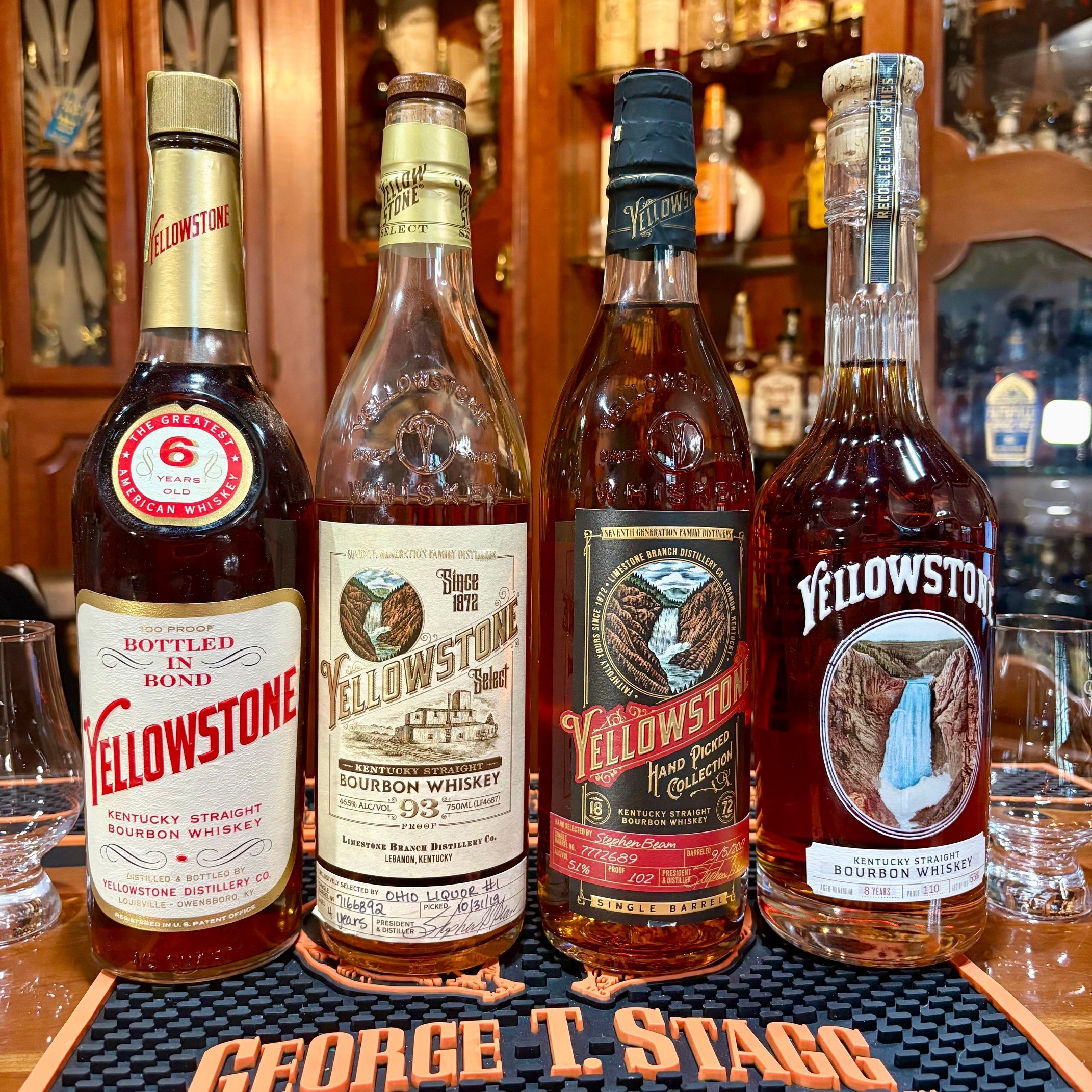
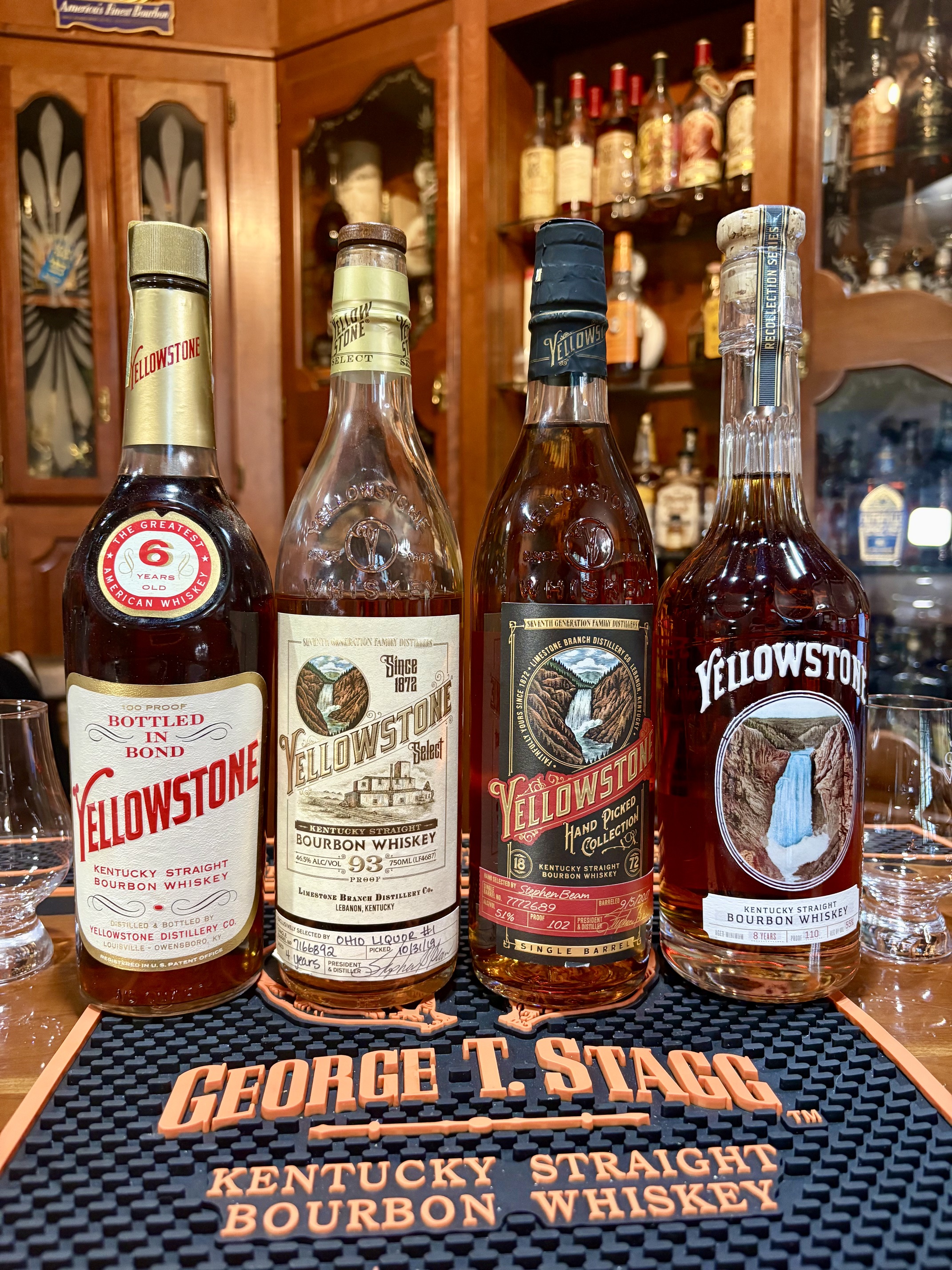
Welcome back to the blog, bourbon enthusiasts! If you tuned into our latest episode, "Unveiling Yellowstone Bourbon: A Journey Through Time and Taste; Episode 50!!!", you know we dove deep into the captivating world of Yellowstone bourbon. In that episode, we touched upon the incredible experience of tasting older bottlings, and today, we’re dedicating this post to that very allure – the phenomenon of the 'dusty' bourbon. The term 'dusty' in the bourbon world refers to older, often overlooked bottles that have been sitting on liquor store shelves for years, sometimes even decades, before being discovered. These aren't necessarily the highly allocated, limited-edition releases that command astronomical prices on the secondary market. Instead, they are bottles that, for whatever reason, remained undiscovered, gathering dust and developing a unique character over time. They represent a tangible link to a different era of bourbon production, a time when the market dynamics and consumer preferences were distinct from what we see today. The appeal of 'dusty' bourbons lies not just in their rarity, but in the story they tell, the craftsmanship they embody, and the unique flavor profiles they offer. It's a journey back in time, a sensory exploration of bourbon's rich history, and in this post, we’ll be using Yellowstone as our guide, exploring why these older releases hold such a special place in the hearts of collectors and connoisseurs alike.
The Allure of Yellowstone: A History of Ownership and Evolution
To truly appreciate the 'dusty' experience, especially with a brand like Yellowstone, we must first understand its rich and complex history. Yellowstone bourbon has a lineage that stretches back to the late 19th century. Founded by J.B. Dant, the brand has seen numerous ownership changes and distillery evolutions throughout its existence. This constant flux is precisely what makes older Yellowstone bottles so fascinating. Each era of ownership, each change in the distillery where it was produced, imprinted its own characteristics onto the spirit. Early bottlings might have come from distilleries utilizing different mash bills, yeast strains, or aging techniques than those used later. As we discussed in episode 50, the brand has been produced by various entities, including the original Dant family, Schenley Industries, United Distillers, Luxco, and now, Limestone Branch Distillery, operated by the descendants of the Dant family. This rich tapestry of ownership means that a 'dusty' Yellowstone from the 1970s might taste vastly different from one from the 1990s, or even an earlier bottling from the mid-20th century. These bottles are not just bourbon; they are historical artifacts, each one a snapshot of a particular moment in American whiskey-making. Understanding this history is crucial because it provides context for the tasting notes and the overall 'dusty' experience. It helps us appreciate the journey the spirit has taken, not just in the barrel, but through the hands of different distillers and owners. The brand's association with national parks also adds a layer of Americana and heritage that resonates deeply with many enthusiasts. This historical depth is a key component of the 'dusty' bourbon allure, transforming a simple drink into a narrative of American industrial and cultural evolution.
Uncorking the Past: Tasting Notes of Older Yellowstone Releases
The real magic of 'dusty' bourbons, and specifically older Yellowstone releases, lies in their taste. While modern bourbons are often crafted with a focus on consistency and market appeal, older bottlings, especially those that sat unnoticed, can develop incredibly unique and often complex flavor profiles. When we talk about tasting notes from older Yellowstone bottlings, we're often referring to characteristics that are less common in today's readily available expressions. Expect to encounter deeper, richer fruit notes – think dried cherries, figs, or even stewed plums – rather than the brighter, fresher fruit notes found in younger spirits. The oak influence tends to be more integrated and nuanced, offering notes of polished wood, leather, pipe tobacco, and a subtle, pleasant spiciness that can range from cinnamon to clove. There's often a richer, more pronounced sweetness, reminiscent of dark caramel, toffee, or even molasses. The mouthfeel is frequently described as more viscous, with a velvety texture that coats the palate. And then there's that signature 'dusty' note itself – a subtle, almost ethereal aroma or taste that's hard to define but instantly recognizable to those who seek it out. It can manifest as old paper, dry leaves, or a hint of mustiness that, surprisingly, adds to the complexity rather than detracting from it. In our podcast episode, we touched upon the butterscotch notes that can emerge, a testament to the unique interaction of the spirit with the barrel over extended periods. These aren't the sharp, artificial sweetness you might find in some modern candies, but a deep, rich, and almost savory butterscotch that speaks of time and patience. Each sip is a discovery, a conversation with the past. It's a reminder that bourbon isn't static; it evolves, and these older bottles are living proof of that dynamic process. The specific tasting notes will vary wildly depending on the exact bottling date, distillery of origin, and storage conditions, making each 'dusty' discovery a personal exploration.
The 'Dusty' Difference: Unique Characteristics of Aged Bourbons
What exactly makes a 'dusty' bourbon, and by extension, an older Yellowstone, so different from its contemporary counterparts? It’s a confluence of factors, many of which are difficult or impossible to replicate today. Firstly, the barrels used in the past may have been made from different types of oak or toasted and charred using different methods. The environmental conditions of storage were also often distinct. Warehouses in the mid-20th century might have been situated in different locations, leading to varied temperature fluctuations, humidity levels, and air circulation, all of which play a critical role in the aging process. The distillation process itself might have been less standardized. There were fewer regulations and less sophisticated equipment, leading to greater variability from batch to batch – variability that, in older bottlings, often translated into unique and desirable flavor characteristics. Furthermore, the mash bills themselves could have been different. Distillers might have experimented more freely with grain ratios, leading to a broader spectrum of flavor potentials. The alcohol by volume (ABV) at bottling was also often different. Many older bourbons were barreled at lower proofs than their modern counterparts, contributing to a more intense and complex flavor profile. The absence of chill filtration in many older bottlings is another key differentiator. Chill filtration removes certain fatty acids and esters that contribute to mouthfeel and flavor. While it provides a clearer, more visually appealing spirit, it can strip away some of the character. Thus, 'dusty' bourbons often offer a richer, more unctuous mouthfeel and a more robust flavor. It's this combination of historical manufacturing practices, environmental factors, and the simple passage of time that imbues these older bottles with their distinctive personality, setting them apart from the polished and predictable bourbons of today.
Bottle Hunting and Rare Finds: The Thrill of the Chase
The pursuit of 'dusty' bourbons is a hobby in itself, a thrilling treasure hunt for many enthusiasts. It’s not about visiting the most exclusive liquor stores or participating in high-stakes auctions. The true joy of 'dusty' hunting lies in the serendipitous discovery. It often involves visiting small, independent liquor stores, particularly those in older neighborhoods or rural areas, where the owner might not be as up-to-date on current bourbon trends and pricing. You might find a dusty bottle tucked away on a back shelf, behind newer releases, or even in a discount bin. The thrill comes from spotting that familiar, yet dated, label, recognizing the potential for a hidden gem. It's about the story the bottle tells before you even open it – the faded label, the slightly oxidized cork, the dust that has settled over years. The internet has somewhat democratized information, allowing enthusiasts to recognize older bottlings and their potential value, but the physical act of searching, of digging through shelves and engaging with store owners (who may or may not know what they have), remains a core part of the experience. Websites like Revival Vintage Spirits, which we mentioned as a resource in our podcast's show notes, offer a glimpse into the world of vintage spirits, but the true 'dusty' hunter often finds their greatest victories in the most unexpected places. It’s a patience game, a reward for persistence, and when you finally unearth a forgotten bottle of Yellowstone from a bygone era, the feeling of accomplishment is immense. This element of surprise and the potential for a significant find keeps the 'dusty' bourbon community vibrant and engaged. It’s a pursuit that rewards the curious, the observant, and those with a deep appreciation for bourbon's past.
Nostalgia in a Glass: Personal Stories and Bourbon Memories
Beyond the liquid itself, 'dusty' bourbons evoke a powerful sense of nostalgia. For many, these bottles are more than just spirits; they are time capsules, connecting them to personal memories, family traditions, and simpler times. When you uncork a 'dusty' Yellowstone, you might be transported back to a holiday gathering where a similar bottle was enjoyed, or to a moment when a grandparent shared a story over a glass of bourbon. These are the memories that fuel the passion for many enthusiasts. The act of tasting a 'dusty' bourbon is often a shared experience, one that prompts storytelling and reminiscence. It's about the conversations that arise, the shared appreciation for the past, and the personal connections that are forged over a good dram. The 'dusty' phenomenon taps into a broader cultural appreciation for vintage items and the stories they carry. In an age of rapid change and constant innovation, there's a deep human desire to connect with history, with authenticity, and with the craftsmanship of yesteryear. 'Dusty' bourbons, with their tangible link to the past, offer precisely that. They represent a time when bourbon was perhaps less about marketing hype and more about genuine tradition and quality. In episode 50, we heard snippets of personal stories and reflections from our own bourbon journeys, and this is exactly the kind of sentiment that 'dusty' bourbons amplify. They become anchors to our past, allowing us to revisit cherished moments and honor the legacy of those who came before us, both in the bourbon industry and in our own lives.
Why 'Dusty' Bourbons Resonate with Enthusiasts Today
In today's bourbon landscape, characterized by high demand, allocated releases, and often eye-watering prices for the latest limited editions, 'dusty' bourbons offer a refreshing alternative. They represent a more accessible form of rarity, a chance to experience something genuinely unique without breaking the bank or navigating complex lottery systems. The appeal is multi-faceted. Firstly, there's the element of discovery, the thrill of the hunt, and the satisfaction of unearthing a forgotten treasure. Secondly, there's the undeniable quality and complexity of the spirit itself. Many 'dusty' bourbons offer flavor profiles that are simply not found in contemporary bottlings, a testament to different production methods and extended aging. Thirdly, there's the historical and nostalgic aspect. These bottles are tangible links to the past, evoking memories and a sense of connection to bourbon's rich heritage. They offer a counterpoint to the often fast-paced and consumer-driven nature of the modern whiskey market. They remind us that bourbon is a product of time, tradition, and craftsmanship. The 'dusty' experience is an invitation to slow down, to appreciate the nuances, and to engage with bourbon on a deeper, more personal level. It's about more than just the taste; it's about the story, the history, and the personal journey of discovery. For enthusiasts seeking authenticity and a connection to bourbon's roots, the 'dusty' bottle remains an incredibly compelling proposition, a testament to the enduring power of time-honored craftsmanship.
Conclusion: The Enduring Appeal of Vintage Bourbon
As we wrap up this deep dive into the captivating world of 'dusty' bourbons, it’s clear that their allure extends far beyond mere rarity. These bottles, like the older Yellowstone releases we explored, offer a multifaceted experience that resonates deeply with enthusiasts. They are a portal to the past, a testament to evolving distillation and aging techniques, and a source of profound personal nostalgia. In our latest episode, "Unveiling Yellowstone Bourbon: A Journey Through Time and Taste; Episode 50!!!", we embarked on a similar journey, uncovering the rich history and tasting notes of Yellowstone. This blog post serves as an extension of that exploration, highlighting the unique characteristics and the thrilling pursuit of these older, often overlooked, treasures. The 'dusty' bourbon experience is a reminder that great whiskey is not just about what's currently being produced, but also about the legacy and the time-tested craftsmanship that came before. It’s a celebration of patience, discovery, and the enduring magic that happens when a spirit is left to mature and tell its story. Whether you're a seasoned collector or a curious newcomer, the quest for a 'dusty' gem, perhaps an older Yellowstone bottle waiting to be discovered, offers a truly rewarding and unforgettable bourbon adventure. Thank you for joining us on this nostalgic journey, and we look forward to continuing to explore the vast and fascinating world of bourbon with you on future episodes and blog posts.

Pilot / Dad / Trumpeter / Contract Negotiator / Martial Artist
In his 26th year as an airline pilot, Dan resides in Youngstown, Ohio with his high school sweetheart Stephanie. Combined they have 5 kids (teenagers...). They enjoy travel as a family, and as a couple. Dan has had a bourbon affinity since smelling his Grandfather's JW Dant and Grapefruit soda as a kid. Dan started collecting bourbon in 2015. He has been actively involved in Martial Arts since he was a kid and has Black Belts in two different styles. Dan still plays trumpet. Originally he went to college for music at Ohio University, but after his sophomore year decided he would much rather spend 3 hours in an airplane instead of a practice room. He still helps teach high school band camps, and has assisted with 5th and 6th grade Trumpet, Low Brass, and Percussion. Dan has been a Pilot Union Representative, Contract Negotiator, Merger Specialist, and Contract Compliance Administrator for over 20 years. Dan received the President's Lifetime Achievement Volunteer Service Award in 2024.
Penelope Omega 11 Year vs. Maker's Mark 46 Cask Strength: The Ultimate Breakdown