The Allure of the 'Old Dusty Funk': Unpacking Unique Bourbon Flavor Profiles
Welcome back to the blog, fellow bourbon enthusiasts! In our latest episode, we dove deep into the fascinating and often elusive world of unique bourbon flavor profiles, particularly the phenomenon affectionately known as 'old dusty funk'. This term, while perhaps a little unconventional, perfectly encapsulates a certain je ne sais quoi that seasoned collectors and adventurous drinkers seek out in their drams. It’s a flavor profile that whispers tales of time, meticulous craftsmanship, and sometimes, a touch of forgotten magic. This blog post aims to expand on the captivating discussions we had on the podcast, exploring what exactly constitutes this intriguing 'funk', the science behind its creation, and why certain bottles, especially those carrying this elusive character, have become so coveted. So, grab a glass, settle in, and let's uncork the secrets of the 'old dusty funk'.
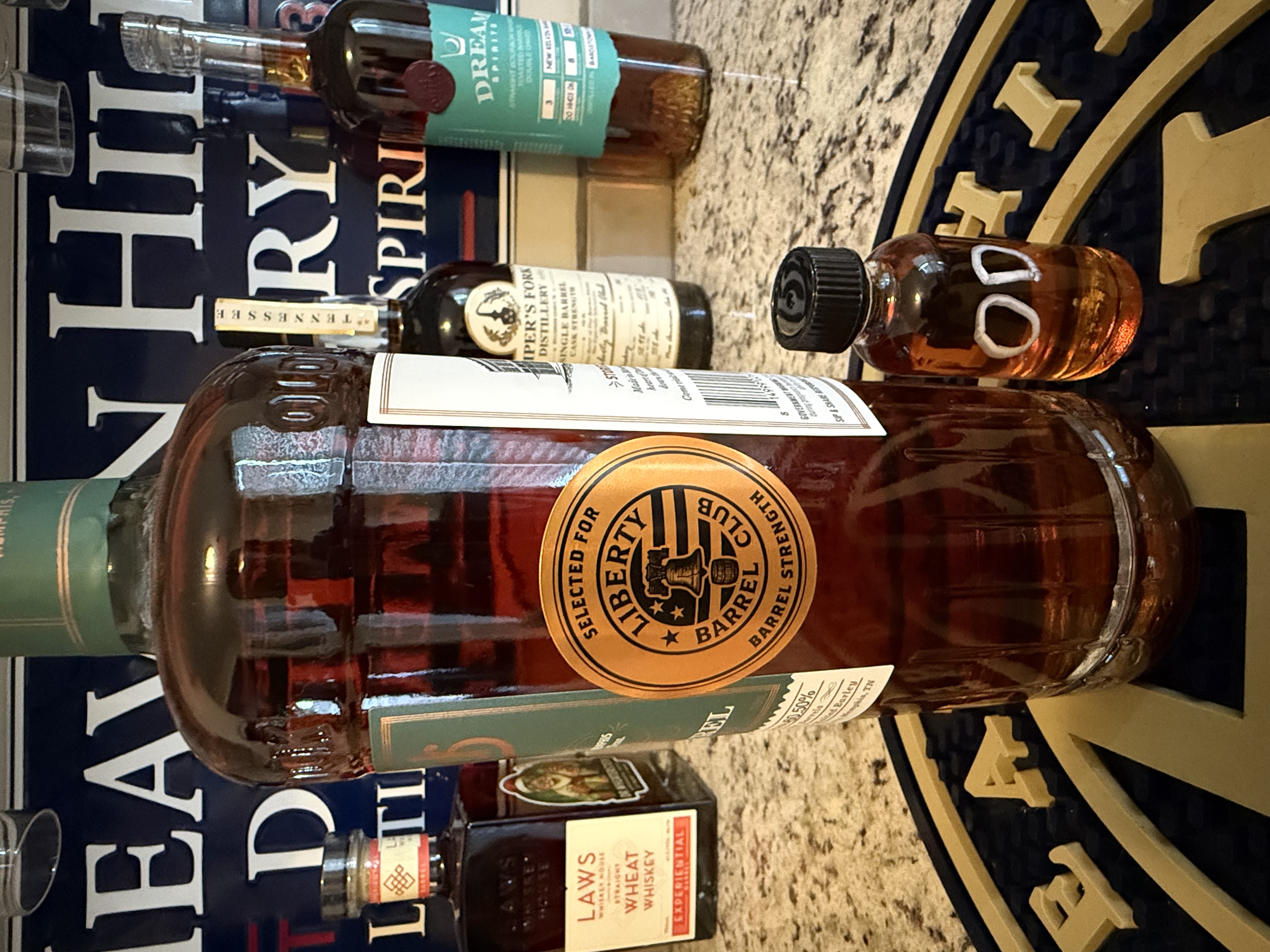
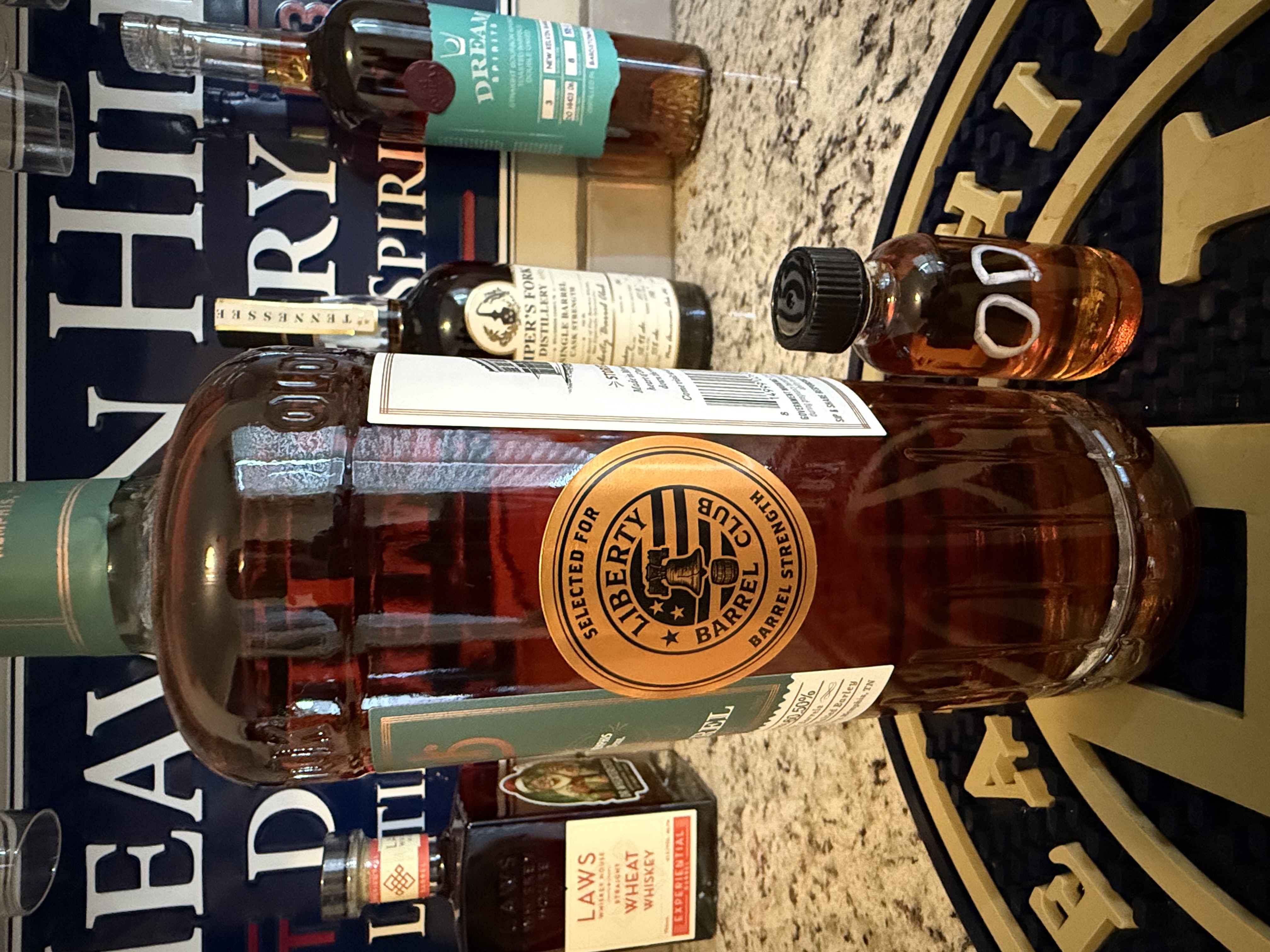
Our recent episode, Liberty Barrel Club- Pinhook, Dream Spirits, Old Dominick, and 1958 Jim Beam; Ep. 52, featured some incredible insights from James Lawrence and Michael O'Neal of the Liberty Barrel Club. Their passion for bourbon, especially those with distinctive character, resonated throughout the conversation. We touched upon the thrill of the hunt for rare bottles and the complex journey of bourbon from distillery to glass. This post will delve deeper into some of the themes we explored, particularly the allure of those bottles that carry a story, a history, and a flavor profile that sets them apart.
What is 'Old Dusty Funk' and Other Unique Bourbon Profiles?
Let's start by demystifying the term 'old dusty funk'. It's not a scientifically defined category, but rather a descriptor born from the bourbon community's collective experience. When someone talks about 'old dusty funk', they're generally referring to a complex, sometimes even challenging, but ultimately rewarding flavor profile often found in older, perhaps less commonly discussed, bourbons. Think notes of leather, pipe tobacco, old paper, dried fruit (like figs or prunes), subtle earthiness, and sometimes a hint of barnyard or even a slight metallic tang. It’s a profile that speaks of age, oxidation, and the slow transformation that happens within a barrel over many years.
This isn't about a flaw; it's about a character. It's the antithesis of a bright, fruit-forward, or overly sweet bourbon. Instead, it’s deep, brooding, and incredibly nuanced. Imagine opening a forgotten trunk in an old attic – there's a sense of history, a richness, and an undeniable aroma that’s both comforting and intriguing. That's the essence of 'old dusty funk'.
Beyond this specific character, the world of unique bourbon profiles is vast. We have bourbons that showcase intense spice, reminiscent of cinnamon and clove, often from high-rye mash bills. Others might exhibit a pronounced oak influence, with notes of vanilla, caramel, and toasted marshmallow. Some rare bourbons can display a prominent fruitiness, like baked apples or dark berries, while others offer a pleasant sweetness akin to honey or maple syrup. The beauty of bourbon lies in its incredible diversity, a spectrum of flavors shaped by countless variables.
The Science Behind the Funk: What Creates These Complex Flavors?
So, where does this 'funk' come from? It's a fascinating interplay of several factors, many of which we touched upon when discussing the bourbon pick process. Firstly, **age** is a significant contributor. As bourbon matures in charred oak barrels, it undergoes a continuous process of extraction and evaporation. The wood imparts flavors, tannins, and color, while the angel's share, the portion that evaporates through the barrel staves, concentrates the remaining liquid and its flavor compounds. Over decades, these flavors can evolve into something quite profound and unique.
Secondly, the **type of barrel** and its previous contents (though less common for bourbon, which must be aged in new, charred oak) can play a subtle role, but for bourbon, it's often about the oak. The char level, the toast, the origin of the wood – all influence the interaction between the spirit and the barrel. Different oak species, like American white oak, have varying densities and chemical compositions that affect flavor extraction.
Thirdly, **storage conditions** are critical. The temperature fluctuations in a rickhouse cause the barrel to expand and contract, forcing the liquid in and out of the wood's pores. This “breathing” process is crucial for maturation. Warehouses in warmer climates might see faster aging but also potentially more evaporation, while those in cooler climates might have a slower, more measured maturation.
Finally, and perhaps most intriguingly for the 'funk' profile, **oxidation and esterification** are key. While not actively encouraged in the initial distillation, a slow ingress of air through the barrel staves can lead to subtle oxidative processes. Additionally, during fermentation, yeast produces esters, which are responsible for many fruity and floral notes. Over long periods, these esters can break down or react with other compounds, evolving into more complex, sometimes savory or earthy, notes that contribute to that characteristic 'funk'. Think of it like a fine cheese or a complex wine – time and subtle chemical changes create depth and intrigue.
The Collector's Obsession: Why 'Dusty' Bottles Command Such High Prices?
The allure of 'old dusty funk' isn't just about taste; it's deeply intertwined with the world of bourbon collecting. These older bottles, particularly those from distilleries that have since changed ownership, closed, or simply have different production methods today, represent a tangible piece of bourbon history. They are rare because they are finite – once a bottle is gone, it's gone forever. This scarcity, combined with the unique and often sought-after flavor profile, drives up demand and, consequently, prices.
Collectors are drawn to these bottles for several reasons. There's the **historical significance**: owning a bottle from a defunct distillery or a specific era can be like holding a piece of liquid history. Then there's the **quest for the perfect dram**: many believe that older bourbons, especially those with that 'funk', simply offer a complexity and depth that modern bourbons, even high-end ones, struggle to replicate. This is often due to changes in distillation techniques, mash bills, barrel management, and sometimes, regulations.
Furthermore, the **community aspect** plays a huge role. Sharing these rare finds, discussing their nuances, and participating in the 'hunt' creates a strong bond among collectors. The 'old dusty funk' becomes a shared language, a badge of honor for those who have successfully tracked down and savored these elusive bottles. The prices reflect not just the liquid inside but also the rarity, the history, the story, and the sheer difficulty of acquiring them. As we heard on the podcast, the bourbon landscape is highly competitive, and securing these bottles is often a testament to dedication and a bit of luck.
Insights from the Experts: James Lawrence and Michael O'Neal on Their Picks
Our conversation with James Lawrence and Michael O'Neal on Episode 52 provided invaluable firsthand experience with this phenomenon. Their work with the Liberty Barrel Club means they are constantly on the front lines of bourbon discovery, seeking out unique barrels and fostering a community around exceptional spirits. They shared their passion for identifying bourbons that offer something beyond the ordinary, those with a distinct character that tells a story.
When discussing their picks, the emphasis wasn't just on brand recognition but on the specific barrel's profile. This is where the 'old dusty funk' and other unique characteristics come into play. They highlighted the thrill of finding a barrel that drinks older than its stated age, or one that possesses a flavor profile that surprises and delights. Their expertise lies in understanding what makes a barrel special, whether it's the maturity, the mash bill, or those enigmatic elements that contribute to a truly memorable pour.
The mention of specific bottles and brands, including Pinhook, Dream Spirits, Old Dominick, and even a legendary 1958 Jim Beam, underscores the diverse range of bourbons that can exhibit these desirable traits. It's about recognizing potential, understanding the nuances of distillation and aging, and having a discerning palate to identify those exceptional lots. The excitement in their voices when describing these finds was palpable, a true testament to the joy of discovering and sharing unique bourbon experiences.
The Bourbon Pick Process: From Distillery to Your Glass
The journey of a bourbon pick, especially one destined for a club like Liberty Barrel Club, is a complex and fascinating one. It begins at the distillery, where the team identifies specific barrels that stand out. This involves extensive tasting and evaluation. As discussed on the podcast, the bourbon pick process requires a deep understanding of what consumers are looking for, as well as an ability to identify barrels with exceptional character. This might involve looking at barrels that are slightly older than the distillery's standard offerings, or barrels that have unique mash bills or aging conditions.
Once a barrel is selected, it's often bottled at barrel proof. This means the bourbon is bottled at the proof it reached in the barrel, without dilution. This preserves the full flavor and character of the spirit. Barrel proof bourbons are often more intense and complex, showcasing the full impact of oak and maturation. This is where you often find those deep, resonant flavors that contribute to the 'old dusty funk'.
The process then involves securing the allocation, bottling, labeling, and distributing the bottles to club members or customers. This can be a logistical challenge, especially with high demand and limited supply. The competitive nature of bourbon collecting means that securing desirable picks requires strong relationships with distilleries and distributors, as well as efficient operations. The success of clubs like Liberty Barrel Club is a testament to their ability to navigate this intricate ecosystem and bring exceptional bourbons to enthusiasts.
Navigating the Competitive Bourbon Landscape and Distribution Challenges
The bourbon industry is, to put it mildly, competitive. The explosive growth in popularity has led to unprecedented demand, which in turn creates significant challenges in distribution and accessibility. As James and Michael touched upon, getting a coveted bottle into the hands of consumers can feel like a high-stakes game. This is particularly true for single barrel picks and limited editions, where supply is inherently limited.
Distilleries have to balance making enough product to meet demand with maintaining the quality and character that enthusiasts expect. This can lead to difficult decisions about barrel selection, bottling proof, and allocation. For bourbon clubs and independent bottlers, the challenge is even greater. They often have to compete with large retailers and distributors for limited allocations. This is where relationships, reputation, and a keen understanding of the market become paramount.
The concept of 'allocated' bourbons, where certain highly sought-after bottles are distributed through a lottery system or to select retailers, is a direct consequence of this imbalance between supply and demand. This creates a sense of urgency and exclusivity around these bottles, further fueling the collector's obsession. The 'hunt' itself becomes part of the experience, and the reward for perseverance is often a truly exceptional dram, perhaps one that embodies that elusive 'old dusty funk'.
Beyond the Funk: Exploring Other Rare and Limited-Edition Bourbons
While the 'old dusty funk' holds a special place in the hearts of many collectors, it's just one facet of the diverse world of rare and limited-edition bourbons. Distilleries continuously release special bottlings that cater to different preferences and showcase various aspects of their craft. We see limited editions based on unique mash bills, experimental aging techniques, or collaborations with other brands or individuals.
For instance, some distilleries might release a high-rye bourbon that emphasizes spice and pepper, while others might focus on a sweeter, wheated bourbon profile. We also see bourbons finished in different types of wood or other spirits' barrels, adding layers of complexity and unique flavor notes. These limited releases, whether they exhibit 'funk' or not, offer enthusiasts the opportunity to explore the boundaries of bourbon flavor and experience the innovation happening within the industry.
The key takeaway is that rarity and collectibility aren't solely tied to one specific flavor profile. They are often driven by a combination of factors: the reputation of the distillery, the uniqueness of the bottling, the limited quantity, and the overall quality of the liquid. The 'old dusty funk' is a particularly compelling example because it represents a specific, often historical, taste profile that is becoming increasingly difficult to find in its purest form.
Barrel Proof, Age Statements, and the Quest for Perfection
When discussing rare and exceptional bourbons, two terms frequently arise: barrel proof and age statements. As mentioned, barrel proof signifies that the bourbon has not been diluted before bottling, allowing its full flavor intensity and proof to shine through. This is often a hallmark of premium and collectible bourbons, as it offers a more robust and nuanced tasting experience.
Age statements, on the other hand, indicate the minimum age of the bourbon in the bottle. While a higher age statement often correlates with greater complexity and smoothness due to extended maturation, it's not a guarantee of superiority. As we’ve explored, the 'old dusty funk' can be found in bourbons with varying age statements, and sometimes, even bottles without explicit age statements can possess remarkable depth and character.
The quest for perfection in bourbon collecting is multifaceted. It involves seeking out bourbons that offer an exceptional balance of flavor, aroma, and mouthfeel. It's about discovering those bottles that exceed expectations and provide a memorable drinking experience. Whether that perfection lies in the profound depths of 'old dusty funk', the vibrant spice of a high-rye mash bill, or the smooth sweetness of a well-aged wheated bourbon, the pursuit itself is a significant part of the bourbon journey.
Revival Brands and the Future of Bourbon Collecting
The bourbon landscape is also experiencing a renaissance with the revival of legacy brands and the emergence of new distilleries. Brands that may have been dormant for decades are being brought back to life, often with a renewed focus on heritage and quality. This presents exciting opportunities for collectors, as these revival brands can offer a taste of the past with modern production standards. The Old Terrell Bourbon Revival, mentioned in our episode's show notes, is a perfect example of this trend, aiming to recapture the spirit of a historical brand.
New distilleries are also entering the market, bringing fresh perspectives and innovative approaches to bourbon production. While these distilleries may not yet have decades of aged stock, they are often focused on creating high-quality, distinctive bourbons from the outset. The future of bourbon collecting will likely involve a blend of these established legacy brands, exciting revival projects, and innovative new players.
This dynamic evolution means that the definition of a 'collectible' bourbon is constantly expanding. It's not just about hunting for old, dusty bottles anymore. It's also about identifying the next generation of exceptional bourbons and supporting the distilleries that are pushing the boundaries of the craft. The 'old dusty funk' will likely always hold a special mystique, but the landscape of rare and desirable bourbons is continually broadening.
Tips for Aspiring Bourbon Collectors and Bottle Hunters
For those inspired to embark on their own bourbon collecting journey, here are a few tips, drawing from the insights shared on our podcast and our own experiences:
- Educate yourself: Read books, listen to podcasts (like ours!), follow reputable blogs, and engage with online communities. Understanding mash bills, aging processes, and tasting notes will help you make informed decisions.
- Start with what you enjoy: Don't chase expensive bottles just for the sake of collecting. Find bourbons you genuinely love to drink. This will make the journey more enjoyable and rewarding.
- Build relationships: Get to know your local liquor store owners, bartenders, and fellow bourbon enthusiasts. These connections can lead to insider information about rare releases and allocated bottles.
- Be patient: The 'hunt' for rare bourbons takes time and persistence. Don't get discouraged if you miss out on a particular bottle. There will always be other opportunities.
- Attend tastings and events: These are great places to sample a wide variety of bourbons, learn from experts, and connect with other enthusiasts.
- Consider barrel picks: As highlighted in our episode, joining a barrel pick club or participating in a group pick can offer access to unique, hand-selected barrels that might otherwise be inaccessible.
- Don't neglect value: While rare bottles are exciting, there are many excellent, readily available bourbons that offer fantastic value and can be enjoyed regularly.
- Embrace the 'funk': If you come across an older bottle with intriguing descriptions of 'dusty funk' or unique character, consider giving it a try. It might just be your next favorite discovery.
The key is to approach bourbon collecting with passion, curiosity, and a sense of adventure. It's about the journey as much as the destination, and the discoveries you make along the way.
Conclusion: The Enduring Charm of Unique Bourbon Experiences
The 'old dusty funk', rare barrel picks, and limited editions represent more than just sought-after bottles; they are gateways to a deeper appreciation of bourbon's rich history and evolving artistry. Our latest episode, Liberty Barrel Club- Pinhook, Dream Spirits, Old Dominick, and 1958 Jim Beam; Ep. 52, truly captured the spirit of this pursuit, showcasing the passion and expertise of individuals dedicated to uncovering and sharing exceptional bourbon experiences. Whether you're drawn to the complex layers of a dusty bottle, the thrill of a well-executed barrel pick, or the innovation of modern distilleries, the world of bourbon offers endless avenues for exploration and discovery.
As we continue our journey through the vast landscape of American whiskey, we encourage you to embrace the uniqueness, the history, and the sheer pleasure that these special bourbons offer. The 'old dusty funk' may be elusive, but the pursuit of extraordinary flavor and the stories behind each bottle are what make bourbon collecting such a captivating endeavor. Until next time, keep exploring, keep tasting, and keep enjoying the remarkable world of bourbon.

Pilot / Dad / Trumpeter / Contract Negotiator / Martial Artist
In his 26th year as an airline pilot, Dan resides in Youngstown, Ohio with his high school sweetheart Stephanie. Combined they have 5 kids (teenagers...). They enjoy travel as a family, and as a couple. Dan has had a bourbon affinity since smelling his Grandfather's JW Dant and Grapefruit soda as a kid. Dan started collecting bourbon in 2015. He has been actively involved in Martial Arts since he was a kid and has Black Belts in two different styles. Dan still plays trumpet. Originally he went to college for music at Ohio University, but after his sophomore year decided he would much rather spend 3 hours in an airplane instead of a practice room. He still helps teach high school band camps, and has assisted with 5th and 6th grade Trumpet, Low Brass, and Percussion. Dan has been a Pilot Union Representative, Contract Negotiator, Merger Specialist, and Contract Compliance Administrator for over 20 years. Dan received the President's Lifetime Achievement Volunteer Service Award in 2024.
Penelope Omega 11 Year vs. Maker's Mark 46 Cask Strength: The Ultimate Breakdown