Old Grand-Dad Showdown: Unpacking the Different Expressions
Dive deep into the Old Grand-Dad lineup, from everyday sippers to dusty treasures. We'll explore how proof and age impact the flavor profile and discuss why these bourbons remain a favorite for many.
Welcome back to the blog, bourbon enthusiasts! In our latest episode, #OHLQ #BuffaloTrace Drop and Old Grand-Dad Spectacular; Ep. 65, we embarked on a delightful journey through the world of Old Grand-Dad. It was an episode brimming with tasting notes, market insights, and the infectious enthusiasm of our guest, Michael Barkett. Today, we're going to expand on those conversations, dissecting the Old Grand-Dad lineup with the same passion and detail, exploring what makes these bourbons so enduringly popular, and what subtle nuances differentiate each expression. So, grab your favorite dram, settle in, and let's uncork the story of Old Grand-Dad.
The Old Grand-Dad Lineup: A Family Tree
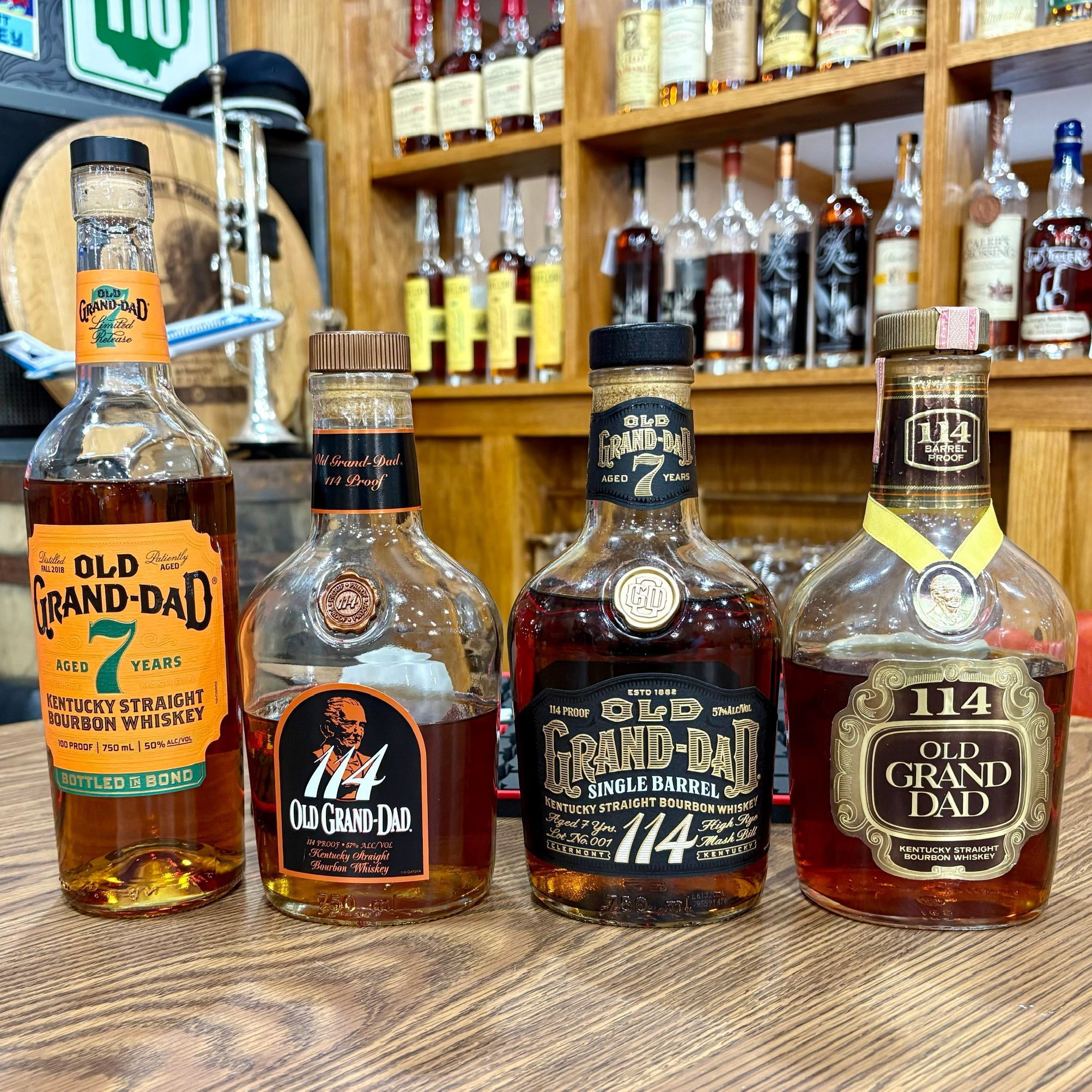
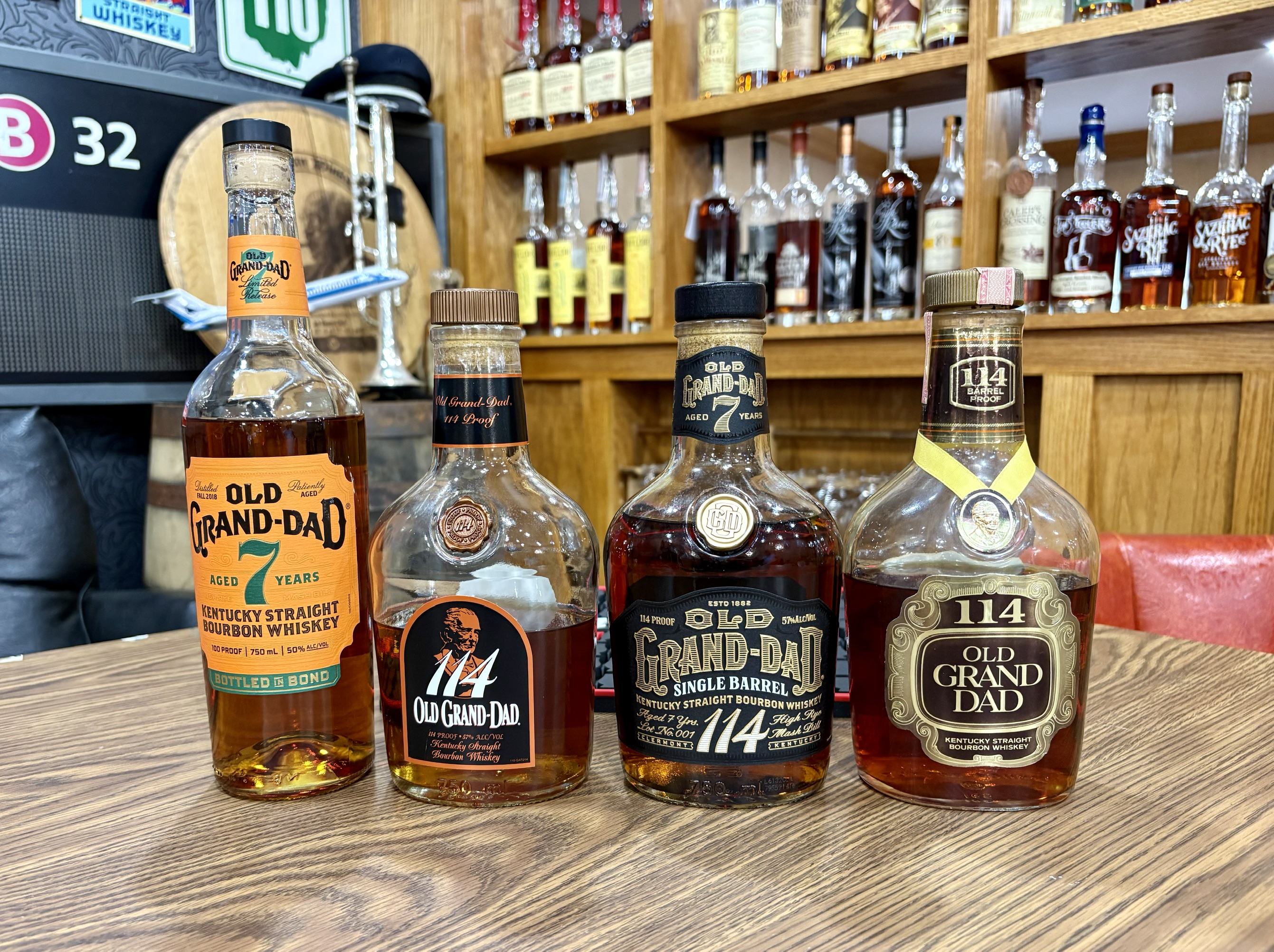
Before we dive into the nitty-gritty of taste and proof, it’s important to understand the OGD family. Old Grand-Dad, a brand with a rich history dating back to the 19th century, is currently owned by Beam Suntory. While it might not always garner the same headlines as some of its more allocated brethren, OGD holds a significant place in the bourbon landscape. It's a brand that consistently offers quality at an approachable price point, making it a go-to for many bourbon drinkers, from beginners to seasoned collectors.
The core lineup typically includes:
Old Grand-Dad Bottled-in-Bond (BiB)
This is often considered the flagship expression for many. Bottled-in-Bond means it meets specific criteria: it must be the product of one distillation season, from one distiller, aged in a federally bonded warehouse for at least four years, and bottled at exactly 100 proof (50% ABV). This expression is known for its robust flavor, often exhibiting a spicier rye character and a satisfying complexity that belies its price point. It's a fantastic example of the BiB standard and a gateway to appreciating what higher proof can do for a bourbon.
Old Grand-Dad 114
As the name suggests, this expression comes in at a heftier 114 proof (57% ABV). This higher proof brings a more intense flavor profile. Expect a richer mouthfeel, more pronounced oak notes, and a bolder spice. The increased alcohol content acts as a flavor carrier, amplifying the underlying characteristics of the mash bill. It's a step up in intensity from the BiB and offers a different experience for those who enjoy a more potent dram.
Old Grand-Dad 80 Proof
This is the entry-level OGD, often found at a lower proof (40% ABV) and a more accessible price. While it may lack the intensity of its higher-proof siblings, it still carries the OGD DNA. It’s a smooth, easy-drinking bourbon, perfect for mixing into cocktails or for those who prefer a less aggressive flavor profile. It serves as a great introduction to the brand and a reminder that not all bourbons need to be high proof to be enjoyable.
Beyond these core offerings, the OGD universe can expand to include limited releases, older bottlings, and those coveted "dusty" bottles that tell tales of bygone eras. We touched on some of these more unique finds in our podcast, and the allure of these rarer expressions is a significant part of the OGD story.
The Proof is in the Pudding: How Proof Affects Flavor
One of the most significant factors influencing a bourbon's flavor profile is its proof. In Episode 65, we explicitly discussed how proof impacts taste, and it’s a concept worth reiterating. Proof, as we know, is a measure of alcohol content, with 100 proof equating to 50% alcohol by volume (ABV). The higher the proof, the more concentrated the flavors tend to be.
At lower proofs, like the 80-proof OGD, the spirit can be more mellow and less assertive. The nuances might be softer, making it ideal for cocktails where you don't want the bourbon to overpower other ingredients. However, you might miss some of the deeper complexities. As we move up to the 100-proof Bottled-in-Bond, the flavors start to open up. You get a more pronounced presence of the mash bill’s components – the corn, the rye, the malted barley – along with the influence of the barrel. The alcohol acts as a vehicle, carrying these aromatic compounds to your palate with greater intensity.
Then, at 114 proof, we're in full flavor-bomb territory. The higher alcohol content acts as a solvent, extracting more compounds from the oak barrel during aging. This can lead to richer notes of caramel, vanilla, spice, and even dried fruit. The mouthfeel becomes thicker, more viscous, and the finish tends to linger longer. It’s a testament to how skillful distillation and proper aging, combined with intelligent bottling proof, can create vastly different drinking experiences from the same base spirit. As Michael Barkett eloquently put it in the episode, "The proof really impacts the flavor" – a sentiment that resonates deeply when tasting through the OGD lineup.
Age Matters: Exploring the Impact of Aging on OGD
While proof is a significant player, the age statement (or lack thereof) on a bourbon bottle also profoundly impacts its character. Bourbon, by law, must be aged in new, charred oak barrels. The longer a spirit interacts with the wood, the more it matures, mellows, and develops its complex flavor profile.
Younger bourbons tend to be more spirit-forward, with brighter, sharper notes. The oak influence is present but not as deeply integrated. As bourbon ages, it mellows. The harshness of the new make spirit softens, and the wood imparts flavors of caramel, vanilla, toffee, and spices like cinnamon and clove. The char from the barrel provides smoky and bitter notes, while oxidation through the barrel’s porous nature adds complexity and depth.
In the context of Old Grand-Dad, while the core expressions are often "no-age-statement" (NAS) or have relatively young age statements, the principle remains the same. The 80-proof OGD, being the youngest and lowest proof, will naturally present a lighter, less developed profile. The Bottled-in-Bond, with its mandatory four years of aging and 100-proof bottling, usually offers a more robust and integrated flavor. The 114 proof, while not explicitly age-stated, benefits from a higher proof which can sometimes mimic the effects of slightly longer aging, intensifying the barrel’s influence.
The true magic, however, happens when we encounter older OGD expressions or those mythical "dusty" bottles. These bourbons, aged for extended periods, showcase a level of complexity and smoothness that is hard to replicate. The wood has had ample time to impart its wisdom, and the spirit has softened and harmonized into something truly special. The tasting session in our podcast, featuring an older, dusty bottle, was a prime example of this – a glimpse into what time can do for a bourbon.
Tasting Notes and Comparisons: From Everyday Sippers to Dusty Treasures
This is where the rubber meets the road, or rather, where the bourbon meets the palate. In Episode 65, we delved into tasting notes for various OGD expressions, and it’s a conversation that deserves more space. Let’s break down what you might expect:
Old Grand-Dad 80 Proof
Nose: Light vanilla, caramel, a hint of corn sweetness, and a subtle fruity note.
Palate: Sweet corn, mild oak, a touch of cinnamon spice, and a relatively thin mouthfeel. It’s approachable and smooth.
Finish: Short and sweet, with a mild spicy tingle and a lingering sweetness.
Best for: Cocktails like an Old Fashioned or a Manhattan, or for those who prefer a lighter, less intense bourbon experience.
Old Grand-Dad Bottled-in-Bond
Nose: More pronounced vanilla and caramel, alongside a noticeable rye spice, dried fruit, and a touch of oak.
Palate: A richer, fuller mouthfeel than the 80 proof. Sweetness from corn is balanced by the spicier notes from the rye mash bill. Oak influence is more present, offering hints of baking spices and dark chocolate.
Finish: Medium to long, with a warming spice, a lingering sweetness, and a pleasant oaky character.
Best for: Sipping neat or on the rocks, and still excellent in cocktails where you want the bourbon’s character to shine through.
Old Grand-Dad 114
Nose: Intense caramel, dark fruit (raisins, figs), rich oak, and a noticeable spice. It’s bolder and more complex.
Palate: A thick, viscous mouthfeel. Sweetness is deep and rich, layered with powerful rye spice, toasted oak, leather, and a hint of dark chocolate. The higher proof amplifies every note.
Finish: Long and warming, with a spicy kick, lingering sweetness, and a satisfying oaky resonance.
Best for: Sipping neat for those who enjoy higher proof, or in cocktails where you want a serious bourbon presence.
The "Dusty" OGD Experience
Tasting a vintage OGD, as we did in the episode, is a unique experience. These older bottles often hail from a different era of production, with potentially different mash bills, distillation methods, and aging philosophies. The characteristics can vary wildly, but generally, you’re looking for:
Nose: Deep, rich, and complex. Think dried fruit, tobacco, leather, old leather-bound books, subtle spice, and an almost ethereal oak presence.
Palate: Incredibly smooth and mellow, with a velvety texture. Flavors are integrated and profound – aged caramel, dark cherry, subtle baking spices, a hint of dark chocolate, and a refined oak character that speaks of decades of maturation.
Finish: Exceptionally long and lingering, with a gentle warmth and a complex interplay of sweet, spicy, and woody notes that fade gracefully.
These dusty bottles are a testament to the history of bourbon and the impact of time. They represent a connection to the past, a rare glimpse into how a brand has evolved, or perhaps, how it has stayed remarkably consistent.
Beyond the Bottle: Market Trends, Availability, and the Thrill of the Hunt
The world of bourbon is as much about the hunt as it is about the drink. In Episode 65, we discussed market trends and availability, particularly in relation to OHLQ and Buffalo Trace drops. Old Grand-Dad, despite its consistent quality, can sometimes fall into the category of bottles that disappear quickly from shelves, especially the higher-proof expressions or those sought after by collectors.
The concept of "market scarcity" driving value is something we touched upon. Even though OGD isn't typically considered a "allocated" bourbon in the same vein as Pappy Van Winkle or Weller, demand for well-made, affordable bourbons is always high. This means that while you might find the 80-proof readily available, securing a Bottled-in-Bond or a 114 can sometimes require a bit of effort, especially during those coveted "drops."
The allure of the hunt is a significant part of the bourbon culture. The excitement of finding a bottle you've been looking for, the camaraderie among bourbon drinkers sharing information about availability, and the satisfaction of a successful acquisition all add to the overall experience. As Michael Barkett noted, "Market scarcity drives the value of bottles," and this applies even to brands like Old Grand-Dad that are designed for broader consumption. It’s a delicate balance between mass production and the desire for unique or hard-to-find items.
Guest Insights: Michael Barkett on OGD and the Bourbon World
Having Michael Barkett join us on Episode 65 was a highlight. His insights into the bourbon world, from distillery visits to understanding market dynamics, enriched our conversation about Old Grand-Dad immensely. Michael's perspective on how brands like OGD fit into the broader bourbon landscape – offering consistent quality and value – is crucial. He understands that not every bourbon needs to be a rare unicorn to be appreciated. The fact that he was willing to taste and discuss a dusty bottle alongside the current offerings speaks to his deep appreciation for the entire spectrum of bourbon history and flavor.
His commentary on how the proof and age impact the flavor aligns perfectly with what we’re discussing here. It’s this kind of expertise and passion that makes episodes like ours so engaging. We learned about the thrill of the chase, the importance of understanding what you’re tasting, and the joy of sharing these experiences with others.
Nostalgia and Rare Finds: The Allure of the 'Dusty' Bottle
The "dusty bottle" phenomenon is fascinating. These are bottles of bourbon that have sat on a liquor store shelf for years, sometimes decades, overlooked or forgotten. In Episode 65, we had the chance to sample one such bottle, and the experience was revelatory. There's an inherent romance in these finds. They represent a tangible link to a different time in bourbon production. The liquid inside has matured in ways that are often no longer possible with current regulations or production methods.
The allure of the dusty bottle is multifaceted. Firstly, it’s the thrill of discovery – finding something rare and potentially unique. Secondly, it’s the nostalgia factor. These bottles evoke memories of times gone by, perhaps reminding people of their first experiences with bourbon or the days when certain bottles were readily available and affordable. Thirdly, and most importantly, it’s about the liquid itself. Often, these older bourbons offer a smoothness, complexity, and depth that can be astounding, a testament to extended aging and perhaps, a different approach to distillation and barreling. As we discussed, "Nostalgia and Rare Bottles" are a powerful draw for collectors and enthusiasts alike.
Why Old Grand-Dad Endures: A Bourbon Staple
So, why does Old Grand-Dad continue to be a beloved brand? It boils down to several key factors:
- Consistency: Beam Suntory has done a remarkable job of maintaining a consistent quality across the OGD lineup. You generally know what you're going to get.
- Value: Even the higher-proof expressions are typically priced very competitively, offering excellent bang for your buck. This makes them accessible to a wide range of bourbon drinkers.
- Flavor Profile: The mash bill, with its noticeable rye content, provides a pleasant spicy counterpoint to the sweetness of the corn. This complexity makes OGD appealing to those who enjoy a more nuanced bourbon.
- Heritage: A brand with a history as long as Old Grand-Dad's carries a certain gravitas. It's a brand that has stood the test of time, a testament to its enduring appeal.
- Versatility: From the approachable 80-proof for cocktails to the robust 114 for sipping, there's an OGD for almost any occasion or preference.
It’s this combination of factors that solidifies Old Grand-Dad’s position as a staple in many bourbon collections and a trusted choice for everyday drinking. It’s a brand that doesn’t try to be something it’s not; it simply delivers good bourbon, consistently.
Conclusion: Your Next OGD Recommendation
In our latest episode, #OHLQ #BuffaloTrace Drop and Old Grand-Dad Spectacular; Ep. 65, we celebrated the enduring legacy and diverse expressions of Old Grand-Dad. From the approachable 80-proof to the formidable 114, and even venturing into the nostalgic territory of dusty bottles, we uncovered what makes this brand a consistent favorite. We explored how proof and age are not just numbers on a label but significant drivers of flavor, shaping the character of each dram.
If you're new to bourbon, I wholeheartedly recommend starting with the Old Grand-Dad 80-proof for its smooth introduction or the Bottled-in-Bond for a slightly more complex, yet still very accessible, experience. For those who crave a bit more punch and flavor depth, the Old Grand-Dad 114 is an absolute must-try. And if you ever have the extraordinary opportunity to encounter a vintage OGD, don't hesitate – it's a chance to taste history.
Thank you for joining us on this deep dive into Old Grand-Dad. We hope this blog post, much like our podcast episode, has deepened your appreciation for this fantastic bourbon family. Until next time, keep sipping, keep exploring, and keep enjoying the journey!

Pilot / Dad / Trumpeter / Contract Negotiator / Martial Artist
In his 26th year as an airline pilot, Dan resides in Youngstown, Ohio with his high school sweetheart Stephanie. Combined they have 5 kids (teenagers...). They enjoy travel as a family, and as a couple. Dan has had a bourbon affinity since smelling his Grandfather's JW Dant and Grapefruit soda as a kid. Dan started collecting bourbon in 2015. He has been actively involved in Martial Arts since he was a kid and has Black Belts in two different styles. Dan still plays trumpet. Originally he went to college for music at Ohio University, but after his sophomore year decided he would much rather spend 3 hours in an airplane instead of a practice room. He still helps teach high school band camps, and has assisted with 5th and 6th grade Trumpet, Low Brass, and Percussion. Dan has been a Pilot Union Representative, Contract Negotiator, Merger Specialist, and Contract Compliance Administrator for over 20 years. Dan received the President's Lifetime Achievement Volunteer Service Award in 2024.
Penelope Omega 11 Year vs. Maker's Mark 46 Cask Strength: The Ultimate Breakdown