Decoding Buffalo Trace's Single Oak Project: Science in Every Sip
Welcome back to the Bourbon, Brass & Beyond blog, where we take the deep dives, complex tasting notes, and fascinating whiskey nerdery from our audio episodes and translate them into words you can savor. If you are anything like us, you view bourbon not just as a drink, but as a living science experiment, a blend of art, agriculture, chemistry, and time. Today, we are opening up the laboratory books of one of the most ambitious whiskey experiments ever attempted: Buffalo Trace's Single Oak Project.
For decades, whiskey drinkers have debated why one barrel tastes like sweet vanilla caramel heaven while another from the same rickhouse tastes like dry oak and leather. Is it the weather? Is it the tree? Is it the exact spot where the barrel sat? Buffalo Trace decided to stop guessing and start measuring. The result was a monumental, data-driven undertaking that completely reshapes how we understand bourbon flavor. In this post, we are going to break down the science of stave seasoning, the mechanics of barrel charring, and what happens when you isolate every single variable in the whiskey-making process. Let us decode the Single Oak Project.
Introduction to Buffalo Trace's Single Oak Project
When Buffalo Trace announced the Single Oak Project, they weren't just releasing another limited edition bourbon to drive the secondary market crazy. They were embarking on a massive scientific study. The goal of the project was to identify the exact combination of variables that creates the ultimate bourbon. To do this, they eliminated the traditional blending process entirely. Instead of dumping hundreds of barrels together to create a consistent flavor profile, they bottled individual barrels separately.
To understand the sheer scale of this endeavor, consider the variables. Buffalo Trace looked at 96 distinct barrels, but they weren't just standard off-the-line containers. Every single barrel was constructed using wood that was chosen, cut, seasoned, and charred with deliberate, highly specific variations. They manipulated seven different variables: the grain size of the wood, the tree selection, the seasoning time of the staves, the barrel char level, the wood receipt method, the warehouse type (brick versus metal), and the floor location within the warehouse. When you multiply all these factors together, you get hundreds of unique combinations.
The beauty of the Single Oak Project is that it gives whiskey enthusiasts a roadmap to the anatomy of flavor. Instead of relying on romantic notions about the wind blowing through the rickhouse, we can actually trace flavor profiles back to physical choices made years prior. It is a masterclass in transparency and scientific inquiry applied to a craft that has traditionally relied heavily on tradition and folklore. On our podcast, we recently explored one of these fascinating bottles, and the sensory experience completely blew our minds. But before we get to our specific tasting impressions, we need to look at the foundational science that makes these differences possible.
The Science of Stave Seasoning and Grain Size
Every great bourbon starts with the tree, but the life of the oak tree is only the beginning of the story. Once the white oak is harvested, milled into staves, and built into a barrel, it undergoes a crucial phase known as seasoning, or air-drying. This is where the real chemistry begins, and it is one of the most critical variables explored in the Single Oak Project.
Stave seasoning is not just about letting the wood dry out so it doesn't crack; it is a transformative biological and chemical process. When staves are left exposed to the elements—sun, rain, wind, and snow—for periods ranging from six months to several years, fungi and bacteria naturally colonize the wood. These microorganisms break down harsh, astringent compounds in the oak, such as tannins, while simultaneously unlocking desirable flavor precursors. Furthermore, exposure to ultraviolet light and rainwater leaches out bitter green tannins, smoothing out the profile of the future spirit.
In the Single Oak Project, Buffalo Trace experimented heavily with seasoning times, such as 6-month versus 12-month seasoning periods. A shorter seasoning time often leaves more aggressive, raw wood and tannin characteristics, while a longer seasoning time allows for deeper mellowing, resulting in softer mouthfeels and more complex fruit and spice notes. Coupled with grain size—whether the oak tree grew slowly in a tight-grained northern climate or quickly in a wide-grained southern environment—the wood's porosity changes. Tight grain structures often impart subtle, delicate spice and vanilla notes, while wider grain structures allow the raw distillate to penetrate deeper into the wood, extracting robust sugars and heavy char characteristics much faster.
Decoding Barrel Charring and Warehouse Variables
Once the staves are seasoned and assembled into a barrel, the cooperage applies heat and fire. Charring is the process that turns a plain wooden vessel into a magical flavor-extraction machine. When the inside of the barrel is exposed to a controlled flame for a specific duration—measured in seconds and categorized by levels from Char #1 to Char #4—dramatic chemical transformations take place inside the wood.
The heat breaks down the complex structural polymers of the wood, specifically cellulose, hemicellulose, and lignin. Hemicellulose breaks down into simple wood sugars, which are caramelized by the heat, giving bourbon its signature sweet notes of caramel, toffee, and butterscotch. Lignin degradation produces aromatic compounds like vanillin (which gives vanilla notes) and various phenols that impart smoky, spicy, and clove-like characteristics. The depth of the char determines how easily the raw spirit can access these newly created flavor compounds as it expands and contracts inside the barrel.
However, the barrel is only half the equation; where that barrel rests during its years of maturation is equally influential. Buffalo Trace's Single Oak Project tested different warehouse environments, specifically contrasting traditional brick warehouses with modern metal-clad warehouses. Brick warehouses offer better thermal mass, meaning they heat up and cool down slowly, leading to a gentle, gradual interaction between the wood and the spirit. Metal warehouses, on the other hand, act like ovens in the summer and freezers in the winter, causing rapid temperature swings that force the distillate deep into the wood staves at an accelerated rate. Additionally, the floor location within the warehouse matters tremendously. Heat rises, so top-floor barrels experience higher temperatures and higher evaporation rates, concentrating the flavors, while bottom-floor barrels experience cooler, more humid conditions that often result in lower proof over time and a more mellow profile.
Tasting Impressions: Barrel 80 Rye Bourbon in Detail
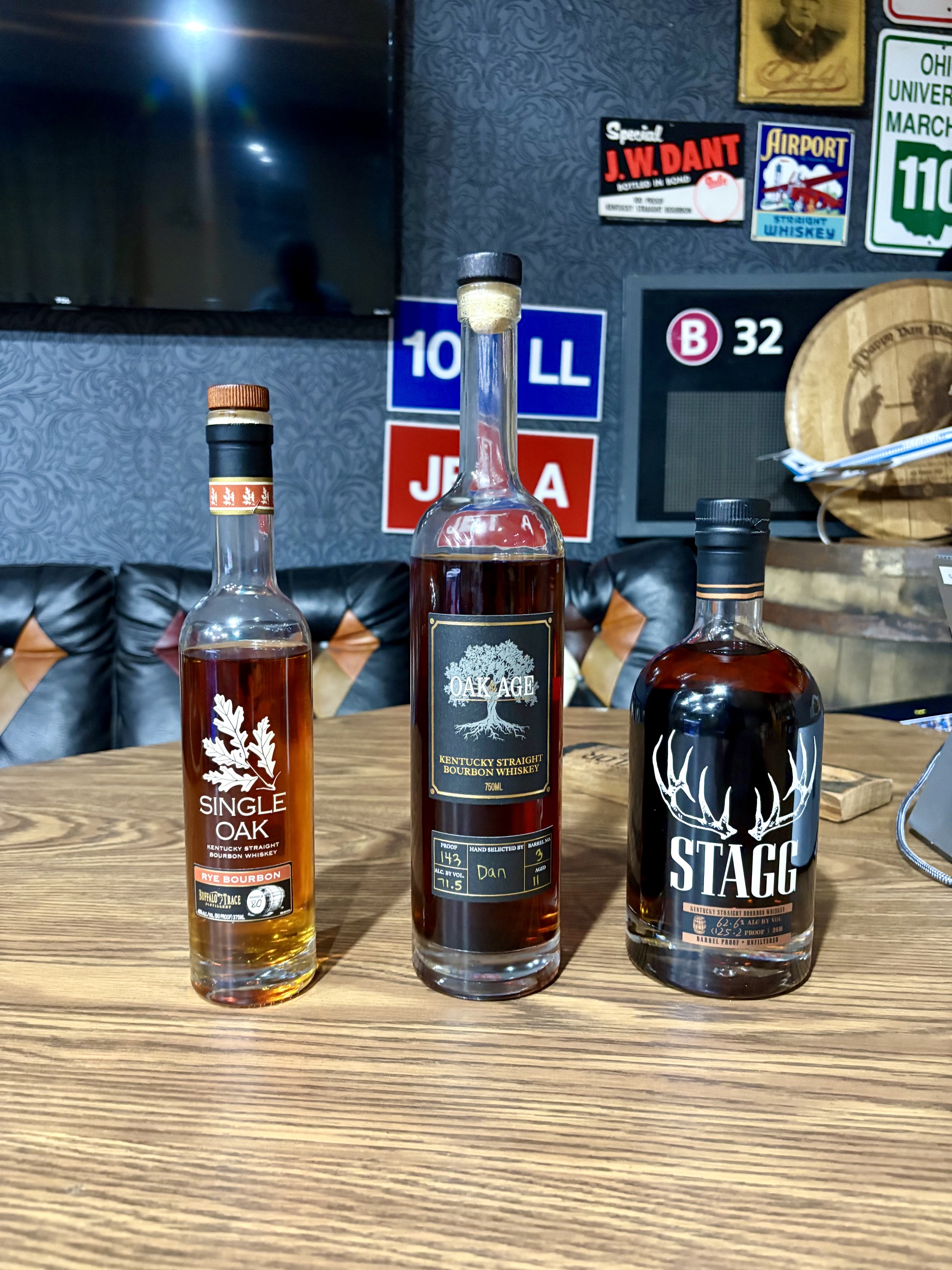
All of this science sounds incredible on paper, but what does it actually taste like in the glass? To truly understand the Single Oak Project, you have to experience the liquid. Recently, we had the incredible privilege of cracking open Barrel 80, an experimental high-rye bourbon from this legendary series, and the tasting journey was nothing short of a revelation.
Pouring the whiskey into the glass, the initial aromas immediately signal that this is no ordinary pour. The nose opens up with a vibrant, unexpected fruitiness. Instead of just heavy oak and leather, Barrel 80 greets the senses with bright notes of fresh pear, juicy peach, and nectarine. Woven through these orchard fruits is a distinct, lively rye spice that adds a layer of complexity and sharpness to the aroma. It dances in the glass, evolving over time as it breathes, showing how a carefully managed 12-month stave seasoning and specific warehouse environment can draw out unique, ester-driven fruit notes from the distillate.
When you take your first sip, the palate reveals a fascinating contrast to the explosive nose. The mouthfeel is surprisingly subtle, allowing the nuanced oak influence to gently coat the palate rather than overwhelming it with dry tannins. The high-rye mash bill shines through with a sophisticated backbone of baking spices, black pepper, and herbal undertones, balancing out the underlying sweetness derived from the charred wood sugars. The finish is lingering and warm, reminding you of the proof and the years spent quietly resting in the rickhouse. Tasting a bottle like Barrel 80 proves that whiskey making is truly a delicate balancing act, where minor adjustments in wood preparation yield entirely unique sensory landscapes.
How Data-Driven Experimentation Reshapes Bourbon Flavor
The true genius of the Single Oak Project is not just that it produced some incredible, unique bottles of whiskey. Its lasting legacy is how it has permanently shifted the mindset of distillers, blenders, and consumers across the entire bourbon industry. For generations, master distillers relied on intuition, generational knowledge, and traditional recipes. While those elements remain vital, projects like this introduce empirical data into the craft.
By isolating variables like stave seasoning duration, grain tightness, char levels, and warehouse microclimates, Buffalo Trace created a massive database of flavor correlations. Master blenders can now look at these findings to understand why a specific batch behaves a certain way. If a blender wants to accentuate fruit notes or dial back aggressive tannins, they no longer have to rely purely on trial and error over a ten-year maturation cycle. They have historical, scientific evidence pointing toward specific wood preparation and aging conditions.
For consumers, this data-driven approach changes how we talk about and appreciate bourbon. We stop viewing a great bottle as a happy accident and start recognizing it as the deliberate result of calculated decisions. It encourages whiskey drinkers to pay closer attention to mash bills, wood types, proof points, and aging locations. We become more discerning, curious, and appreciative of the immense science happening behind the scenes long before a bottle ever reaches our home bars.
The Future of Bourbon Innovation and Crafting Better Spirits
As we look to the horizon, the lessons learned from the Single Oak Project are paving the way for the next generation of bourbon innovation. Distilleries large and small are no longer afraid to experiment with alternative wood types, custom-toasted staves, precision charring techniques, and hyper-specific warehouse conditioning. The craft spirits movement has embraced this spirit of scientific curiosity, leading to an incredible golden age of whiskey exploration.
However, navigating today's bourbon landscape isn't without its challenges. As we discussed on our podcast, the modern whiskey enthusiast has to contend with rising market prices, distribution hurdles, and the ever-present hunt for rare releases and secondary market unicorns. Despite these hurdles, the passion for discovery remains stronger than ever. Whether we are planning upcoming road trips to historic bourbon landmarks in Bardstown, hunting down rare store picks, or breaking into experimental bottles with friends, our love for the craft continues to grow.
Ultimately, the Single Oak Project reminds us that the world of bourbon is endlessly deep. There is always more to learn, more to taste, and more science to uncover in every single pour. To hear all of our in-depth tasting notes, banter, and broader discussions on market trends, make sure to check out the full episode. You can listen right now by heading over to Stagg 26B, Single Oak Project, and Oak & Age; Ep. 75. Grab a great pour of your favorite whiskey, settle in, and join us for the journey!
Pilot / Dad / Trumpeter / Contract Negotiator / Martial Artist
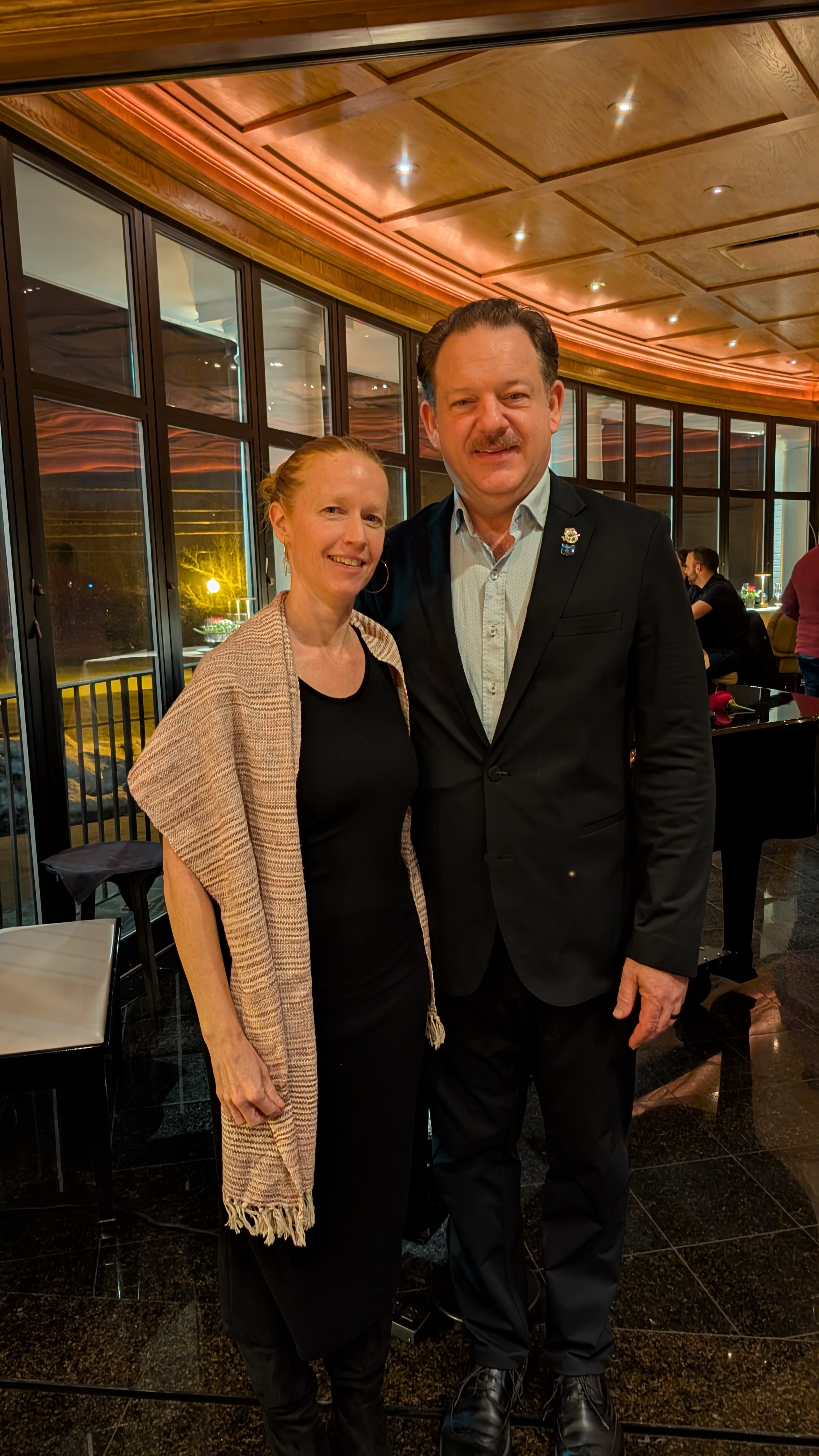
In his 26th year as an airline pilot, Dan resides in Youngstown, Ohio with his high school sweetheart Stephanie. Combined they have 5 kids (teenagers...). They enjoy travel as a family, and as a couple. Dan has had a bourbon affinity since smelling his Grandfather's JW Dant and Grapefruit soda as a kid. Dan started collecting bourbon in 2015. He has been actively involved in Martial Arts since he was a kid and has Black Belts in two different styles. Dan still plays trumpet. Originally he went to college for music at Ohio University, but after his sophomore year decided he would much rather spend 3 hours in an airplane instead of a practice room. He still helps teach high school band camps, and has assisted with 5th and 6th grade Trumpet, Low Brass, and Percussion. Dan has been a Pilot Union Representative, Contract Negotiator, Merger Specialist, and Contract Compliance Administrator for over 20 years. Dan received the President's Lifetime Achievement Volunteer Service Award in 2024.
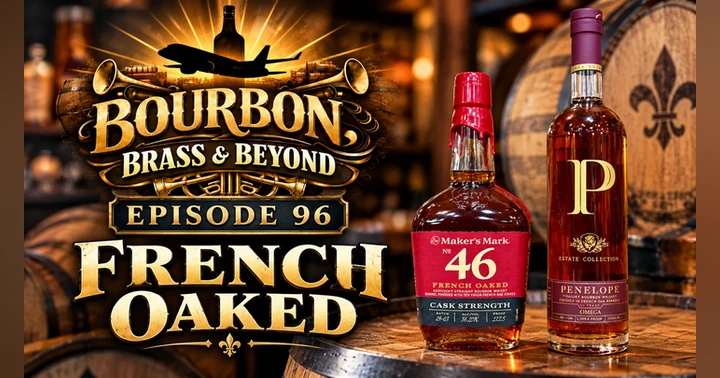
Penelope Omega 11 Year vs. Maker's Mark 46 Cask Strength: The Ultimate Breakdown