Whiskey Wisdom: Recommendations from David Jennings and Beyond

Welcome back to the Bourbon Brass and Beyond blog! In our latest episode, Ep. 31, titled "Woodford Reserve Double Double; Ep. 31", we delved deep into the intricate world of bourbon, from the delightful complexities of tasting notes to the fascinating threads of bourbon history and production. We even had a fantastic discussion about David Jennings' insightful new book, 'American Spirit.' This blog post is your companion to that episode, expanding on the recommendations and insights we shared, and offering a deeper dive into the resources that fuel our passion for this amber nectar. So, grab your favorite dram and let's explore!
Beyond the Bottle: Bourbon History and Production Insights
Before we get to the specific book recommendations that are lighting up our reading lists, it’s crucial to understand the foundation upon which all good bourbon appreciation is built: knowledge. Bourbon isn't just a beverage; it's a story, a craft, and a product of a rich American heritage. Understanding its history and the meticulous production process elevates every sip from a simple drink to a sensory experience. In our episode, we touched upon the importance of this background, and here, we’ll elaborate on why these foundational elements are so vital for any aspiring bourbon enthusiast.
Bourbon's journey is inextricably linked with the history of the United States. From its early beginnings as a frontier spirit, distilled by settlers seeking to utilize their grain surplus, to its eventual codification through the Bottled-in-Bond Act of 1897 and the subsequent standards established by the U.S. Congress in 1964, bourbon’s evolution mirrors that of American innovation and regulation. The definition of bourbon—that it must be made in the U.S. from at least 51% corn, aged in new, charred oak containers, and distilled to no more than 160 proof—isn't just a set of rules; it's a guarantee of quality and a commitment to tradition. This history is not merely academic; it informs the very character of the whiskey we enjoy. The choice of mash bill, the type of oak used for aging, the climate where it matures—all these factors are shaped by centuries of trial, error, and refinement.
The production process itself is a testament to artistry and science. It begins with the selection of grains, primarily corn, rye, and malted barley. Each grain contributes distinct flavor profiles: corn brings sweetness, rye adds spice and complexity, and malted barley aids in the fermentation process. The water used is also critical; historically, many distilleries were built near limestone-rich water sources, which naturally filters out iron and other impurities, leading to a cleaner, smoother spirit. The fermentation stage, where yeast transforms sugars into alcohol, is a delicate dance that can significantly impact the final flavor. Then comes the distillation, typically done in pot stills or column stills, which separates the alcohol from the fermented mash. The resulting clear spirit, known as 'white dog' or 'new make,' is then barreled.
And what a barrel it is! The new, charred oak container is arguably the most important aging vessel. The charring process caramelizes the sugars in the wood, creating a complex layer that interacts with the spirit over time. As the bourbon matures, it extracts color, flavor, and aroma from the oak. The 'angel's share,' the portion of the spirit that evaporates from the barrel during aging, is a natural consequence of this process, but it also concentrates the remaining liquid. The time spent aging, coupled with the ever-changing temperature and humidity of the rickhouse, further shapes the bourbon’s character. Understanding these elements—the ingredients, the methods, the aging environment—allows us to appreciate the nuances in the glass, to identify the influence of a particular mash bill or the effect of a specific rickhouse location. It transforms us from passive consumers into informed connoisseurs, capable of discerning the subtle differences that make each bourbon unique.
Whiskey Wisdom: David Jennings' 'American Spirit' and Other Recommendations
It was during this exploration of bourbon's rich tapestry that David Jennings' name, and his compelling book 'American Spirit,' emerged as a must-read. We briefly mentioned it in Ep. 31, and I wanted to dedicate some space here to really highlight why this book, and others like it, are invaluable resources for anyone seeking to deepen their understanding and appreciation of bourbon.
David Jennings, a respected voice in the bourbon community, brings his extensive knowledge and passion to 'American Spirit.' This book is more than just a historical account; it's an intimate journey through the heart of American whiskey-making. Jennings doesn't just recount facts; he weaves narratives, introduces you to the people behind the brands, and explores the cultural significance of bourbon. He delves into the often-untold stories of the distilleries, the families, and the innovations that have shaped this iconic spirit. His writing is engaging and accessible, making complex historical and production details digestible and enjoyable for both seasoned enthusiasts and newcomers alike. For instance, he might trace the lineage of a particular mash bill through generations of distillers, or explain the impact of prohibition on the industry with vivid detail. He also offers insights into the evolving landscape of craft distilling and the modern resurgence of bourbon, providing context for the trends we see today.
Beyond 'American Spirit,' there are other seminal works that have significantly contributed to the body of bourbon knowledge. Books that explore the science behind distillation and aging, such as those by Dave Broom or Chuck Cowdery, offer a more technical, yet equally fascinating, perspective. Broom's 'The World Atlas of Whisky,' for example, while covering whiskies globally, has extensive and insightful sections on American whiskey, detailing the nuances of bourbon production and regional differences. Cowdery's work, often characterized by his straightforward and deeply researched approach, provides a no-nonsense guide to understanding bourbon's complexities. These authors often highlight the importance of critical tasting, encouraging readers to develop their palate and articulate their sensory experiences. They teach us to look beyond the label and to understand the craftsmanship that goes into each bottle.
Furthermore, resources that focus on the tasting aspect are crucial. Guides that break down aroma compounds, discuss the influence of barrel char levels, and offer frameworks for analyzing flavor profiles can be incredibly helpful. Learning to identify notes of vanilla, caramel, oak, spice, or fruit, and understanding *why* those notes are present, is a key skill. These books often come with tasting wheels or suggested vocabulary, helping you to articulate your observations more effectively. They encourage you to compare and contrast, to note the differences between a high-rye bourbon and a wheated bourbon, or the impact of a longer aging period. It's this kind of detailed exploration that allows for a more profound connection with the spirit. The recommendations made in Ep. 31 are not just for reading; they are tools for exploration, designed to equip you with the knowledge and vocabulary to truly savor and understand the bourbon in your glass.
The Future of Flavor: Upcoming Tastings and Discoveries
Our journey through bourbon knowledge is a continuous one, and as we discussed in Ep. 31, the excitement doesn't stop with books. The world of bourbon is constantly evolving, with new releases, innovative techniques, and exciting tasting events on the horizon. We’re always on the lookout for the next great dram, the next story to uncover, and the next opportunity to share our passion with you.
In the spirit of discovery, we are always planning future tasting events. These are not just about sampling new bourbons; they are curated experiences designed to educate and delight. Imagine a tasting focused on the impact of different oak types, or a deep dive into the history of a specific distillery through its product line. We might explore barrel proof expressions, side-by-side comparisons of single barrels, or even venture into the world of rye whiskey to see how it complements our love for bourbon. These events are also a fantastic opportunity to connect with fellow enthusiasts, share insights, and learn from each other's palates. We believe that experiencing bourbon together, in a guided and thoughtful setting, is one of the most rewarding ways to deepen our appreciation. Keep an eye on our website and social media for announcements about upcoming events, including potential collaborations and special guest appearances. We aim to make these gatherings both educational and incredibly fun, a true celebration of all things bourbon.
Beyond planned events, we are constantly keeping an eye on emerging trends and experimental releases. The bourbon industry is vibrant and innovative. Distilleries are experimenting with different mash bills, aging techniques, and even yeast strains. We’re seeing a rise in barrel finishing, where bourbon is aged in barrels that previously held other spirits like wine, rum, or even beer, adding entirely new layers of complexity. We also love to explore the world of limited editions and special releases. While they can sometimes be challenging to find, these bottles often represent the pinnacle of a distillery's craft and offer a glimpse into what's possible. From Buffalo Trace's experimental collection to the meticulously crafted offerings from smaller, craft distilleries, there's always something new and exciting to discover. We'll be sure to share our thoughts on these finds with you here and, of course, in future podcast episodes. Our commitment is to bring you the most interesting, the most informative, and the most delicious aspects of the bourbon world.
Conclusion: Your Journey into Bourbon Continues
As we wrap up this deep dive, it's clear that our conversation in Ep. 31, "Woodford Reserve Double Double; Ep. 31," was just the beginning. We’ve touched upon the historical context and production intricacies that form the bedrock of bourbon appreciation, highlighted the invaluable wisdom found in resources like David Jennings' 'American Spirit,' and peeked into the exciting future of bourbon discovery. Bourbon is a journey, not a destination, and the more we learn, the more we appreciate its depth and complexity.
Whether you're just starting your bourbon adventure or you're a seasoned aficionado, there's always more to explore. The books we've discussed offer pathways to deeper understanding, and the tasting events we plan are opportunities to experience that knowledge firsthand. We encourage you to pick up 'American Spirit,' to explore the other recommendations, and most importantly, to continue tasting, learning, and sharing your own bourbon wisdom. We are thrilled to have you along for this ride, and we can't wait to see where the next pour takes us. Remember, the best way to truly understand bourbon is to taste it, discuss it, and experience it. Until next time, keep your glasses full and your spirits high!
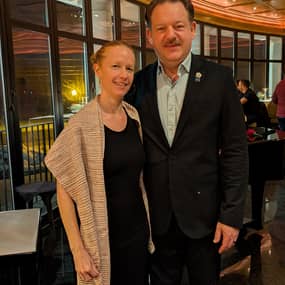
Pilot / Dad / Trumpeter / Contract Negotiator / Martial Artist
In his 26th year as an airline pilot, Dan resides in Youngstown, Ohio with his high school sweetheart Stephanie. Combined they have 5 kids (teenagers...). They enjoy travel as a family, and as a couple. Dan has had a bourbon affinity since smelling his Grandfather's JW Dant and Grapefruit soda as a kid. Dan started collecting bourbon in 2015. He has been actively involved in Martial Arts since he was a kid and has Black Belts in two different styles. Dan still plays trumpet. Originally he went to college for music at Ohio University, but after his sophomore year decided he would much rather spend 3 hours in an airplane instead of a practice room. He still helps teach high school band camps, and has assisted with 5th and 6th grade Trumpet, Low Brass, and Percussion. Dan has been a Pilot Union Representative, Contract Negotiator, Merger Specialist, and Contract Compliance Administrator for over 20 years. Dan received the President's Lifetime Achievement Volunteer Service Award in 2024.

Deep Dive into Ass Pocket Whiskey Lot 5: A 20-Year Tennessee Gem

