Unpacking Michter's: A Deep Dive into Toasted, Small Batch US1, and Shenk's
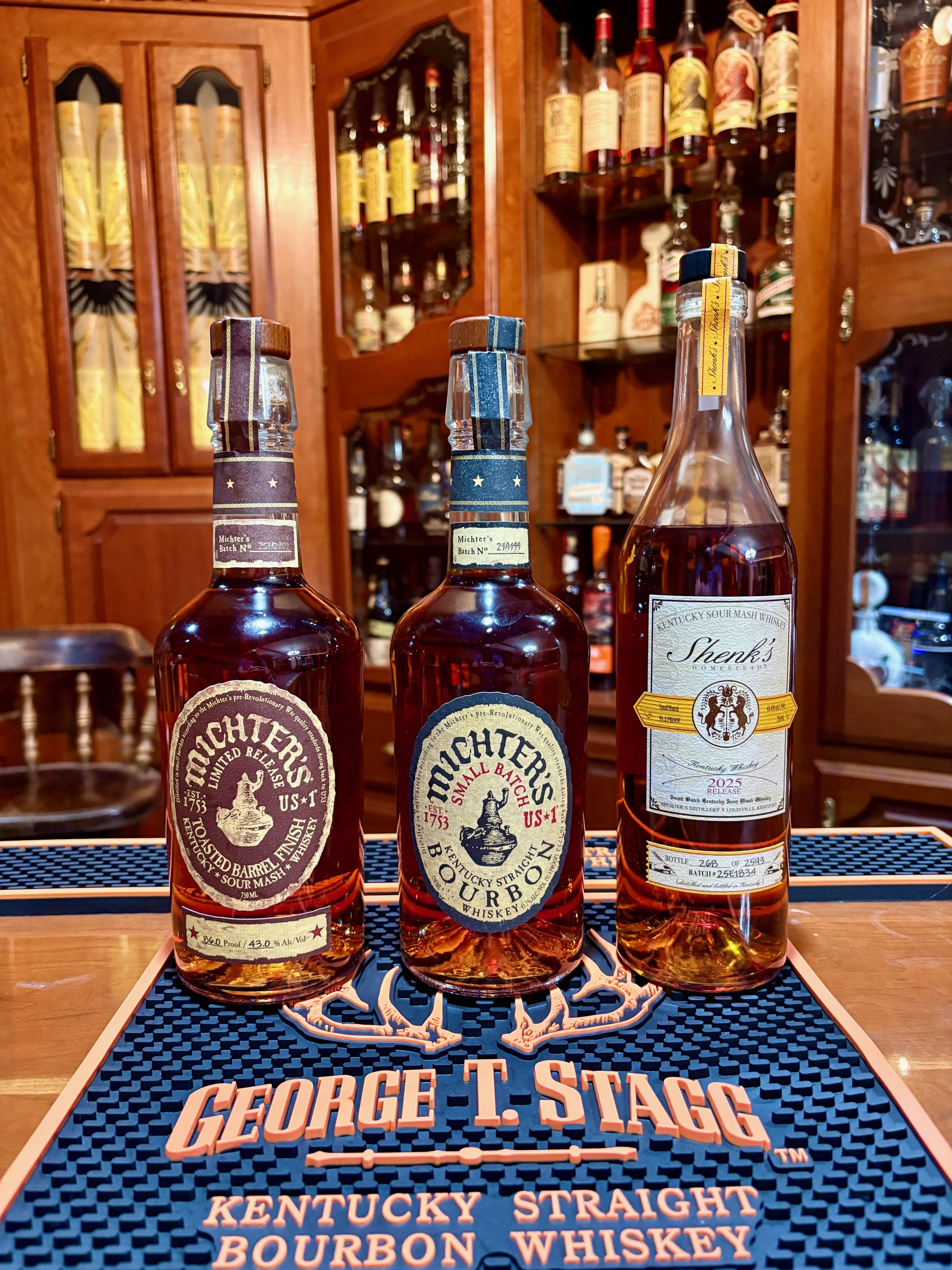
Welcome back to the Bourbon Brass and Beyond blog! In our latest episode, Ep. 24, we embarked on a flavorful journey, dissecting the nuances of three distinct offerings from the esteemed Michter's distillery: the Small Batch US1, the Toasted Barrel, and the Shenk's Limestone Branch. While we certainly covered a lot of ground with our tasting notes and initial impressions, this blog post is designed to go even deeper, pulling back the curtain on what truly makes each of these bourbons unique. We'll delve into their foundational elements, their specific production processes, and how these factors contribute to the distinct character that lands in your glass. So, whether you’re a seasoned bourbon aficionado or just beginning your exploration, join us as we unpack the philosophy and craftsmanship behind Michter's.
Michter's: A Distillery's Philosophy
Before we dive into the specifics of each bourbon, it's crucial to understand the overarching philosophy that guides Michter's. This isn't just another distillery; it's a brand with a rich history and a commitment to a meticulous, "legacy" approach to whiskey making. Michter's prides itself on a philosophy that emphasizes quality over quantity, patience over expediency, and a deep respect for tradition while embracing innovation where it enhances the final product. They are known for their "no-nonsense" approach, focusing on producing exceptional bourbon and rye, rather than chasing trends or volume. This dedication is evident in their careful selection of grains, their unique barrel treatments, and their unwavering commitment to small-batch production. Their tagline, "No. 1 American Whiskey," isn't just a boast; it's a reflection of their ambition and the high standards they set for themselves and their products. This core philosophy permeates every aspect of their operation, from the sourcing of their ingredients to the final bottling of their spirits.
Unpacking the Mash Bill: The Foundation of Flavor
At the heart of any great bourbon lies its mash bill – the specific ratio of grains used in its creation. This foundational element dictates much of the whiskey's potential flavor profile. While Michter's is somewhat guarded about the precise mash bills for all of their expressions, they are generally known for producing whiskeys that are either corn-forward or rye-forward, depending on the bottling. For bourbons, corn is the primary grain, contributing sweetness and body. The secondary grains, typically rye and malted barley, introduce complexity and spice. For rye whiskeys, the roles are reversed, with rye dominating and corn and malted barley providing supporting notes. The fermentation process and the yeast strains used also play a significant role in developing precursors to the final flavors. Even subtle variations in the mash bill can lead to drastically different tasting experiences, making it a critical element to consider when evaluating a bourbon. Michter's, with its focus on quality, ensures that the grains they source are of the highest caliber, further enhancing the potential of their mash bills.
Michter's Small Batch US1: The Standard Bearer
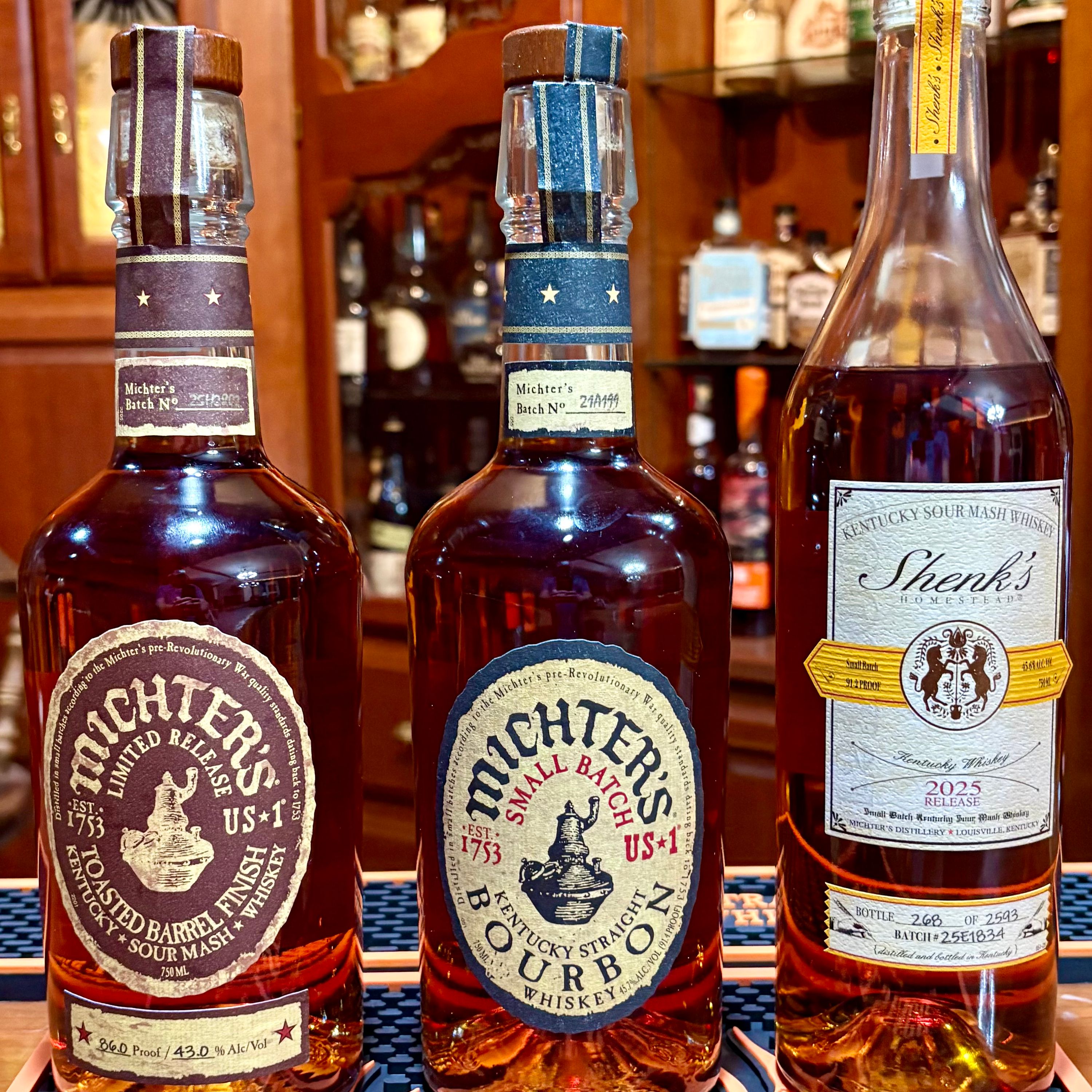
Let's start with the Michter's Small Batch US1 Kentucky Straight Bourbon. This is often considered the entry point into the Michter's bourbon experience, and for good reason. It's a testament to their philosophy of creating a well-balanced, approachable, yet complex bourbon. The "US1" designation signifies that it is a Kentucky Straight Bourbon, meaning it meets the stringent requirements of being distilled in Kentucky, aged in new charred oak barrels, and bottled at no less than 80 proof. The "Small Batch" moniker is also important. While not strictly defined by law, for Michter's, it signifies that the bourbon is made from a single batch of less than 20 barrels. This allows for greater consistency and control over the final product, ensuring that each bottle reflects the intended profile of that specific batch. The mash bill for US1 Bourbon is rumored to be around 73% corn, 20% rye, and 7% malted barley. This higher rye content, compared to many other bourbons, contributes to a noticeable spiciness and a more robust flavor profile that balances the sweetness of the corn. On the palate, you can expect notes of caramel, vanilla, and a hint of oak, all underpinned by that characteristic rye spice. It's a bourbon that drinks smoothly, making it excellent for sipping neat or as a sophisticated component in cocktails. The aging process, typically in newly charred American white oak barrels, imparts those classic bourbon flavors of toasted wood, vanilla, and caramel, with Michter's often allowing their bourbon to age to a point where these flavors are well-developed but not overpowering.
Michter's Toasted Barrel: The Sweet Embrace of Oak
Moving on to the Michter's Toasted Barrel Finish Kentucky Straight Bourbon. This expression takes the foundation of their US1 bourbon and elevates it with a unique finishing process. What makes this bourbon stand out is its secondary maturation in custom-made, toasted barrels. Unlike heavily charred barrels, toasted barrels are exposed to heat at a lower temperature for a longer duration. This process caramelizes the wood sugars more deeply, but without creating the intense char layer. The result is a whiskey that picks up different oak characteristics. For the Toasted Barrel Bourbon, Michter's typically takes their existing US1 bourbon and ages it for an extended period in these specially toasted barrels. This secondary aging imparts a distinct sweetness and a more nuanced oak profile. Expect notes that are richer and perhaps a bit fruitier than the standard US1. The toasted oak contributes flavors of toasted marshmallow, dark chocolate, and a gentle, almost honey-like sweetness, alongside the familiar caramel and vanilla notes. The rye spice is still present but often softened and integrated into the sweeter profile. The proof for this expression is usually a bit higher than the US1, often around 91.4 proof, which helps to carry those richer flavors. The Toasted Barrel Finish is a fantastic example of how a distillery can innovate within the bourbon framework to create something truly special. It's a bourbon that invites you to linger, to savor the layers of flavor that unfold with each sip, showcasing the profound impact of barrel treatment on whiskey.
Michter's Shenk's: A Legacy in a Bottle
Finally, we arrive at Michter's Shenk's Sour Mash Whiskey. This expression is a nod to the distillery's deep historical roots. The "Sour Mash" process is a technique where a portion of the previous distillation's mash is used as the starter for the next batch. This isn't a specific mash bill but rather a fermentation technique that can impart a subtle tanginess or extra complexity to the spirit. While Michter's uses the term "whiskey" rather than "bourbon" for Shenk's, it is still a corn-based spirit with other grains, and it undergoes aging in new charred oak barrels. The mash bill for Shenk's is not publicly disclosed, but it is understood to be different from their bourbon, likely with a higher proportion of rye. The "Shenk's" name itself refers to Abraham Shenk, a distilling pioneer whose family operated a distillery in the late 1700s and early 1800s, which is considered the historical precursor to Michter's. This expression is meant to evoke that historical lineage. On the palate, Shenk's tends to be more complex and perhaps a bit more assertive than the US1 bourbon. You might find notes of dark fruit, baking spice, and a distinctive savory quality that sets it apart. The sour mash technique, combined with the specific mash bill and aging, creates a unique profile that is both intriguing and deeply satisfying. It's a whiskey that speaks to history, tradition, and the enduring legacy of American distilling. The proof is typically higher, around 91.4 proof, allowing these complex flavors to shine through.
Comparing the Trio: What Sets Them Apart?
Now that we've explored each bottling individually, let's bring them together for a direct comparison. The most apparent difference lies in their flavor profiles, which are directly influenced by their production methods. The Small Batch US1 serves as the benchmark: a classic, well-balanced Kentucky Straight Bourbon with a noticeable rye spice that provides a pleasant kick. It’s reliable, approachable, and a fantastic representation of well-crafted bourbon. The Toasted Barrel takes that US1 base and adds a layer of sweet indulgence. The toasted oak introduces a different kind of wood influence, emphasizing notes of marshmallow and dark chocolate, softening the rye spice and creating a richer, more decadent experience. It's a bourbon designed for those who appreciate a touch of sweetness and complexity. Finally, Shenk's Sour Mash Whiskey offers a more historical and perhaps more robust profile. Its uniqueness comes from the sour mash technique and a likely different mash bill, leading to a whiskey with more assertive notes, potentially darker fruits and a savory undertone, that evokes a sense of its past. The proof differences also play a role; generally, higher proof spirits can carry more intense flavors and have a more pronounced mouthfeel. While the US1 is typically around 86 proof, both the Toasted Barrel and Shenk's are often bottled at 91.4 proof, which contributes to their fuller flavor profiles.
Proof, Palate, and Price: The Value Proposition
When evaluating any whiskey, especially those from a premium distillery like Michter's, considering the proof, palate, and price is essential. As discussed, the proof directly impacts how the flavors are presented. The higher proofs of the Toasted Barrel and Shenk's allow their more complex notes to be more vibrant. The palate, of course, is subjective and deeply personal. What one person finds delightfully sweet, another might find too much. However, Michter's generally aims for a sophisticated balance across all their offerings. The price point for Michter's products typically places them in the mid-to-high range for American whiskey. This reflects the quality of ingredients, the meticulous production processes, and the small-batch nature of their releases. While they are not the most expensive bourbons on the market, they are not entry-level either. The value proposition for Michter's lies in the consistent quality and the unique drinking experience they offer. For those who appreciate nuanced flavors, thoughtful production, and a brand with a genuine commitment to excellence, Michter's often represents a worthwhile investment. Trying them at MSRP, as we discussed in the episode, is key to appreciating their true value without the inflation of secondary markets. Each of these bottles offers a distinct experience, and discerning whiskey drinkers will find value in exploring the differences and appreciating the craftsmanship that goes into each pour.
And that brings us to the end of our in-depth exploration of Michter's Small Batch US1, Toasted Barrel, and Shenk's Sour Mash Whiskey. We've journeyed beyond the tasting notes from our latest episode, Ep. 24, to understand the philosophy, the mash bills, the barrel treatments, and the historical significance that contribute to these remarkable spirits. Whether you're drawn to the classic balance of the US1, the sweet embrace of the Toasted Barrel, or the historical depth of Shenk's, there's a Michter's expression that can offer a unique and memorable drinking experience. We hope this deeper dive has equipped you with a greater appreciation for the craftsmanship and dedication that Michter's puts into every bottle. Cheers, and until next time, happy sipping!
Pilot / Dad / Trumpeter / Contract Negotiator / Martial Artist
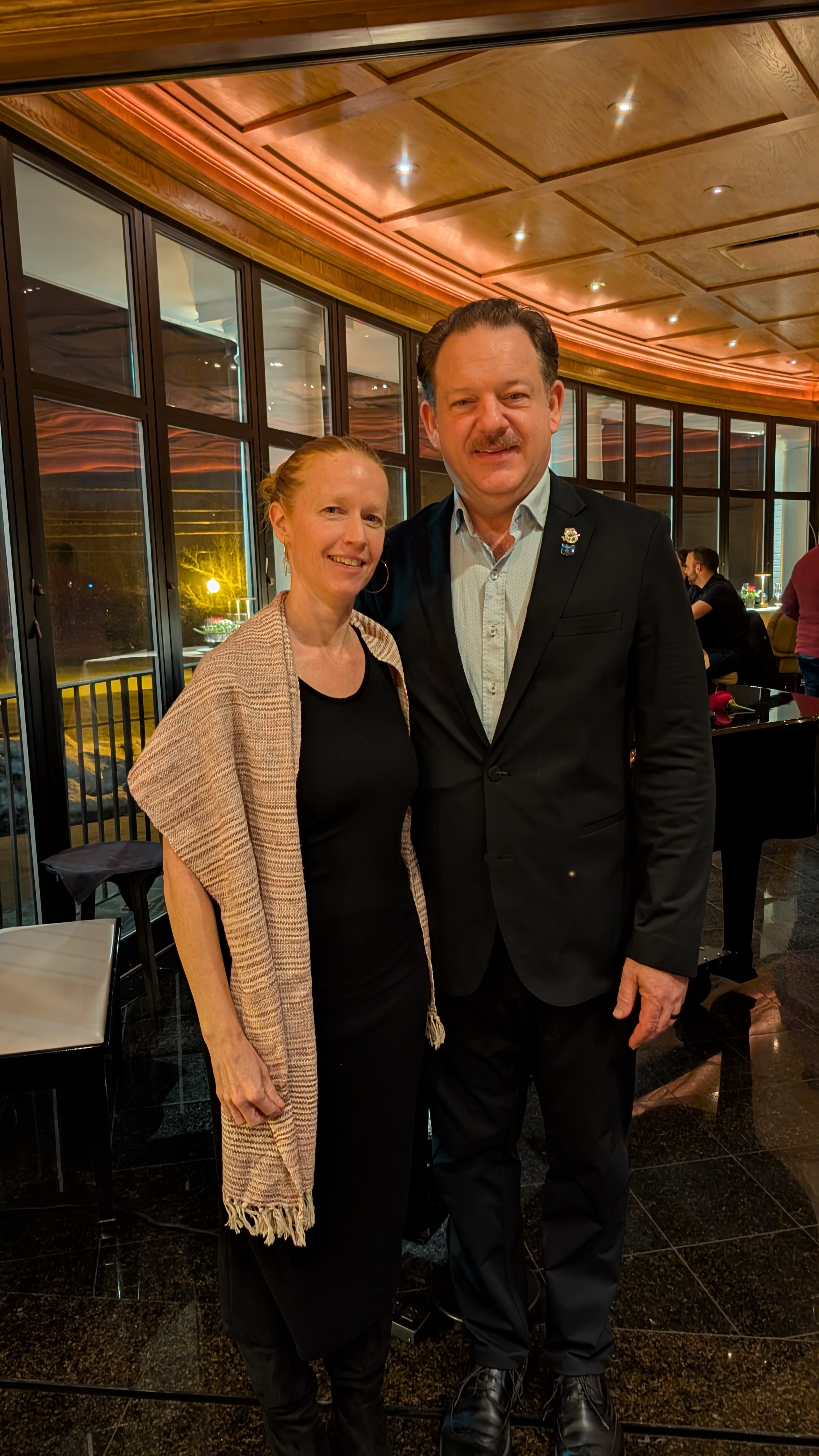
In his 26th year as an airline pilot, Dan resides in Youngstown, Ohio with his high school sweetheart Stephanie. Combined they have 5 kids (teenagers...). They enjoy travel as a family, and as a couple. Dan has had a bourbon affinity since smelling his Grandfather's JW Dant and Grapefruit soda as a kid. Dan started collecting bourbon in 2015. He has been actively involved in Martial Arts since he was a kid and has Black Belts in two different styles. Dan still plays trumpet. Originally he went to college for music at Ohio University, but after his sophomore year decided he would much rather spend 3 hours in an airplane instead of a practice room. He still helps teach high school band camps, and has assisted with 5th and 6th grade Trumpet, Low Brass, and Percussion. Dan has been a Pilot Union Representative, Contract Negotiator, Merger Specialist, and Contract Compliance Administrator for over 20 years. Dan received the President's Lifetime Achievement Volunteer Service Award in 2024.
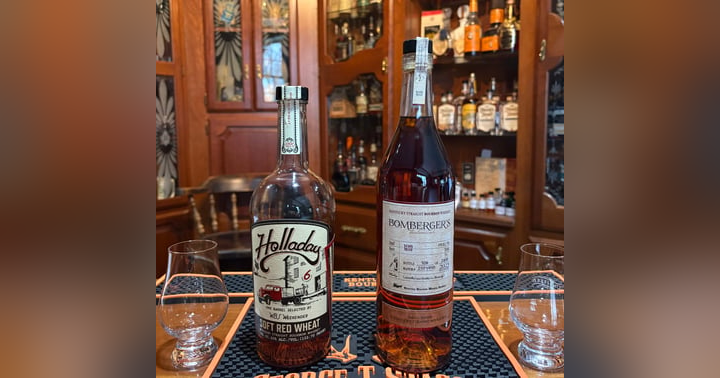
Diving Deep into Bomberger's 2025 Release: What to Expect