The Thrill of the Hunt: Navigating Bourbon Distribution and Drops
Introduction: The Allure of the Elusive Bottle
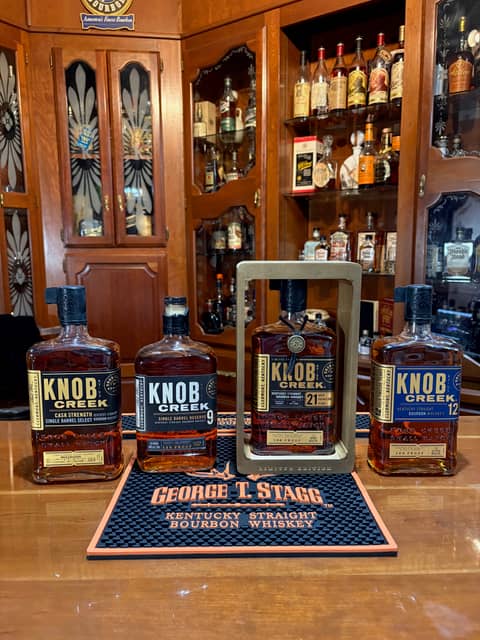
Welcome back to the blog, fellow bourbon enthusiasts! If you've ever found yourself staring longingly at an empty shelf where a coveted bottle of bourbon used to sit, or perhaps even where it *should* sit but never seems to appear, then this post is for you. In our latest episode, Knob Creek 9, 10, 12 and 21; Ep. 32, Dan and Bob delved deep into the fascinating world of Knob Creek's impressive lineup, comparing their unique flavor profiles and aging processes. But beyond the tasting notes and the delightful sipping experiences, a common thread emerged: the sheer difficulty in actually *acquiring* some of these exceptional bourbons. This is where the thrill of the hunt truly begins, and it's a journey that often involves navigating the intricate and sometimes frustrating landscape of bourbon distribution. Today, we're going to pull back the curtain on what makes finding that special bottle such an adventure, touching on concepts like OHLQ, the electrifying "bourbon drop," and offering you some strategies to increase your chances of success. So, grab your favorite dram, settle in, and let's talk about the pursuit of that elusive bottle.
The Bourbon Landscape: Understanding Distribution (OHLQ and Beyond)
Before we can talk about the thrill of the hunt, we need to understand the ecosystem in which these bourbons exist. Bourbon, like most spirits, doesn't just magically appear on liquor store shelves. It moves through a complex distribution network that can vary significantly from state to state. In many states, alcohol sales are a three-tier system: producer, distributor, and retailer. The producer makes the bourbon, then sells it to a distributor, who then sells it to the retailer (the liquor store you visit). This system was designed, in part, to prevent monopolies and ensure fair competition. However, it can also create bottlenecks and introduce layers of complexity for both consumers and retailers.
One of the most talked-about distribution models, especially for highly sought-after bourbons, is the state-controlled system. In states like Ohio, this is managed by the Ohio Department of Commerce, Division of Liquor Control, which operates under the moniker OHLQ. OHLQ is essentially the state's wholesaler for alcoholic beverages. They control which products are allocated to which liquor stores, and in what quantities. For bourbon hunters, OHLQ is both a blessing and a curse. It can create a centralized, and theoretically fair, system for distributing rare bottles. However, it also means that you are beholden to their allocation decisions. The excitement and frustration of OHLQ boils down to its transparency (or lack thereof) and the sheer demand for the allocated products. When a highly anticipated bourbon is announced as an OHLQ release, it triggers a frenzy. The website becomes the central hub for information, and anticipating when a bottle might "drop" into stores becomes a full-time hobby for some.
Beyond OHLQ, there are other distribution models. In states with a more open market, distributors have more autonomy in how they allocate products to retailers. This can lead to greater variability in availability. A bottle might be readily available in one store but completely absent from another in the same town. Larger retail chains, with their significant purchasing power, can sometimes negotiate better allocations directly from producers or distributors, further influencing availability. Understanding these nuances is the first step in understanding the challenges you face when hunting for that special bottle.
The Thrill of the Drop: What to Expect and How to Prepare
The "bourbon drop" is a term that sends shivers of anticipation (and sometimes dread) down the spine of any serious bourbon collector. It refers to the moment when limited-edition or highly allocated bourbons are released to the public through liquor stores. For controlled states, this often means a specific date and time when the allocated bottles are sent out to participating stores. For other states, it might be a less predictable event, with stores receiving shipments at random.
The "drop" itself can be an almost theatrical event. In controlled states like Ohio, there's often a period of intense speculation leading up to the release. Websites and social media groups buzz with rumors about which bottles will be allocated, when they will be sent to stores, and even how many bottles each store will receive. On the day of the drop, many stores implement specific procedures. Some might have a lottery system, others a first-come, first-served policy (often with people lining up hours, or even overnight, before opening), and some might reserve certain bottles for their loyal customers or those who spend a certain amount at their establishment.
Preparing for a bourbon drop is crucial. Here's what you'll want to consider:
- Information is Key: Stay informed! Follow OHLQ's official announcements, join local bourbon groups on social media, and subscribe to newsletters from your favorite liquor stores. Knowing *when* and *where* a drop is happening is half the battle.
- Know the Process: Understand how your local stores handle limited releases. Do they have a ticketing system? A lottery? Do they release online? Knowing the rules of engagement will save you a lot of wasted effort and disappointment.
- Be Ready: If it's an online release, have your payment information ready and your internet connection stable. If it's an in-person release, know the store's opening hours and have a strategy for getting there early.
- Manage Expectations: This is perhaps the most important part. Bourbon drops are highly competitive. Understand that you might not get the bottle you're after, and that's okay. The pursuit is part of the fun for many.
- Build Relationships: In some cases, building a rapport with store owners and employees can be beneficial. They might give you a heads-up on upcoming releases or even set a bottle aside for you if you're a regular and respectful customer.
The thrill of the drop isn't just about the acquisition; it's the adrenaline rush of the chase, the camaraderie (and sometimes rivalry) with other hunters, and the sheer excitement of potentially scoring that rare bottle you've been dreaming of.
Knob Creek's Collection: A Taste of the Hunt (Featuring Ep. 32 Insights)
Now, let's bring this back to our recent episode on Knob Creek. Dan and Bob did a fantastic job of showcasing the depth and breadth of this brand, from the entry-level 9-year-old to the incredibly aged 21-year-old. The discussions in Ep. 32 highlight why these bourbons are so sought after. The 12-year-old offers a beautiful balance, the 21-year-old, as Dan mentioned, is "the most mellow and complex," with notes of "caramel and butterscotch on the nose." These aren't just generic whiskeys; they are expressions of time, craft, and thoughtful blending that result in truly exceptional spirits. This elevates them from mere beverages to collectible items.
However, the very qualities that make these Knob Creek expressions so desirable also make them prime targets for the bourbon drop phenomenon. The limited availability of older, higher-proof bourbons means that demand often outstrips supply. This is precisely why understanding distribution and the mechanics of a drop becomes so vital when you're aiming for bottles like the Knob Creek 12, 15, or even the elusive 18 or 21-year-old expressions. You'll often find these, if they are allocated in your state, appearing as part of a special release or drop, requiring the same strategies we've discussed.
The insights from the episode underscore the value of these bourbons, not just in terms of taste but in their rarity. When you hear about the nuanced flavors, the impact of extended aging, and the careful consideration of proof levels, it all contributes to the desire to experience them firsthand. And for many, the journey to that experience begins long before the bottle is even opened, starting with the challenge of simply obtaining it.
Strategies for Success: Tips and Tricks for Nabbing Your Bottle
So, you're armed with information about distribution and the drop. Now, how do you actually increase your chances of walking away with that coveted bottle? It's a combination of dedication, a bit of luck, and employing smart strategies:
- Become a Regular: This might sound obvious, but consistently patronizing your local liquor stores builds familiarity. Store owners and staff are more likely to think of you when a rare bottle comes in if they recognize you as a loyal customer.
- Join the Online Community: As mentioned, social media groups and online bourbon forums are invaluable. Members often share tips, alert each other to upcoming releases, and discuss allocation strategies. Just remember to be respectful and avoid "calling out" specific stores for their inventory unless it's a general discussion. Also, like and subscribe to our podcast on social media.
- Follow the Official Channels: For states like Ohio, OHLQ's website and social media are your primary source of truth for allocated products. For other states, follow your state's liquor control board or equivalent.
- Network with Other Enthusiasts: While competition can be fierce, there's also a sense of community. Sharing information and insights with fellow enthusiasts can be mutually beneficial. Just be wary of anyone promising guaranteed access to bottles – it often comes with strings attached.
- Be Flexible with Your Targets: While you might have your heart set on a specific bottle, be open to other rare or limited releases. Sometimes, a different but equally impressive bourbon might be more accessible.
- Consider "Secondary Market" Etiquette (with caution): While buying from individuals who have already acquired bottles is an option, be aware of the risks. Prices can be inflated, and authenticity can be a concern. It's generally best to try and acquire bottles through official channels first.
- Travel (Strategically): If you're a serious collector, you might consider traveling to areas known for better bourbon availability. Some states have more favorable distribution laws or a higher density of stores that receive good allocations.
- Be Polite and Respectful: This cannot be stressed enough. Store employees are often on the front lines of bourbon madness. A little courtesy goes a long way.
The "hunt" is as much a part of the bourbon experience as the tasting for many. It's about the dedication, the research, and the thrill of the chase. While success isn't guaranteed, these strategies can certainly tilt the odds in your favor.
Beyond the Drop: Other Ways to Find Special Bourbons
While the bourbon drop is undoubtedly the most talked-about method for acquiring limited releases, it's not the only avenue. For those who might find the drop process too competitive or simply prefer a less frenzied approach, here are some other ways to discover special bourbons:
- Distillery Exclusives: Many distilleries offer special bottlings or barrel picks directly from their own retail stores. While this often requires a visit to the distillery, it can be a rewarding experience, and you might find unique expressions not available elsewhere.
- Barrel Picks: This is where a liquor store, a bar, or even a private group partners with a distillery to select a single barrel of bourbon. These "store picks" can be exceptional and offer a unique profile often not found in standard releases. Building a relationship with a store that does barrel picks can be a great way to access special bottles.
- Craft Distilleries: Don't overlook the smaller, craft distilleries. While they may not have the same distribution reach as the large producers, they often release interesting, experimental, and limited-edition bourbons that can be fantastic.
- Whiskey Bars and Restaurants: Some high-end whiskey bars and restaurants will acquire rare bottles for their own inventory. While you'll pay a premium to drink it there, it's an opportunity to taste a bourbon you might not otherwise be able to find. Some may even sell select bottles to go.
- Bourbon Festivals and Events: Attending bourbon festivals can be a great way to sample a wide variety of bourbons, including some limited releases. Occasionally, these events will have bottles for sale, and it's an excellent opportunity to network and learn more about the industry.
- Subscription Services (with caution): Some services offer curated bourbon selections delivered to your door. While these can be convenient, be sure to research the service thoroughly to ensure they are reputable and offering good value.
Exploring these alternative routes can broaden your bourbon horizons and provide different pathways to enjoying rare and unique spirits, often with less of the high-stakes pressure of a major drop.
Conclusion: Patience, Persistence, and the Reward of the Hunt
Navigating the world of bourbon distribution and the excitement of the bourbon drop can feel like an adventure in itself. As we explored today, from understanding the complexities of systems like OHLQ to preparing for the unpredictable nature of a release, the pursuit of a special bottle is often as rewarding as the sipping itself. The Knob Creek bourbons discussed in our latest episode are prime examples of why these hunts are so engaging – their quality and rarity make them highly desirable.
Ultimately, finding those elusive bottles requires a blend of knowledge, strategy, and a healthy dose of patience. Building relationships, staying informed, and managing your expectations are all crucial components. Whether you're aiming for a highly allocated bottle during a "drop" or seeking out unique barrel picks, remember that the journey is part of the joy. So, keep hunting, keep learning, and most importantly, keep enjoying the incredible world of bourbon. Until next time, happy sipping!
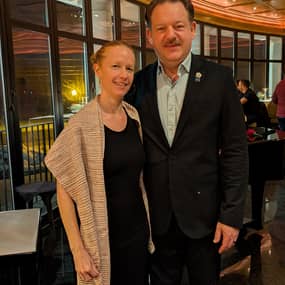
Pilot / Dad / Trumpeter / Contract Negotiator / Martial Artist
In his 26th year as an airline pilot, Dan resides in Youngstown, Ohio with his high school sweetheart Stephanie. Combined they have 5 kids (teenagers...). They enjoy travel as a family, and as a couple. Dan has had a bourbon affinity since smelling his Grandfather's JW Dant and Grapefruit soda as a kid. Dan started collecting bourbon in 2015. He has been actively involved in Martial Arts since he was a kid and has Black Belts in two different styles. Dan still plays trumpet. Originally he went to college for music at Ohio University, but after his sophomore year decided he would much rather spend 3 hours in an airplane instead of a practice room. He still helps teach high school band camps, and has assisted with 5th and 6th grade Trumpet, Low Brass, and Percussion. Dan has been a Pilot Union Representative, Contract Negotiator, Merger Specialist, and Contract Compliance Administrator for over 20 years. Dan received the President's Lifetime Achievement Volunteer Service Award in 2024.

Deep Dive into Ass Pocket Whiskey Lot 5: A 20-Year Tennessee Gem

