The Subtle Art of Barrel Picks: 2025 vs. 2026 Russell's Reserve
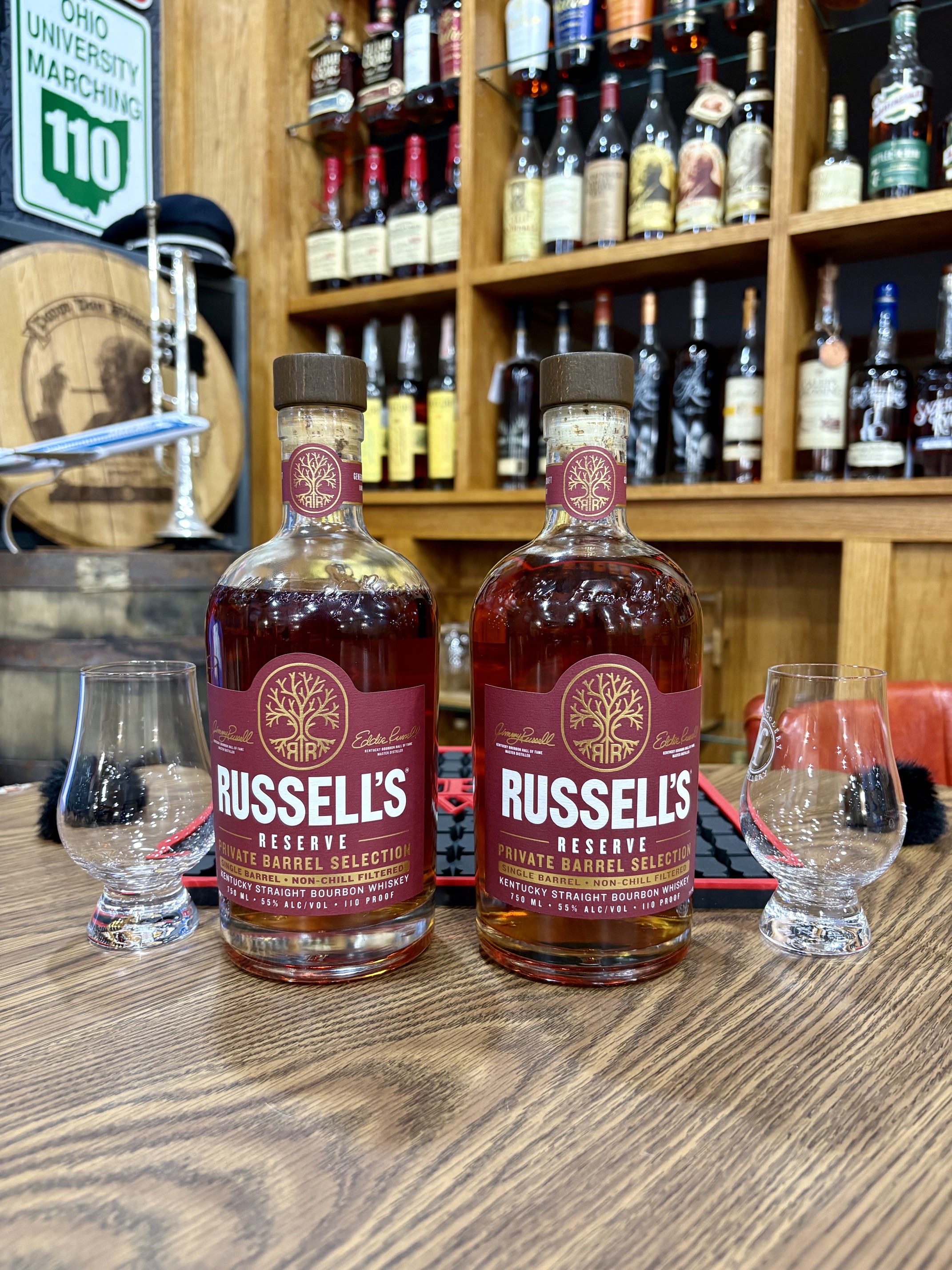
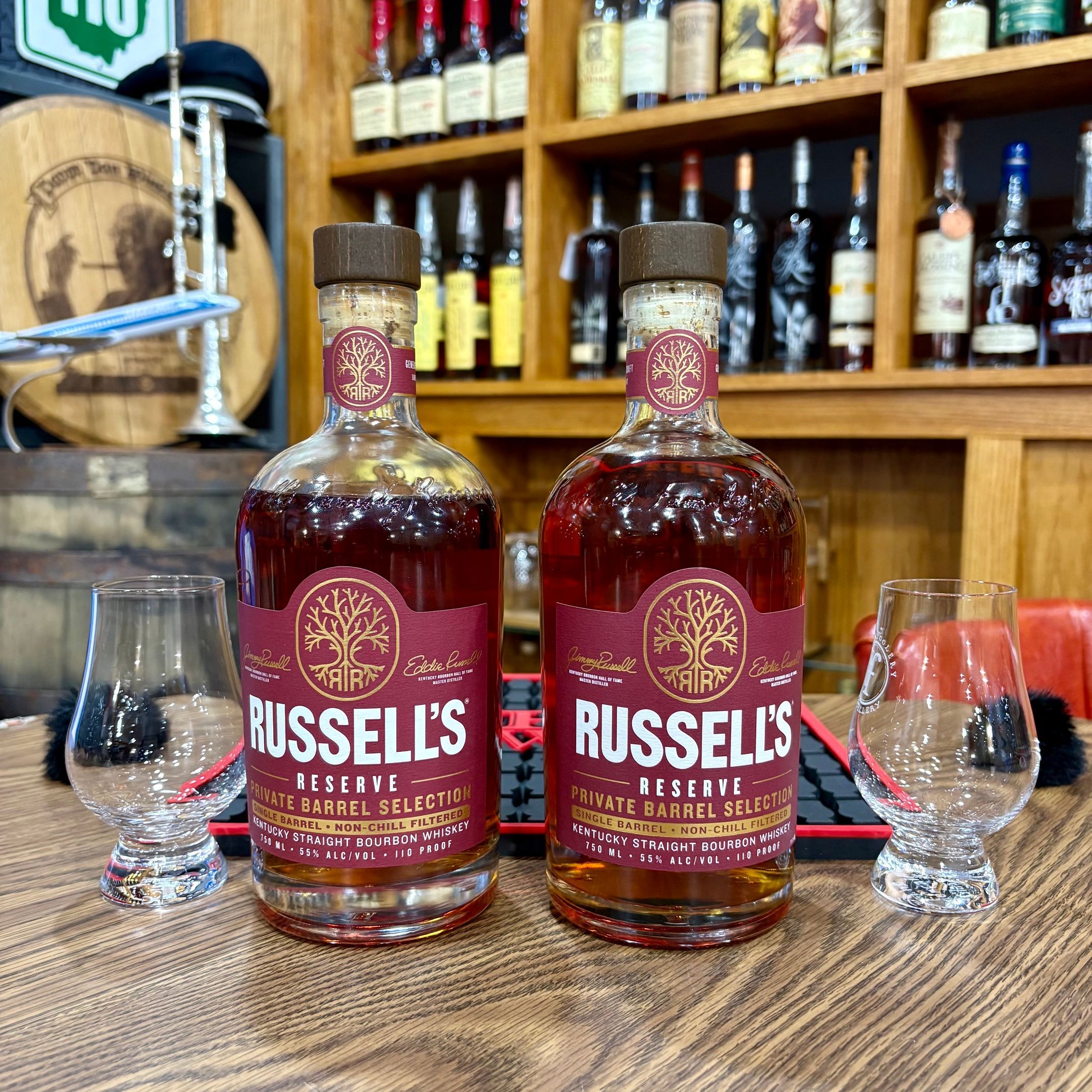
Welcome back to the blog, fellow whiskey enthusiasts! In our latest episode, Episode 64: Russell's Reserve 2026 Barrel Pick vs 2025, we dove deep into the fascinating world of Russell's Reserve barrel picks, specifically comparing two consecutive years: 2025 and 2026. The response to that episode has been incredible, and it got us thinking about just how much nuance exists within a single brand, let alone across different distilleries and production years. This blog post is an expansion on those ideas, aiming to provide a more comprehensive look at what makes these barrel picks so special, and why even a single year's difference can be a fascinating study in whiskey evolution. We'll be deconstructing tasting notes, exploring the impact of aging, warehousing, and even the broader market trends that influence our beloved spirits.
Unveiling the 2025 and 2026 Vintages: A Tale of Two Years
Russell's Reserve, a single barrel bourbon from Wild Turkey, has carved out a significant niche for itself among collectors and everyday drinkers alike. Its appeal lies in its consistent quality and the inherent uniqueness of each barrel. The beauty of a barrel pick is that it's a snapshot of a specific barrel at a specific moment in time. When we compare two consecutive years, like the 2025 and 2026 releases we explored, we're not just looking at minor variations; we're examining the subtle dance between the spirit and its environment over time. It's a testament to the distiller's art and the cooper's craft that such distinct profiles can emerge from what is ostensibly the same recipe and production process. These bottles offer a unique opportunity to understand how external factors, beyond the initial distillation, shape the final product. It's a journey from the rickhouse to your glass, and every step along the way leaves its mark.
Tasting Notes: Deconstructing the Subtle Differences
The core of any whiskey exploration lies in its tasting notes. In Episode 64, we touched on some of the key differentiators we found between the 2025 and 2026 Russell's Reserve picks. While both undoubtedly possessed the signature Wild Turkey character – a robust, often spicy, and fruit-forward profile – the subtle shifts were where the real intrigue lay. For the 2025 vintage, we might have noted a certain classic sweetness, perhaps leaning towards caramel and vanilla, with a warm, lingering spice. Think of it as the familiar embrace of a well-loved armchair. The fruit notes could have been prominent, perhaps ripe berries or a touch of stone fruit, balanced by a well-integrated oak presence. It's a profile that speaks of maturity and well-roundedness.
On the other hand, the 2026 release might have presented a slightly different narrative. It could have been described as more "oaky and bright on the nose," as one of our sound bites from the episode suggested. This "brightness" can manifest in various ways – perhaps a more vibrant citrus note, a sharper spice, or even a more assertive wood influence that hasn't yet been fully softened by time. This doesn't necessarily mean it's "better" or "worse" than the 2025; it's simply a different expression. The oak might be more pronounced, offering notes of toasted wood, cinnamon, or even a hint of leather, mingling with the underlying sweetness. The fruit could be a bit more tart, like green apples or a less ripe plum, providing a counterpoint to the oak and spice. The finish, while still potentially long and satisfying, might carry a different type of warmth or spice, a slightly different echo of the barrel's influence. These differences, though subtle, are what make each barrel pick a unique collectible and a subject of engaging discussion among enthusiasts.
The Impact of Aging: How Time Shapes the Flavor
The most significant factor influencing these subtle differences is, undoubtedly, aging. Bourbon, by law, must be aged in new, charred oak barrels. It's within these barrels that the magic truly happens. As the whiskey ages, it interacts with the oak, extracting flavors, color, and tannins. The longer it ages, the more pronounced these interactions become. For Russell's Reserve, which is typically bottled at 6 years old for its core expression but barrel picks often have a higher proof and can range in age, even a single year can represent a considerable amount of maturation. Think of it as a conversation between the spirit and the wood. In those extra 365 days (or more, depending on the specific barrel's age), the whiskey continues to absorb compounds from the oak. It might absorb more of the sugars that lead to caramel and vanilla notes, or it might draw out more of the tannins that contribute to dryness and spice. The angel's share, the portion of the spirit that evaporates through the barrel, also plays a role, concentrating the remaining liquid and its flavors. The 2026 vintage, having spent an additional year in the barrel compared to the 2025, would have had more time for these chemical reactions and evaporative processes to occur, leading to a more developed, perhaps more complex, flavor profile. This is where the concept of "barrel maturity" truly comes into play, and why comparing consecutive years is such a revealing exercise.
Warehouse Wonders: Exploring the Influence of Location (Tyrone vs. Camp Nelson)
Beyond the simple passage of time, the environment in which the barrels are stored plays a crucial role. Wild Turkey, like many distilleries, utilizes multiple warehouses, and these warehouses are not created equal. In our discussion in Episode 64, we specifically highlighted the impact of Tyrone and Camp Nelson warehouses. These locations, often within close proximity but still subject to microclimates, can impart distinct characteristics to the whiskey. Warehouses that experience more extreme temperature fluctuations, for instance, will see greater interaction between the whiskey and the oak. Hotter temperatures cause the liquid to expand, pushing it deeper into the wood's charred interior, while cooler temperatures cause it to contract, drawing those flavors back out. This "breathing" of the barrel can significantly alter the flavor profile. A barrel aged in a warehouse at the top of a rickhouse, exposed to more heat, might develop faster and have more intense oak and spice notes. Conversely, a barrel stored on a lower floor or in a warehouse with more stable temperatures might mature more slowly and develop a smoother, sweeter profile. The specific construction of the warehouse, the materials used, and even the surrounding environment can contribute to these differences. Therefore, knowing the warehouse of origin for a Russell's Reserve barrel pick can provide valuable insight into its potential flavor characteristics. A Tyrone pick might have a different character than a Camp Nelson pick, even if bottled in the same year and from similar mash bills. This adds another layer of complexity and intrigue to the barrel pick experience.
Beyond the Barrel: Other Factors Affecting Flavor
While aging and warehouse location are significant players, they aren't the only factors contributing to the subtle variations in barrel picks. The specific mash bill, though generally consistent for Russell's Reserve, can have minute variations over time due to the sourcing of grains. The yeast strain used in fermentation, while typically proprietary and stable, can also have subtle influences. Furthermore, the individual barrel itself plays a paramount role. The type of oak used (American white oak is standard for bourbon), the char level applied to the inside of the barrel, and even the history of the barrel (though usually new for bourbon) can impart unique characteristics. Some barrels might be "sweeter" from the start, while others might be more "spicy." The cooperage that made the barrel can also have its own unique techniques that influence the wood's interaction with the spirit. The precise cut points during distillation – the heads and tails that are separated from the heart of the run – can also lead to subtle differences in the new make spirit that will eventually influence the aged product. Lastly, the bottling proof, while often high for barrel picks, can also have a minor impact. A slightly higher proof might accentuate certain spice notes, while a slightly lower proof could allow sweeter, more delicate flavors to shine through.
Whiskey Releases and Market Trends: What Else is New?
The world of whiskey is dynamic, and it's not just the barrels that are constantly evolving. In Episode 64, we also touched upon recent whiskey releases and market trends. The bourbon market, in particular, has seen an explosion of interest in recent years. This surge in demand means that distilleries are working harder than ever to meet consumer appetite. We're seeing more limited releases, more barrel picks available, and an increased focus on storytelling around each bottle. This can influence what distilleries choose to bottle and when. There's also a growing appreciation for older, more mature expressions, leading some distilleries to hold stock for longer. The rise of private barrel selections, where groups or individuals can select their own barrels, has also become a significant trend, allowing for a deeper engagement with the production process. Understanding these broader market trends can provide context for why certain bottles become highly sought after and how distilleries navigate the landscape of consumer demand. It's a fascinating interplay between production, marketing, and consumer preference.
Collecting and Investing in Barrel Picks: A Deeper Dive
For many, collecting Russell's Reserve barrel picks is more than just acquiring bottles; it's an investment in a hobby and a passion. These single barrel releases, especially those from specific years or warehouses, can become highly collectible. The rarity of a particular barrel, combined with its perceived quality and unique flavor profile, can drive up its secondary market value. However, it's crucial to approach collecting with a balanced perspective. While the investment potential is there, the primary enjoyment should always come from the act of tasting and appreciating the whiskey itself. Understanding the factors we've discussed – aging, warehousing, year of release – becomes crucial for informed collecting. A 2025 Tyrone pick might be valued differently than a 2026 Camp Nelson pick, not just based on current market trends, but on the perceived quality and scarcity of those specific characteristics. The thrill of the hunt, the research involved, and the eventual reward of a truly exceptional bottle are all part of the collecting experience. It’s about building a personal library of whiskeys that tell a story, a story of the distiller, the barrel, and the time it spent maturing.
Conclusion: Appreciating the Nuances of Your Next Barrel Pick
As we wrap up this deep dive, it's clear that the world of whiskey, and particularly Russell's Reserve barrel picks, is a realm of subtle, yet significant, variations. Comparing the 2025 and 2026 vintages, as we did in our latest episode, is a prime example of how time, place, and countless other factors contribute to the final taste in your glass. It's a reminder that every bottle is a unique journey, a testament to the art and science of whiskey making. We hope this exploration has provided you with a deeper appreciation for the nuances that make barrel picks so exciting, whether you're a seasoned collector or just beginning your bourbon adventure. The next time you uncork a Russell's Reserve barrel pick, take a moment to consider its story – the year it was bottled, the warehouse it called home, and the slow, deliberate transformation that occurred within its oaken confines. It's these details that elevate a simple drink into an experience. Be sure to check out Episode 64 for the full tasting experience and discussion, and until next time, happy sipping!

Pilot / Dad / Trumpeter / Contract Negotiator / Martial Artist
In his 26th year as an airline pilot, Dan resides in Youngstown, Ohio with his high school sweetheart Stephanie. Combined they have 5 kids (teenagers...). They enjoy travel as a family, and as a couple. Dan has had a bourbon affinity since smelling his Grandfather's JW Dant and Grapefruit soda as a kid. Dan started collecting bourbon in 2015. He has been actively involved in Martial Arts since he was a kid and has Black Belts in two different styles. Dan still plays trumpet. Originally he went to college for music at Ohio University, but after his sophomore year decided he would much rather spend 3 hours in an airplane instead of a practice room. He still helps teach high school band camps, and has assisted with 5th and 6th grade Trumpet, Low Brass, and Percussion. Dan has been a Pilot Union Representative, Contract Negotiator, Merger Specialist, and Contract Compliance Administrator for over 20 years. Dan received the President's Lifetime Achievement Volunteer Service Award in 2024.
Penelope Omega 11 Year vs. Maker's Mark 46 Cask Strength: The Ultimate Breakdown