Stagg 2026 Releases A, B, and C: The Ultimate Head-to-Head Comparison
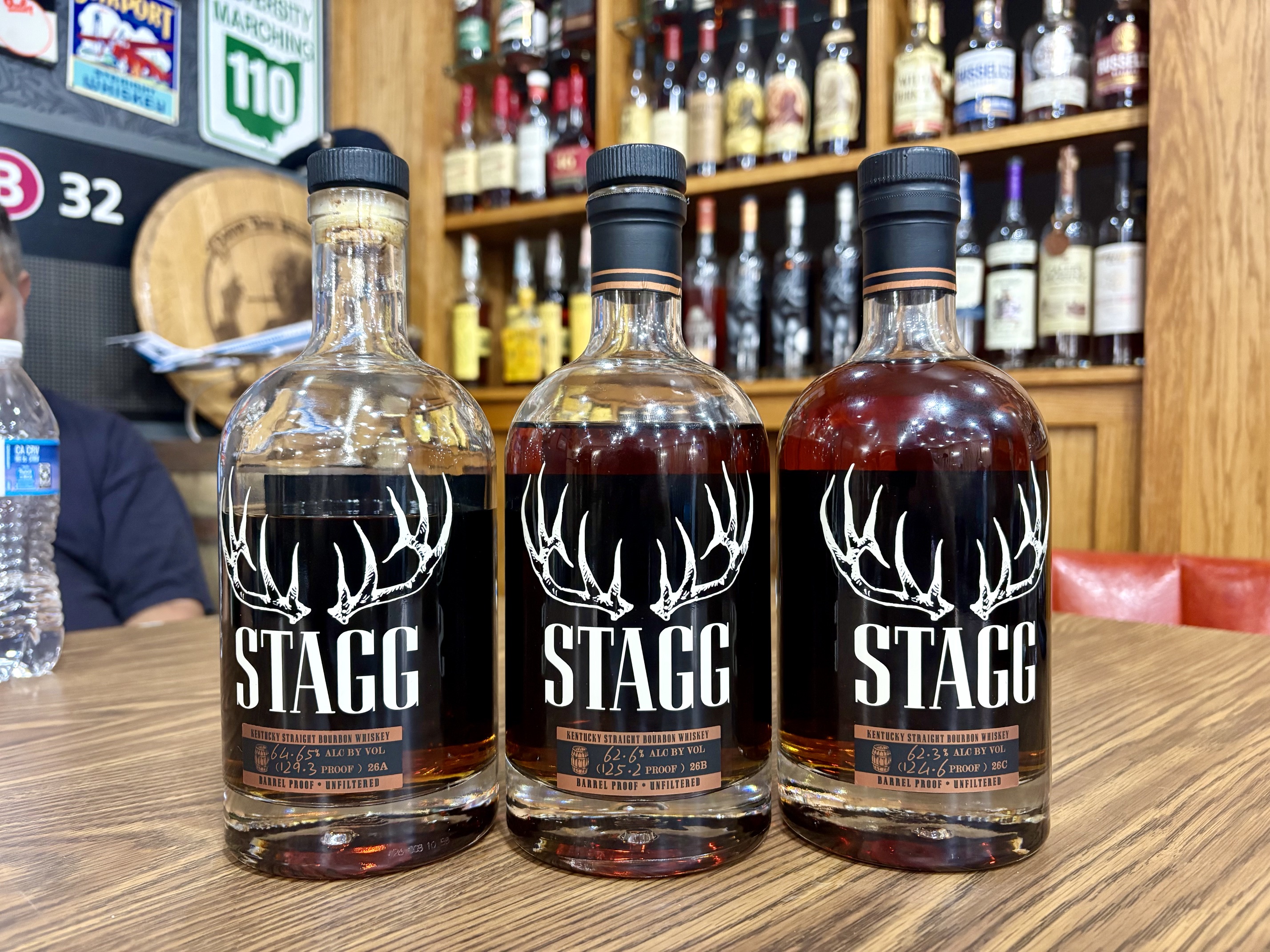
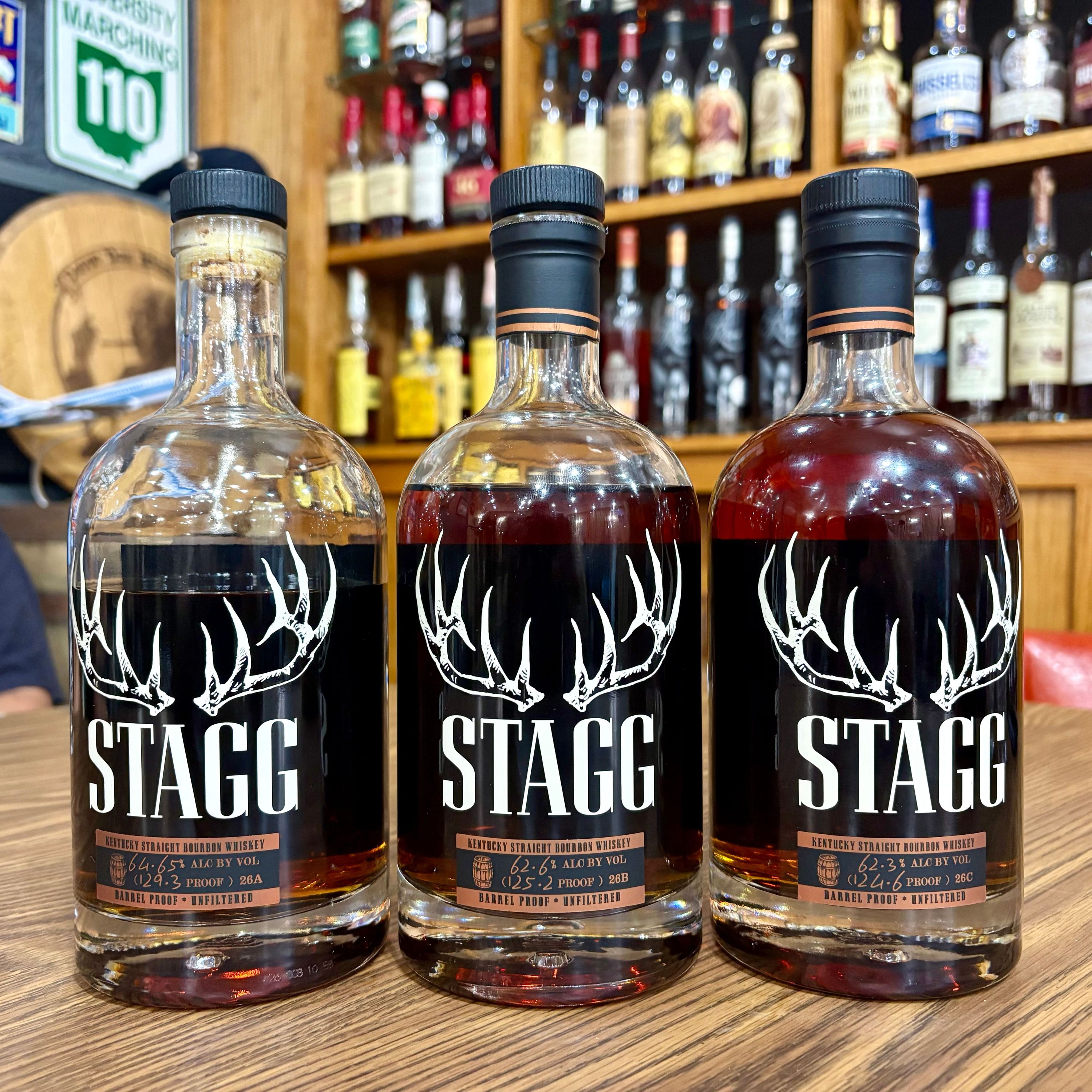
Welcome back, whiskey lovers, to another deep dive into the world of high-proof American whiskey. If you are anything like us, the mere mention of the Stagg lineup is enough to quicken your pulse and make you reach for your favorite glencairn glass. Buffalo Trace’s uncut, unfiltered powerhouse has captured the imaginations and palates of collectors and casual sippers alike for years. Recently, we had the incredible opportunity to sit down and do a rigorous, side-by-side tasting of three monumental bottles: the Stagg 2026 batches A, B, and C. In this article, we are going to expand on our recent conversation, break down the proofs, analyze the aromas, uncover those wild soda-pop tasting notes, and ultimately crown a champion of the set. If you enjoy this deep dive, make sure to check out the accompanying podcast discussion in Stagg 2026 Releases: A, B, and C Side-by-side; Ep. 89, where Dan, Bob, Nick, and Michael tackle these exact pours live on air.
Introduction to the Stagg 2026 Batches
The anticipation surrounding a new Stagg release is always palpable in the bourbon community. Love it or hate it, the chase is real, and the liquid inside these bottles commands attention. When batches A, B, and C for 2026 hit the market, we knew we had to gather the crew to evaluate them properly. Stagg has established a reputation for delivering a punchy, unadulterated cask-strength experience that rarely disappoints those who appreciate a whiskey with some serious muscle.
During our tasting session, our primary goal was not just to assign a score, but to understand how these three specific batches relate to one another. Are they remarkably similar siblings, or do they showcase distinct personalities shaped by barrel placement, warehouse conditions, and age? As we uncorked the bottles and let them pour, the room immediately filled with rich aromas of aged oak and dark fruit. Each batch brought something unique to the table, setting the stage for a fascinating comparative tasting that pushed our palates to the limit.
Understanding the Heat: Why Stagg Drinks Bold and Spicy
One of the first things you notice when diving into any Stagg release is the undeniable wave of heat. These are not low-proof, easy-sipping bourbons designed to fade into the background. They are bottled at cask strength, meaning they roar out of the bottle with intense ethanol presence, spices, and oak tannins. As we discussed on the podcast, there is a running theory among our group that Stagg drinks hot intentionally. It is part of its signature DNA.
When you pour a glass of Stagg, the initial nose and the first sip can often feel overwhelming if you are not prepared for it. The spice leaps out of the glass, delivering a powerful kick of cinnamon red hots, black pepper, and charred oak. But this heat is not a flaw; it is a feature. It acts as a delivery mechanism for the massive cascade of flavors hiding underneath. Once your palate adjusts to the fiery entry, the alcohol burn recedes just enough to allow complex sweet notes, earthy undertones, and luxurious mouthfeels to emerge. Understanding this dynamic is crucial to appreciating why Stagg requires a bit of patience and respect in the glass.
Side-by-Side Tasting Notes: Exploring Batches A, B, and C
Pouring all three batches side-by-side allowed us to truly dissect the nuances of each expression. Batch A immediately announced itself with a more pronounced, in-your-face flavor profile. It leaned heavily into classic high-proof territory, delivering an aggressive punch of dark chocolate, aged tobacco, and deep, drying oak. If you like your bourbon to demand your full attention from the very first drop, Batch A certainly delivers.
Batch B, on the other hand, surprised us with its remarkable balance. While still packing plenty of punch, it felt slightly more approachable, smoothing out some of the rough edges found in Batch A. The standout characteristics here were delightful waves of cocoa, leather, and a surprisingly playful effervescence.
Batch C brought a completely different dimension to the lineup. It offered a richer, deeper sweetness accompanied by exceptionally impressive legs clinging to the sides of the glass. Across all three batches, the group picked up on some incredible, nostalgic tasting notes that define the Stagg experience. We found distinct reminders of cherry cola, Dr. Pepper, and even subtle hints of grape soda mingling with classic tobacco and old-school leather. These soda-pop notes are a hallmark of exceptional Buffalo Trace mash bill #1 barrels, and finding them across multiple batches in 2026 was a true treat for our palates.
The Magic of Air: How Letting the Whiskey Breathe Changes the Profile
If there is one golden rule when tasting high-proof cask-strength bourbon like Stagg, it is this: never judge a pour by its first immediate sip straight out of the neck pour or freshly cracked bottle. The magic of air—often referred to as letting the whiskey breathe—plays an astonishingly dramatic role in transforming the tasting experience.
When we first poured batches A, B, and C, the ethanol dominated the conversation. However, after letting the glasses sit for fifteen to twenty minutes, the transformation was nothing short of miraculous. The oxygen allowed the harsher alcohol vapors to dissipate, opening up the floodgates for the secondary and tertiary tasting notes to emerge from hiding. The cherry cola and Dr. Pepper notes became infinitely more vivid, the dark cocoa notes turned richer and silkier, and the oak influence mellowed into a pleasant, polished woodiness rather than an aggressive tannin bite.
Taking the time to let your whiskey breathe is an essential practice for any serious enthusiast. It turns a good pour into a great one, allowing you to catch all the subtle complexities that the distiller and the barrel worked so hard to create. If you rush through a pour of Stagg, you are only getting half the story.
Ranking the Ultimate Champion: Which Batch Takes the Crown?
After a rigorous evaluation of proof, aroma, flavor development, mouthfeel, and how each batch handled the inevitable air time, it was time to make the tough decision: ranking batches A, B, and C. Every member of our tasting panel had their personal favorites based on what they look for in a daily sipper versus a special occasion pour.
Batch A won high marks for its bold, unapologetic flavor intensity, satisfying those who want a heavy-hitting, traditional Stagg experience. Batch C impressed us with its luscious sweetness and gorgeous legs, providing a dessert-like quality that is hard to resist. However, when the dust settled and the final votes were cast, Batch B took home the crown as the ultimate champion of the set. Why? Because it struck the ultimate sweet spot between power and drinkability. It proved to be perhaps one of the most balanced and approachable Stagg batches we have encountered in a long time, allowing us to enjoy multiple sips without palate fatigue setting in too quickly.
Of course, taste is entirely subjective, and your mileage may vary depending on your personal palate preferences. To hear the complete, uncut debate and get every single detail of our ranking process, make sure to listen to the full discussion over at Stagg 2026 Releases: A, B, and C Side-by-side; Ep. 89.
Ultimately, whether you prefer the aggressive punch of Batch A, the balanced approachability of Batch B, or the decadent sweetness of Batch C, the 2026 Stagg lineup proves that Buffalo Trace continues to put out world-class whiskey. Grab your friends, pour a few glasses, let them breathe, and enjoy the incredible journey that these remarkable bottles have to offer!

Pilot / Dad / Trumpeter / Contract Negotiator / Martial Artist
In his 26th year as an airline pilot, Dan resides in Youngstown, Ohio with his high school sweetheart Stephanie. Combined they have 5 kids (teenagers...). They enjoy travel as a family, and as a couple. Dan has had a bourbon affinity since smelling his Grandfather's JW Dant and Grapefruit soda as a kid. Dan started collecting bourbon in 2015. He has been actively involved in Martial Arts since he was a kid and has Black Belts in two different styles. Dan still plays trumpet. Originally he went to college for music at Ohio University, but after his sophomore year decided he would much rather spend 3 hours in an airplane instead of a practice room. He still helps teach high school band camps, and has assisted with 5th and 6th grade Trumpet, Low Brass, and Percussion. Dan has been a Pilot Union Representative, Contract Negotiator, Merger Specialist, and Contract Compliance Administrator for over 20 years. Dan received the President's Lifetime Achievement Volunteer Service Award in 2024.
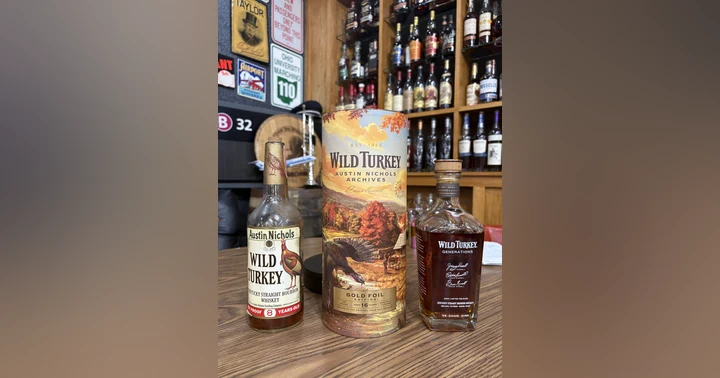
Gold Foil Nostalgia: Reviewing the Austin Nichols Archive 16 Year