Spotlight on the Bottle: Our Top Picks from FRYEday Episode 54
Welcome back to the Bourbon Brass and Beyond blog! In our latest episode, FRYEday with Rich; Ep. 54, we embarked on a delightful journey through the often misunderstood, yet incredibly rewarding, world of rye whiskey. While many associate rye with a spicy, perhaps even harsh, kick, this episode proved that there's a nuanced spectrum of flavors and profiles waiting to be discovered. We dove headfirst into a diverse selection of bottles, ranging from familiar household names to the almost mythical, and the experience was nothing short of enlightening. This blog post is designed to be your companion to that episode, offering a deeper dive into the specific bottles we sampled, our detailed tasting notes, and the reasons why certain expressions truly stood out. So, whether you're a seasoned rye aficionado or just curious to explore beyond the usual suspects, pull up a chair, pour yourself a dram, and let's get to it. You can catch the full auditory experience of our tasting at FRYEday with Rich; Ep. 54.
A Sip of History: The Significance of Rye Whiskey
Before we delve into the specifics of our tasting, it’s crucial to understand why rye whiskey holds such a special place in the American spirits landscape. Rye, in its essence, is a grain-forward whiskey that typically imparts a spicier, drier, and more complex profile compared to its corn-heavy cousin, bourbon. Historically, rye was the dominant grain in early American whiskey production, particularly in states like Pennsylvania and Maryland. Its ability to thrive in cooler climates made it a readily available and popular choice for distillers. It's said that rye whiskey was the backbone of the frontier, fueling settlers and explorers alike with its robust character.
The distinctiveness of rye comes from the rye grain itself. It contains higher levels of certain compounds that, when fermented and distilled, translate into those characteristic spicy, peppery, and sometimes even minty or herbal notes. This complexity makes rye a fascinating spirit to explore, as the grain's influence is often more pronounced than in bourbon, where corn typically takes center stage. The production of rye whiskey has seen a resurgence in recent years, with distillers both large and small experimenting with different mash bills and aging techniques to unlock its full potential. This renewed interest has led to a wider availability of exceptional rye whiskeys, making it an exciting time for enthusiasts.
The Lineup: Our FRYEday Episode 54 Selections
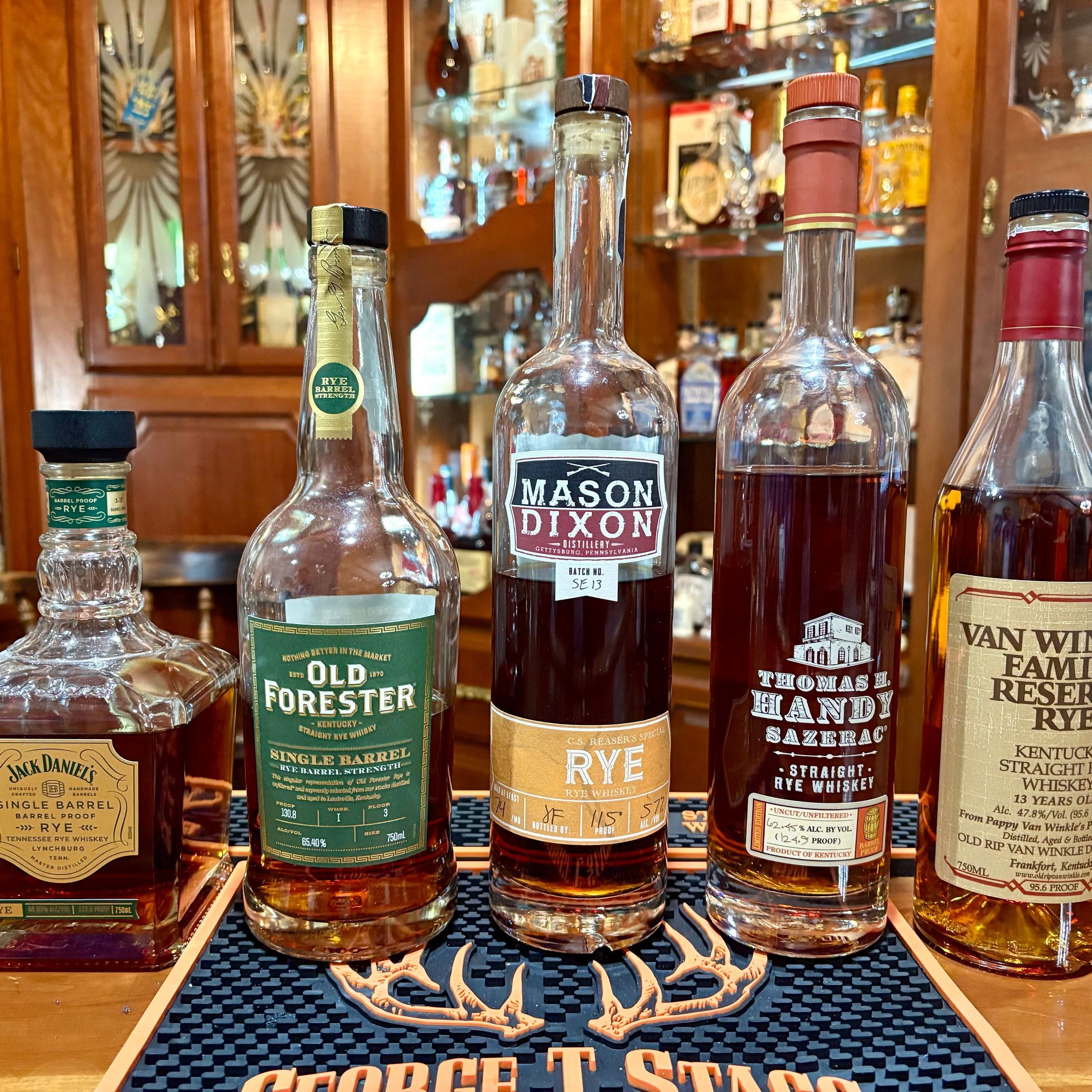
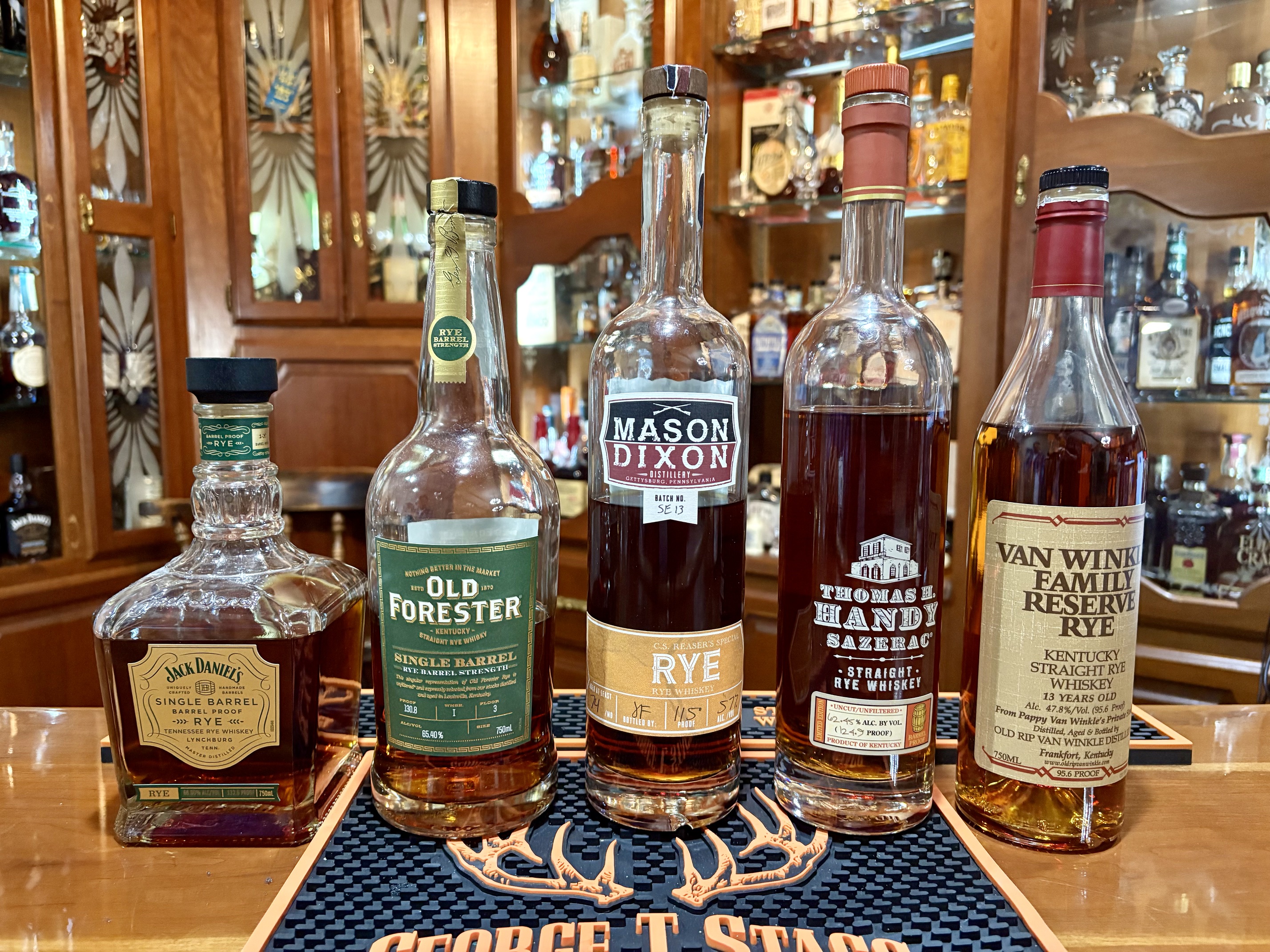
In Episode 54, we curated a selection that we felt represented a good cross-section of what the rye whiskey world has to offer. We aimed to include a mix of established brands and some that might be less familiar but are making significant waves. The goal was to showcase the diversity within the rye category and to challenge any preconceived notions our listeners might have. Here’s a breakdown of the bottles we sampled and our thoughts:
Jack Daniel's Rye: Beyond the Familiar
When you think of Jack Daniel's, your mind likely goes straight to their iconic Old No. 7 Tennessee Whiskey. However, Jack Daniel's has been steadily expanding its portfolio, and their rye expression is a testament to their willingness to innovate. For our tasting, we focused on their Straight Rye Whiskey. This offering is made with a mash bill of 70% rye, 18% corn, and 12% malted barley, and it's charcoal-mellowed before aging. This mellowing process, a signature of Jack Daniel's, adds a distinct smoothness that can temper some of the harsher notes often associated with rye.
Tasting Notes: On the nose, we detected notes of sweet corn, a hint of caramel, and underlying baking spices. As it hit the palate, the rye's presence was undeniable but well-integrated. We found a pleasant spice, particularly black pepper and cinnamon, balanced by a subtle sweetness and hints of oak. The finish was medium in length, leaving a lingering warmth and a touch of that classic Jack Daniel's smoothness. It’s a rye that’s approachable, especially for those new to the category, and it certainly dispelled any notions that Jack Daniel's is a one-trick pony. As we said in the episode, "Don't be afraid of Jack Daniel's" when it comes to their rye offerings!
Mason Dixon Distillery: An Independent Gem
Mason Dixon Distillery, based in Gettysburg, Pennsylvania, represents the spirit of independent distilling. They focus on using locally sourced grains and crafting spirits with a sense of place. Their rye whiskey is a fantastic example of what smaller, craft distilleries can achieve. We sampled their Straight Rye Whiskey, which offers a different perspective on rye production.
Tasting Notes: This rye presented a bolder, more assertive profile. The nose was immediately more rye-forward, with notes of dill, mint, and a touch of earthy spice. On the palate, the rye really sang. It was peppery, with a distinct herbal quality, followed by notes of dark fruit and a subtle oakiness. The mouthfeel was surprisingly rich and viscous, almost velvety, leading to a long, warming finish with persistent spice. The "viscosity is ridiculous" in the best possible way, showcasing a well-made spirit with character and depth. This is the kind of bottle that reminds you why exploring independent distilleries is so rewarding.
The Coveted Van Winkle Line: A Taste of Legend
No discussion of premium rye whiskey would be complete without mentioning the legendary Van Winkle line. Produced by Buffalo Trace Distillery under the stewardship of the Van Winkle family, these bottles are highly sought after and represent some of the finest expressions of American whiskey. For this episode, we were fortunate enough to sample two of their most celebrated rye offerings: the Thomas H. Handy Sazerac Rye and the Sazerac Rye. It’s important to note that these are distinct expressions, and their differences highlight the nuances that can be achieved even within the same brand and category.
Comparing Thomas Handy and Sazerac Rye
The Thomas H. Handy Sazerac Rye is a wheated rye, meaning it uses wheat as the secondary grain instead of corn, and it's bottled uncut and unfiltered at barrel proof. This unadulterated approach results in a whiskey of immense power and complexity. The proof on this one can be quite high, and indeed, we described it as having "the proof like an opera singer" – powerful, expressive, and capable of hitting incredible high notes.
Tasting Notes (Thomas Handy): The nose was intense, with notes of dried fruit, tobacco, leather, and a significant spicy rye kick. On the palate, it was a symphony of bold flavors. Rich dark chocolate, roasted nuts, black pepper, and a lingering sweetness that somehow managed to tame the immense proof. The finish was exceptionally long and warming, with layers of spice and oak that evolved with each sip. This is a rye for the adventurous, a truly special bottling.
The Sazerac Rye, while also a superb rye, offers a slightly different experience. It’s a more traditional rye mash bill and is typically bottled at a more accessible proof. It’s the whiskey that is famously used in the classic Sazerac cocktail, and its character shines through beautifully in that application.
Tasting Notes (Sazerac Rye): The nose presented notes of vanilla, honey, and a more subtle rye spice. On the palate, it was smoother than the Handy, with a pleasant sweetness, notes of fruit, and a refined peppery spice that was present but not overpowering. The finish was clean and balanced, with a lingering warmth. It’s a testament to the versatility of rye and a more everyday-sipping option compared to the barrel-proof Handy.
Old Forester: A Consistent Star
Old Forester is a brand with a deep heritage in bourbon and, importantly for us, a solid rye offering. Their 100 Proof Straight Rye Whiskey is a consistent performer, known for its quality and value. It’s a reliable choice that often flies under the radar for some rye enthusiasts, but it’s a bottle we consistently enjoy.
Tasting Notes: This rye greets you with a inviting aroma of warm spices, caramel, and a touch of dried fruit. On the palate, it’s well-balanced, with a prominent rye spice that is complemented by notes of vanilla, oak, and a subtle sweetness. The 100-proof nature ensures a good mouthfeel and a satisfying warmth on the finish. It’s a well-rounded rye that delivers a classic rye experience without being overly demanding, making it a great benchmark for comparison.
Key Elements of Our Tasting: Proof, Profile, and Nuance
As we navigated through these diverse rye whiskeys, several key elements guided our tasting and appreciation:
- Proof: The alcohol by volume (ABV) plays a significant role in how a whiskey presents itself. Higher proof whiskeys often have a more intense flavor profile and a more pronounced mouthfeel. Lower proof whiskeys can be smoother and more approachable. Understanding the proof helps set expectations and appreciate the distiller's choices.
- Mash Bill: While we didn't always have the exact mash bills for every bottle at the ready during the recording, the grain composition is fundamental to a rye whiskey's character. The percentage of rye, corn, wheat, and malted barley will dictate the primary flavor notes. A higher rye content generally means more spice, while wheat can add sweetness and body.
- Aging and Maturation: The type of oak barrels used, the duration of aging, and the climate where the whiskey matures all contribute to its flavor development. Oak imparts notes of vanilla, caramel, and spice, while the barrel allows for interaction with oxygen, leading to complexity.
- Filtration: Whether a whiskey is chill-filtered or not can impact its texture and mouthfeel. Unfiltered whiskeys, like the Thomas Handy, often retain more oils and esters, contributing to a richer, more viscous experience.
- Nose, Palate, and Finish: This is the classic triad of whiskey tasting. We paid close attention to the aromas that wafted from the glass, the flavors that danced on our tongues, and the lingering impression left on the finish. The interplay between these three elements reveals the whiskey's story.
Each of these bottles offered a unique perspective on what rye whiskey can be. From the approachable smoothness of Jack Daniel's to the bold intensity of Mason Dixon and the legendary status of the Van Winkle line, we saw firsthand how variations in production and ingredients lead to vastly different, yet equally enjoyable, experiences.
Tips for Your Own Rye Whiskey Journey
If this episode and blog post have piqued your interest in rye whiskey, here are a few tips to help you embark on your own tasting adventure:
- Start with the Basics: Don't feel pressured to jump straight to the most expensive or rare bottles. Begin with accessible rye whiskeys like Old Forester 100 Proof or even the Jack Daniel's Straight Rye. These will give you a good foundation.
- Experiment with Proof: Try both lower-proof and higher-proof ryes. You'll notice a significant difference in intensity and character.
- Note-Taking is Key: Even simple notes can help you remember what you liked and why. Jot down the aromas, flavors, and overall impression. This will be invaluable as you expand your palate.
- Join a Tasting Group or Podcast: Discussions with others who enjoy whiskey can offer new perspectives and introduce you to bottles you might not have considered.
- Don't Be Afraid of Spice: While rye is known for its spice, it’s rarely a one-dimensional heat. Look for the nuances within that spice – black pepper, cinnamon, nutmeg, or even more floral and herbal notes.
- Consider the Cocktail: Rye is a fantastic cocktail ingredient. Experimenting with a Manhattan or an Old Fashioned made with different ryes can highlight their unique qualities.
The world of rye whiskey is vast and rewarding. By approaching it with curiosity and an open mind, you're sure to discover some truly exceptional spirits.
Conclusion: What We Learned and What's Next
Our FRYEday Episode 54 tasting was a resounding success, reaffirming that rye whiskey is a category brimming with diversity, complexity, and sheer deliciousness. We learned that brands like Jack Daniel's are capable of producing excellent rye beyond their flagship products, that independent distilleries like Mason Dixon are pushing boundaries and crafting unique spirits, and that legends like the Van Winkle line truly live up to their reputation. Old Forester continued to be a reliable and enjoyable choice, showcasing consistency. The conversation reinforced the importance of understanding the nuances of proof, mash bill, and maturation in shaping a whiskey's final character.
This deep dive into rye has only whetted our appetite for more. We're already thinking about future episodes that might explore specific regions of rye production, delve into older, more mature rye expressions, or perhaps even tackle some of the lesser-known but highly regarded craft rye distilleries. The world of whiskey is ever-expanding, and we're thrilled to continue exploring it with you. Thank you for joining us on this journey through the bottle. We hope this blog post has added another layer of appreciation to the ryes we discussed and inspired you to explore the category further. Until next time, keep sipping responsibly and exploring!

Pilot / Dad / Trumpeter / Contract Negotiator / Martial Artist
In his 26th year as an airline pilot, Dan resides in Youngstown, Ohio with his high school sweetheart Stephanie. Combined they have 5 kids (teenagers...). They enjoy travel as a family, and as a couple. Dan has had a bourbon affinity since smelling his Grandfather's JW Dant and Grapefruit soda as a kid. Dan started collecting bourbon in 2015. He has been actively involved in Martial Arts since he was a kid and has Black Belts in two different styles. Dan still plays trumpet. Originally he went to college for music at Ohio University, but after his sophomore year decided he would much rather spend 3 hours in an airplane instead of a practice room. He still helps teach high school band camps, and has assisted with 5th and 6th grade Trumpet, Low Brass, and Percussion. Dan has been a Pilot Union Representative, Contract Negotiator, Merger Specialist, and Contract Compliance Administrator for over 20 years. Dan received the President's Lifetime Achievement Volunteer Service Award in 2024.
Penelope Omega 11 Year vs. Maker's Mark 46 Cask Strength: The Ultimate Breakdown