Pappy Van Winkle 15: Is It Truly the King of Bourbons?
Welcome back to the blog, fellow bourbon enthusiasts! In our latest episode, "Pappy 15 the best Van Winkle? Ep. 21", we dove headfirst into the legendary world of Pappy Van Winkle, with a particular focus on the highly coveted 15-year-old expression. The discussion was rich, the opinions were varied, and the undeniable allure of this particular bourbon was palpable. In this post, we're going to unpack all of that and more, dissecting the tasting notes, exploring its place in the Van Winkle lineup, and ultimately asking the burning question: does Pappy Van Winkle 15 truly deserve the crown as the 'King of Bourbons'? Grab your favorite dram, settle in, and let's journey deeper into this exquisite spirit.
The Legend of Pappy Van Winkle
The name "Pappy Van Winkle" is more than just a label; it's a phenomenon. It conjures images of elusive bottles, passionate collectors, and, of course, exceptional bourbon. The Van Winkle line, produced by the venerable Buffalo Trace Distillery, has achieved a near-mythical status in the whiskey world. This isn't by accident. It's a combination of a rich family history, a commitment to quality, and a deliberate approach to aging that sets these bourbons apart. Julian Van Winkle III, carrying on the legacy of his grandfather, Pappy Van Winkle, has steered the brand with a clear vision: to create bourbons that are aged longer than the industry norm, allowing the spirit to mellow and develop complexity. The Pappy Van Winkle 15-year-old, often referred to as "Pappy 15," sits at a fascinating juncture in this lineup, offering a significant age statement that promises depth and character.
Tasting Notes: Unpacking the Flavor Profile
The true test of any bourbon lies in its flavor. Pappy Van Winkle 15 is renowned for its intricate and layered profile. When we tasted it in the episode, several key characteristics emerged. On the nose, you're often greeted with a beautiful bouquet of dark fruit, think dried cherries and figs, intertwined with notes of caramel, vanilla, and a subtle hint of oak. There's an inviting sweetness that's never cloying, suggesting a well-integrated spirit that has spent ample time in the barrel. As it hits the palate, the bourbon unfolds further. The initial sweetness, often reminiscent of toffee and brown sugar, is balanced by a pleasant spice – perhaps cinnamon or a touch of nutmeg. The oak influence is present, providing structure and a pleasing dryness, but it's rarely overpowering. Instead, it contributes notes of toasted wood and a mild leather. The finish is typically long and satisfying, with a lingering warmth that invites another sip. It's a bourbon that demands your attention, revealing new nuances with each tasting. It’s this complexity, this harmonious blend of sweet, spicy, and woody notes, that has cemented its reputation.
The Role of Wheat in the Mash Bill
A crucial element that distinguishes the Van Winkle bourbons, including the Pappy 15, is their wheated mash bill. Unlike many bourbons that use rye as their secondary grain, the Van Winkle line incorporates wheat. Wheat, being a softer grain than rye, contributes a different character to the bourbon. It often imparts a smoother, sweeter, and more approachable profile, reducing some of the spicier, more aggressive notes that rye can bring. This makes bourbons like Pappy 15 incredibly drinkable, even at higher proofs. The wheat acts as a gentle conductor, allowing the other flavors to sing without being overshadowed. This deliberate choice in the mash bill is a significant contributor to the distinctiveness of the Van Winkle bourbons and a key reason why many find them so appealing.
The Pappy Van Winkle Lineup: A Comparative Sip (12, 15, and 20 Year)
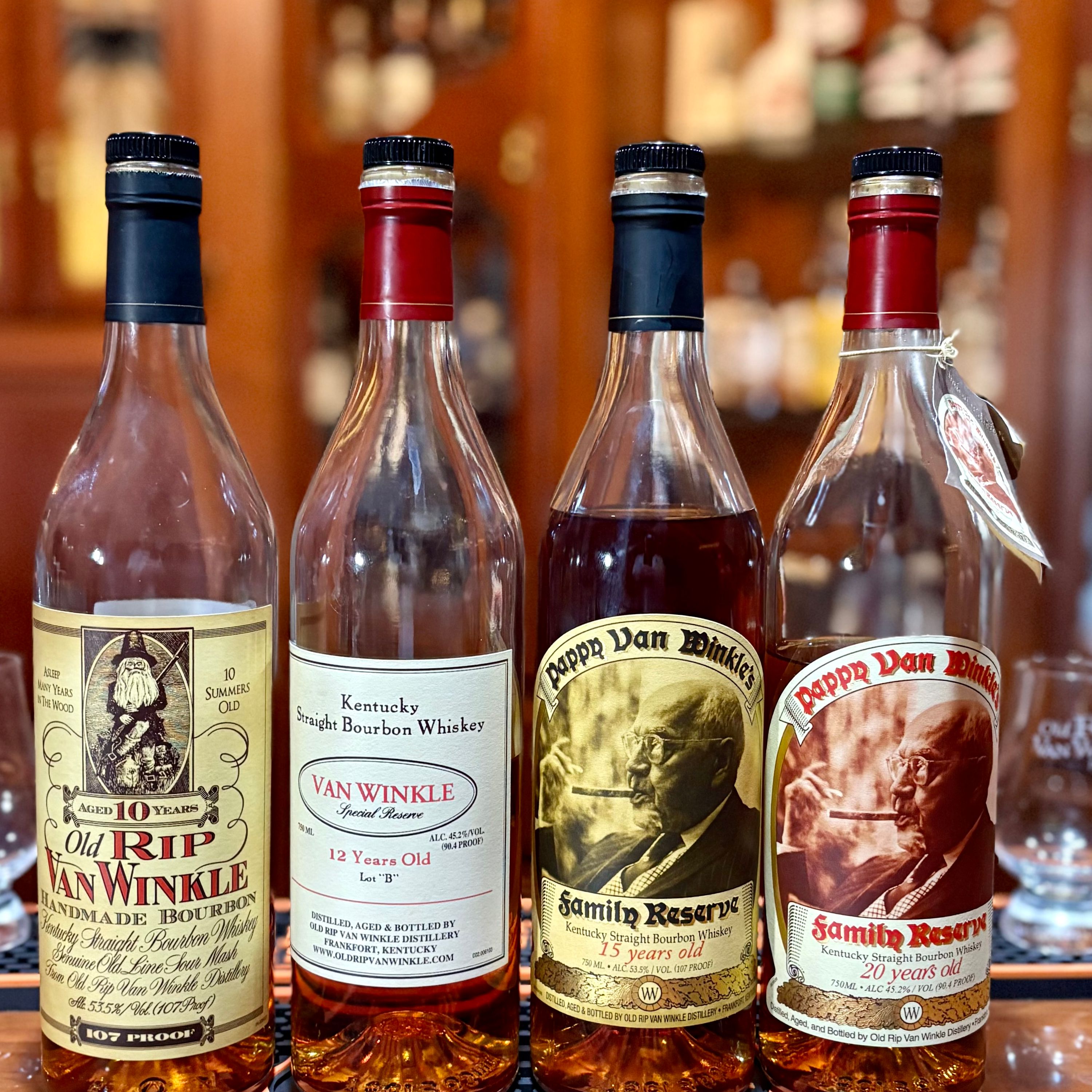
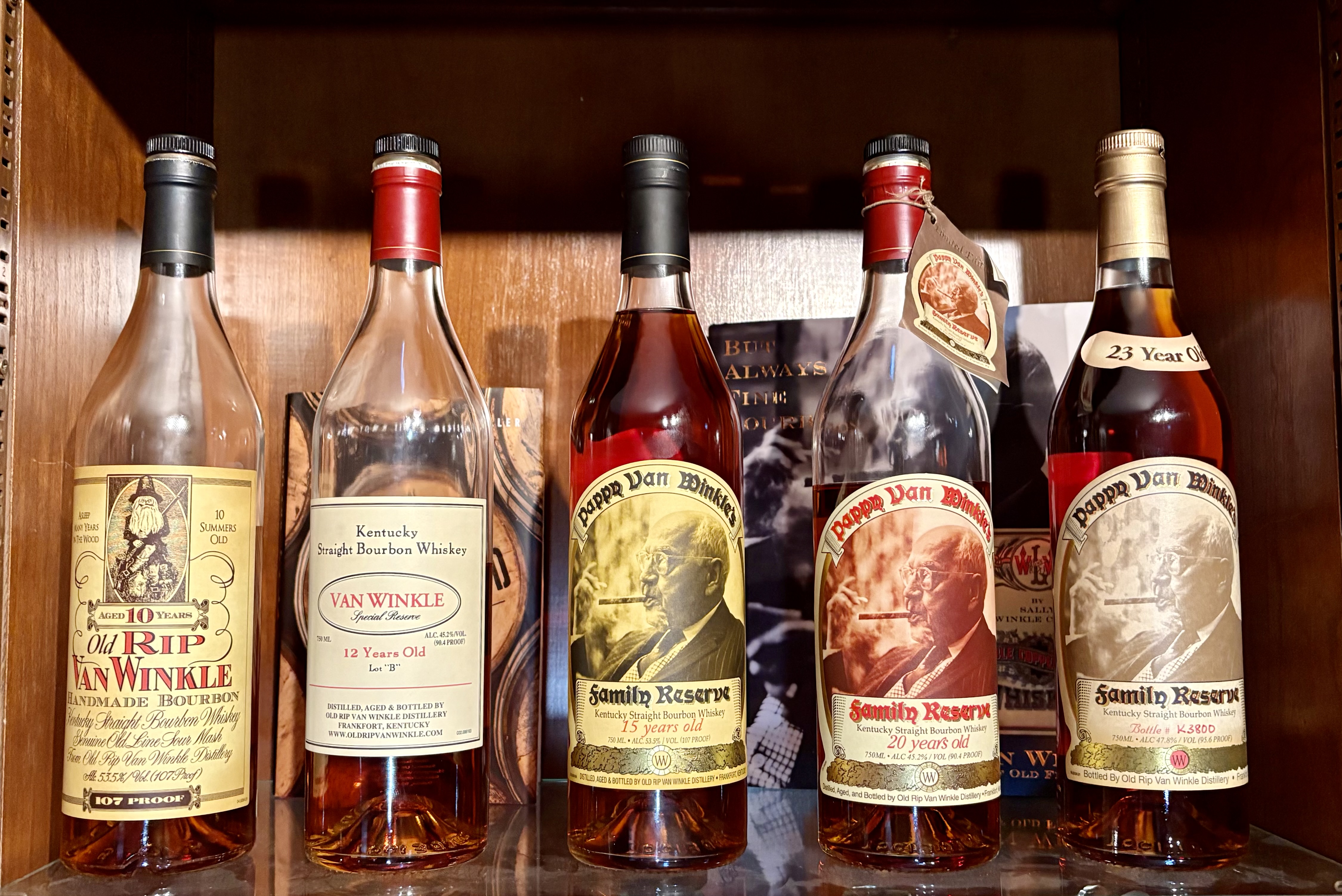
In our episode, we had the distinct pleasure of comparing the Pappy 15 with other members of the Van Winkle family, specifically the 12-year "Lot B" and the 20-year. This comparative tasting is invaluable for understanding where each expression fits and what makes them unique. The 12-year, often lauded for its incredible smoothness and drinkability, presents a slightly brighter profile. It might have more pronounced caramel and vanilla notes, with a gentler oak presence. Many, as heard in our podcast, found the 12-year to be their personal favorite for its immediate accessibility and delightful balance. Then there's the Pappy 15, our main focus. It bridges the gap, offering more depth and complexity than the 12-year, with a more developed oak character and richer fruit notes. It's where the age really starts to showcase its transformative power. Finally, the 20-year is a beast of a different nature. With two decades in the barrel, the oak influence becomes more pronounced. While some find this to be its crowning glory, offering unparalleled depth and a sophisticated tannic structure, others might find it slightly too oak-forward, with the sweetness taking a backseat. In the episode, there was a notable sentiment that the 20-year, while exceptional, might be a bit more polarizing due to its intense oak presence, with some listeners preferring the slightly more nuanced and less assertive oak of the 15-year. The 15-year, for many, hits a sweet spot, offering a robust and mature flavor profile without the sometimes overwhelming oak that can come with extreme age.
The Subtle Dance of Age and Flavor
The progression from the 12-year to the 20-year highlights the fascinating way oak interacts with bourbon over time. The barrel acts as a filter, a flavor enhancer, and a softener. As the bourbon ages, it extracts more compounds from the wood – tannins, vanillins, and other flavor precursors. The 12-year still has the vibrant spirit, with the oak playing a supportive role. By the time it reaches 15 years, the oak has begun to integrate more deeply, lending complexity and a pleasing dryness. At 20 years, the oak is a dominant force, contributing a profound depth of flavor, but also potentially masking some of the subtler notes. This is why personal preference plays such a significant role. Some palates crave the bold, mature character of extended aging, while others prefer the more vibrant and less oak-dominated profiles.
What Makes Pappy 15 So Special? (Proof, Age, and Hype)
Several factors contribute to the "specialness" of Pappy Van Winkle 15. Firstly, the age statement. 15 years is a significant commitment for any distillery, and the fact that Buffalo Trace is willing to let these barrels mature for so long speaks volumes about their confidence in the product and their respect for tradition. Secondly, the proof. Pappy 15 typically comes in at 107 proof. This is a substantial proof that allows the full spectrum of flavors to express themselves without being diluted. Higher proof bourbons often have a richer mouthfeel and a more intense flavor delivery. In our tasting, we noted how the proof contributed to the bourbon's body and the way the flavors lingered. And then, there's the hype. It's impossible to discuss Pappy without acknowledging the phenomenon it has become. Limited production, a cult following, and the sheer difficulty in acquiring a bottle all contribute to its legendary status. This scarcity drives demand, and demand, in turn, fuels the legend. The "Pappy chase" has become a rite of passage for many bourbon drinkers, adding an element of thrill and prestige to owning a bottle, regardless of the liquid inside.
The Synergy of Proof and Palate
The 107 proof of Pappy 15 is more than just a number; it's a critical component of its character. At this proof, the bourbon retains a significant amount of its inherent spirit while also showcasing the maturity gained from 15 years in oak. This balance allows for a robust flavor profile that is both intense and nuanced. Lower proof bourbons, while often smoother and more immediately drinkable, can sometimes feel a bit watered down, lacking the full impact of the aged spirit. Conversely, excessively high proof bourbons can be challenging to approach, with the alcohol burn dominating the finer flavors. The 107 proof strikes a remarkable balance, delivering a powerful yet refined experience. It’s a testament to the distiller’s art in selecting barrels that have reached their peak maturity at this specific proof and age.
Does Pappy 15 Live Up to the 'King of Bourbons' Title?
This is the million-dollar question, isn't it? And as is often the case with subjective experiences like tasting, the answer is complicated. Does Pappy Van Winkle 15 possess the qualities of a "King of Bourbons"? Absolutely. Its complexity, its age, its beautiful balance, and its iconic status all contribute to a strong case. The way it has been aged, the wheated mash bill, and the proof all come together to create a truly exceptional bourbon. However, "King" implies a singular ruler, and the bourbon world is far too diverse and personal for such a definitive title. We heard in the episode that preferences varied, with some leaning towards the 12-year for its drinkability, and others appreciating the bold oak of the 20-year. While Pappy 15 is undoubtedly a contender for the throne, it might not be everyone's reigning monarch. It depends on what you prioritize in a bourbon: extreme age, nuanced fruit, a gentle oak influence, or sheer drinkability.
Beyond the Hype: Personal Preferences and Palates
It’s crucial to remember that taste is deeply personal. What one person finds to be the pinnacle of bourbon perfection, another might find merely good. Factors like individual palate development, past tasting experiences, and even mood can influence how we perceive a spirit. The hype surrounding Pappy Van Winkle can also create a certain expectation. If you've heard for years that it's the best bourbon in the world, you might be predisposed to find it that way. Conversely, if the price or the difficulty in obtaining it creates a feeling of resentment, it can cloud your judgment. In our podcast, we celebrated the diversity of opinions. It's healthy and, frankly, more interesting to acknowledge that not everyone will agree. The "best" bourbon is ultimately the one that brings *you* the most enjoyment. Pappy 15 is undeniably a phenomenal bourbon that delivers a sophisticated and memorable tasting experience, but its "kingly" status is ultimately decided by each individual drinker.
The Subjectivity of Flavor Perception
Our taste buds are not uniform. Genetic predispositions, learned preferences, and even environmental factors can shape our perception of flavors. The subtle notes of cherry in Pappy 15 might be intensely pronounced for one person, while another might pick up more on the caramel or the oak. This is why detailed tasting notes, like those we discussed in the episode and have elaborated on here, are helpful guides rather than definitive pronouncements. They provide a framework for understanding what to look for, but the ultimate interpretation is yours. Furthermore, the context of a tasting – who you're with, the food you're eating, the lighting – can all subtly influence your experience. This inherent subjectivity is what makes exploring the world of bourbon so endlessly fascinating and personal.
The Quest for Pappy: Availability and the Thrill of the Chase
Let's be honest, the difficulty in acquiring Pappy Van Winkle, especially the 15-year, is a significant part of its allure. The limited production runs mean that bottles are scarce, and obtaining them often involves lotteries, waiting in line, or sheer luck. This scarcity creates a thrilling "quest" for many bourbon enthusiasts. The pursuit itself can be an adventure, fostering camaraderie among fellow hunters and creating memorable stories. However, it's also worth noting that the extreme difficulty and the inflated secondary market prices can be a barrier for many. While the thrill of the chase is undeniable, it's important to remember the ultimate goal: to enjoy the bourbon itself. The experience of finally uncorking a bottle of Pappy 15, after a long and arduous journey, is certainly amplified by the effort involved. It adds a layer of anticipation and reward that few other spirits can match.
The Economics of Scarcity
The economics of Pappy Van Winkle are a fascinating study in supply and demand. The distillery intentionally produces these bourbons in limited quantities, with a significant portion of the allocated barrels being designated for the Van Winkle line. This ensures a slow and deliberate aging process, but it also creates a bottleneck in supply. When combined with an ever-growing global demand from a passionate fanbase, the result is a dramatic imbalance. This imbalance drives up prices, not just at retail, but especially on the secondary market where bottles can fetch astronomical sums. While this scarcity contributes to the mystique, it also raises questions about accessibility and whether the "hype" has, at times, overshadowed the intrinsic value of the bourbon itself. It’s a complex interplay of production, demand, and marketing that has created a truly unique situation in the spirits industry.
Conclusion: Final Thoughts and Future Bourbon Adventures
So, is Pappy Van Winkle 15 the undisputed "King of Bourbons"? Based on our discussion and the collective wisdom shared in our episode, "Pappy 15 the best Van Winkle? Ep. 21", it’s clear that Pappy 15 is an extraordinary bourbon, a true titan in the category, and a strong contender for that regal title. Its complex flavor profile, sophisticated aging, and impressive proof all contribute to a remarkable drinking experience. However, the realm of bourbon is vast and varied, with countless other expressions vying for your palate's affection. As we concluded in the episode, personal preference reigns supreme. The beauty of bourbon lies in its diversity, in the endless possibilities for discovery. We encourage you to seek out Pappy 15 if you have the opportunity, not just for the legend, but for the sheer quality of the spirit. But don't let the pursuit of the "king" prevent you from exploring the entire kingdom. There are countless other bourbons waiting to be discovered, each with its own story, its own character, and its own unique place in your personal bourbon journey. We're already looking forward to our next tasting adventure, so stay tuned for more spirited discussions and delightful drams. Until then, happy sipping!
Pilot / Dad / Trumpeter / Contract Negotiator / Martial Artist
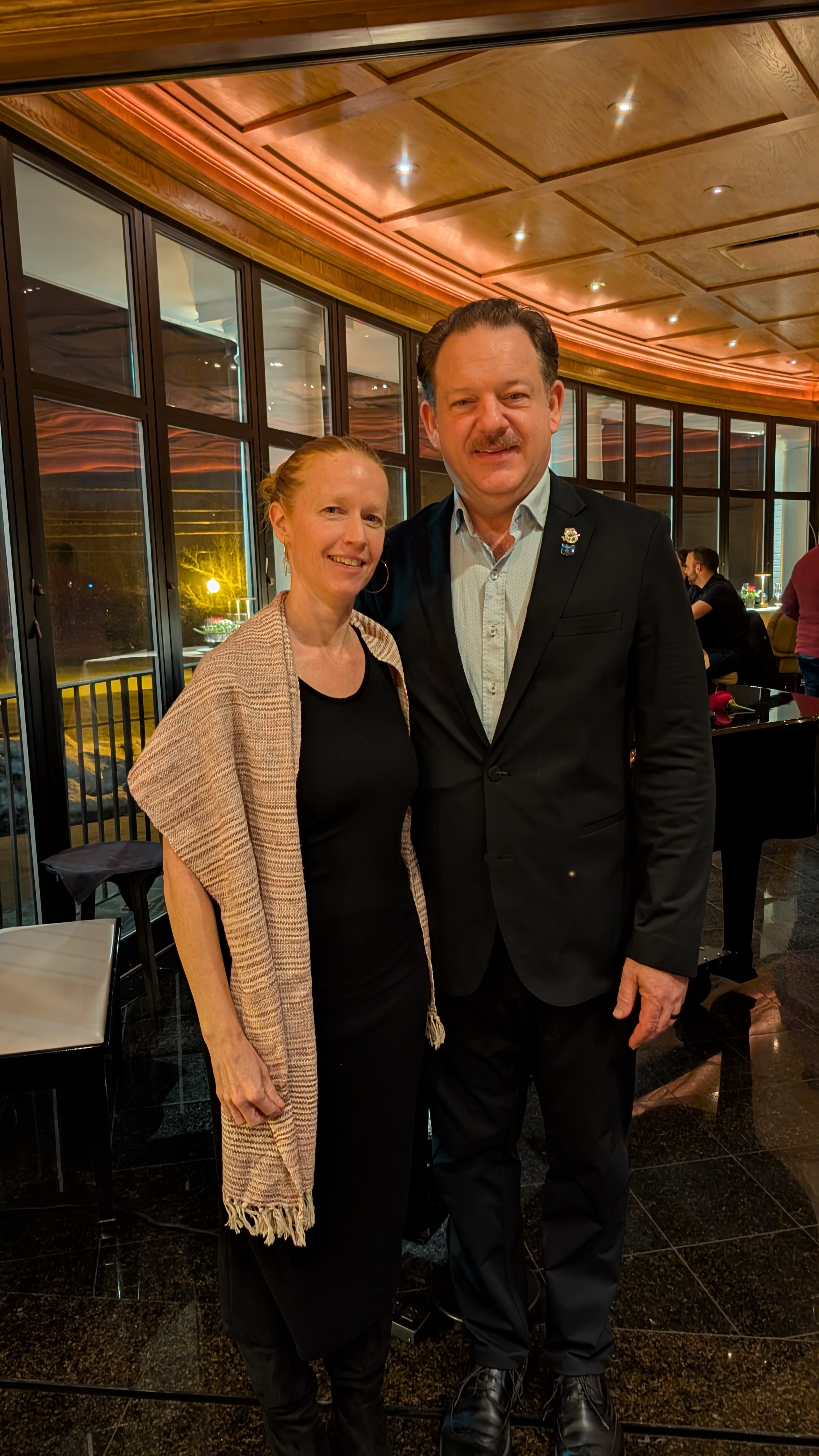
In his 26th year as an airline pilot, Dan resides in Youngstown, Ohio with his high school sweetheart Stephanie. Combined they have 5 kids (teenagers...). They enjoy travel as a family, and as a couple. Dan has had a bourbon affinity since smelling his Grandfather's JW Dant and Grapefruit soda as a kid. Dan started collecting bourbon in 2015. He has been actively involved in Martial Arts since he was a kid and has Black Belts in two different styles. Dan still plays trumpet. Originally he went to college for music at Ohio University, but after his sophomore year decided he would much rather spend 3 hours in an airplane instead of a practice room. He still helps teach high school band camps, and has assisted with 5th and 6th grade Trumpet, Low Brass, and Percussion. Dan has been a Pilot Union Representative, Contract Negotiator, Merger Specialist, and Contract Compliance Administrator for over 20 years. Dan received the President's Lifetime Achievement Volunteer Service Award in 2024.
Diving Deep into Bomberger's 2025 Release: What to Expect