National Bourbon Week Spotlight: Why Maker's Mark is a Modern Classic
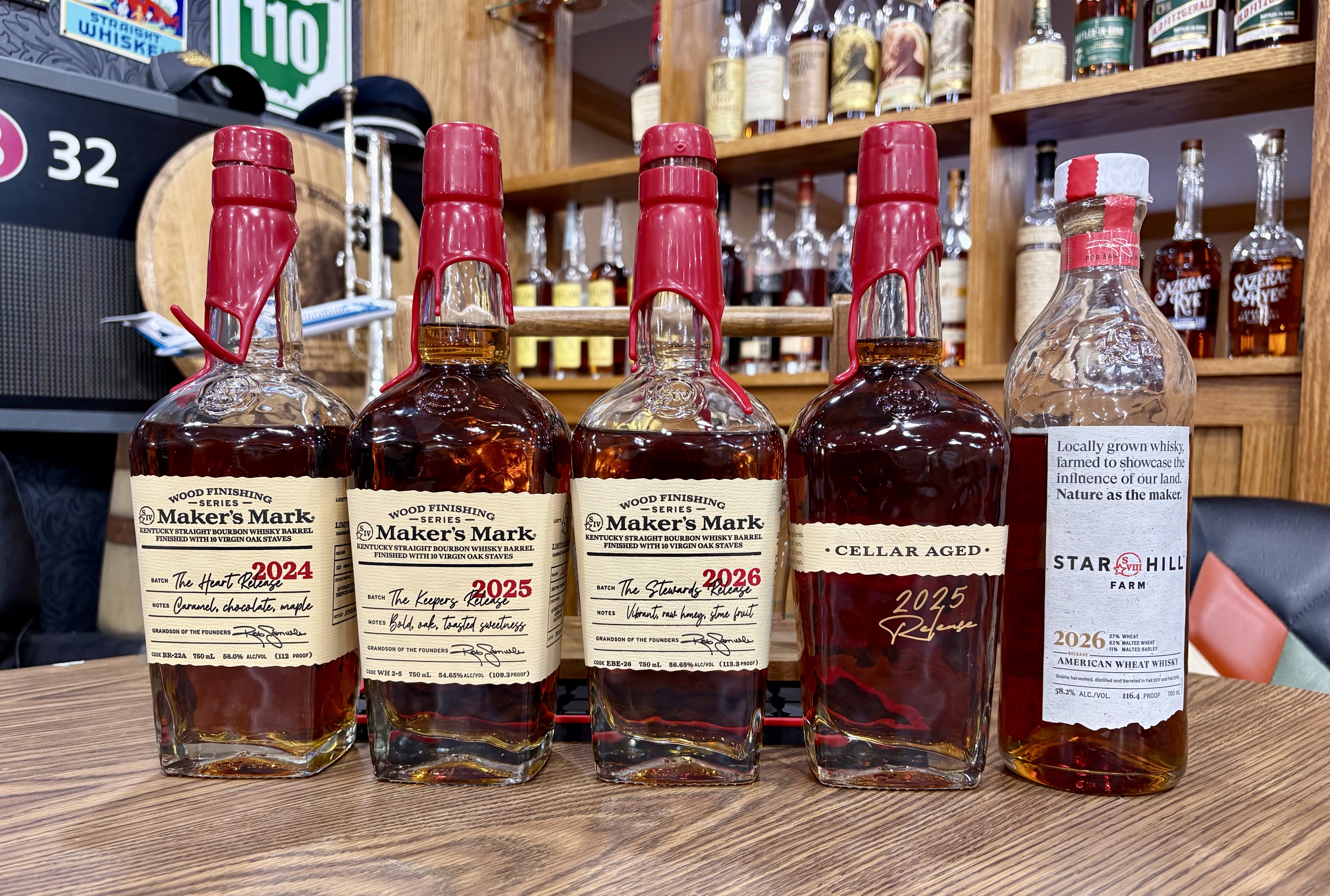
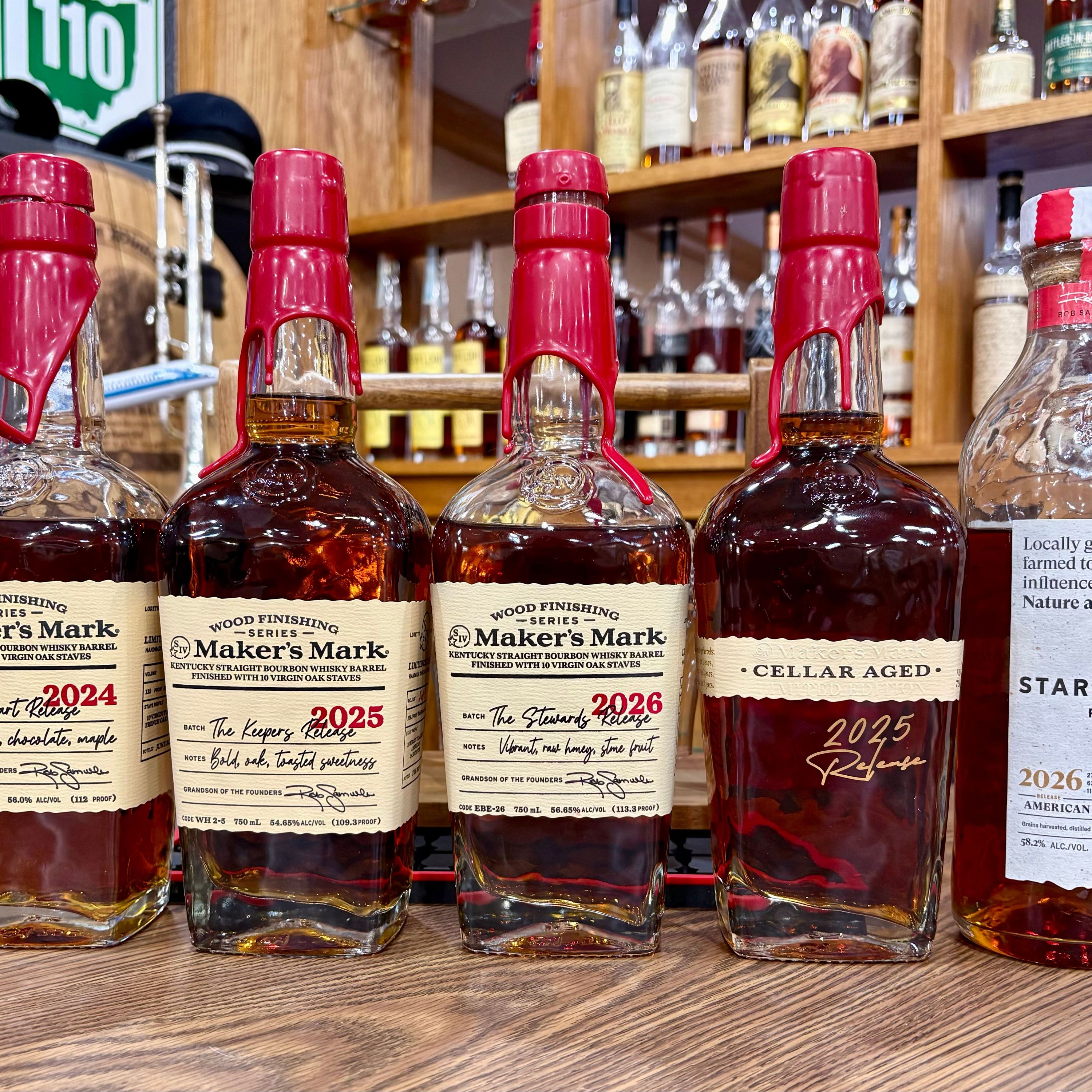
Happy National Bourbon Week, everyone! We're thrilled to dive deep into the world of bourbon this week, and what better way to celebrate than by shining a spotlight on a brand that consistently delivers exceptional quality, embodies tradition, and embraces innovation? In this blog post, we're exploring why Maker's Mark has earned its place as a true modern classic in the bourbon landscape. This discussion naturally flows from our latest episode, "Maker's Mark Wood Finishing/Cellar-Aged and NEW 2026 Star Hill Farm Deep Dive; Ep. 61," where we dissected several of their exciting releases. So, grab your favorite glass, pour yourself a dram, and let's get started!
A Nod to Tradition and Innovation: The Maker's Mark Philosophy
At its core, the Maker's Mark philosophy is a beautifully balanced act between honoring its heritage and daring to push the boundaries of what bourbon can be. Founded by Bill Samuels Sr. and his wife, Margie, with a simple goal: to make a bourbon that "people would like, not just tolerate," the brand has remained remarkably true to that vision. This commitment is evident in every aspect of their operation, from the iconic red wax seal that signifies quality to their unwavering focus on a wheated bourbon mash bill. Unlike many bourbons that rely heavily on rye for spice, Maker's Mark uses wheat as its secondary grain, resulting in a softer, sweeter, and smoother profile. This wasn't just a stylistic choice; it was a deliberate departure from the norm, a willingness to forge their own path. Yet, this traditional approach doesn't mean they're stuck in the past. Maker's Mark has consistently demonstrated an appetite for innovation, particularly through its highly sought-after Wood Finishing Series, which allows them to explore different flavor dimensions without altering the fundamental character of their beloved bourbon. This duality – deep respect for tradition coupled with a forward-thinking mindset – is what truly sets Maker's Mark apart and solidifies its status as a modern classic.
Diving Deep: The Maker's Mark Wood Finishing Series (French Oak, American Oak)
Perhaps the most compelling example of Maker's Mark's innovative spirit is its Wood Finishing Series. This series, which we delved into extensively in Episode 61, allows the distillery to experiment with different types of wood staves, each imparting unique characteristics to the base bourbon. The core idea is simple yet ingenious: take their classic Maker's Mark, with its established wheated bourbon profile, and introduce a secondary aging process with specially toasted wood staves. The results are remarkable, showcasing the versatility of their spirit and the profound impact of wood on flavor. The most prominent examples within this series include releases featuring French Oak and American Oak staves. The French Oak staves, often described as having a more complex and nuanced influence, tend to impart notes of caramel, vanilla, and even some subtle fruitiness. They offer a refined sweetness and a silky texture that elevates the bourbon. On the other hand, the American Oak staves can bring a bolder, more robust profile, often accentuating notes of spice, chocolate, and toasted nuts. The beauty of this series lies in the distinctiveness of each release; they are not simply variations on a theme but rather entirely new tasting experiences. This commitment to exploring these nuanced differences through controlled wood finishing is a testament to their dedication to understanding and refining their craft, offering enthusiasts a chance to explore the vast spectrum of bourbon flavor.
From the Farm to the Bottle: Exploring Star Hill Farm Bourbon
The journey of Maker's Mark doesn't begin in a barrel; it begins in the soil. Star Hill Farm, the physical location of the Maker's Mark distillery, is more than just a picturesque backdrop; it's an integral part of their story and their commitment to quality. In Episode 61, we touched upon the significance of Star Hill Farm and its connection to the brand's identity. This is where their signature wheat is grown, and there's a deep sense of pride in sourcing ingredients locally and understanding the terroir that influences their bourbon. The concept of farm-to-bottle is not just a buzzword for Maker's Mark; it's a deeply ingrained practice. They have a vested interest in the sustainability and health of their agricultural partners and the land itself. This holistic approach, from cultivating the grains to the final bottling, ensures a level of control and dedication that is hard to match. The recent focus on releases tied to Star Hill Farm, including the exciting anticipation of future expressions, highlights their desire to connect consumers directly to the agricultural roots of their bourbon. It's a story of heritage, stewardship, and the enduring connection between the land and the liquid in our glasses.
The Art and Science of Bourbon: Blending and Aging Explained
Whiskey, and bourbon in particular, is a fascinating interplay of science and art, and Maker's Mark exemplifies this beautifully. The process of blending and aging is where the magic truly happens, transforming simple fermented grains into a complex and nuanced spirit. In our discussion on Episode 61, we touched upon the critical roles these two stages play. Aging in charred oak barrels is fundamental to bourbon production. The char layer acts as a filter, removing undesirable compounds, while the wood itself imparts color, flavor, and aroma. As the bourbon ages, it interacts with the wood through cycles of expansion and contraction caused by temperature fluctuations. This allows compounds from the wood to leach into the spirit, contributing notes of vanilla, caramel, spice, and tannins. Blending, on the other hand, is where the distiller's palate and vision come into play. Master distillers often taste barrels from different parts of the rickhouse, recognizing that each barrel develops unique characteristics based on its location and aging time. They then strategically blend these barrels to achieve a consistent flavor profile for their flagship product or to create specific tasting notes for limited releases. Maker's Mark, with its commitment to consistency in its core product while simultaneously experimenting with its finishing series, showcases a mastery of both these disciplines. They understand the scientific reactions occurring in the barrel and the artistic endeavor of crafting a balanced and appealing final product.
A Taste of Time: Comparing the 2024, 2025, and 2026 Releases
One of the most exciting aspects of the Maker's Mark Wood Finishing Series is the anticipation and comparison of its annual releases. In Episode 61, we had the opportunity to discuss and speculate on the upcoming 2024, 2025, and 2026 releases, each promising a unique exploration of flavor. These releases are typically characterized by the use of different wood stave profiles, often revealing how subtle changes in the finishing process can lead to significant variations in the final taste. For instance, the 2024 release might have focused on a particular toasting method of American Oak, yielding notes of dark chocolate and toasted almond. The 2025 release, in contrast, could delve into a specific type of French Oak, perhaps one known for its higher extractives, leading to a richer, more viscous mouthfeel with notes of dried fruit and a hint of spice. The 2026 release, which we particularly highlighted, with its connection to Star Hill Farm, hints at a deepening integration of their agricultural heritage into the innovation. The anticipation surrounding these yearly unveilings speaks to the brand's ability to continuously engage its audience and demonstrate the dynamic nature of bourbon maturation and finishing. Each release is a snapshot of their ongoing experimentation, allowing enthusiasts to track their journey and appreciate the evolving artistry of the distillery.
Beyond the Cask: The Cellar-Aged Release
While the Wood Finishing Series focuses on staves, Maker's Mark has also explored other innovative aging techniques, most notably with its Cellar-Aged Release. This concept, which we touched upon in Episode 61, represents a significant departure from traditional maturation. Instead of relying solely on the impact of new oak and secondary staves, the Cellar-Aged Release involves a prolonged period of aging in cooler, more stable cellar environments. This slower, more controlled maturation process is believed to lead to a more mellow and integrated flavor profile, allowing the bourbon's inherent characteristics to shine through without the dominant influence of fresh oak. The result is often a bourbon with a silky smooth texture, subtle complexity, and a remarkably long, consistent finish. This particular release showcases Maker's Mark's willingness to think outside the traditional aging paradigms. It’s not just about adding flavor; it’s about understanding how time and controlled environments can shape and refine the spirit. The Cellar-Aged Release is a testament to their dedication to exploring every facet of the aging process and offering a truly unique tasting experience that stands apart from their more widely available offerings.
Our Palates' Preferences: Tasting Notes and Personal Reflections
No bourbon discussion is complete without diving into the subjective world of tasting notes and personal reflections. In Episode 61, the Bourbon Brass & Beyond crew shared their individual experiences and preferences regarding the Maker's Mark releases. It's fascinating to hear how different palates perceive the same spirit. One might pick up on a distinct note of caramel and butterscotch, while another might detect hints of dried cherry or even a subtle floral undertone. The complexity of bourbon allows for such diverse interpretations. Personally, I've always appreciated Maker's Mark for its approachability and consistent quality. The flagship expression is a reliable go-to, offering a pleasant sweetness and a smooth finish that makes it incredibly versatile. When it comes to the Wood Finishing Series, each release offers a unique journey. I particularly enjoyed a French Oak expression for its rich, almost syrupy texture and notes of dark fruit. The American Oak releases have often surprised me with their bolder spice and cocoa-like characteristics. The Cellar-Aged Release, in my experience, is a masterclass in subtlety and refinement, offering a gentle complexity that unfolds beautifully with each sip. It’s these personal connections and varied perceptions that make the world of bourbon so engaging. Sharing these notes and reflections, as we did on the podcast, enriches the appreciation for the craftsmanship involved.
What's Next? Industry Insights and the Future of Maker's Mark
The bourbon industry is in a constant state of evolution, and Maker's Mark is certainly at the forefront of many of these developments. Looking ahead, the future of Maker's Mark appears bright, fueled by their continued commitment to quality, their embrace of innovation, and their strong connection to their heritage. We discussed in Episode 61 some potential industry trends and how Maker's Mark might navigate them. We can anticipate further exploration within the Wood Finishing Series, perhaps with entirely new stave profiles or combinations. The success of the Star Hill Farm initiative suggests a growing emphasis on transparency and the story behind the grain. Furthermore, as consumer demand for higher-proof and more complex bourbons continues to rise, Maker's Mark may continue to experiment with barrel strength offerings or different aging techniques that push their flavor profiles. Their ability to maintain a core product that appeals to a broad audience while simultaneously creating exciting, limited releases for the enthusiast market is a testament to their strategic vision and their deep understanding of the bourbon consumer. It’s exciting to imagine what new expressions and innovations they will bring to us in the coming years.
Cheers to Maker's Mark: Final Thoughts and Takeaways
As we wrap up this exploration of Maker's Mark, it's clear why this brand stands as a modern classic. It’s a testament to the power of unwavering dedication to quality, a deep respect for tradition, and a fearless pursuit of innovation. From the farm-to-bottle ethos that grounds their operations to the ingenious Wood Finishing Series that pushes flavor boundaries, Maker's Mark consistently delivers an exceptional bourbon experience. Their ability to balance approachability with complexity, tradition with modernity, makes them a standout in an increasingly crowded market. For anyone celebrating National Bourbon Week, or simply looking for a bourbon that offers both comfort and intrigue, Maker's Mark is an excellent choice. We hope this blog post has provided a deeper appreciation for the craftsmanship and passion that goes into every bottle. For an even more in-depth dive into the nuances of their Wood Finishing Series, the Star Hill Farm releases, and our personal tasting experiences, be sure to listen to our latest episode: "Maker's Mark Wood Finishing/Cellar-Aged and NEW 2026 Star Hill Farm Deep Dive; Ep. 61." Cheers to Maker's Mark, and cheers to National Bourbon Week!

Pilot / Dad / Trumpeter / Contract Negotiator / Martial Artist
In his 26th year as an airline pilot, Dan resides in Youngstown, Ohio with his high school sweetheart Stephanie. Combined they have 5 kids (teenagers...). They enjoy travel as a family, and as a couple. Dan has had a bourbon affinity since smelling his Grandfather's JW Dant and Grapefruit soda as a kid. Dan started collecting bourbon in 2015. He has been actively involved in Martial Arts since he was a kid and has Black Belts in two different styles. Dan still plays trumpet. Originally he went to college for music at Ohio University, but after his sophomore year decided he would much rather spend 3 hours in an airplane instead of a practice room. He still helps teach high school band camps, and has assisted with 5th and 6th grade Trumpet, Low Brass, and Percussion. Dan has been a Pilot Union Representative, Contract Negotiator, Merger Specialist, and Contract Compliance Administrator for over 20 years. Dan received the President's Lifetime Achievement Volunteer Service Award in 2024.
Penelope Omega 11 Year vs. Maker's Mark 46 Cask Strength: The Ultimate Breakdown