Beyond the Red Wax: A Deep Dive into Maker's Mark Wood Finishing Series and Star Hill Farms
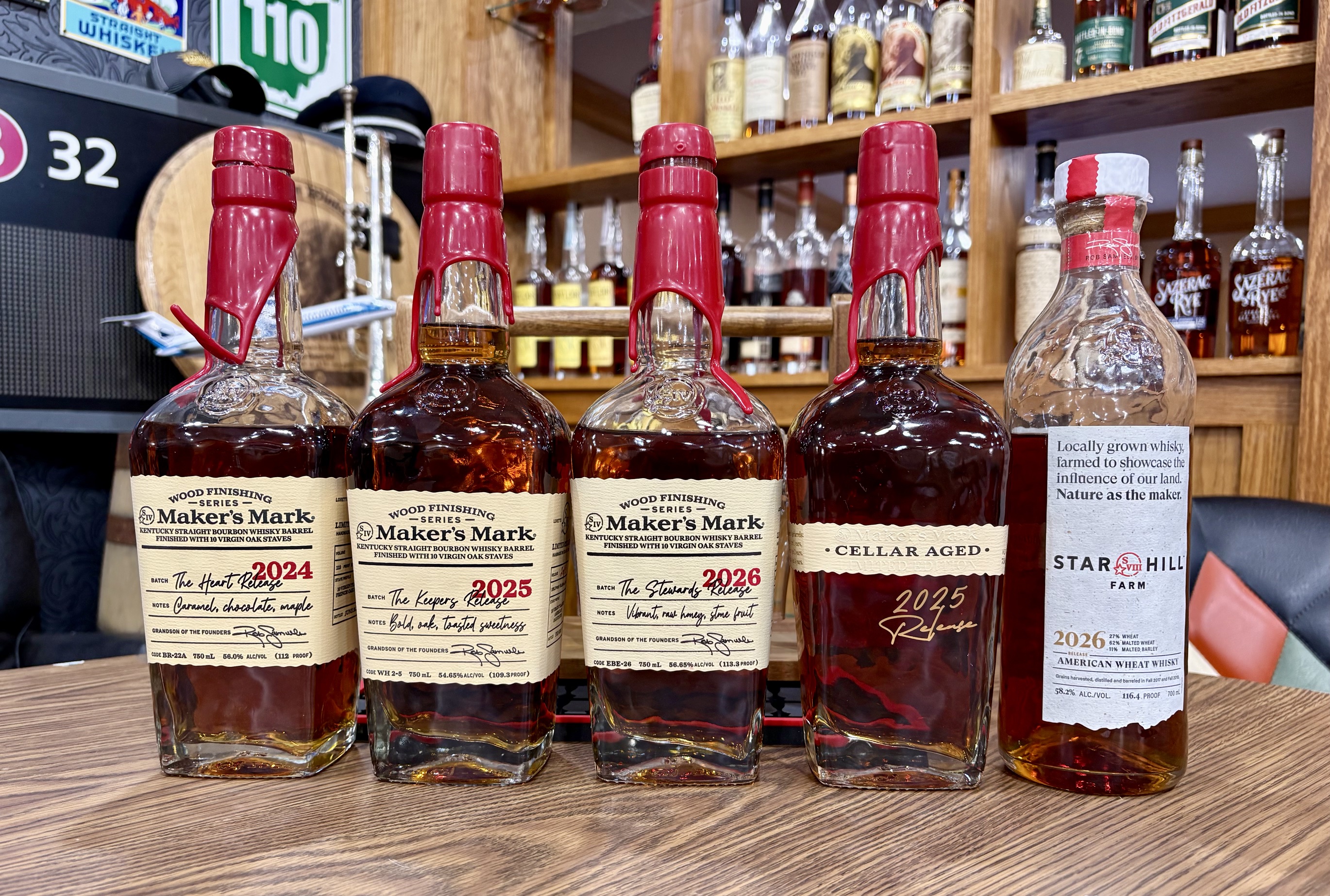
Welcome back to the blog, fellow bourbon enthusiasts! In our latest episode, we ventured deep into the world of Maker's Mark, specifically exploring their innovative Wood Finishing Series and the intriguing Star Hill Farm releases. It was a discussion that truly celebrated the craft and artistry behind this iconic distillery. If you haven't had a chance to listen yet, you can catch up on all the details right here: Maker's Mark Wood Finishing/Cellar-Aged and NEW 2026 Star Hill Farm Deep Dive; Ep. 61. This blog post will expand on the core concepts we touched upon, giving you an even more thorough understanding of what makes these bourbons so special.
The Genesis of the Maker's Mark Wood Finishing Series
Maker's Mark has always been a brand that pushes boundaries while respecting tradition. Their signature red wax seal is instantly recognizable, a symbol of a wheated bourbon that has captured hearts for decades. However, the distillery isn't content to rest on its laurels. The Wood Finishing Series represents a bold leap forward, a deliberate exploration of how secondary aging, specifically with specially crafted wooden staves, can dramatically alter and enhance an already excellent bourbon. This series isn't just about slapping some extra wood into a barrel; it's a meticulously planned endeavor to unlock new dimensions of flavor. It all started with the idea that while the primary aging in a seasoned oak barrel imparts a significant amount of character, there's still untapped potential. By introducing new, specific wood elements into the maturation process, Maker's Mark has discovered a way to sculpt the existing flavors and introduce entirely new ones. This approach is a testament to their commitment to innovation and their deep understanding of wood science and its impact on whiskey. It's a fascinating blend of art and science, allowing them to create limited-edition expressions that offer a unique tasting experience with each release.
Understanding the Stave Impact: French Oak vs. American Oak
At the heart of the Wood Finishing Series lies the selection of the staves themselves. These aren't just random pieces of wood; they are carefully chosen and prepared to impart specific characteristics. We delved into two primary types of oak that have played significant roles: French oak and American oak. Each type brings its own inherent qualities to the bourbon.
American Oak
American oak (Quercus alba) is the workhorse of the bourbon industry, and for good reason. It's known for its robust, often more assertive flavor profile. When used in secondary finishing, American oak staves can contribute notes of vanilla, caramel, toasted nuts, and a certain sweetness that complements the existing bourbon profile. It tends to have a higher concentration of vanillin, the compound responsible for those creamy, sweet notes. The tighter grain of some American oak varietals can also influence the texture and mouthfeel of the whiskey. In the context of Maker's Mark, American oak staves are often employed to amplify the bourbon's inherent sweetness and add layers of complexity that are familiar yet elevated.
French Oak
French oak (Quercus robur and Quercus sessiliflora) is a different beast altogether. It's often characterized by a tighter grain structure and a different chemical composition compared to its American counterpart. French oak is renowned for its ability to impart more subtle, nuanced flavors. Think of notes like baking spices, dark chocolate, leather, and a more sophisticated, often drier, sweetness. The tannins in French oak are also different, contributing to a richer mouthfeel and a more lingering finish. When Maker's Mark uses French oak staves, they are often seeking to introduce a layer of elegance and complexity that is distinct from what American oak can provide. This can lead to a bourbon that feels more refined and offers a broader spectrum of aromatic and taste sensations.
The choice between French and American oak, or even a blend of both, is a critical decision that dictates the direction of each Wood Finishing release. It's not simply about adding "oakiness"; it's about carefully curating the interaction between the bourbon and the specific wood to achieve a desired flavor profile.
Flavor Profile Breakdown: Caramel, Sweetness, and Finish
The beauty of the Wood Finishing Series lies in its ability to manipulate and enhance core bourbon flavors, with caramel, sweetness, and the finish being particularly prominent beneficiaries. Let's break down how these elements are influenced:
Caramel
Caramel notes are often derived from the sugars present in the wood that caramelize during the toasting and aging process. Both American and French oak can contribute caramel notes, but the intensity and character can differ. American oak often brings a more pronounced, buttery caramel, while French oak might offer a darker, more burnt sugar or toffee-like caramel. The additional contact time with these specialized staves allows for a deeper extraction of these compounds, leading to a richer, more integrated caramel presence in the finished product.
Sweetness
Sweetness in bourbon is a multifaceted attribute. It can come from the corn in the mash bill, the caramelization of sugars from the oak, and the extraction of compounds like vanillin. The wood finishing process allows for an intensified interaction with the wood, leading to an amplification of these sweet characteristics. Depending on the type of oak and the duration of the finishing period, the sweetness can range from a bright, honey-like quality to a deep, rich brown sugar or molasses profile. The goal is not to make the bourbon cloying, but rather to add layers of pleasant sweetness that balance the other elements of the spirit.
Finish
The finish is arguably one of the most telling aspects of a bourbon. It's the lingering sensation on the palate after you've swallowed. The Wood Finishing Series often imparts a longer, more complex, and more satisfying finish. The interaction with the specialized staves can introduce new flavor notes that emerge on the finish, such as lingering spices, oak tannins, or even subtle fruit esters that were previously masked. The texture of the finish can also be affected, becoming smoother, richer, or more drying depending on the wood used. A well-executed wood finish can transform a good bourbon into a truly memorable one, leaving a lasting impression that invites another sip.
Deep Dive into the Releases: 2024, 2025, and the Upcoming 2026
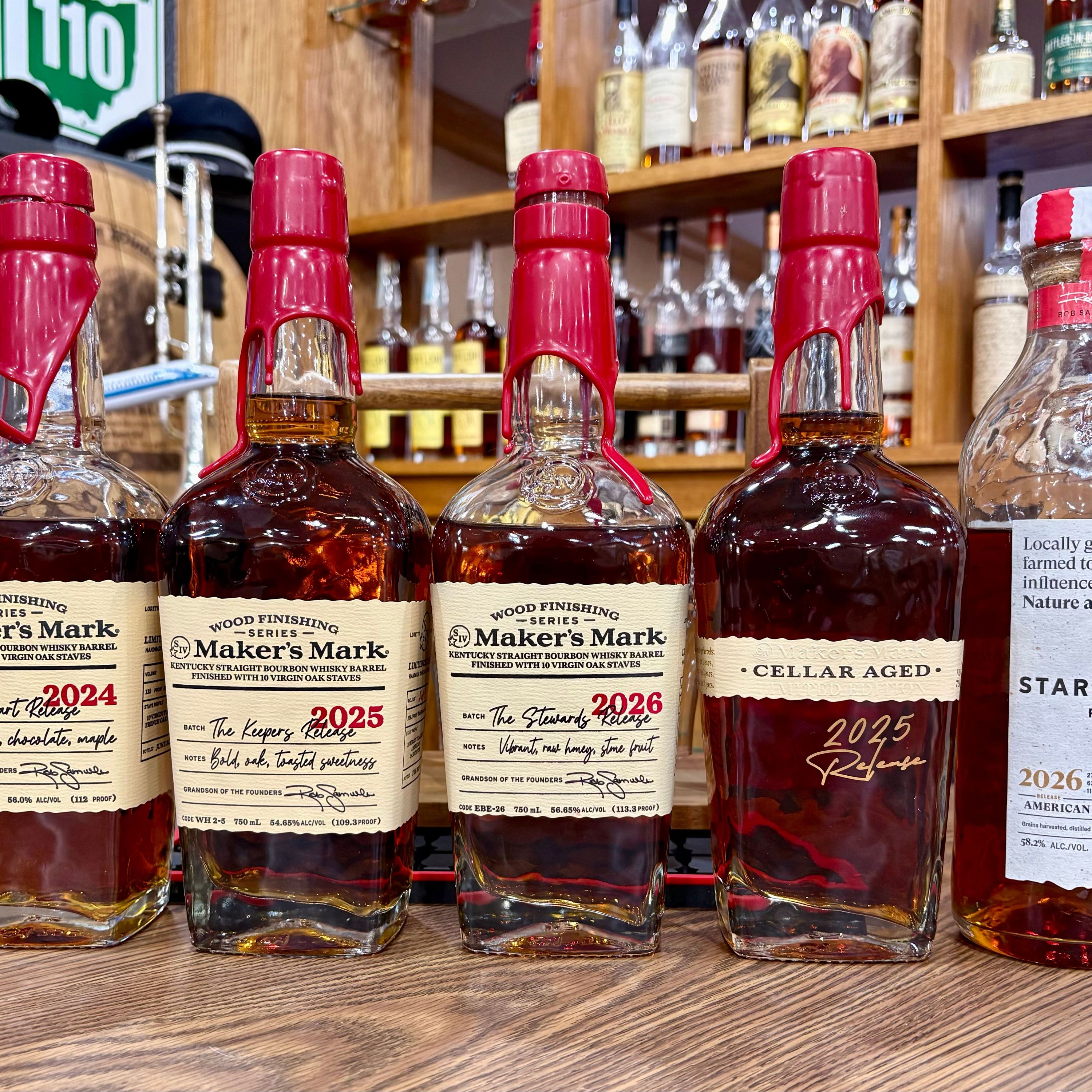
Our discussion in Episode 61 touched upon the specific releases within the Wood Finishing Series, and it's worth reiterating the excitement surrounding these limited editions. Each year brings a new iteration, often featuring different stave combinations and maturation times, offering enthusiasts a chance to track the evolution of Maker's Mark's experimental aging.
2024 Release
The 2024 release continues the tradition of innovative wood finishing, building upon the lessons learned from previous years. While specific details for future releases are often kept under wraps until closer to launch, the anticipation is always high. We can expect a thoughtfully crafted expression that showcases a particular stave profile designed to offer a unique tasting experience.
2025 Release
As we look forward to the 2025 release, the possibilities are endless. Maker's Mark has demonstrated a willingness to experiment with different wood types, toast levels, and finishing durations. This forward-thinking approach ensures that each year's release will offer something distinct, whether it's a subtle shift in flavor or a more dramatic departure from previous iterations.
The Upcoming 2026 Release
The 2026 release is particularly exciting as it ties into the introduction of the Star Hill Farm bourbons. This suggests a potential synergy between the experimental wood finishing and the expression of their own estate-grown grains. We might see a release that not only showcases unique wood treatments but also highlights the terroir of Star Hill Farm, creating a truly distinct Maker's Mark experience. The "new 2026 Star Hill Farm" mentioned in our episode title hints at a significant development for this year, potentially integrating their own farm's character into a wood-finished expression.
The Significance of Star Hill Farm: A Taste of Terroir
The mention of Star Hill Farm in our episode signifies a pivotal moment for Maker's Mark. For so long, they've sourced their grains from various suppliers. The development of Star Hill Farm represents a move towards greater control over their ingredients and an exploration of what we call "terroir" in the world of bourbon. Terroir refers to the environmental factors – soil, climate, topography – that influence the characteristics of agricultural products. In bourbon, this translates to how the specific grains grown in a particular location might impart unique flavor notes to the final spirit.
By cultivating their own corn and other grains at Star Hill Farm, Maker's Mark is embarking on a journey to understand and showcase the impact of their Kentucky soil and climate on their bourbon. This adds another layer of complexity to their offerings, moving beyond just wood finishing to consider the foundational elements of the spirit itself. The 2026 release, being linked to Star Hill Farm, suggests a potential for bourbons that express the unique agricultural fingerprint of their estate, offering a taste of place in every sip. This is a significant step for any distillery aiming for ultimate control and understanding of their product's lineage.
Cellar-Aged Release: A Different Approach to Maturation
In addition to the Wood Finishing Series, we also discussed the Cellar-Aged release. This represents a different philosophy of maturation. Instead of introducing new wood, the focus here is on the extended aging process itself, often in specific cellar environments that can offer unique temperature and humidity fluctuations. This kind of aging can lead to a more mellow, integrated, and often more complex bourbon as the spirit has more time to interact with the wood and breathe within the barrel.
The cellar environment can play a crucial role. Warehouses often have different microclimates depending on their location and construction. Cooler, more stable environments can lead to slower maturation, allowing for more nuanced extraction of flavors and a smoother profile. Warmer, more dynamic environments can accelerate aging, potentially leading to bolder, more intense flavors. The Cellar-Aged release demonstrates Maker's Mark's commitment to exploring various maturation techniques, not just wood modifications, to create distinct and exceptional bourbons. This offers a contrasting yet equally fascinating facet of their experimental approach.
Comparing the Releases: Nuances in Blending and Aging
The joy of tasting through a series like Maker's Mark Wood Finishing is in the subtle, and sometimes not-so-subtle, differences between each release. Our discussion in Episode 61 highlighted how even slight variations in the type of oak staves, their toast level, the number of staves used, and the duration of the finishing period can lead to a cascade of flavor changes. It’s a masterclass in how a few variables can profoundly impact the final product.
We also touched upon the art of blending. While the base Maker's Mark bourbon provides a consistent foundation, the finishing process, combined with any potential blending of different finishing batches, creates the unique profile of each release. This involves careful tasting and evaluation by the distillery's team to ensure balance and harmony. Comparing these releases allows us to appreciate the intentionality behind each decision. Are the caramel notes more pronounced in one? Is the finish longer and spicier in another? Does one offer a creamier mouthfeel? These comparisons are what make the bourbon journey so engaging and educational. It trains your palate to recognize specific flavor drivers and appreciate the nuanced artistry involved in creating such diverse expressions from a single base whiskey.
Personal Preferences and Palate Reflections
As with any tasting experience, personal preferences play a significant role. What one person finds delightfully complex, another might find overwhelming. During our episode, we shared our individual tasting notes and reactions to the various Maker's Mark expressions. It's this diversity of opinion that makes bourbon communities so vibrant. Some may gravitate towards the sweeter, more caramel-forward profiles, while others might prefer the spicier, drier notes that can emerge from certain wood treatments.
Reflecting on our palates, we explored what aspects of each bourbon stood out to us. Was it the initial aroma? The mid-palate texture? The lingering finish? Understanding our own preferences helps us to better appreciate the nuances of the bourbons we taste and to communicate our experiences more effectively. It's a continuous learning process, and the Maker's Mark Wood Finishing Series provides an excellent canvas for such exploration. It encourages us to think critically about what we enjoy and why, fostering a deeper connection with the spirit.
Industry Trends and the Future of Maker's Mark
The success and continued innovation of the Maker's Mark Wood Finishing Series speak to broader trends within the bourbon industry. Distilleries are increasingly looking for ways to differentiate their products and offer unique experiences to consumers. This includes exploring novel aging techniques, experimenting with different mash bills, and focusing on the story and provenance of their whiskey. The rise of single barrel programs, limited editions, and specialty finishes are all testaments to this evolving landscape.
Maker's Mark, with its introduction of the Star Hill Farm concept and its ongoing Wood Finishing Series, is at the forefront of this movement. They are not only responding to consumer interest but actively shaping it. The future likely holds even more adventurous explorations from Maker's Mark, potentially delving into other wood types, different finishing durations, and perhaps even more innovative approaches to grain sourcing and maturation. Their commitment to quality and their willingness to push the envelope ensure that they will remain a pivotal player in the bourbon world for years to come. The combination of tradition, innovation, and a deep understanding of their craft positions them perfectly for continued success and exciting new releases.
Conclusion: The Art and Science Behind Maker's Mark
Our journey through the Maker's Mark Wood Finishing Series and the introduction of Star Hill Farm has been a captivating exploration of the artistry and science that goes into creating exceptional bourbon. From the careful selection of French and American oak staves to the intricate dance of caramel sweetness and the nuanced finish, each release tells a story of deliberate innovation and masterful execution. As we heard in our latest episode, "Maker's Mark Wood Finishing/Cellar-Aged and NEW 2026 Star Hill Farm Deep Dive; Ep. 61," this is a brand that understands the importance of both tradition and progress. The evolution of their offerings, from the classic red wax to the groundbreaking Wood Finishing Series and the terroir-driven Star Hill Farm, showcases a distillery that is not afraid to experiment while staying true to its core identity. Whether you're a seasoned bourbon aficionado or just beginning your journey, exploring these expressions offers a unique opportunity to appreciate the subtle yet profound ways in which wood, time, and a discerning palate can transform a spirit. We encourage you to seek out these releases, taste them with an open mind, and share your own reflections. Until next time, happy sipping!

Pilot / Dad / Trumpeter / Contract Negotiator / Martial Artist
In his 26th year as an airline pilot, Dan resides in Youngstown, Ohio with his high school sweetheart Stephanie. Combined they have 5 kids (teenagers...). They enjoy travel as a family, and as a couple. Dan has had a bourbon affinity since smelling his Grandfather's JW Dant and Grapefruit soda as a kid. Dan started collecting bourbon in 2015. He has been actively involved in Martial Arts since he was a kid and has Black Belts in two different styles. Dan still plays trumpet. Originally he went to college for music at Ohio University, but after his sophomore year decided he would much rather spend 3 hours in an airplane instead of a practice room. He still helps teach high school band camps, and has assisted with 5th and 6th grade Trumpet, Low Brass, and Percussion. Dan has been a Pilot Union Representative, Contract Negotiator, Merger Specialist, and Contract Compliance Administrator for over 20 years. Dan received the President's Lifetime Achievement Volunteer Service Award in 2024.
Penelope Omega 11 Year vs. Maker's Mark 46 Cask Strength: The Ultimate Breakdown