Beyond the Bottle: The Deep Roots of Bourbon in Kentucky
Welcome back to the blog, everyone! In our latest episode of Bourbon, Brass & Beyond, we had the incredible honor of speaking with Wally Dant from Log Still Distillery. We delved deep into the heart of bourbon making, exploring not just the liquid in the glass, but the rich tapestry of history, family, and tradition that makes Kentucky bourbon so utterly unique. This blog post is designed to expand on those conversations, to give you a more in-depth look at the foundational elements that Wally and his family continue to build upon. If you haven't listened yet, I highly encourage you to check out the episode after you finish reading. It’s a journey through heritage, faith, and the enduring spirit of Kentucky.
The Deep Roots: Early History of Bourbon Production in Kentucky
Kentucky. The very name conjures images of rolling bluegrass hills, fast horses, and, of course, bourbon. But how did this particular spirit become so inextricably linked to this specific corner of the United States? The story stretches back centuries, long before the term "bourbon" was even officially recognized. Its roots are intertwined with the very settlement of the region.
The story begins with the early settlers who ventured across the Appalachian Mountains in the late 18th century. These pioneers brought with them the knowledge of distilling, a practice common in their European homelands. Corn, a grain that thrived in the fertile Kentucky soil, quickly became a staple crop. It was abundant, easy to grow, and versatile. And what do you do with surplus corn? You ferment it and distill it, of course. Whiskey was a practical way to preserve grain, make it more portable, and often, more profitable.
The term "bourbon" itself is believed to have emerged in the 19th century. While there are various theories, the most popular attributes the name to Bourbon County, Kentucky, or even the French House of Bourbon, a nod to its potential French origins or trade routes. Regardless of the exact etymology, by the early 1800s, whiskies distilled from corn in Kentucky were gaining a reputation. These early distillers were often farmers, making whiskey in small batches, using whatever local ingredients and methods they had at their disposal. There wasn't a strict set of rules or regulations as we know them today. It was a more organic, craft-based production.
Several key factors contributed to Kentucky becoming the heartland of bourbon. Firstly, the geography played a crucial role. The limestone-rich soil filtered the abundant groundwater, providing exceptionally pure water, a critical ingredient for any spirit. This water is naturally low in iron, which can impart a metallic taste, and high in calcium and magnesium, which are beneficial for yeast health during fermentation. Secondly, the climate of Kentucky, with its distinct four seasons, is ideal for the aging process. The warm summers cause the wooden barrels to expand, pushing the whiskey deeper into the wood and absorbing its flavors. The cold winters cause the barrels to contract, pushing the whiskey back out, a process that refines and mellows the spirit over time. This cyclical nature of expansion and contraction, often referred to as "barrel breathing," is fundamental to developing the complex flavors of bourbon.
Early distilling was often unregulated, and the quality could vary wildly. However, the demand for Kentucky whiskey grew. It was shipped down the Ohio and Mississippi Rivers, reaching markets as far south as New Orleans. The aging process, initially a practical necessity for transport, began to reveal its transformative magic. As whiskies sat in charred oak barrels, they developed richer colors, smoother textures, and a more nuanced flavor profile than their unaged counterparts. This unintentional aging process was the birth of what would become distinctly American whiskey, and eventually, bourbon.
Generational Craftsmanship: Family Legacies and Bourbon Traditions
Bourbon isn't just a drink; it's a legacy. In Kentucky, the production of bourbon is deeply interwoven with family history, with traditions passed down through generations. This is a theme that resonated strongly in our conversation with Wally Dant. The Dant family, as many listeners will know, has a deep and storied connection to the bourbon industry, spanning millenia.
For many families in Kentucky, distilling isn't just a business; it's a way of life, a commitment to a craft that has sustained their communities for centuries. These generational distillers carry a wealth of knowledge, not just in the technical aspects of mashing, fermenting, distilling, and aging, but also in the intangible "feel" for the process. They understand the subtle nuances of different grains, the importance of yeast strains, the impact of climate on maturation, and the art of selecting the perfect barrel at the perfect time.
This generational knowledge is often more art than science. It's about knowing when a mash is ready, when the distillate has the right "cut" (the heart of the run, separating the heads and tails), and how a particular batch of whiskey will evolve in the barrel over years. It’s a wisdom that can’t be easily taught from a textbook; it’s learned through hands-on experience, observation, and a deep respect for the ingredients and the process. This living history is what gives Kentucky bourbon its authenticity and its soul.
Log Still Distillery, under Wally’s leadership, is a testament to this enduring legacy. They are not just creating new bourbons; they are honoring and building upon the foundational work of their ancestors. The commitment to tradition, while embracing innovation, is what allows these family distilleries to thrive. It’s about understanding the past to inform the future, ensuring that the quality and character of their spirits remain true to the heritage they represent. This deep respect for lineage is what elevates a good whiskey to an exceptional one, a true embodiment of Kentucky's spirit.
Beyond the Mash Bill: The Unique Factors of Kentucky Bourbon
While the mash bill – the recipe of grains used to make the whiskey – is a crucial component of any bourbon, it's far from the only factor that contributes to its unique character, especially in Kentucky. Several other elements conspire to create the distinct flavor profiles that bourbon enthusiasts around the world have come to love.
We’ve already touched upon the importance of Kentucky’s natural resources: the pure limestone-filtered water and the distinct climate. These are non-negotiable foundational elements. But beyond that, the very definition of bourbon, as established by U.S. law, plays a significant role. Bourbon must be made in the United States, from a mash bill of at least 51% corn, aged in new, charred oak containers, and distilled to no more than 160 proof. It must be barreled at no more than 125 proof and bottled at no less than 80 proof. Crucially, if it's to be called "Straight Bourbon Whiskey," it must be aged for at least two years.
The requirement for *new*, charred oak containers is particularly significant. Unlike other spirits that might be aged in used barrels, bourbon's maturation is entirely dependent on the interaction with virgin oak. The charring process on the inside of the barrel creates a porous surface that interacts with the new make spirit, leaching out tannins, vanillins, and lactones that contribute to color, sweetness, and complex woody flavors. The type of oak, the toast level, and the char level all have a profound impact on the final product. Kentucky distillers have a deep understanding of these variables, often sourcing oak from specific forests and working with cooperages that have perfected their craft.
Furthermore, the *location* of the aging warehouses, known as rickhouses, within Kentucky can also influence the bourbon. Factors such as temperature fluctuations, humidity levels, and even proximity to other aging warehouses can subtly alter the maturation process. Distillers meticulously monitor these conditions, understanding that the warehouse environment is as critical as the fermentation tank or the still.
The entrepreneurial spirit of Kentucky distillers also contributes. While respecting tradition, they are constantly experimenting with different mash bills, yeast strains, and aging techniques. This blend of time-tested methods and forward-thinking innovation is what keeps the bourbon landscape vibrant and exciting. As we heard from Wally, the interplay of these elements, from the earth to the barrel to the dedicated hands of the distillers, creates a symphony of flavor that is uniquely Kentucky bourbon.
From Monastery to Market: Historical Connections in Bourbon
The connection between monasteries and bourbon production might seem surprising to some, but it's a historical thread that runs deep in Kentucky. In our discussion, this link was particularly poignant as we touched upon themes of faith and craft. Historically, monasteries were often centers of learning and agriculture, and the monks themselves were skilled in various crafts, including brewing and distilling.
One of the most significant historical connections is with the Trappist monks of the Abbey of Gethsemani in Kentucky. For many years, this serene location was not only a place of spiritual devotion but also a source of high-quality agricultural products, including whiskey. While the specifics of their historical distilling operations are complex and have evolved over time, the presence of monastic communities engaged in distilling highlights a tradition that predates modern commercial enterprises.
This historical presence of religious orders in bourbon production speaks to a shared value: dedication to a meticulous, time-honored process. The discipline and patience required for spiritual practice often translate well into the demanding world of distilling. Both require a deep understanding of natural processes, a commitment to quality, and a belief in the long-term rewards of careful work. As we discussed with Wally, there's a spiritual element to crafting something so deeply rooted in tradition and natural bounty.
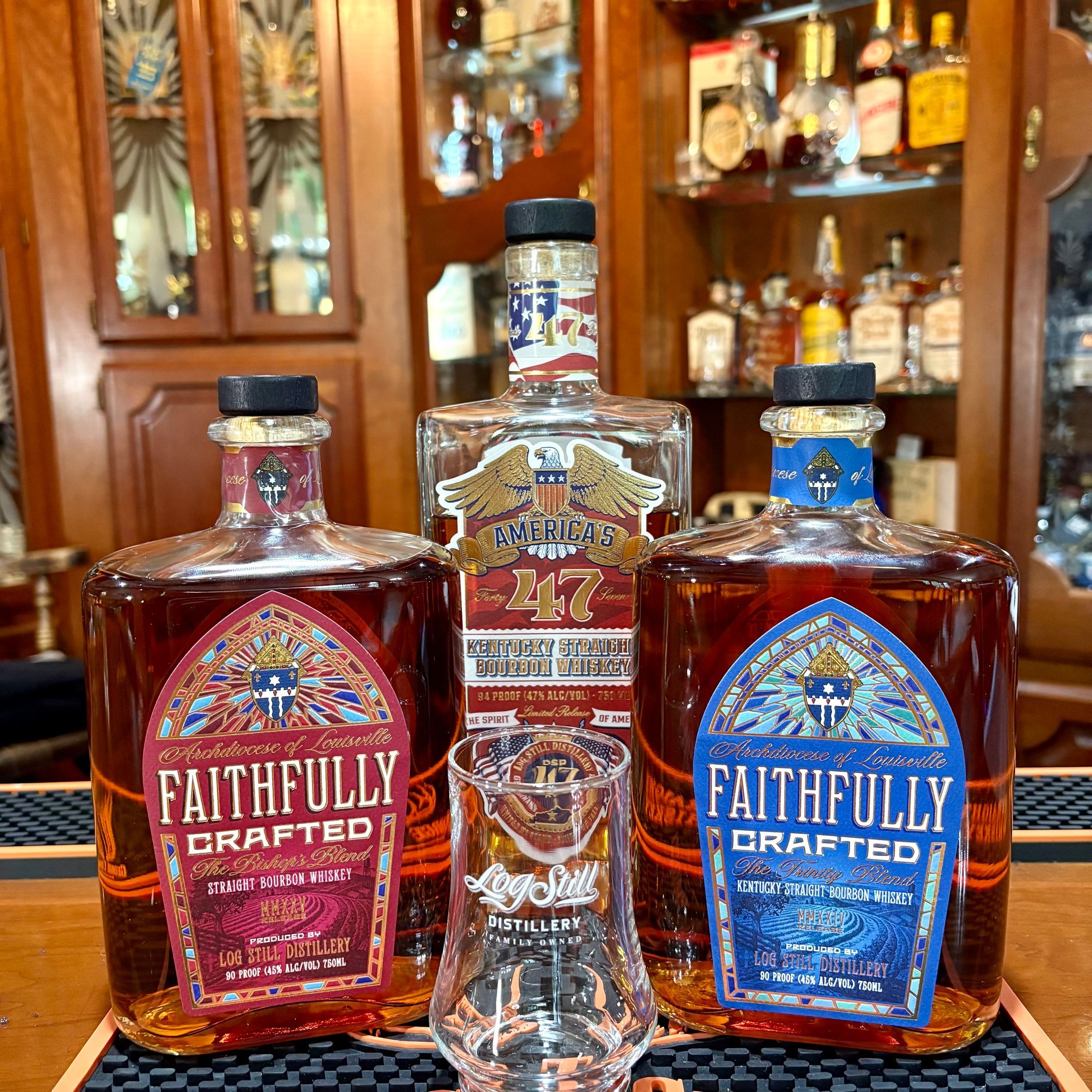
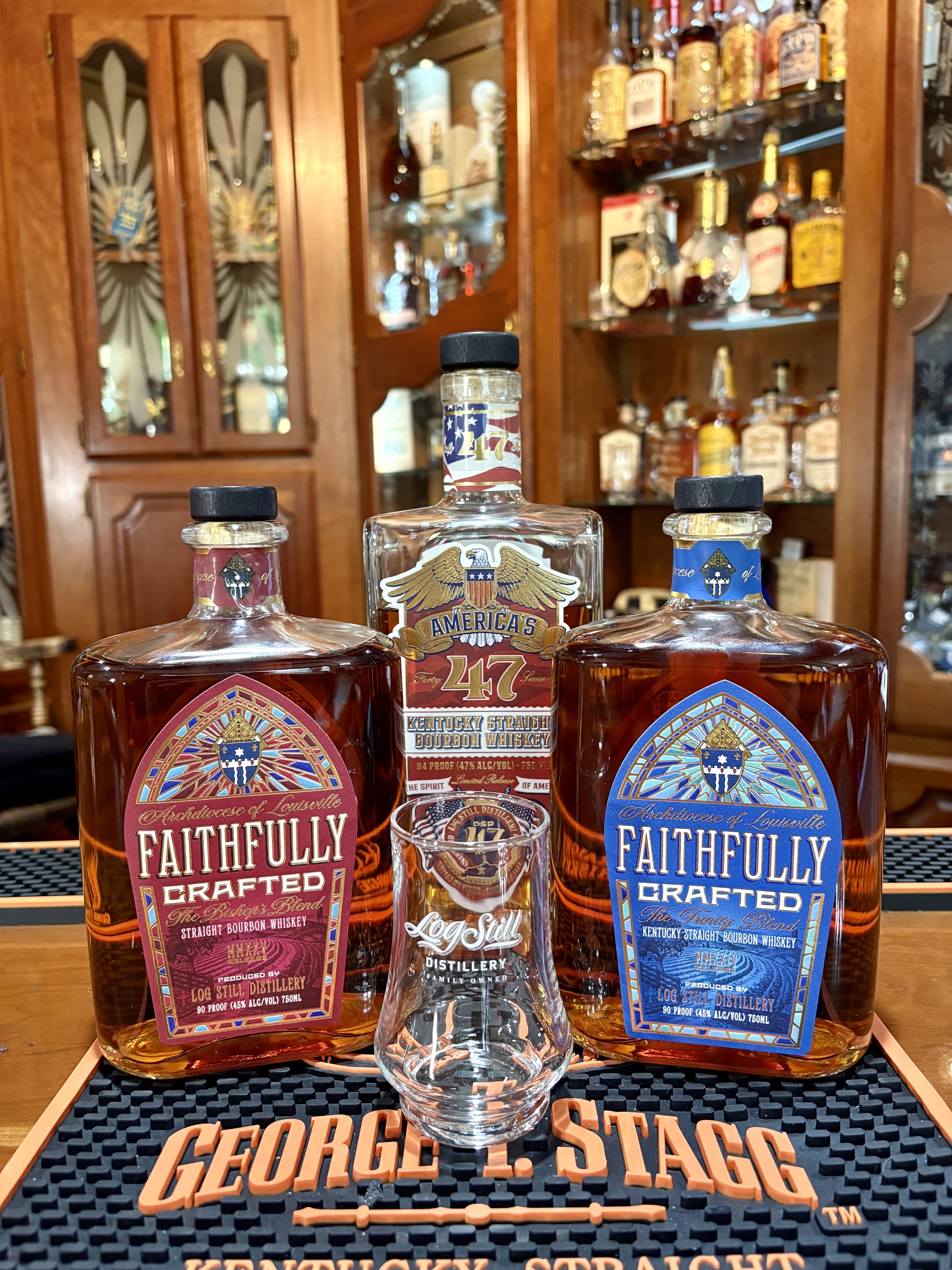
The "Faithfully Crafted" aspect of Log Still Distillery's story and their collaborations, as explored in the episode, directly taps into this heritage. It’s a modern interpretation of an age-old connection, where faith, community, and exceptional craftsmanship converge. This historical lineage provides a unique narrative layer to Kentucky bourbon, reminding us that its origins are not solely commercial but also intertwined with devotion, community, and a profound respect for the land and its bounty.
A Glimpse into Log Still Distillery: Heritage in Every Bottle
Our conversation with Wally Dant provided an intimate look into the philosophy and practice of Log Still Distillery. It’s a distillery that is not only producing exceptional bourbon but is doing so with a deep reverence for its heritage and a clear vision for the future.
Log Still is situated in New Haven, Kentucky, a location steeped in bourbon history. The Dant family’s legacy in the industry is extensive, with roots tracing back to figures like Basil Hayden and James Beam. This rich family history is not just a point of pride; it’s a foundational guiding principle. Wally and his family are actively drawing upon this ancestral knowledge, infusing it into every aspect of their operation.
The distillery itself is a blend of modern innovation and traditional techniques. They employ state-of-the-art equipment while adhering to the time-honored methods that have defined Kentucky bourbon for centuries. This commitment to quality is evident in their various offerings, including the "Trinity Blend" and the "Faithfully Crafted" series, which aim to tell a story through their taste and their production methods. As Wally described, the goal is to create bourbons that offer a complex sensory experience, where one can "taste the earth" and appreciate the nuances of the ingredients and the aging process.
What sets Log Still apart, and what we explored in depth in the episode, is their deliberate integration of heritage and community. They are not just making bourbon; they are cultivating an experience. Their beautiful grounds offer more than just a distillery tour; they provide a sense of place, connecting visitors to the land and the history. This holistic approach, where the physical location, the family legacy, and the spirit itself are all interwoven, is what makes Log Still a compelling addition to the Kentucky bourbon scene.
Listening to Wally speak, it’s clear that for him and his team, every bottle of bourbon is a culmination of generations of hard work, dedication, and a profound connection to Kentucky. It’s a heritage that is not just bottled but lived, and it’s a privilege to witness and taste.
Conclusion: The Enduring Spirit of Kentucky Bourbon
As we wrap up this deep dive into the rich heritage of Kentucky bourbon, it’s evident that this iconic American spirit is far more than just a distilled grain. It's a product of its unique environment, a testament to generational craftsmanship, and a story deeply woven into the fabric of American history. In our latest episode, "Faithfully Crafted with Wally Dant and Log Still Distillery," we had the immense pleasure of experiencing this firsthand through the eyes of a family that embodies this legacy. Wally Dant’s insights into the history, the traditions, and the personal stories behind Log Still Distillery beautifully illustrated the points we’ve explored here. From the pristine limestone water to the cyclical aging process influenced by Kentucky’s seasons, and the invaluable knowledge passed down through families like the Dants, every element contributes to the soul of Kentucky bourbon. The historical connections, even to monastic traditions, speak to the devotion and patience inherent in this craft. Log Still Distillery, in particular, serves as a living example of how heritage can be honored and amplified, creating not just a drink, but an experience that connects us to the land and its history. The enduring spirit of Kentucky bourbon, much like the spirit of the people who make it, is a powerful and captivating force.
Pilot / Dad / Trumpeter / Contract Negotiator / Martial Artist
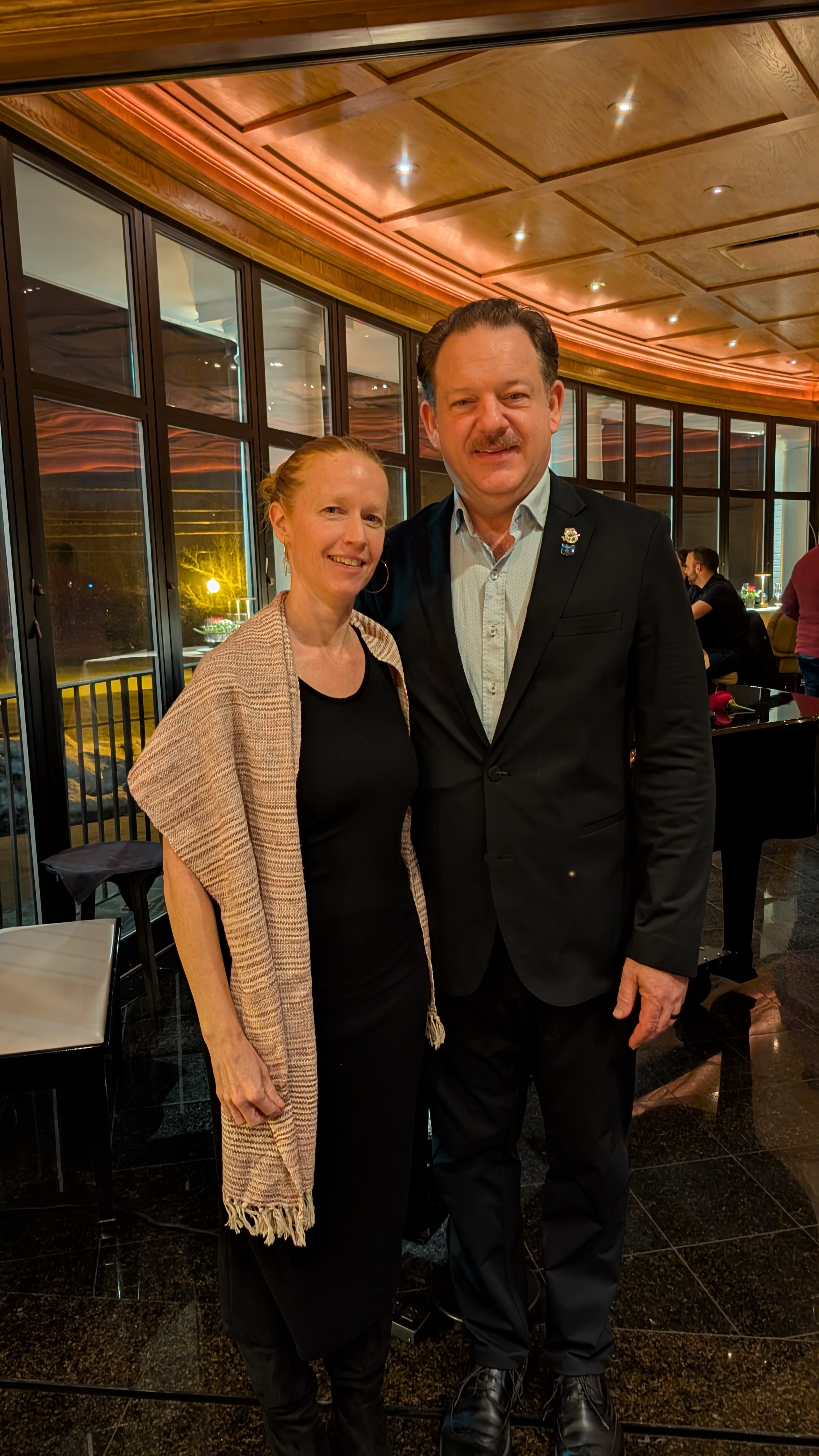
In his 26th year as an airline pilot, Dan resides in Youngstown, Ohio with his high school sweetheart Stephanie. Combined they have 5 kids (teenagers...). They enjoy travel as a family, and as a couple. Dan has had a bourbon affinity since smelling his Grandfather's JW Dant and Grapefruit soda as a kid. Dan started collecting bourbon in 2015. He has been actively involved in Martial Arts since he was a kid and has Black Belts in two different styles. Dan still plays trumpet. Originally he went to college for music at Ohio University, but after his sophomore year decided he would much rather spend 3 hours in an airplane instead of a practice room. He still helps teach high school band camps, and has assisted with 5th and 6th grade Trumpet, Low Brass, and Percussion. Dan has been a Pilot Union Representative, Contract Negotiator, Merger Specialist, and Contract Compliance Administrator for over 20 years. Dan received the President's Lifetime Achievement Volunteer Service Award in 2024.
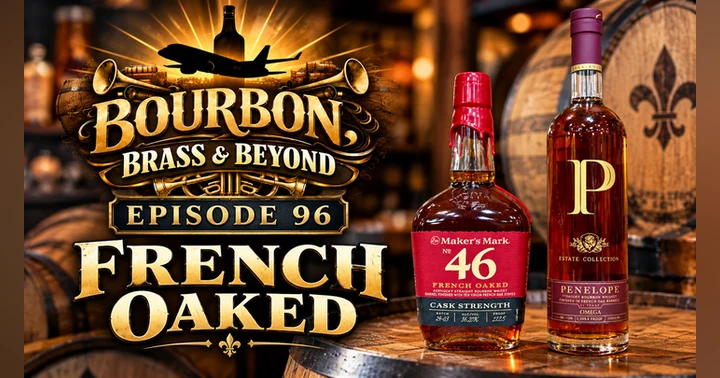
Penelope Omega 11 Year vs. Maker's Mark 46 Cask Strength: The Ultimate Breakdown