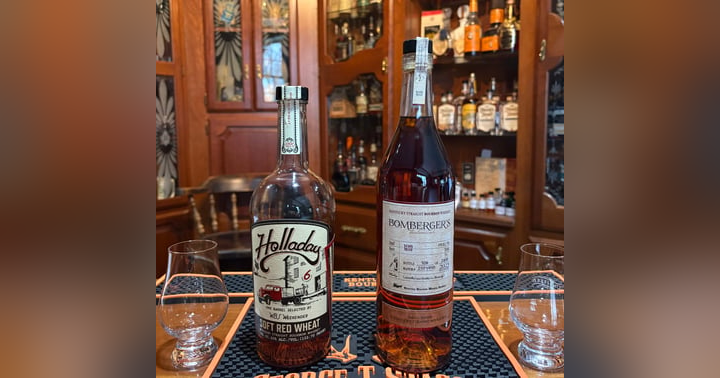
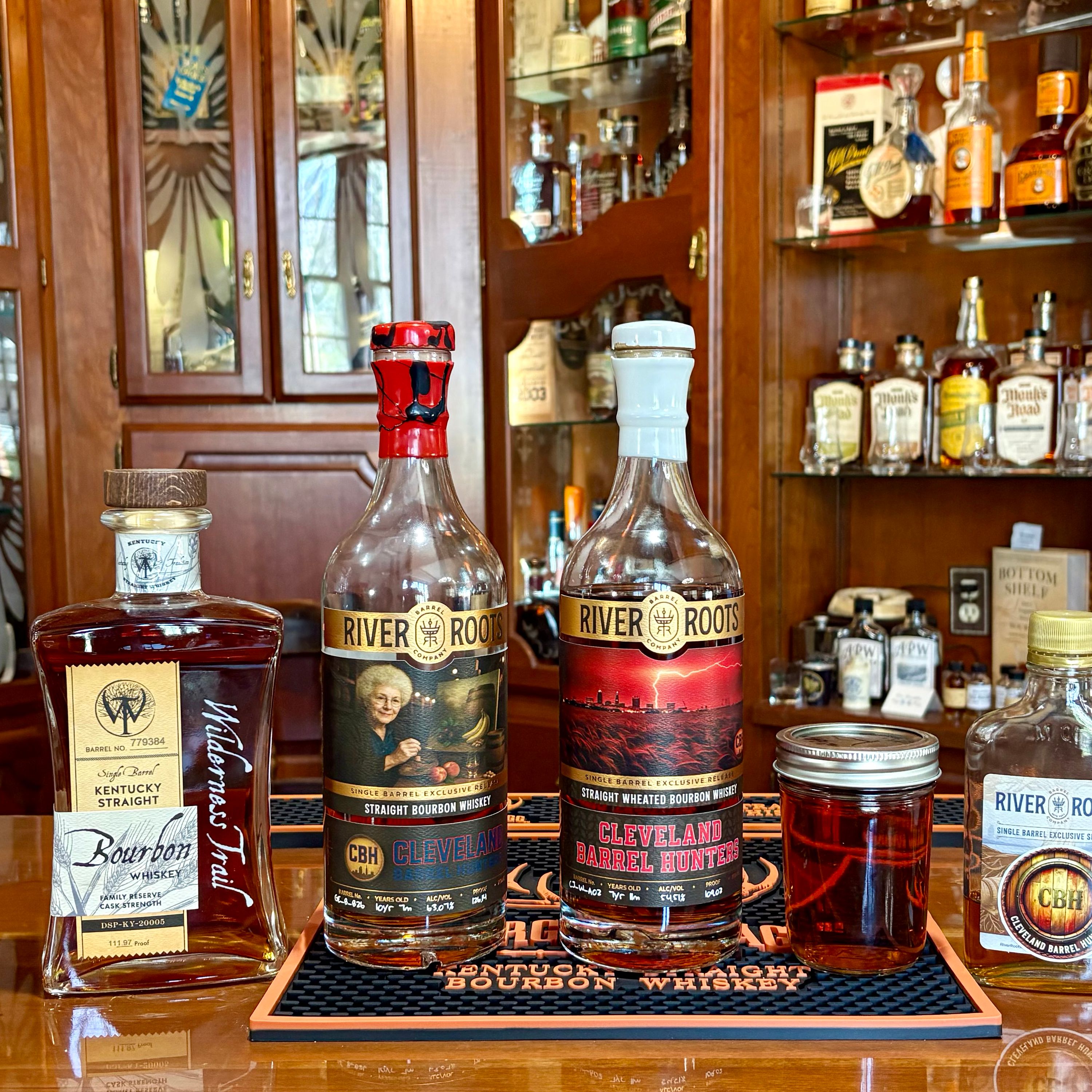
Vintage Bourbon Vignettes: Stories Hidden in Old Bottles
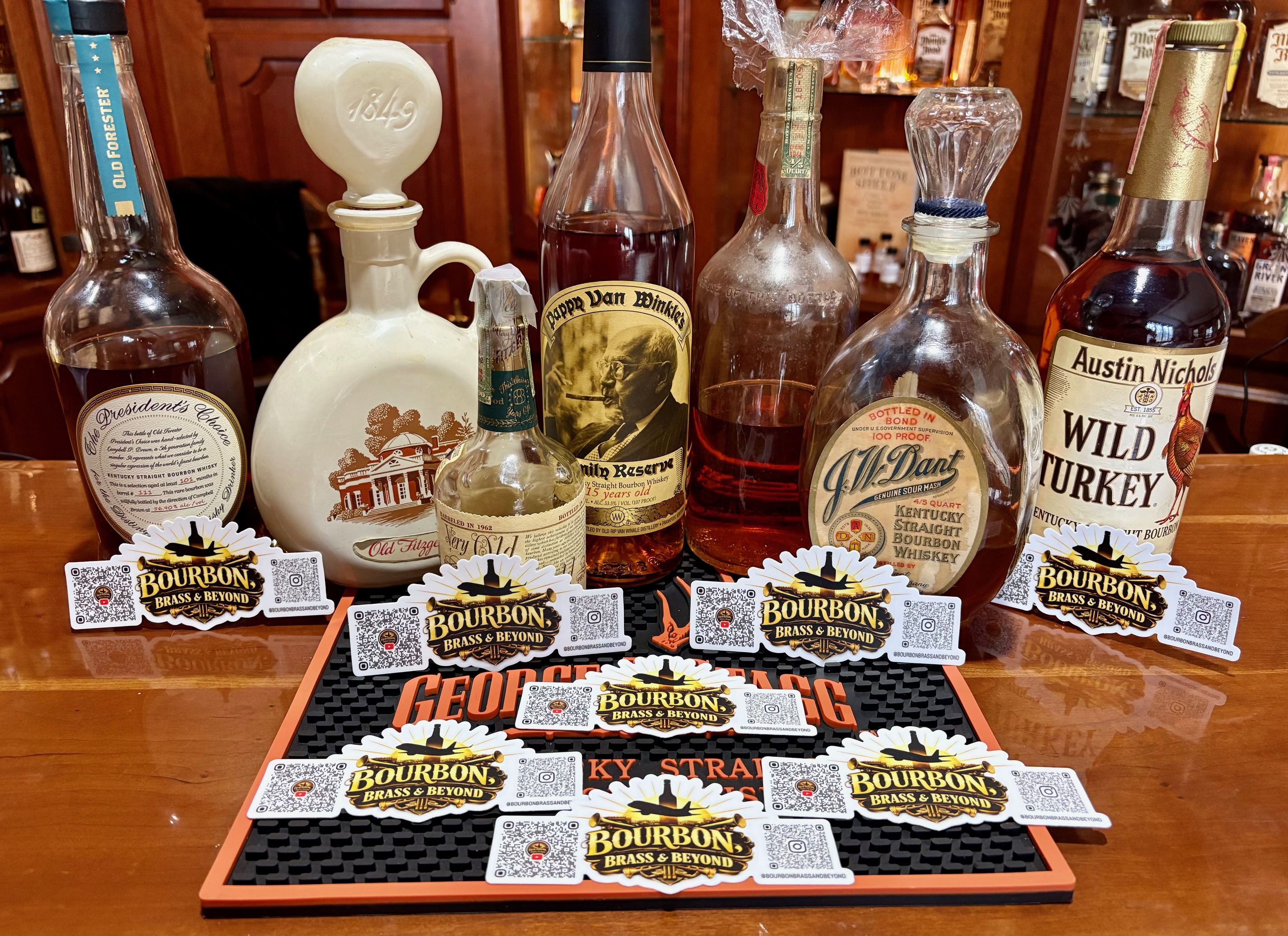
Introduction: Uncorking History with Vintage Bourbon
Welcome, fellow bourbon enthusiasts, to another deep dive into the world of America's native spirit! In this post, we're not just talking about bourbon; we're unearthing its history, one dusty bottle at a time. Our latest episode, Jason from Cleveland Barrel Hunter Brings his Picks!; Ep. 40, truly set the stage for this exploration. Jason's passion for uncovering forgotten treasures, those bottles that have been sitting in basements or waiting patiently at estate sales, ignited a spark to delve deeper into the narratives held within these vintage elixirs. This blog post will expand on those fascinating discussions, taking you on a journey through time, flavor, and the very essence of what makes old bourbon so captivating. From the allure of the hunt to the intricate changes that time and the barrel impart, we'll explore the stories whispered from the past, just waiting for us to listen.
The Allure of the Dusty Bottle: Tales from Grandma's Basement and Estate Sales
There’s a certain magic that surrounds a dusty bottle of bourbon. It’s more than just aged alcohol; it’s a time capsule, a tangible link to a bygone era. Think about it: how many of us have inherited a bottle from a relative, tucked away in a dark corner of the basement or attic, forgotten for decades? These aren't just forgotten drinks; they're remnants of celebrations, quiet evenings, or simply the foresight of a previous generation who knew that good bourbon only gets better with time. Jason, in our recent episode, eloquently described the thrill of estate sales and the serendipitous discovery of these hoarded treasures. It’s a treasure hunt where the prize isn't gold or jewels, but liquid history. The stories behind these finds are as varied as the bourbons themselves. A bottle of Old Grand-Dad from the 1950s might have been purchased by a grandfather to celebrate the birth of a child, only to be opened decades later by that child’s grandchildren. A dusty bottle of I.W. Harper from the pre-Prohibition era could have witnessed seismic shifts in American society, from the Roaring Twenties to the Great Depression. Each bottle tells a silent story of the hands that bought it, the occasions it was meant for, and the passage of time it has endured. The very dust that coats these bottles is a testament to their age and their survival. It’s a physical manifestation of time, preserving the liquid within from the ravages of modern trends and hurried consumption.
A Deep Dive into Iconic Vintage Bourbons: The Case of Old Crow (1930s)
To truly appreciate the allure of vintage bourbon, we need to look at specific examples. Our discussion with Jason touched upon the legendary status of bourbons like Old Crow from the 1930s. This isn't just any whiskey; it's a legend whispered among collectors and connoisseurs. In the 1930s, America was emerging from the shadow of Prohibition and grappling with the Great Depression. Bourbon production was restarting, and the spirit being made then carried the weight of resilience and a hopeful future. Old Crow, in particular, has a storied past. Founded in the mid-19th century by Dr. James Crow, it was renowned for its consistent quality and was even a favorite of figures like Mark Twain and Abraham Lincoln. By the 1930s, the distillery was under new ownership, but the legacy of its rye-heavy mash bill and its crisp, clean profile remained. A bottle of Old Crow from this era likely possesses a character that's remarkably different from its modern counterparts. Expect a more pronounced rye spice, a lighter body, and a flavor profile that speaks to the distillation and aging practices of the time. The lack of aggressive charring from barrels that might be over-to-processed today, and the potentially lower proof at bottling, contribute to a nuanced, almost delicate complexity. Tasting a 1930s Old Crow is like taking a sip of a conversation with history – it's a chance to understand the foundational elements of what made bourbon a national treasure. The embossed glass, the faded labels, the very shape of the bottle—all these details contribute to the narrative of its time.
Beyond the Bottle: How Time, Proof, and Staves Shape Bourbon's Character
The transformation of bourbon over decades is a fascinating interplay of scientific processes and the slow hand of time. It’s not just about the ingredients; it’s about the environment and the very materials the spirit interacts with. As Jason hinted at in our episode, a bourbon’s profile evolves dramatically based on several key factors:
Time
This is perhaps the most obvious influencer. Bourbon ages in charred oak barrels, and the longer it spends in contact with the wood, the more it mellows and develops complex flavors. Vanillin from the charred wood provides sweet notes, while tannins contribute to the body and oak character. In older bourbons, you often find a beautiful integration of these elements, where the harshness of young whiskey has been smoothed out, replaced by layers of caramel, vanilla, dried fruit, and even subtle leather or tobacco notes. The angel's share, the portion of the whiskey that evaporates from the barrel each year, also concentrates the remaining spirit, intensifying its flavor.
Proof
The initial proof of the spirit entering the barrel and the proof at which it is bottled significantly impact the final taste. Lower proof entries can lead to less extraction from the wood, resulting in a more delicate flavor profile. Conversely, higher proof entries can lead to more aggressive extraction. Similarly, bourbons bottled at higher proofs (like barrel-strength offerings) often showcase more intense flavors and a fuller body, while lower proof bottlings might be smoother and more approachable. Vintage bourbons can offer a fascinating glimpse into historical proofing practices. Many older bottles were bottled at higher proofs, often referred to as "distillery proof," before the widespread practice of adding water for consistency.
Staves and Barrel Construction
The oak itself, its origin, the toasting or charring process, and even how the barrel is constructed all play a role. The thickness of the staves, the number of times a barrel is used, and the climate in which it ages (temperature fluctuations cause the wood to expand and contract, pushing liquid in and out) all contribute to the whiskey’s maturation. As our discussion with Jason touched upon, experiments with different stave inclusions or alternative barrel treatments are now common, but understanding the classic barrel is crucial. In the 1930s, barrel-making was a more artisanal craft. The oak was likely sourced from more localized forests, and the charring process was perhaps less standardized than today. This subtle variation in barrel construction and oak sourcing could contribute to the unique character of vintage bourbons.
The Art of the Barrel Hunter: Discovering Treasures with Jason from Cleveland Barrel Hunter
The thrill of the chase is a significant part of the vintage bourbon experience, and our guest, Jason from Cleveland Barrel Hunter, is a master of this art. His expeditions into estate sales and forgotten corners are not just about acquiring bottles; they are about the narrative of discovery. He embodies the spirit of the modern-day barrel hunter, seeking out liquid gold that might otherwise be lost to time. Jason's approach is informed by knowledge, intuition, and a deep appreciation for bourbon history. He knows what to look for: the distinctive bottle shapes of different eras, the labels that indicate a specific distillery or bottling period, and the subtle clues that suggest a bottle has remained undisturbed for decades. The stories he shares in our episode about finding rare bourbons in unexpected places are the stuff of legend among enthusiasts. It’s a reminder that the bourbon world is vast, and sometimes, the most incredible discoveries are made not in sterile tasting rooms, but in dusty attics and forgotten cellars. This practice of seeking out older, often discontinued, bottlings is what keeps the history of bourbon alive and accessible, albeit to a select few who are willing to put in the work.
From Rickhouse Dust to Caramel Brittle: A Sensory Journey Through Vintage Flavors
Tasting a vintage bourbon is an experience that transcends mere flavor. It’s a sensory journey that connects you to the past. The nose might offer hints of "rickhouse dust"—a scent that evokes the earthy, slightly musty aroma of aging warehouses—intermingled with notes of leather and aged wood. As you bring the glass closer, subtler aromas might emerge: dried fruits like raisins or figs, perhaps a hint of pipe tobacco, or even a touch of old paper. On the palate, vintage bourbons often display a remarkable smoothness, even at higher proofs. The harshness of youth has been tamed by time, allowing the underlying complexities to shine. You might encounter notes of rich caramel, but not the cloying sweetness of candy. Instead, it’s a more nuanced, baked caramel, reminiscent of burnt sugar or crème brûlée. The rye spice, if present, will be more integrated, a warm embrace rather than a sharp jab. Some vintage bourbons possess a delightful "caramel brittle" explosion, where the sweetness is balanced by a satisfying, almost nutty crunch. The finish can be long and lingering, leaving behind notes of oak, spice, and a pleasant warmth. This tasting experience is so different from many modern bourbons because the distillation, aging, and bottling philosophies were often distinct. The lack of extreme barrel manipulation and the focus on time-honored methods result in a unique and often sought-after flavor profile.
Market Dynamics and the Enduring Fascination with Niche Bourbons
The world of vintage bourbon is also shaped by market forces. As these bottles become rarer, their desirability and value increase. This has created a fascinating ecosystem where collectors, investors, and enthusiasts all vie for these scarce treasures. The "dusty" bourbon market, as it's often called, is a testament to the enduring appeal of bourbons from distilleries that have changed hands, changed their recipes, or even ceased to exist. The fascination with niche bourbons, whether vintage or modern limited releases, speaks to a desire for something unique and special. In a world of mass production, these niche offerings provide a sense of discovery and exclusivity. They allow enthusiasts to delve deeper into specific flavor profiles, explore the nuances of different distilleries, and connect with a sense of heritage. The increasing interest in vintage bourbons also highlights a growing appreciation for the craft and history behind the spirit. It’s a counter-trend to the more generalized appeal of mainstream bourbons, appealing to those who want to understand the evolution of bourbon and seek out the best expressions from its past.
The Community of Bourbon: Sharing the Love, One Sip at a Time
The passion for bourbon, especially vintage bourbon, fosters a vibrant and passionate community. Online forums, social media groups, and in-person tasting events are all places where enthusiasts connect, share their finds, and exchange knowledge. This community is crucial for preserving and celebrating bourbon’s rich history. The stories we uncover, the bottles we taste, and the knowledge we share all contribute to a collective understanding and appreciation of this iconic spirit. Jason's work with Cleveland Barrel Hunter is a perfect example of this community spirit in action. By sharing his finds and his passion, he inspires others to embark on their own bourbon journeys. The communal aspect of bourbon appreciation – sharing a rare bottle with friends, discussing tasting notes, and learning from each other – is as much a part of the experience as the bourbon itself. It's about camaraderie, shared passion, and the joy of discovering something truly special together.
Conclusion: Preserving and Celebrating Bourbon's Rich Past
Our journey through the world of vintage bourbon, sparked by the incredible insights from our episode with Jason from Cleveland Barrel Hunter, reveals that these old bottles are far more than just aged spirits. They are tangible pieces of history, carrying stories of bygone eras, evolving distillation practices, and the enduring spirit of American craftsmanship. From the dusty allure of Grandma's basement finds to the specific marvels of a 1930s Old Crow, each bottle offers a unique vignette of bourbon's storied past. Understanding how time, proof, and the very staves of the barrel shape these flavors allows us to appreciate the complexity and depth of vintage bourbons. The dedication of barrel hunters like Jason ensures these liquid treasures are not lost to time, and the thriving community of bourbon lovers ensures their stories are shared and celebrated. As we continue to explore the vast landscape of bourbon, let's never forget to look back, uncork the past, and savor the rich narratives hidden within those old bottles. Until next time, keep exploring, keep tasting, and keep the bourbon spirit alive!

Pilot / Dad / Trumpeter / Contract Negotiator / Martial Artist
In his 26th year as an airline pilot, Dan resides in Youngstown, Ohio with his high school sweetheart Stephanie. Combined they have 5 kids (teenagers...). They enjoy travel as a family, and as a couple. Dan has had a bourbon affinity since smelling his Grandfather's JW Dant and Grapefruit soda as a kid. Dan started collecting bourbon in 2015. He has been actively involved in Martial Arts since he was a kid and has Black Belts in two different styles. Dan still plays trumpet. Originally he went to college for music at Ohio University, but after his sophomore year decided he would much rather spend 3 hours in an airplane instead of a practice room. He still helps teach high school band camps, and has assisted with 5th and 6th grade Trumpet, Low Brass, and Percussion. Dan has been a Pilot Union Representative, Contract Negotiator, Merger Specialist, and Contract Compliance Administrator for over 20 years. Dan received the President's Lifetime Achievement Volunteer Service Award in 2024.
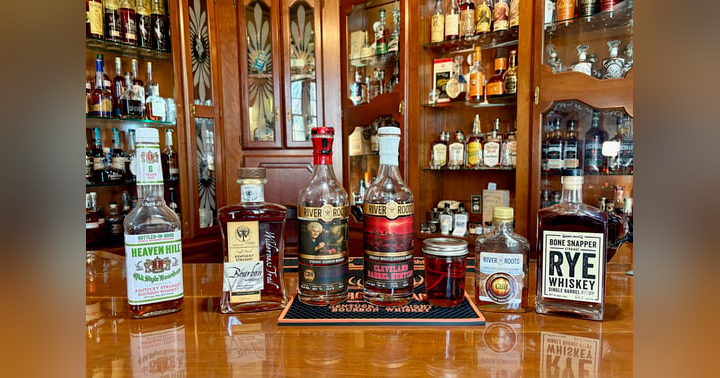
Beyond the Label: What Makes River Roots Distillery's Picks So Special?