Uncorking the Extraordinary: A Deep Dive into Rare Whiskey Finds
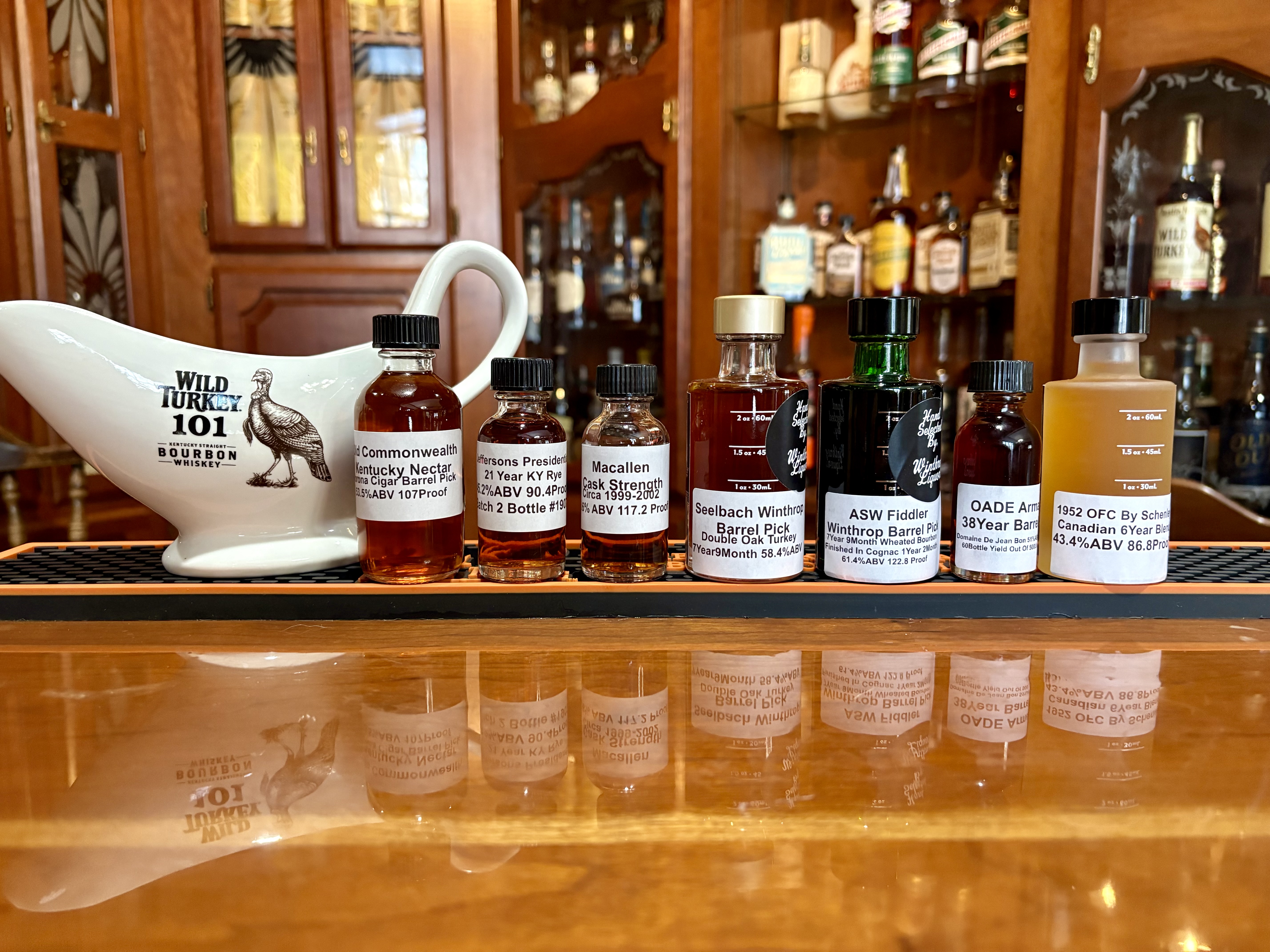
Welcome back to the blog, fellow spirits enthusiasts! This week on the podcast, we had an absolutely mind-blowing conversation with Morgan from Winthrop Liquors. He sent over some truly exceptional whiskey samples that had us all reaching for our tasting glasses and our jaws dropping in awe. We’re talking about bottles that are not just rare, but are historical artifacts of the whiskey-making world. If you missed the episode, you can catch up on all the incredible insights and tasting notes right here: Morgan from Winthrop Liquors blows our minds with samples; Ep. 25. This blog post is dedicated to expanding on the extraordinary spirits we discussed and the fascinating world they inhabit.
The Thrill of the Hunt for Rare Whiskey
There’s a unique thrill that comes with discovering a truly rare bottle of whiskey. It’s not just about the taste, although that is, of course, paramount. It’s about the journey, the history, and the sheer luck involved in finding something that few others will ever have the chance to experience. This hunt takes many forms. For collectors, it’s the meticulous research, the networking with distributors, and the constant vigilance for that elusive bottle that might appear on a shelf for a fleeting moment. For enthusiasts like us, it's the incredible fortune of connecting with people like Morgan, who have the access and the discerning palate to source and share these liquid treasures. The episode highlighted this very excitement, showcasing how these rare finds spark conversation, ignite passion, and create unforgettable tasting experiences.
Spotlight on the Stars: 1952 OFC Canadian Blend & Jefferson Presidential 21 Year Rye
Let’s get down to the stars of the show from our recent episode. Morgan presented us with two bottles that are truly legendary in their own right: the 1952 OFC Canadian Blend and the Jefferson Presidential 21 Year Rye. These aren't just old bottles; they represent specific moments in time and the pinnacle of distillation and aging techniques from their respective eras.
The 1952 OFC Canadian Blend
The 1952 OFC Canadian Blend is a bottle that evokes a sense of deep historical significance. OFC stands for Old Fashioned Copper, a nod to the traditional distillation methods. When we talk about a 1952 bottling, we are delving into a post-war era, a time when Canadian whisky was establishing its reputation for quality and smooth character. The rarity of this particular blend is amplified by its age; whiskies from this period are increasingly scarce, making any encounter a significant event. Morgan’s description and the tasting notes that followed painted a picture of a spirit that has had over seven decades to mature and develop. The complexities that emerge from such extended aging are often unparalleled. We’re not just tasting whiskey; we’re tasting history, a testament to the foresight of distillers who laid down stocks that would become legendary decades later. The very idea of a 1952 bottling means it predates many of the modern regulations and production practices, offering a glimpse into a purer, perhaps more artisanal, approach to spirit making. The sheer fact that such a bottle exists, and was tasted on our show, is a testament to the enduring legacy of fine Canadian whisky.
Jefferson Presidential 21 Year Rye
Moving on to the Jefferson Presidential 21 Year Rye, we encounter a different, yet equally compelling, story of rarity and exceptional quality. Jefferson is a brand known for its commitment to sourcing and bottling exceptional whiskeys, and a 21-year-old rye is a monumental achievement. Rye, as a grain, brings a distinct spice and character to the spirit, and allowing it to age for over two decades allows those flavors to mature, mellow, and integrate in fascinating ways. The Presidential series from Jefferson often signifies a selection of their finest, most mature barrels. A 21-year-old rye suggests a remarkable patience and a deep understanding of barrel management and the aging process. The scarcity of such aged rye is due to several factors, including the time required for maturation and the often lower yields of rye compared to other grains. This bottle represents a commitment to excellence, a dedication to letting time work its magic, and a reward for those willing to wait for the ultimate expression of rye. The tasting experience of a 21-year-old rye is often one of profound depth and nuance, where the initial spice of the rye is softened by the oak, revealing layers of fruit, caramel, and a beautifully balanced finish. It’s a testament to the fact that some of the best things in life, and in whiskey, are worth the wait.
Beyond the Bottle: What Makes These Whiskies Extraordinary?
The exceptional nature of these whiskies goes far beyond their age or a simple designation on a label. Several factors contribute to their extraordinary status:
Age and Maturation
As we’ve touched upon, age is a critical component. Over decades, the interaction between the spirit and the oak barrel is a slow, transformative dance. Wood imparts tannins, vanillin, and other compounds that add color, flavor, and complexity. The angels also take their share, reducing the volume of liquid but concentrating the remaining flavors. For a 1952 bottling or a 21-year-old rye, this process has occurred over an extended period, allowing for a depth and smoothness that younger spirits can rarely achieve. The spirit becomes more integrated, the sharp edges are smoothed out, and a symphony of flavors emerges from the oak and the original distillate.
Distillation Methods and Yeast Strains
The foundational elements of the spirit also play a crucial role. Traditional distillation methods, like those hinted at by OFC, often involve copper stills that impart unique characteristics. Similarly, the specific yeast strains used during fermentation can significantly influence the final flavor profile. Older distilleries often had proprietary yeast strains passed down through generations, contributing to a distinct house character that is now irreplaceable.
Source and Terroir
Whiskey is also a product of its environment. The water source, the climate in which the barrels are aged, and even the type of oak used for the barrels (American oak, European oak, etc.) all contribute to the final taste. For a Canadian blend from 1952, the aging conditions in Canada at that time would have been unique. Similarly, the environment where the Jefferson rye was aged would have imparted its own distinct notes.
The Stories Behind the Rarity: From Distillery to Glass
Every rare bottle has a story, a narrative that stretches from the grain in the field to the glass in our hands. These stories are what elevate whiskey from a mere beverage to an experience.
Historical Context
The 1952 OFC Canadian Blend, for instance, exists in a historical context that is fascinating. It represents a time when Canadian whisky was a dominant force on the global stage. Understanding the economic, social, and industrial landscape of 1950s Canada provides a richer appreciation for the distillate that was being produced and laid down. The resilience of such a bottle, surviving through decades of change, is a testament to its quality and the care with which it was stored.
Distillery Legacies and Lost Brands
Sometimes, rarity is tied to the legacy of a distillery that no longer exists or a brand that has been discontinued. The barrels that remain are often the last vestiges of a particular era of production or a specific brand’s identity. These bottles become historical markers, preserving a taste of what once was. Morgan’s collection often includes these kinds of gems, bottles that represent a specific time and place in the whiskey world that can never be replicated.
The Art of Barrel Management
The skill of the distillers and, more importantly, the master blenders and warehouse managers, is paramount. How were these barrels stored? Were they moved? Were they re-casked? The decisions made over decades regarding barrel management can dramatically impact the final product. A well-managed barrel can yield extraordinary results, while neglect can lead to disappointment. The fact that a 21-year-old rye or a 70-year-old Canadian blend has reached such a state of perfection speaks volumes about the expertise involved.
A Glimpse into the Collection: Other Rare Finds Mentioned
While the 1952 OFC and the Jefferson Presidential 21 Year Rye were the highlights, Morgan also shared other remarkable spirits that deserve a mention, showcasing the breadth and depth of his collection and the diverse world of whiskey.
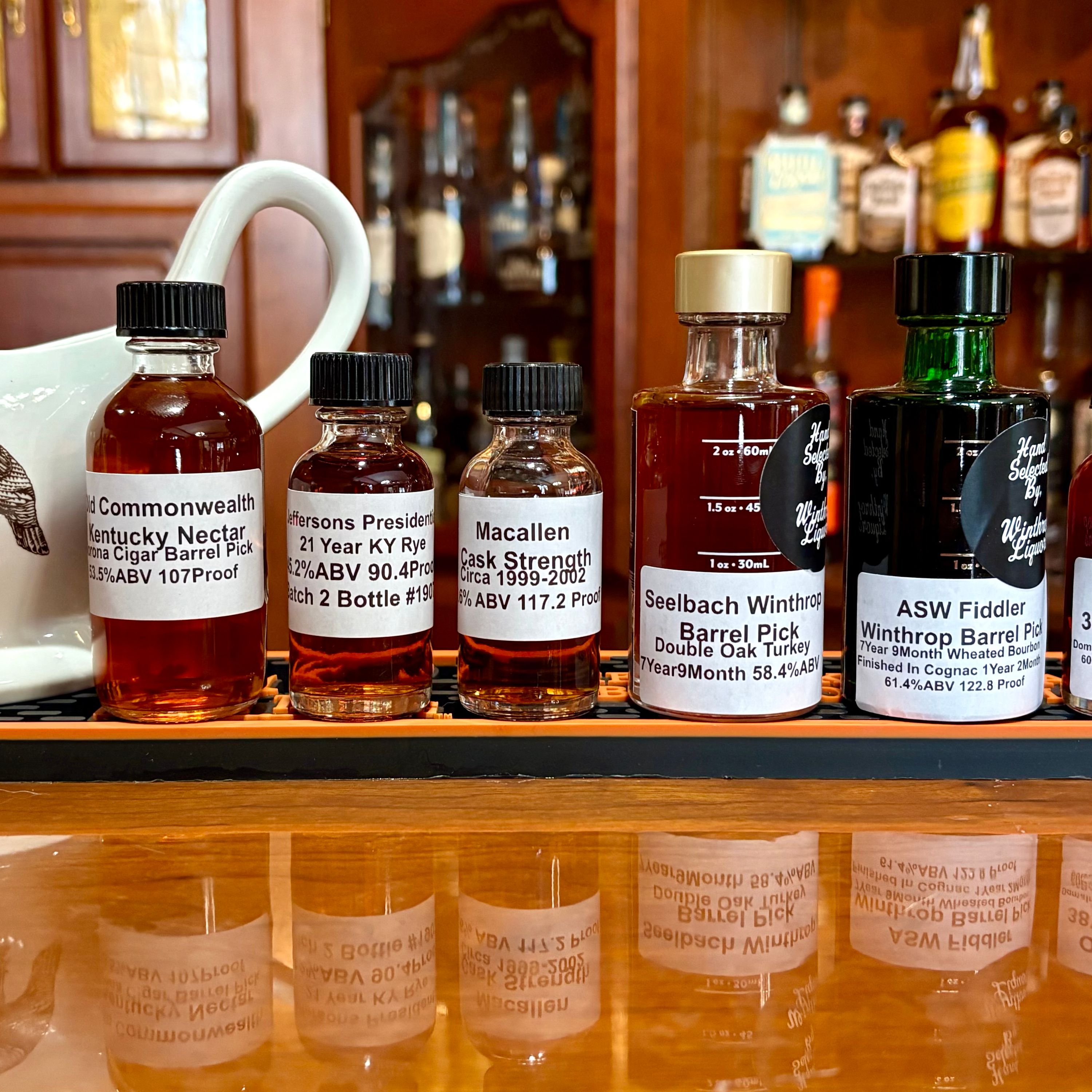
We touched upon gems like ASW Fiddler Barrel Pick, Seelbach Double Oake Turkey Barrel Pick, OADE 38 Year Armagnac, Old Commonwealth Kentucky Nectar Cigar Blend, and Macallan Cask Strength. Each of these represents a unique niche within the spirits world. Barrel picks, like those from ASW and Seelbach, highlight the influence of specific barrel selections on the final flavor profile. The mention of an OADE 38 Year Armagnac, while not a whiskey, provides a fantastic opportunity to discuss the nuances of aged spirits and their broader categories. The Old Commonwealth Kentucky Nectar Cigar Blend hints at the growing trend of spirits designed to complement other experiences, like enjoying a fine cigar. And of course, Macallan Cask Strength, from a distillery renowned for its sherry cask maturation, offers a benchmark for exceptional Scotch whisky. The sheer variety discussed underscores the richness of the spirits landscape and the endless possibilities for discovery.
The Art of the Barrel Pick: Influence and Flavor
Barrel picks are a cornerstone of modern whiskey culture and a topic we explored with enthusiasm in the episode. For those new to the concept, a barrel pick involves a retailer or a group of enthusiasts selecting a single barrel of whiskey from a distillery. This allows for a highly curated selection, focusing on barrels that exhibit exceptional character or a unique flavor profile that might not be representative of the distillery’s standard bottlings.
The influence of a barrel pick is profound. It allows for the exploration of the spectrum of flavors a particular distillery can produce. For instance, one barrel might be sweeter and fruitier, while another from the same distillery might be spicier and more oak-forward. The cask strength bottling of these picks often delivers an unadulterated, powerful expression of the whiskey, showcasing its true character without dilution. The collaboration between distilleries and retailers like Winthrop Liquors, facilitated by individuals like Morgan, is crucial for bringing these extraordinary single barrels to the market. It’s a testament to the relationship between producers and consumers, fostering a deeper engagement with the spirit-making process.
Whiskey Culture and the Appreciation of Aged Spirits
The conversation with Morgan underscored the vibrant and evolving culture surrounding whiskey. It’s a culture that values knowledge, history, and the shared experience of tasting. The appreciation for aged spirits, in particular, has grown exponentially. There’s a growing understanding that time is a key ingredient, and that patience in distillation and maturation can yield unparalleled rewards. This appreciation extends beyond just the taste; it encompasses the stories, the craftsmanship, and the heritage that each bottle represents.
The episode touched on the growing connections within the whiskey community, from meeting fellow enthusiasts to interacting with brand ambassadors and distillers. This sense of community is what makes the pursuit of rare and exceptional spirits so rewarding. It’s about sharing discoveries, learning from each other, and celebrating the craft. The rise of social media, podcasts like ours, and specialized retailers has democratized access to information and fostered a more engaged and knowledgeable consumer base.
Armagnac vs. Cognac: Understanding the Differences
While our primary focus was on whiskey, the mention of a 38-year-old OADE Armagnac presented a valuable opportunity to briefly touch upon the fascinating world of French brandies. While both Armagnac and Cognac are grape brandies from specific regions in France, they have distinct differences that impact their flavor and character.
Cognac, perhaps the more widely known of the two, is primarily produced in the Charente region. It’s known for its double distillation in copper pot stills and is typically aged in French oak barrels. Cognac often exhibits a lighter, more floral, and delicate profile, with notes of fruit and vanilla. Armagnac, on the other hand, hails from the Gascony region in Southwest France. It is traditionally distilled only once in a column still, which preserves more of the grape’s original character and results in a more robust, complex spirit. Armagnac is often aged in local black oak from the Monlezun forest, which imparts a deeper, earthier, and sometimes more rustic character. Think of Armagnac as often having a richer, more intense flavor profile, with notes of dried fruit, spice, and even leather, especially in its older expressions. The single distillation process and the use of different oak contribute to Armagnac’s reputation as a more artisanal and characterful spirit, sometimes seen as the “whiskey lover’s brandy” due to its complexity and depth.
The Evolving Landscape of Whiskey Availability
Finally, the conversation naturally led to a discussion about the ever-changing landscape of whiskey availability. We’ve all witnessed the increased demand for bourbon and other whiskeys, leading to shortages, price increases, and the constant search for those hard-to-find bottles. Morgan’s insights into how marketing strategies and distillers’ decisions impact availability are crucial for understanding this phenomenon.
The popularity of certain brands, the influence of whiskey critics and social media, and the increasing interest from international markets have all contributed to the current situation. The distinction between readily available core offerings and limited edition releases or age-stated bottles is more pronounced than ever. The pursuit of rare bottles, while exciting, also highlights the challenges faced by consumers in accessing consistent and diverse whiskey options. It's a dynamic market, and understanding these trends helps us appreciate the rare finds even more when we do encounter them.
In conclusion, the episode with Morgan from Winthrop Liquors was an extraordinary journey into the world of rare and exceptional spirits. We explored the thrill of the hunt, the captivating stories behind bottles like the 1952 OFC Canadian Blend and Jefferson Presidential 21 Year Rye, and the multifaceted factors that contribute to their rarity and exceptional taste. The discussion also provided valuable insights into the broader world of spirits, including the unique characteristics of Armagnac and the ever-evolving landscape of whiskey availability. It’s this deep dive into the history, craftsmanship, and sheer deliciousness of these unique bottles that makes our podcasting and blogging journey so rewarding. Don't forget to revisit the full conversation and all its incredible details by checking out Morgan from Winthrop Liquors blows our minds with samples; Ep. 25. Until next time, happy sipping!
Pilot / Dad / Trumpeter / Contract Negotiator / Martial Artist
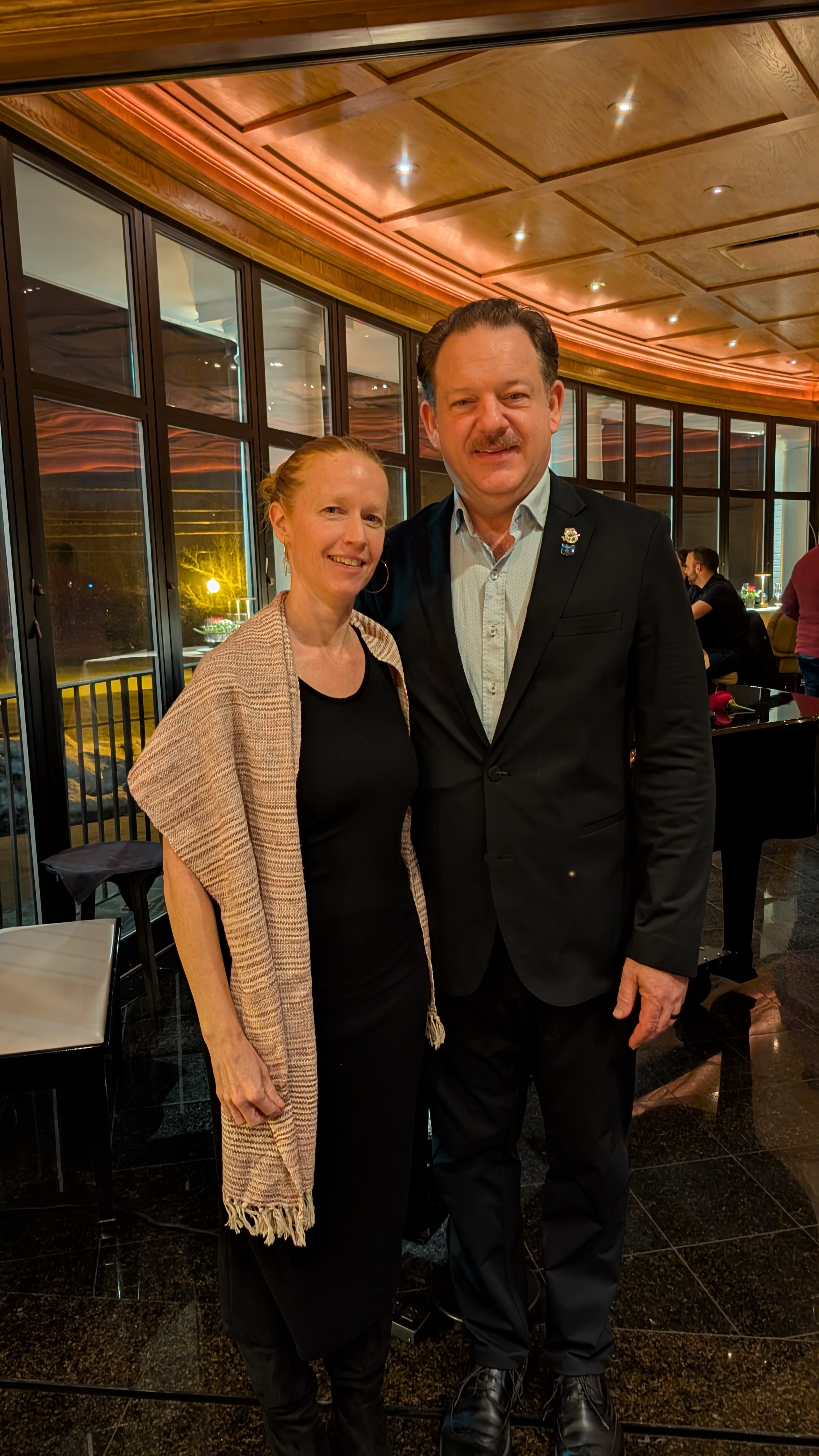
In his 26th year as an airline pilot, Dan resides in Youngstown, Ohio with his high school sweetheart Stephanie. Combined they have 5 kids (teenagers...). They enjoy travel as a family, and as a couple. Dan has had a bourbon affinity since smelling his Grandfather's JW Dant and Grapefruit soda as a kid. Dan started collecting bourbon in 2015. He has been actively involved in Martial Arts since he was a kid and has Black Belts in two different styles. Dan still plays trumpet. Originally he went to college for music at Ohio University, but after his sophomore year decided he would much rather spend 3 hours in an airplane instead of a practice room. He still helps teach high school band camps, and has assisted with 5th and 6th grade Trumpet, Low Brass, and Percussion. Dan has been a Pilot Union Representative, Contract Negotiator, Merger Specialist, and Contract Compliance Administrator for over 20 years. Dan received the President's Lifetime Achievement Volunteer Service Award in 2024.
Diving Deep into Bomberger's 2025 Release: What to Expect