The Impact of Cask Finishes: More Than Just a Label?
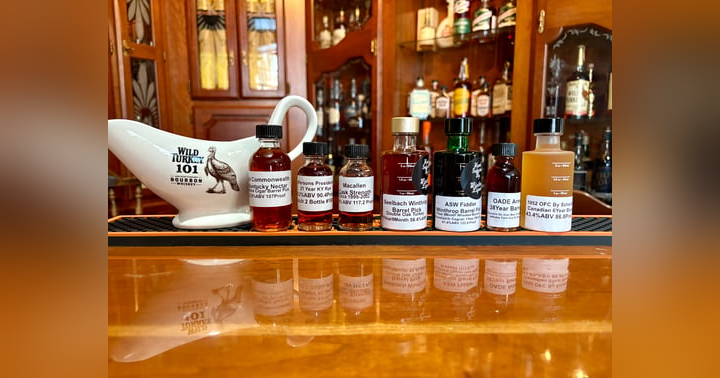
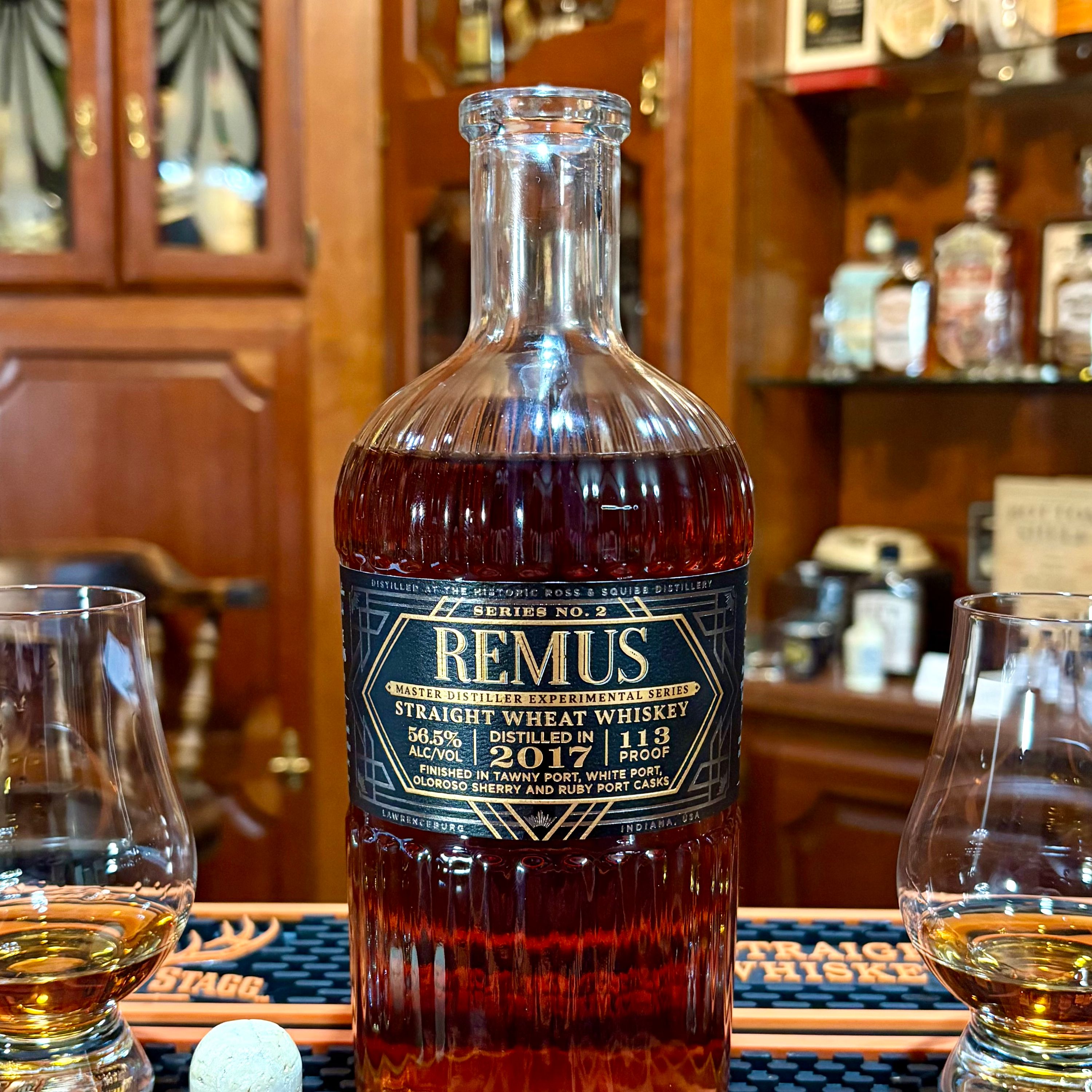
Welcome back to the blog, fellow spirits enthusiasts! In our latest episode, Episode 30: Remus Experimental 2, OADE 38 Year Armagnac, and Rarebird101 New Book!, Dan and Bob delved into some truly exciting whiskeys, including a mention of a spirit "finished in four different wine casks." This intriguing phrase sparked a significant discussion and, frankly, got me thinking about the broader world of cask finishing. Is it merely a marketing buzzword, a way to add a few extra dollars to the price tag, or does it genuinely impart unique and desirable characteristics to our beloved spirits? In this blog post, we’re going to unpack the concept of cask finishing, using that specific mention as our jumping-off point, and explore how different finishes can add profound layers of complexity and unique flavors to whiskey. We’ll venture beyond wine casks to explore other interesting finishes and discuss how to approach tasting these complex creations. So, grab your favorite dram, and let’s dive in!
What Exactly is Cask Finishing?
Before we get too deep into the specific examples, let's establish a baseline understanding. Cask finishing, also known as secondary maturation or simply "finishing," is a process where a spirit that has already undergone its initial maturation in one type of cask is then transferred to a different type of cask for a shorter period. The purpose of this secondary maturation is to impart new flavors and characteristics from the second cask into the spirit. Think of it like adding a final, delicate layer of spice to a complex dish – it doesn't change the core ingredients, but it elevates the overall experience.
The spirit is typically aged for its primary maturation in oak barrels, which impart classic notes of vanilla, caramel, and oak. However, the world of casks is vast and varied. After the initial aging, distillers might decide to move the spirit into casks that previously held other beverages, such as wine, sherry, port, rum, cognac, or even beer. Each of these previous contents leaves behind residual flavors, tannins, and aromas that the spirit can absorb during its finishing period.
The duration of the finishing period can vary greatly, from a few weeks to several months or even years. This duration is a critical factor, as a longer finish will naturally impart more intense flavors. It's a delicate balancing act for the distiller: too short a finish and the impact will be negligible; too long, and the spirit can become overwhelmed by the finishing cask, losing its original character.
From the Episode: The "Finished in four different wine casks" Mention
The mention of a spirit "finished in four different wine casks" in Episode 30 is a fascinating point of departure. This immediately signals a spirit that has undergone an exceptionally intricate finishing process. To be finished in four *different* wine casks means the spirit likely spent time in a sequence of these secondary casks, each contributing its own unique influence before being bottled. This isn't a simple single finish; it’s a layered approach, suggesting a highly experimental and potentially complex flavor profile.
Consider the logistical challenge and artistic intent behind such a process. The distiller isn't just picking one wine cask to impart flavor; they are meticulously orchestrating a symphony of influences. Perhaps the spirit was first finished in a port cask, then transferred to a sherry cask, followed by a sauternes cask, and finally a Madeira cask. Each step would add a distinct set of characteristics. This level of detail suggests a distillery that is not afraid to push boundaries and explore the intricate possibilities of flavor development.
This particular mention also highlights the growing trend in the spirits industry towards innovation and experimentation. Consumers are increasingly sophisticated and adventurous, seeking out spirits that offer something beyond the traditional. A statement like "finished in four different wine casks" is designed to capture attention and pique curiosity, promising a tasting experience that is anything but ordinary.
Exploring the Spectrum of Wine Cask Finishes (e.g., Port, Sherry, Sauternes)
Wine casks are arguably the most popular choice for secondary maturation, and for good reason. Wine, by its very nature, is rich in flavor compounds and tannins, which can be readily absorbed by the spirit. Let's break down some of the most common and impactful wine cask finishes:
Port Casks:
Port, a fortified wine from Portugal, is renowned for its rich, fruity, and often spicy character. When a spirit is finished in port casks, expect to find notes of dark berries (blackcurrant, raspberry, plum), dried fruit, chocolate, and sometimes a subtle hint of spice like cinnamon or clove. The sweetness of the port can also round out the spirit, making it feel richer and more viscous on the palate. Many bourbons, in particular, find a wonderful synergy with port finishes, their inherent sweetness complementing the port's fruitiness.
Sherry Casks:
Sherry, another fortified wine from Spain, offers a diverse range of profiles depending on the type of sherry. Common sherry finishes include:
- Oloroso Sherry: Known for its nutty, dried fruit, and toffee notes. A spirit finished in Oloroso casks might exhibit flavors of almonds, walnuts, raisins, and a pleasant dryness.
- Pedro Ximénez (PX) Sherry: This is a very sweet, dark sherry. PX finishes are legendary for imparting incredibly rich, syrupy notes of figs, dates, molasses, and dark chocolate. These can be incredibly decadent.
- Fino and Manzanilla Sherry: Lighter and drier, these sherries can contribute subtle notes of almond, olive, and a crisp, saline quality. These are less common for finishing but can add a unique complexity.
The impact of a sherry finish is highly dependent on the specific type of sherry and how long it has been in the cask. It's a versatile finishing wood that can range from subtly dry to intensely sweet and fruity.
Sauternes Casks:
Sauternes is a sweet, luscious dessert wine from the Bordeaux region of France, made from grapes affected by noble rot. This noble rot imparts complex flavors of honey, apricot, peach, and floral notes like honeysuckle. A spirit finished in Sauternes casks can take on a beautiful sweetness, fruitiness, and an elegant, velvety texture. These finishes often lend a sophisticated and refined character to the spirit.
Other wine finishes worth noting include Madeira (rich, nutty, caramel notes), Marsala (fruity, nutty, often with hints of toffee), and even various red wine finishes like Cabernet Sauvignon or Merlot (which can add tannins, red fruit notes, and sometimes a touch of oak)
Beyond Wine: Other Cask Finish Examples and Their Effects
While wine casks are prevalent, the world of cask finishing extends far beyond the vineyard. Here are a few other examples and the distinct contributions they can make:
Rum Casks:
Finishing a spirit in rum casks, especially those that previously held aged Jamaican or Barbados rum, can introduce notes of tropical fruit (banana, pineapple, mango), molasses, brown sugar, and a rich, often spicy, character. This can be particularly interesting with rye whiskeys, adding a layer of complexity that plays off the rye's inherent spice.
Cognac and Armagnac Casks:
These French brandies, like the OADE 38 Year Armagnac mentioned in the episode, are aged in oak and can impart notes of dried fruit, dark chocolate, leather, and a certain oak-driven elegance. A spirit finished in these casks often gains a smoothness and a depth of flavor that is both rich and refined.
Beer Casks (e.g., Stout, IPA):
This is a more adventurous finishing territory. A stout or porter cask can add notes of coffee, chocolate, toasted malt, and a creamy mouthfeel. An IPA cask might introduce hop-forward characteristics, citrusy notes, and a subtle bitterness, which can be a bold and intriguing combination, particularly with lighter spirits or certain styles of whiskey.
Tequila and Mezcal Casks:
Finishing a whiskey in casks that previously held tequila or mezcal is a newer trend. This can introduce agave-driven notes, hints of pepper, earthiness, and sometimes even a subtle smokiness (especially with mezcal). This is a frontier for experimentation, creating hybrid flavor profiles that are truly unique.
How Different Finishes Impact Whiskey Flavor Profiles
The impact of a cask finish is not a one-size-fits-all scenario. Several factors come into play:
- The Spirit Itself: A delicate, light-bodied spirit will absorb flavors differently than a robust, heavily peated whisky or a bold bourbon. The finishing cask should complement, not overpower, the spirit's inherent characteristics.
- The Cask's History: How long was the previous spirit aged in the cask? What was its quality? A cask that held a highly regarded 20-year-old port will impart different flavors than one that held a younger, less complex wine. The number of times the cask has been previously used (its "fill" number) also matters. A first-fill cask will impart more intense flavors than a second or third-fill cask.
- The Duration of the Finish: As mentioned earlier, this is crucial. A short finish might add subtle hints, while a longer finish can fundamentally alter the spirit's profile.
- The Type of Wood: While most finishing casks are still oak, the toasting and charring of the wood during their original use can also influence the spirit.
Ultimately, a well-executed cask finish should harmonize with the base spirit, creating a more layered, complex, and interesting drinking experience. It's about adding new dimensions without obscuring the spirit's original identity.
Taste vs. Label: Is the Finish More Than Just Marketing?
This is the million-dollar question, isn't it? With the proliferation of various cask finishes, it's easy to be skeptical. Is "finished in sherry casks" just a way to make a standard bottling sound more exotic and command a higher price? While marketing undoubtedly plays a role, for discerning drinkers, the proof is, as always, in the tasting.
A true cask finish, when done well, will be evident on the nose and palate. You should be able to discern the characteristic notes imparted by the finishing cask. For example, a port finish should deliver those distinct berry and dried fruit notes. A PX sherry finish should bring a wave of dark, syrupy sweetness. If the "finish" is barely perceptible, or if it clashes with the base spirit, then it might be more marketing than substance.
The fact that distillers are willing to invest in the extra time, resources, and specialized casks required for finishing suggests a genuine desire to innovate and create superior products. Furthermore, the "finished in four different wine casks" example from the episode points to a level of complexity that goes beyond a simple label. This suggests a deliberate artistic choice, a calculated effort to craft a specific flavor profile, rather than a superficial embellishment.
It's important to approach these bottles with an open mind but also with a critical palate. Educate yourself on what different cask finishes typically impart, and then taste for yourself. Your own palate will be the ultimate judge of whether the finish is a meaningful contributor to the spirit's character.
Comparing Different Whiskey Finishes: A Deeper Dive
Let's bring this back to the episode and imagine a hypothetical scenario. Suppose we have a standard bourbon. If we finish it in a port cask, we might expect a richer, fruitier profile with notes of dark berries. If we then take the same base bourbon and finish it in a Sauternes cask, we'd likely get a lighter, more elegant sweetness with hints of honey and apricot. The difference, even from two different wine finishes, can be striking.
Now, consider the spirit mentioned in the episode: "finished in four different wine casks." This implies a journey. Let's speculate on how this might play out. Perhaps the initial aging provides a solid foundation of vanilla, caramel, and oak. The first wine finish, say a sweet Madeira, might add layers of dried fruit and nuttiness. The second, a richer Oloroso sherry, could introduce darker fruit notes and chocolate. The third, a vibrant Sauternes, might contribute honeyed apricot and floral complexity. And the fourth, perhaps a more tannic red wine finish, could add a touch of structure and red fruit. The final result would be a spirit with an astonishing depth and a cascade of flavors that evolve with each sip.
The key here is the interaction between the spirit and the cask. The spirit isn't just passively absorbing flavors; it's also influencing the wood, and the wood is influencing the spirit. This creates a dynamic exchange that, over time, results in a unique and complex beverage. The "four different wine casks" finish suggests a distillery that is exploring the outer limits of this interaction, trying to coax out nuances that would be impossible to achieve with a single finish or no finish at all.
Whiskey Tasting Tips Inspired by Dan and Bob
Listening to Dan and Bob discuss whiskeys in Episode 30, and reflecting on their shared passion for the spirit, offers some valuable insights into how to approach tasting, especially spirits with complex finishes:
- Start with the Nose: Before even taking a sip, take a good whiff. What do you immediately detect? Are there fruity notes, spice, oak, or something more unusual? The nose often provides the first clues about the spirit's character and any finishing influences. For a cask-finished spirit, pay attention to how the finishing aromas interact with the base spirit's scent.
- Take a Small Sip and Let it Coat Your Mouth: Don't gulp. Take a small amount and let it swirl around your palate. This allows you to experience the texture and the initial wave of flavors. How does it feel? Is it thin, viscous, oily?
- Identify Primary Flavors: What are the dominant flavors you're experiencing? Are they sweet, sour, bitter, or savory? Try to pinpoint specific notes like vanilla, caramel, fruit (berries, citrus, stone fruit), spice (cinnamon, pepper), or oak.
- Look for Nuance and Evolution: This is where cask finishing truly shines. As the spirit sits on your tongue, or as you exhale after a sip, do new flavors emerge? Does the flavor profile change over time? For a spirit finished in multiple casks, you might experience a progression of tastes – initial notes from the base spirit, followed by hints from the first finish, then the second, and so on. This is the complexity that makes cask finishing so exciting.
- Consider the Finish (the lingering taste): What flavors remain on your palate after you swallow? How long do they last? A good finish should be pleasant and evolve gracefully. A well-executed cask finish will often leave you with a lingering impression of those unique secondary flavors.
- Compare and Contrast: If possible, taste different cask-finished versions of the same base spirit, or compare a finished spirit to its un-finished counterpart. This will help you better understand the specific impact of the finishing cask. Dan and Bob's discussions often involve comparing different whiskeys, which is an excellent way to sharpen your tasting palate.
- Don't Be Afraid to Speculate: It's okay to guess what the finishing cask might be. Your deductions, even if not entirely accurate, are part of the learning process. The "finished in four different wine casks" is a perfect example – it prompts speculation about which wines and in what order.
Conclusion: The Art and Science of Cask Finishing
As we’ve explored, cask finishing is far more than just a label. It's a sophisticated technique that allows distillers to sculpt and enhance the flavor profiles of their spirits, adding layers of complexity and unique characteristics that can transform a good whiskey into something truly exceptional. The mention in Episode 30 of a spirit "finished in four different wine casks" serves as a powerful reminder of the innovation and artistry at play in the modern spirits industry. It speaks to a dedication to pushing boundaries and crafting experiences that tantalize the palate and ignite the imagination.
From the rich fruitiness of port and the nutty depth of sherry to the honeyed elegance of Sauternes and the exotic notes from rum or brandy casks, each finish offers a new frontier of flavor. While marketing may play a role, the true impact of a cask finish is ultimately revealed through careful tasting. By understanding the principles behind finishing and employing thoughtful tasting techniques, we can unlock a deeper appreciation for the craft and enjoy the incredible diversity of flavors that this technique makes possible. So, the next time you see a "cask-finished" bottle, remember that it’s not just a descriptor; it’s an invitation to a journey of nuanced flavor, a testament to the art and science of spirits creation.

Pilot / Dad / Trumpeter / Contract Negotiator / Martial Artist
In his 26th year as an airline pilot, Dan resides in Youngstown, Ohio with his high school sweetheart Stephanie. Combined they have 5 kids (teenagers...). They enjoy travel as a family, and as a couple. Dan has had a bourbon affinity since smelling his Grandfather's JW Dant and Grapefruit soda as a kid. Dan started collecting bourbon in 2015. He has been actively involved in Martial Arts since he was a kid and has Black Belts in two different styles. Dan still plays trumpet. Originally he went to college for music at Ohio University, but after his sophomore year decided he would much rather spend 3 hours in an airplane instead of a practice room. He still helps teach high school band camps, and has assisted with 5th and 6th grade Trumpet, Low Brass, and Percussion. Dan has been a Pilot Union Representative, Contract Negotiator, Merger Specialist, and Contract Compliance Administrator for over 20 years. Dan received the President's Lifetime Achievement Volunteer Service Award in 2024.

Family Legacies and Future Visions: The Story of Log Still Distillery