From Spicy Bite to Floral Notes: Decoding Rye Whiskey Aromas and Flavors
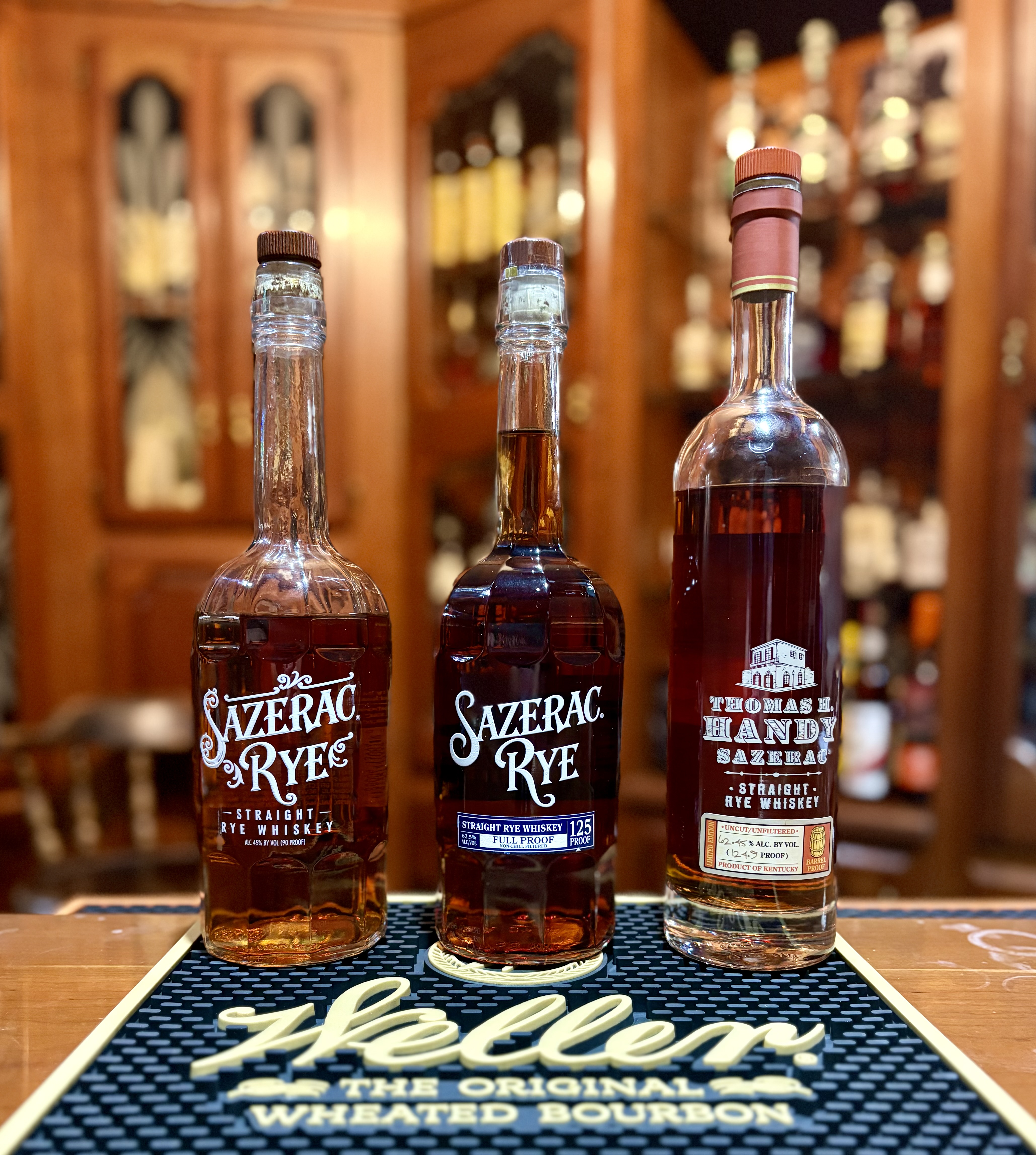
Welcome back to the blog, fellow whiskey enthusiasts! In our latest episode, "Handy, Sazerac, and Full Proof Oh My! Buffalo Trace Rye Mashbill; Ep. 17", we embarked on a delightful journey into the complex and often misunderstood world of rye whiskey. While many associate rye with a singular, bold spice, our tasting session revealed a much richer tapestry of aromas and flavors waiting to be explored. This post is designed to be your comprehensive guide, expanding on the tasting notes we discussed and empowering you to confidently identify and appreciate the diverse characteristics that make rye whiskey so captivating. From the foundational spice to unexpected floral and fruity nuances, we'll delve into how production methods and proof levels contribute to the final spirit in your glass. So, grab your favorite dram, settle in, and let’s uncork the secrets of rye.
The Signature Spice of Rye: Understanding the Core Flavor Profile
At the heart of rye whiskey lies its distinctive spice. This isn't just a generic "spicy" note; it's a specific character derived from the rye grain itself. Unlike corn or barley, rye contains a higher proportion of certain oils and compounds that translate into a more pronounced peppery, sometimes even cinnamon-like or clove-like, spiciness on the palate. This is the foundational element that many associate with rye, and it’s what gives many rye cocktails their characteristic "bite."
Think of it as the rye grain's natural contribution to the whiskey's personality. When rye is a significant component of the mash bill – the recipe of grains used to make the whiskey – this spice will be more prominent. It's a bold statement, a statement of character that sets rye apart from its sweeter, softer cousin, bourbon. This spice can range from a subtle warmth to an assertive presence, depending on the percentage of rye in the mash bill and the distillation and aging processes. It's important to recognize this core spice as the starting point, the anchor that grounds the rye experience, before we venture into its more nuanced expressions.
Aromatic Surprises: Unpacking Fruity and Floral Notes in Rye
This is where rye whiskey truly begins to surprise and delight. While the spice is its hallmark, rye is far from a one-dimensional spirit. As we discovered during our tasting, and as you'll often find in well-crafted rye, there's a hidden world of fruity and floral aromatics that can elevate the drinking experience. These notes are often subtle, appearing as delicate whispers rather than shouts, but they add incredible complexity and depth.
On the fruity side, you might encounter notes of ripe orchard fruits like apple or pear, or even the richer sweetness of stone fruits like cherry or plum. Sometimes, you'll find brighter citrus notes, reminiscent of orange peel or lemon zest, which can add a refreshing lift to the rye's inherent spice. These fruit notes are often a result of fermentation byproducts and the wood sugars extracted during the aging process. The type of oak used for the barrel, the toast level, and the char level all play a role in how these fruit esters are developed and preserved.
The floral notes are perhaps the most unexpected for many. Imagine the delicate scent of rose petals, lavender, or even honeysuckle. These can be incredibly elegant and add a sophisticated layer to the whiskey's profile. These floral characteristics can be influenced by the yeast strains used during fermentation, as well as the maturation environment. For instance, a rye aged in a rickhouse with good air circulation and fluctuating temperatures might develop different aromatic compounds than one aged in a more stable environment. These seemingly delicate notes are crucial in balancing the rye's spice, preventing it from becoming overpowering and creating a more harmonious and inviting dram. As some of our listeners noted in the episode, sometimes the nose is much more mild and inviting than the initial impression of spice on the palate, and this is often thanks to these beautifully integrated fruity and floral components.
From Mash Bill to Barrel: How Production Influences Taste
The journey from grain to glass is a complex one, and for rye whiskey, every step in the production process significantly shapes its final flavor and aroma profile. The mash bill, as we touched upon, is the foundational blueprint. A whiskey labeled as "rye" in the United States must contain at least 51% rye grain. However, many rye whiskeys boast much higher percentages, sometimes as high as 95% or even 100% rye. The higher the rye content, the more pronounced the signature spice will likely be. Conversely, the inclusion of other grains like corn or malted barley can introduce elements of sweetness, body, and a smoother mouthfeel, helping to temper the rye's assertive character.
Beyond the mash bill, the distillation process plays a critical role. The type of still used (pot still vs. column still) and the distillation cuts – the fractions of the spirit collected during distillation – can significantly impact the flavor. Pot stills tend to produce a more robust, flavorful spirit, while column stills generally yield a lighter, cleaner spirit. For rye, the goal is often to retain enough of the grain's character while stripping away unwanted congeners. The distillation proof – the alcohol concentration of the spirit coming off the still – also matters. A lower distillation proof can carry over more of the flavorful congeners from the mash, while a higher proof will result in a cleaner, more neutral spirit.
Then comes the crucial element of aging. Rye whiskey must be aged in new, charred oak containers. The type of oak (American white oak is the standard for bourbon and rye), the level of char, and the toast of the barrel all impart distinct flavors and aromas. The char acts as a filter, removing some harsher compounds, while the wood itself contributes tannins, vanillin (which provides vanilla notes), and lactones (which contribute oaky, coconut-like flavors). The length of aging is also paramount. Longer aging periods allow for greater interaction with the oak, leading to a smoother, more mellow whiskey with deeper complexities. Conversely, younger rye might retain more of its raw, spicy character. The climate where the whiskey is aged also has a profound impact; rickhouses in hotter climates experience more dramatic expansion and contraction of the wood, leading to faster maturation and more intense wood interaction.
Tasting Notes Deep Dive: Sazerac, Handy, and Beyond (Referencing Episode 17)
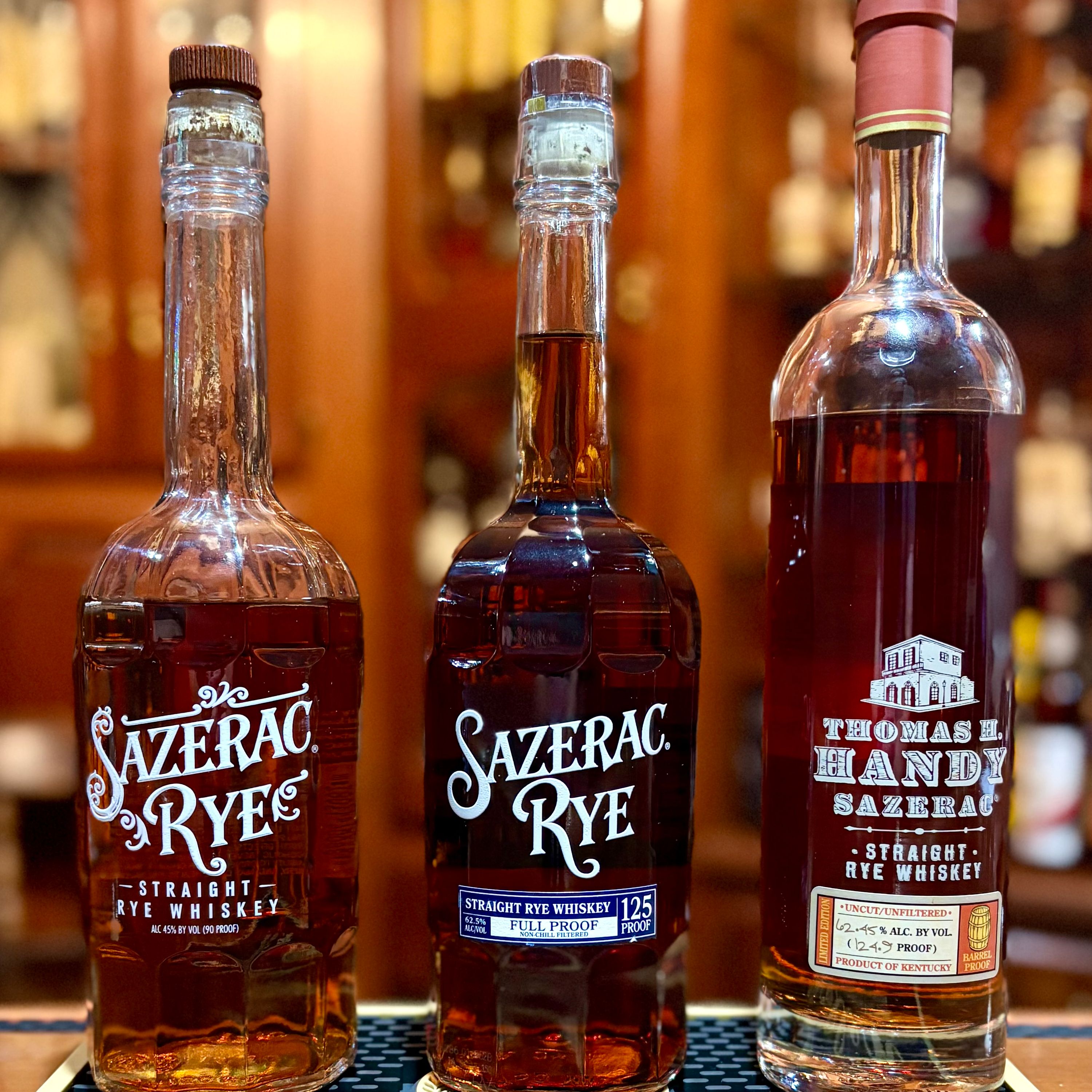
In our recent episode, we had the pleasure of tasting several exceptional rye whiskeys, including the iconic Sazerac Rye and the highly sought-after Pappy Van Winkle's Family Reserve 18 Year Old Rye, often referred to as "Handy" by enthusiasts in the context of the Pappy Van Winkle line-up. These expressions offered a fantastic opportunity to illustrate the diverse spectrum of rye whiskey. Sazerac Rye, a classic choice for many, often presents a beautifully balanced profile. It typically showcases that signature rye spice, but it’s often accompanied by brighter notes of citrus zest, dried fruit like raisins, and a subtle hint of mint. On the palate, it can offer a rich, almost chewy texture with a lingering finish that’s both spicy and slightly sweet.
Handy, on the other hand, often represents a more mature and complex rye experience. Being an older, often higher-proof rye (in its standalone expression as part of the Buffalo Trace Antique Collection, it's a full-proof bottling, but the Pappy Van Winkle's 18 Year Rye shares some lineage and characteristic notes with the general Pappy rye family), it tends to exhibit deeper, richer flavors. We noted in the episode the potential for notes of dark chocolate, dried cherries, and a more profound oak influence, along with that quintessential rye spice, but often smoothed out and integrated by years of maturation. The interplay of these elements – the spice, the fruit, the oak, and the occasional unexpected note like tobacco or leather in older expressions – is what makes tasting these different ryes so rewarding. Each bottle tells a story of its mash bill, its distillation, and its long slumber in the barrel, providing a unique sensory narrative that we encourage our listeners to explore and share.
The Impact of Proof: How Dilution Affects Richness and Sweetness
Proof, which refers to the alcohol by volume (ABV) percentage of a spirit, is a critical factor in how we perceive its flavors and aromas. When a whiskey is bottled at a higher proof, often referred to as "full proof" or "cask strength," it means less water has been added after aging. This results in a more intense, concentrated flavor profile. The spice notes in a high-proof rye will often be more pronounced, and the inherent sweetness of the grain and wood sugars will be more readily apparent. The texture of the whiskey on the palate also tends to be richer and more viscous, offering a fuller mouthfeel.
Conversely, when a whiskey is bottled at a lower proof, typically 80 proof (40% ABV) or 90 proof (45% ABV) for many standard releases, water has been added to dilute the spirit. While this makes the whiskey more accessible and less intimidating for some drinkers, it also tends to mute some of the intensity. As we discussed in the episode, it can feel as though the dilution "waters down" not just the alcohol, but also the richness and the sweetness of the spirit. The spice might be less assertive, and the nuanced fruity and floral notes might be less distinct. However, lower proof can also make a whiskey smoother and more approachable, and for some, it can actually highlight specific flavor components by reducing the overwhelming sensation of alcohol. The ideal proof is ultimately a matter of personal preference, but understanding its impact allows you to better appreciate why two seemingly similar ryes can taste so different.
Rye's Evolving Palate: Embracing Variety and Personal Preference
The world of rye whiskey is constantly evolving, and what was once a niche spirit is now gaining widespread appreciation. This evolution is driven by a renewed interest from both distillers and consumers. Distillers are experimenting with new mash bills, aging techniques, and finishing methods, pushing the boundaries of what rye can be. We're seeing more single-grain ryes, heritage grain ryes, and ryes finished in ex-wine or ex-cognac barrels, all contributing to a broader spectrum of flavors.
On the consumer side, there's a growing willingness to explore beyond the familiar. While some may have once shied away from rye due to its perceived boldness, the increasing availability of well-crafted, diverse rye options is changing perceptions. As we noted, there's a real expansion in terms of who's willing to drink what, and a growing appreciation for the nuances that each rye expression offers. This is a fantastic development for any whiskey lover. It means more choices, more discoveries, and the opportunity to find a rye that perfectly suits your palate. Whether you prefer a bright, spicy rye for a classic cocktail, a rich, aged rye to sip neat, or something that bridges the gap with unexpected fruity or floral notes, there's a rye out there for you. Embrace the adventure, try new things, and don't be afraid to form your own opinions.
Conclusion: Finding Your Perfect Rye Adventure
Our exploration into the aromatic and flavorful world of rye whiskey, inspired by our latest episode, "Handy, Sazerac, and Full Proof Oh My! Buffalo Trace Rye Mashbill; Ep. 17", has hopefully demystified some of the complexities and opened your eyes to the incredible diversity within this spirit category. From the foundational spice of the rye grain to the delicate whispers of fruit and floral notes, the journey from mash bill to barrel profoundly shapes each unique expression. Understanding how production methods and proof levels influence taste empowers you to not only appreciate the intricacies but also to make informed choices in your own whiskey journey.
Remember, the "best" rye is the one that brings you the most enjoyment. Don't be discouraged if a particular rye doesn't immediately resonate with you; there are countless others waiting to be discovered. We encourage you to revisit the tasting notes discussed in the episode, experiment with different brands and styles, and most importantly, savor the experience. The world of rye whiskey is an exciting and ever-expanding landscape, full of delightful surprises. So, continue your tasting adventure, and may you always find a dram that perfectly complements your palate and your moment. Cheers!
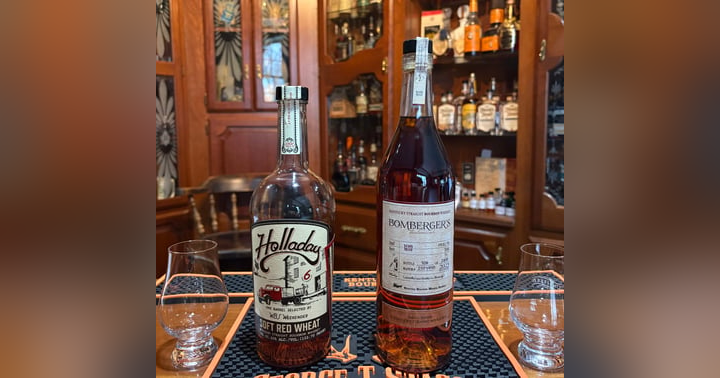
Diving Deep into Bomberger's 2025 Release: What to Expect