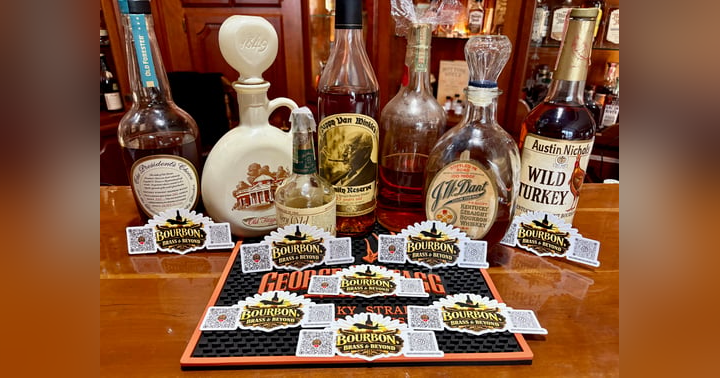
Beyond the Bottle: The Rich History and Craft Behind Buffalo Trace Bourbons
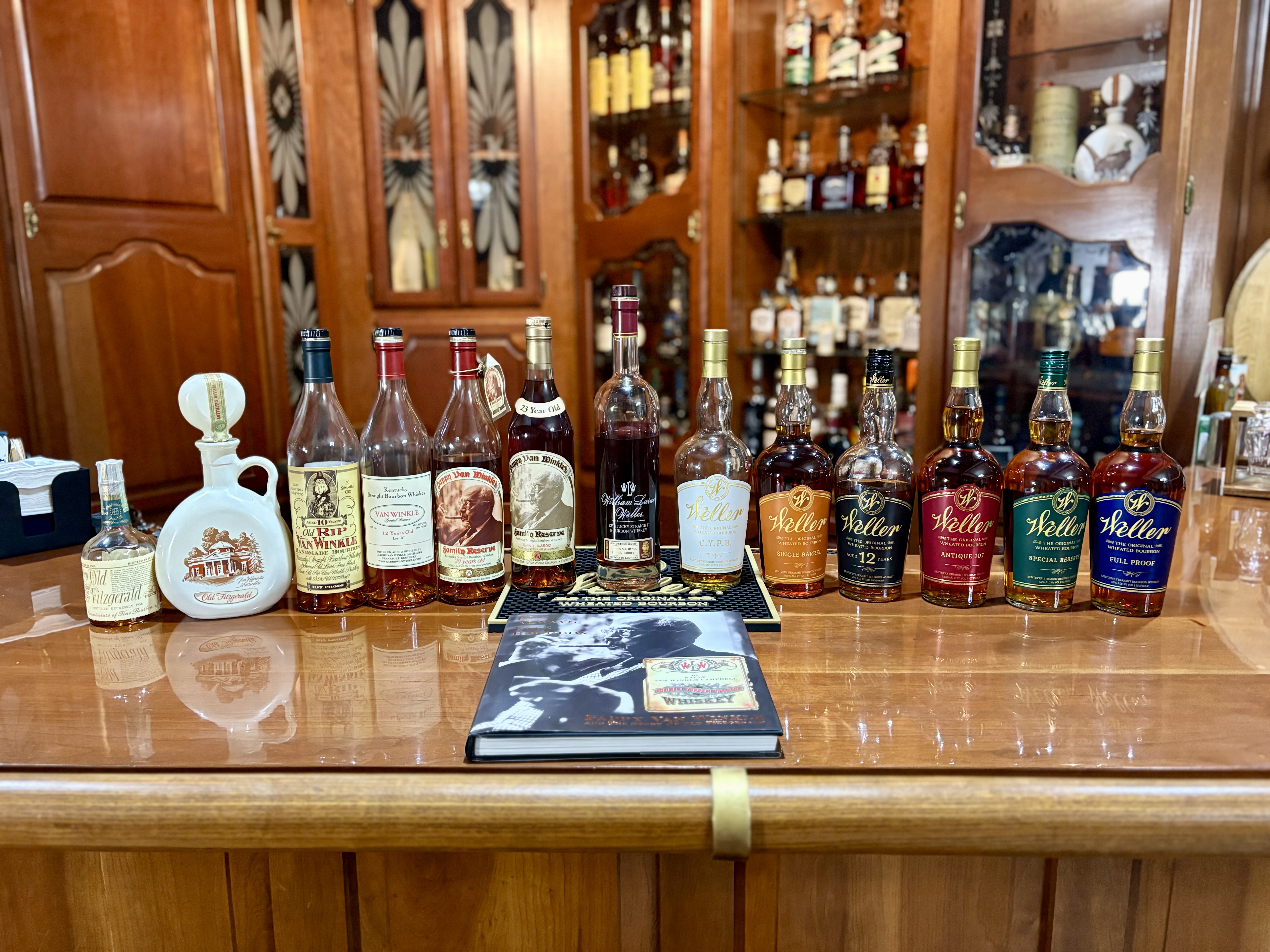
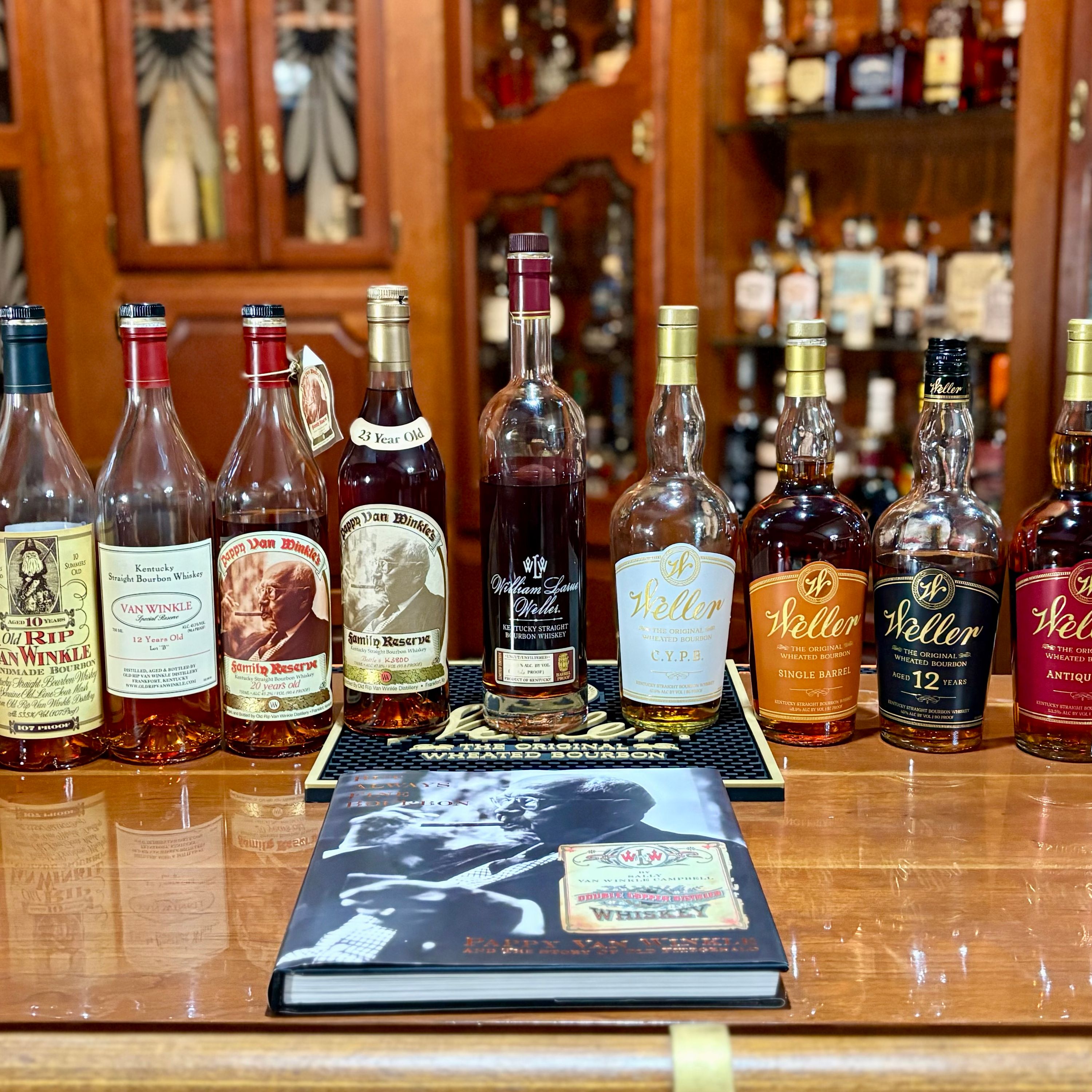
Welcome back to the blog, fellow spirits enthusiasts! In our latest episode, Pappy & Weller: Buffalo Trace Wheated Mashbill; Ep. 16, we dove deep into the captivating world of Buffalo Trace Distillery's iconic wheated bourbons, specifically touching on brands like Weller and the legendary Pappy Van Winkle. It was a lively discussion filled with tasting notes, personal anecdotes, and a shared appreciation for the craftsmanship that goes into these sought-after bottles. This blog post is an extension of that conversation, a chance to further explore the rich heritage of Buffalo Trace and the meticulous processes that elevate their bourbons from mere spirits to liquid gold. So, grab a glass and join me as we go beyond the label and into the heart of what makes these bourbons so special.
The Legacy of Buffalo Trace Distillery
Before we can truly appreciate the bourbons themselves, it's essential to understand the storied past of the distillery that brings them to life. Buffalo Trace Distillery, located in Frankfort, Kentucky, boasts a history that stretches back to the late 18th century. Its origins are intertwined with the very beginnings of American whiskey production, with Silas Merry and Edmund H. Taylor Jr. playing pivotal roles in its evolution. The distillery has operated under various names throughout its existence, including the O.F.C. Distillery, Ancient Age Distillery, and the much-revered George T. Stagg Distillery. This rich tapestry of ownership and branding speaks to a continuous commitment to quality and innovation, even through tumultuous times in the American spirit industry.
What sets Buffalo Trace apart is its unwavering dedication to preserving traditional bourbon-making methods while embracing advancements. They are one of the few distilleries that still operate their own cooperage, meaning they craft their own barrels. This level of vertical integration allows for unparalleled control over the aging process, from the type of wood used to the char level of the barrel. Each barrel is a crucial element in imparting flavor and character to the bourbon, and Buffalo Trace understands this intimately. Their dedication to aging bourbons for extended periods in their expansive warehouses further contributes to the depth and complexity found in their products.
The distillery's location on the banks of the Kentucky River is no accident. The pure limestone-filtered water is a critical component in the mash bill, providing a clean and pure base for the fermentation process. This natural resource, combined with the Kentucky climate that facilitates efficient barrel aging, creates an ideal environment for bourbon production. Over the centuries, Buffalo Trace has weathered floods, droughts, and the Prohibition era, emerging each time with a renewed focus on crafting exceptional bourbon. This resilience and commitment to their craft are woven into the very fabric of the distillery, a legacy that is tasted in every sip of their offerings.
The Art of the Wheated Mash Bill: The Heart of Weller and Pappy
One of the defining characteristics of bourbons from Buffalo Trace, particularly the Weller and Pappy Van Winkle lines, is their use of a "wheated" mash bill. To understand this, we first need to consider what a mash bill is. In bourbon production, the mash bill dictates the primary grains used in the whiskey's creation. The legal definition of bourbon requires at least 51% corn. The remaining percentage is typically made up of malted barley and another grain, commonly rye. Rye, with its spicy and assertive character, is a popular choice for many distilleries, contributing a distinct kick to the final product.
However, Buffalo Trace takes a different path for its wheated bourbons. Instead of rye, they use wheat as the secondary grain. Wheat is a softer, more delicate grain than rye. When used in the mash bill, it imparts a noticeably smoother, sweeter, and more approachable flavor profile. This is often described as a "velvety" or "silky" texture on the palate. The malted barley, as always, is essential for its enzymatic properties, converting starches into fermentable sugars.
The art of the wheated mash bill lies in the balance. While wheat contributes to smoothness, it doesn't offer the same complexity or spice that rye provides. Buffalo Trace master distillers have honed their craft over decades to ensure that their wheated bourbons achieve a remarkable depth of flavor and character despite the absence of rye. This often involves longer aging periods and careful selection of barrels to build layers of sweetness, fruit, and oak notes. The result is a bourbon that is both incredibly drinkable and complex, appealing to a wide range of palates. It's a testament to the distiller's skill that they can coax such incredible flavors from this seemingly simpler grain combination.
Weller: A Tale of Two Styles (and Many Bottles)
W.L. Weller is arguably the most well-known brand that showcases Buffalo Trace's mastery of the wheated mash bill. The story of Weller is one of innovation and adaptation. Originally a medicinal whiskey, the brand has evolved into a highly coveted line of bourbons, each with its own distinct personality. The core of the Weller line is built upon the wheated mash bill, but the variations in proof, age, and bottling techniques create a fascinating spectrum of flavors.
We've seen a resurgence in the popularity of the Weller line in recent years, leading to increased demand and a heightened sense of scarcity for some releases. This has, unfortunately, contributed to a secondary market where prices can far exceed retail. However, understanding the nuances between the different Weller expressions is key to appreciating their true value.
Let's touch on a few of the commonly encountered Weller expressions:
- Weller Special Reserve: This is often the most accessible Weller on the market. It's a no-age-statement bourbon that offers a gentle introduction to the wheated profile. Expect notes of vanilla, caramel, and a pleasant sweetness, with a soft finish.
- Weller Antique 107: Bottled at a higher proof (107 proof), Weller Antique offers a bolder experience. The increased proof amplifies the sweetness and adds a touch more oak influence. It's richer and more viscous than Special Reserve, with notes of cherry and cinnamon alongside the classic vanilla and caramel.
- Weller Full Proof: As the name suggests, this expression is bottled at its original proof from the barrel, typically around 125 proof. This higher proof brings a significant punch and intensity to the palate. The wheated character still shines through, but it's accompanied by a more pronounced oak presence and a lingering sweetness that balances the heat.
- Weller 12 Year Old: This is a truly exceptional bottling, representing a significant step up in age and complexity. The extra time in the barrel allows for a more integrated and refined flavor profile. Expect deeper notes of dark fruit, toasted nuts, and a beautiful oak spice, all harmonizing with the signature wheated sweetness.
- Weller C.Y.P.B. (Craft Your Perfect Bourbon): This was a unique, crowd-sourced expression where fans voted on the mash bill and aging preferences. While it's less common now, it represented a fascinating experiment in consumer engagement and further exploration of the wheated mash bill.
- Weller Single Barrel: When available, these single barrel selections offer a unique snapshot of the wheated mash bill from a specific barrel. The flavor profile can vary significantly, but they generally showcase the smooth, sweet characteristics with added layers of complexity based on the individual barrel's maturation.
Each of these Weller expressions, despite their differences, shares that unmistakable DNA of the wheated mash bill. They are designed to be approachable, smooth, and incredibly enjoyable, a testament to the artistry of Buffalo Trace's distillers.
Pappy Van Winkle: The Legend and the Lore
When the conversation turns to Buffalo Trace's wheated bourbons, it's impossible to avoid mentioning the legend of Pappy Van Winkle. The Pappy Van Winkle line, particularly the older age-stated expressions like the 15, 20, and 23 Year Old, has achieved near-mythical status in the bourbon world. Their rarity and astronomical resale prices have created a fervor that extends far beyond the typical whiskey enthusiast.
The story of Pappy Van Winkle is rooted in family legacy. Julian Van Winkle Sr. inherited the Stitzel-Weller distillery and its famous wheated bourbon recipe, which he famously produced as Old Rip Van Winkle. After his passing, his son, Julian Van Winkle Jr., continued the tradition, and later, his grandson, Julian Van Winkle III, took the reins. Buffalo Trace Distillery began distilling for the Van Winkle family in the late 1990s, and the aged barrels from the Stitzel-Weller distillery, coupled with Buffalo Trace's own wheated bourbon production, formed the foundation for the Pappy Van Winkle bourbons we know today.
The allure of Pappy Van Winkle stems from several factors. Firstly, the exceptionally long aging periods for the older expressions. Spending two decades or more in oak barrels allows for an incredible integration of flavors. The harshness of the young spirit mellows, and the influence of the oak becomes deeply ingrained, imparting notes of dark chocolate, leather, tobacco, and complex fruit. Secondly, the limited production. The Stitzel-Weller distillery closed in 1992, meaning the supply of that original bourbon is finite. Buffalo Trace continues to produce its own wheated bourbon, but the age statements on the older Pappys are a direct link to that historical stock.
Finally, there's the "lore" that surrounds Pappy. The incredible difficulty in acquiring a bottle, the stories of people waiting in line for hours or paying exorbitant sums, all contribute to its almost cult-like following. It's a bourbon that has transcended its liquid form to become a cultural phenomenon. While the hype is undeniable, it's important to remember that beneath the legend lies an exceptionally well-crafted bourbon that, in its younger years, shares much of the same DNA as the more accessible Weller line.
Beyond the Hype: What Makes These Bourbons So Special?
We've touched on the history, the mash bill, and the legendary status of these bourbons. But what truly sets them apart? It's a combination of factors that, when brought together, create something truly remarkable.
The Wheated Mash Bill: As discussed, the use of wheat instead of rye creates a distinctively smooth and sweet profile. This isn't about being "less complex" but about a different kind of complexity. The sweetness from the wheat offers a foundation for other flavors to build upon, creating a luxurious mouthfeel and an approachable drinking experience. It's a deliberate choice that results in a bourbon that is both refined and comforting.
Aging and Maturation: Buffalo Trace's commitment to extended aging is crucial. The Kentucky climate, with its dramatic temperature fluctuations, causes the bourbon in the barrel to expand and contract, allowing it to interact more deeply with the wood. For bourbons like Pappy Van Winkle, the decades spent in the barrel allow for an unparalleled extraction of oak tannins, vanillins, and other compounds that contribute to the rich, dark, and complex flavor profiles. The careful management of their rickhouses, ensuring optimal airflow and temperature, plays a significant role in this maturation process.
Distiller's Craftsmanship: At the end of the day, it all comes down to the skill and dedication of the people at Buffalo Trace. From the master distillers who formulate the mash bills and oversee the distillation process to the warehousemen who meticulously monitor the aging barrels, there is an artistry involved that cannot be replicated. They understand the subtle nuances of their grains, the impact of the oak, and the influence of time. This deep understanding and respect for the craft are what allow them to consistently produce bourbons of such high quality.
The Balance of Sweetness and Spice (or Lack Thereof): While Pappy and Weller lack the spice of rye, they achieve balance in other ways. The sweetness from the wheat is often complemented by notes of fruit, caramel, and vanilla. As the bourbon ages, oak influence brings in notes of leather, tobacco, and darker fruit. The distiller's skill lies in ensuring that these flavors are not cloying but are instead integrated into a harmonious whole. Even at higher proofs, the wheated bourbons remain remarkably smooth, a testament to this careful balancing act.
Tasting Notes and Experiences: What We Loved
In our episode, we had the pleasure of tasting through several of these fantastic bourbons. The subjective nature of tasting is what makes these discussions so engaging. What one person finds to be a dominant note, another might only perceive as a subtle undertone. However, some common threads emerged:
For the Weller expressions, the overarching theme was accessibility and approachability. The Special Reserve was noted for its easy-drinking nature, a perfect gateway into the wheated profile. The Antique 107 provided a bit more depth and a pleasant warmth, showcasing how a higher proof can enhance the existing flavors. The Full Proof was a revelation for many, demonstrating that despite its potency, the wheated character still managed to shine through with remarkable clarity. The 12 Year Old, when tasted, was universally praised for its elegance and complexity, a testament to patient aging.
When it came to Pappy Van Winkle, the sheer age and maturation were evident. The discussions often revolved around the incredible depth of flavor, the silky texture, and the long, lingering finish. Notes of dark chocolate, dried fruit, leather, and a gentle oak spice were frequently mentioned. The consensus was that these bourbons offer an experience that is both luxurious and deeply satisfying. As Bob mentioned on the show, "The nose on this is out of this world crazy good," a sentiment echoed by many who have had the pleasure of experiencing these aged treasures.
It's also worth noting the camaraderie and lighthearted banter that always accompanies our tastings. The shared appreciation for these bourbons, the friendly debates about preferences, and the overall enjoyment of the experience are as much a part of the ritual as the tasting itself. The phrase "It's an easy sipper, high quality, something you can drink all day" perfectly captures the essence of what many seek in a great bourbon, and the Weller line, in particular, often fits this description for many.
Ultimately, what we loved was the story behind each bottle, the dedication to craft, and the sheer pleasure of experiencing something so well-made. It’s a reminder that good bourbon is not just about the alcohol content or the price tag; it's about the heritage, the process, and the sensory journey it provides.
Conclusion: More Than Just a Bottle
As we wrap up this deep dive into the history and craft behind Buffalo Trace's wheated bourbons, it's clear that these spirits are far more than just what's inside the bottle. They are a culmination of centuries of tradition, innovation, and an unwavering commitment to quality. From the rolling hills of Kentucky to the meticulous processes in their distilleries, every step contributes to the unique character of bourbons like Weller and Pappy Van Winkle.
In our episode, Pappy & Weller: Buffalo Trace Wheated Mashbill; Ep. 16, we explored the immediate sensory experience of these bourbons, the delightful notes that dance on the palate, and the personal preferences that make each tasting unique. This blog post has aimed to provide the context, the history, and the deeper appreciation for the craftsmanship that underlies those tasting notes. It's about understanding the "why" behind the "what."
Whether you're a seasoned bourbon aficionado or just beginning your journey, the bourbons from Buffalo Trace offer a fascinating glimpse into the art of American whiskey making. They represent a perfect blend of approachable sweetness and profound complexity, a testament to the enduring legacy of a distillery that consistently strives for excellence. So, the next time you have the opportunity to savor a Weller or dream of a Pappy, remember the rich history and the dedicated craft that went into creating that remarkable bottle. Cheers!

Pilot / Dad / Trumpeter / Contract Negotiator / Martial Artist
In his 26th year as an airline pilot, Dan resides in Youngstown, Ohio with his high school sweetheart Stephanie. Combined they have 5 kids (teenagers...). They enjoy travel as a family, and as a couple. Dan has had a bourbon affinity since smelling his Grandfather's JW Dant and Grapefruit soda as a kid. Dan started collecting bourbon in 2015. He has been actively involved in Martial Arts since he was a kid and has Black Belts in two different styles. Dan still plays trumpet. Originally he went to college for music at Ohio University, but after his sophomore year decided he would much rather spend 3 hours in an airplane instead of a practice room. He still helps teach high school band camps, and has assisted with 5th and 6th grade Trumpet, Low Brass, and Percussion. Dan has been a Pilot Union Representative, Contract Negotiator, Merger Specialist, and Contract Compliance Administrator for over 20 years. Dan received the President's Lifetime Achievement Volunteer Service Award in 2024.
Diving Deep into Bomberger's 2025 Release: What to Expect