Beyond Bubblegum: Deconstructing the Unexpected Flavors of 80-Year-Old Bourbon
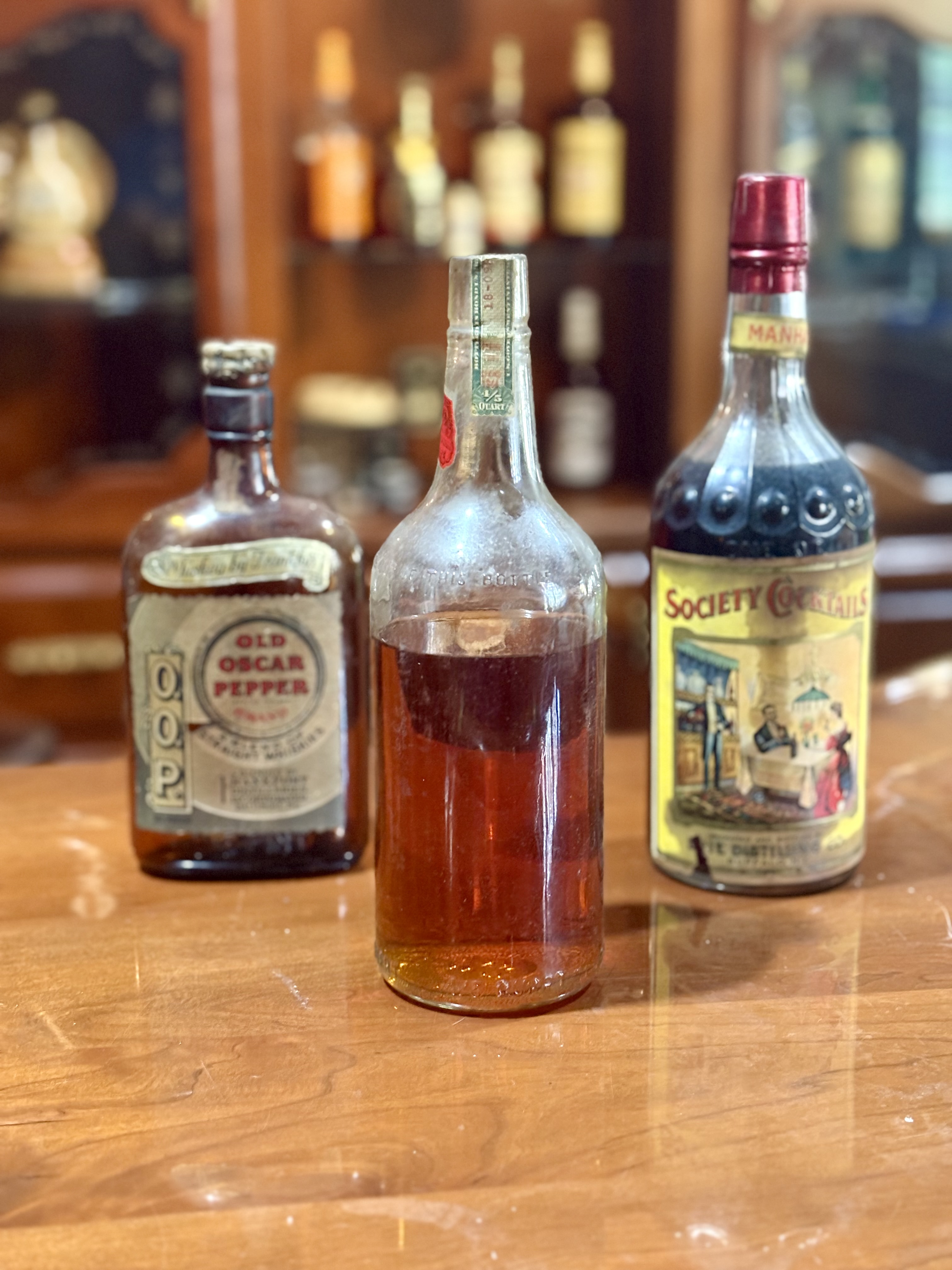
Welcome back to the blog, fellow enthusiasts of all things spirited! In our latest episode, Episode 8: Old Dusty 1944 Old Crow, we embarked on a truly remarkable journey through time, uncorking a bottle of 1944 Old Crow bourbon. The experience was, to put it mildly, eye-opening. The tasting notes we encountered were far from the typical profiles we might expect from even a well-aged modern bourbon. Instead, we found ourselves marveling at surprising hints of bubble gum intertwined with a distinct rye character. This post is dedicated to deconstructing that very phenomenon: how can an 80-year-old spirit develop such complex and utterly unexpected flavor profiles? We'll dive deep into the science and art of aging, compare vintage bourbons to their modern counterparts, and explore the rich historical context that shaped this particular dram.
The Unexpected Palate: Tasting the 1944 Old Crow
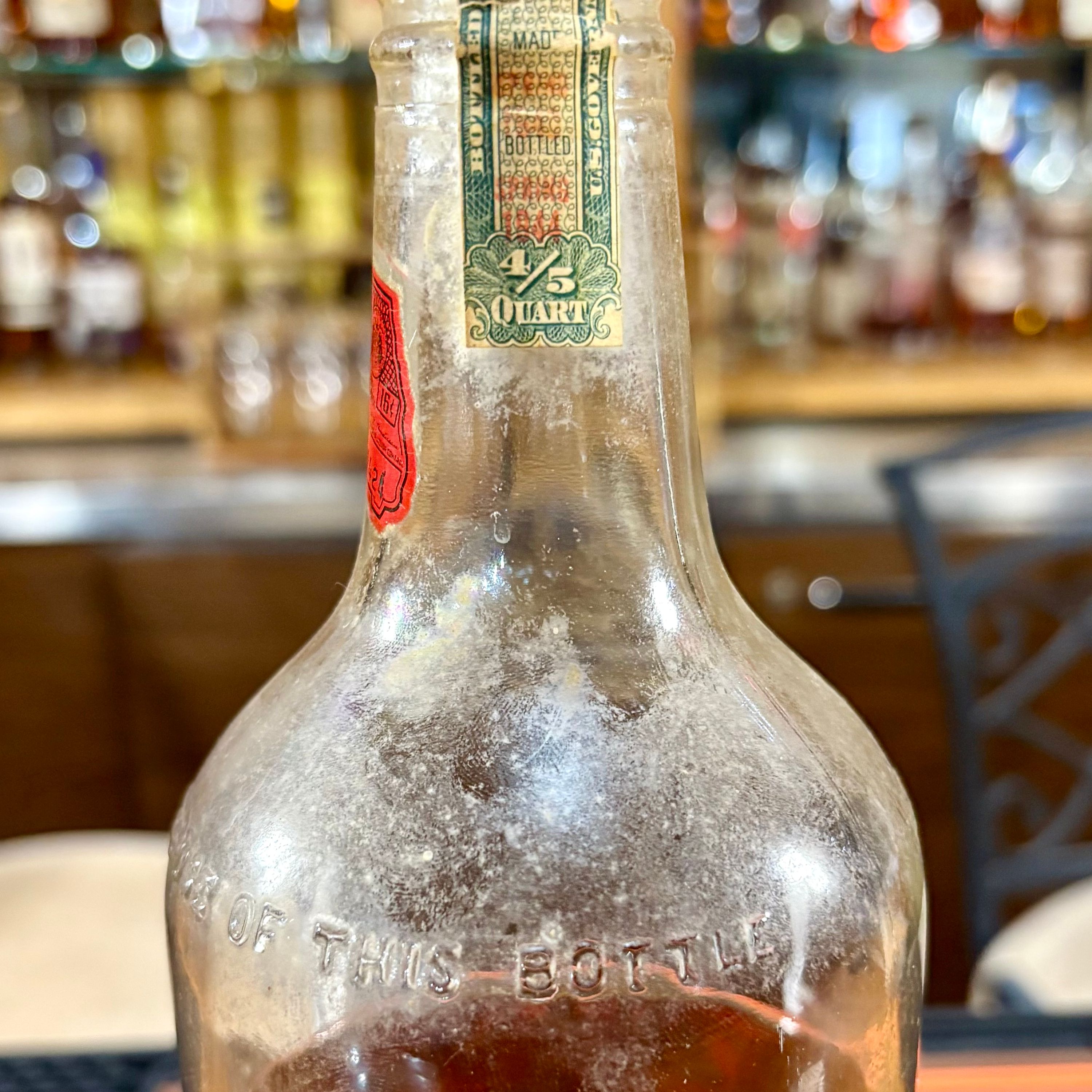
Let's start by revisiting the star of our recent episode: the 1944 Old Crow. The initial impression upon opening this vintage bottle was one of reverence. The tax strip, a tangible link to a bygone era, indicated a tax of a mere 16 cents, a stark reminder of the economic realities of post-Prohibition America. But beyond the historical artifacts, it was the liquid itself that commanded our attention. The aroma was complex, hinting at a sweetness that was both familiar and strangely novel. Upon the first sip, the experience intensified. There was an undeniable, almost childlike sweetness that brought to mind bubble gum. This was immediately followed by a pronounced spicy rye note, reminiscent of fresh rye bread. This wasn't the aggressive, almost medicinal rye we sometimes encounter in modern high-rye bourbons. Instead, it was a more nuanced, integrated spice that complemented the sweetness beautifully. The ethanol was present, of course, but remarkably well-integrated, not the harsh burn that can sometimes plague younger spirits. It was a testament to the power of time, allowing the harsh edges to soften and the more delicate notes to emerge. The overall impression was one of elegance and a surprising lightness for its age, a far cry from some of the heavier, oak-dominant profiles one might anticipate from an 80-year-old spirit. It truly was a treat, a liquid time capsule that offered a sensory experience unlike any other.
Deconstructing the 'Bubblegum and Rye' Phenomenon
Now, let's tackle the most intriguing aspect of our tasting: the "bubble gum and rye" combination. For many, bubble gum in a bourbon tasting note conjures images of artificiality, of something young and perhaps poorly made. However, in the context of this vintage Old Crow, it was anything but. This perceived bubble gum note is likely a result of specific ester compounds that develop over extended periods of aging. Esters are flavor compounds produced during fermentation, and while some are volatile and dissipate with age, others can react with the wood of the barrel and the air, transforming into new, more complex aromas and flavors. Certain esters are known to impart fruity or floral notes, and it's not entirely outside the realm of possibility that a specific combination, under the right aging conditions, could manifest as something akin to bubble gum. It's important to remember that our palates are trained on modern flavor profiles. What we perceive as "bubble gum" might be a highly concentrated, evolved form of fruitiness that our brains are attempting to categorize based on familiar associations. It’s a testament to the spirit's complexity that it can evoke such a surprising, yet evocative, descriptor.
The rye component is more straightforward, yet equally fascinating in its expression. The inclusion of rye in bourbon mash bills is, of course, common, particularly in high-rye recipes which contribute spice and complexity. However, the manner in which this rye manifested in the 1944 Old Crow was distinct. It was not an aggressive, overwhelming spice but rather a sophisticated integration. Over decades in the barrel, the harsh, pungent notes of young rye would have mellowed considerably. The wood would have acted as a filter and a mediator, softening the spice and allowing its more nuanced characteristics to shine. Think of it less as the sharp bite of a freshly cut stalk and more like the warm, comforting aroma of baked rye bread, imbued with a subtle sweetness. This interplay between the transformed fruity esters and the mellowed rye spice created a harmonious and unexpectedly delightful profile. It demonstrates that the perception of flavor is not just about what is present, but how those components have evolved and interacted over an extended period.
The Magic of Time: How Aging Develops Complex Flavors
The primary driver behind these unexpected flavor profiles is, undeniably, time. Aging a spirit like bourbon is not simply a passive process of letting it sit in a barrel. It's a dynamic chemical and physical transformation. The charred oak barrel is a treasure trove of compounds that interact with the spirit. As the bourbon ages, it undergoes a series of crucial changes:
Extraction of Wood Compounds
The charred oak is a source of numerous compounds, including vanillin (responsible for vanilla notes), lignin (which breaks down into various aromatic compounds, including some fruity and spicy ones), and tannins (which contribute to mouthfeel and color). Over decades, these compounds are slowly extracted into the spirit, adding layers of complexity.
Oxidation
As the spirit breathes through the pores of the oak barrel, it interacts with oxygen. This oxidation process can mellow harsh notes, break down larger molecules into smaller, more flavorful ones, and introduce new aromatic compounds. Think of it like decanting a young wine – the exposure to air softens its edges and opens up its flavors.
Evaporation and Concentration
During aging, a portion of the spirit evaporates through the barrel's wood, a phenomenon known as the "angel's share." While this might seem like a loss, it actually leads to a concentration of the remaining flavors and aromas. The less volatile compounds, including many of the flavor-imparting esters and congeners, become more prominent.
Esterification and Other Chemical Reactions
As mentioned earlier, esters are crucial for flavor. During aging, further esterification can occur, where acids react with alcohols to form new esters, creating a wider spectrum of fruity, floral, and even confectionery notes. Other reactions, like aldol condensations, can also contribute to the development of complex flavor compounds.
In the case of our 1944 Old Crow, an 80-year aging period represents a truly extraordinary length of time for bourbon. Most bourbons today are aged for significantly shorter periods. This extended maturation allowed for a profound level of interaction between the spirit and the wood, as well as extensive oxidation and esterification. The result is a spirit that has undergone a near-complete transformation, where the initial character of the new make spirit has been dramatically reshaped into something far more nuanced and complex. The bubble gum and integrated rye notes are testaments to this extended chemical ballet within the barrel.
Then vs. Now: Comparing Vintage Bourbon to Modern Profiles
The contrast between our 1944 Old Crow and the bourbons we typically encounter today is striking. Modern bourbons, while often delicious and incredibly diverse, tend to fall within a more predictable spectrum of flavors, largely dictated by current production methods, mash bills, and aging periods.
Today, bourbons are often characterized by notes of caramel, vanilla, oak, dark fruit (cherries, plums), and sometimes a pronounced spice from rye. High-rye bourbons will indeed offer a noticeable spice, but it's often a more direct, sometimes peppery or cinnamon-like heat. The sweetness in modern bourbons is typically derived from the caramelization of sugars in the wood and the corn in the mash bill, leading to those familiar caramel and vanilla notes.
The 1944 Old Crow, on the other hand, presented a flavor profile that was lighter and, as discussed, possessed a sweetness that our palates interpreted as bubble gum. This suggests a different balance of esters and potentially a less aggressive extraction of certain wood compounds. It’s possible that the barrels used in the 1940s were different, perhaps less heavily charred or made from oak with a slightly different composition. Furthermore, the extended aging means that the oak influence, while present, is incredibly well-integrated. Instead of a dominant oak character, it's a subtle foundation upon which the other flavors are built. The lightness of the profile also suggests that the spirit might have been bottled at a slightly lower proof or that evaporation has led to a more refined, less intense alcohol presence compared to some of today's higher-proof offerings.
The rye in the vintage bourbon was also more subdued and integrated than in many modern high-rye expressions. This suggests that the rye's contribution was more about adding a subtle warmth and complexity rather than a bold, defining spice. It’s a gentler, more whispering rye that has been softened and refined by decades of slumber.
This comparison isn't to say that one is inherently "better" than the other. Modern bourbons are a testament to innovation and evolving palates. However, tasting a vintage spirit like the 1944 Old Crow offers a unique window into a different era of whiskey production and aging, revealing flavor profiles that are simply not replicated today due to changes in technology, regulations, and consumer preferences.
Beyond the Bottle: The Historical Context of Post-Prohibition Bourbon
To truly appreciate the 1944 Old Crow, we must place it within its historical context. The United States had just emerged from the dark days of Prohibition (1920-1933). While the ban was lifted, the whiskey industry was still in its nascent stages of recovery. Distilleries were rebuilding, and producers were navigating a new landscape of regulations and consumer expectations.
Old Crow itself has a rich history, dating back to the mid-19th century, and was known for its lighter, more elegant style. In the post-Prohibition era, the focus was on re-establishing trust and providing a quality product to a thirsty public. The 1944 bottling, barreled in 1939, falls squarely within this period of rebuilding and rediscovery for American whiskey.
The fact that this bottle survived and maintained such remarkable quality is a testament to both the distiller's craft and the storage conditions over the decades. The tax stamp's 16-cent value is a fascinating detail, reflecting the economic realities of the time and the excise taxes levied on spirits. It’s a small artifact that tells a larger story about the cost of whiskey and the government's involvement in its regulation.
The flavors we experienced – the subtle sweetness, the refined rye – might have been precisely what consumers were seeking after years of experiencing potentially inferior or smuggled spirits during Prohibition. A lighter, more approachable bourbon might have been a welcome departure from the harshness that some might have associated with illicit alcohol. The surprising quality we found in this bottle, therefore, is not just a happy accident but a reflection of the industry's dedication to producing good whiskey in the wake of a devastating national experiment.
Conclusion: The Unpredictable Thrill of Vintage Spirits
Our exploration of the 1944 Old Crow in Episode 8: Old Dusty 1944 Old Crow has revealed that the world of aged spirits is far more complex and surprising than we often give it credit for. The unexpected "bubble gum and rye" notes are not anomalies but rather fascinating outcomes of extended aging, chemical transformations, and the unique interaction between spirit and barrel. We’ve seen how time, oxygen, and wood work in concert to break down harshness, concentrate flavors, and create entirely new aromatic compounds.
Comparing this vintage gem to modern bourbons highlights the evolution of the industry and the distinct flavor profiles that can emerge from different eras. It underscores that there isn't a single "correct" way to make bourbon, but rather a spectrum of possibilities shaped by history, tradition, and innovation. Tasting a spirit like this 80-year-old Old Crow is more than just a sensory experience; it's an education. It's a tangible connection to the past, a reminder of the dedication and craft that went into producing it, and a testament to the unpredictable thrill of discovering something truly extraordinary. We hope this deep dive has inspired you to appreciate the nuances of aged spirits and perhaps even to seek out your own vintage treasures. Until next time, keep sipping and keep exploring!

Pilot / Dad / Trumpeter / Contract Negotiator / Martial Artist
In his 26th year as an airline pilot, Dan resides in Youngstown, Ohio with his high school sweetheart Stephanie. Combined they have 5 kids (teenagers...). They enjoy travel as a family, and as a couple. Dan has had a bourbon affinity since smelling his Grandfather's JW Dant and Grapefruit soda as a kid. Dan started collecting bourbon in 2015. He has been actively involved in Martial Arts since he was a kid and has Black Belts in two different styles. Dan still plays trumpet. Originally he went to college for music at Ohio University, but after his sophomore year decided he would much rather spend 3 hours in an airplane instead of a practice room. He still helps teach high school band camps, and has assisted with 5th and 6th grade Trumpet, Low Brass, and Percussion. Dan has been a Pilot Union Representative, Contract Negotiator, Merger Specialist, and Contract Compliance Administrator for over 20 years. Dan received the President's Lifetime Achievement Volunteer Service Award in 2024.
Diving Deep into Bomberger's 2025 Release: What to Expect