A Deep Dive into Old Fitzgerald: More Than Just a Name
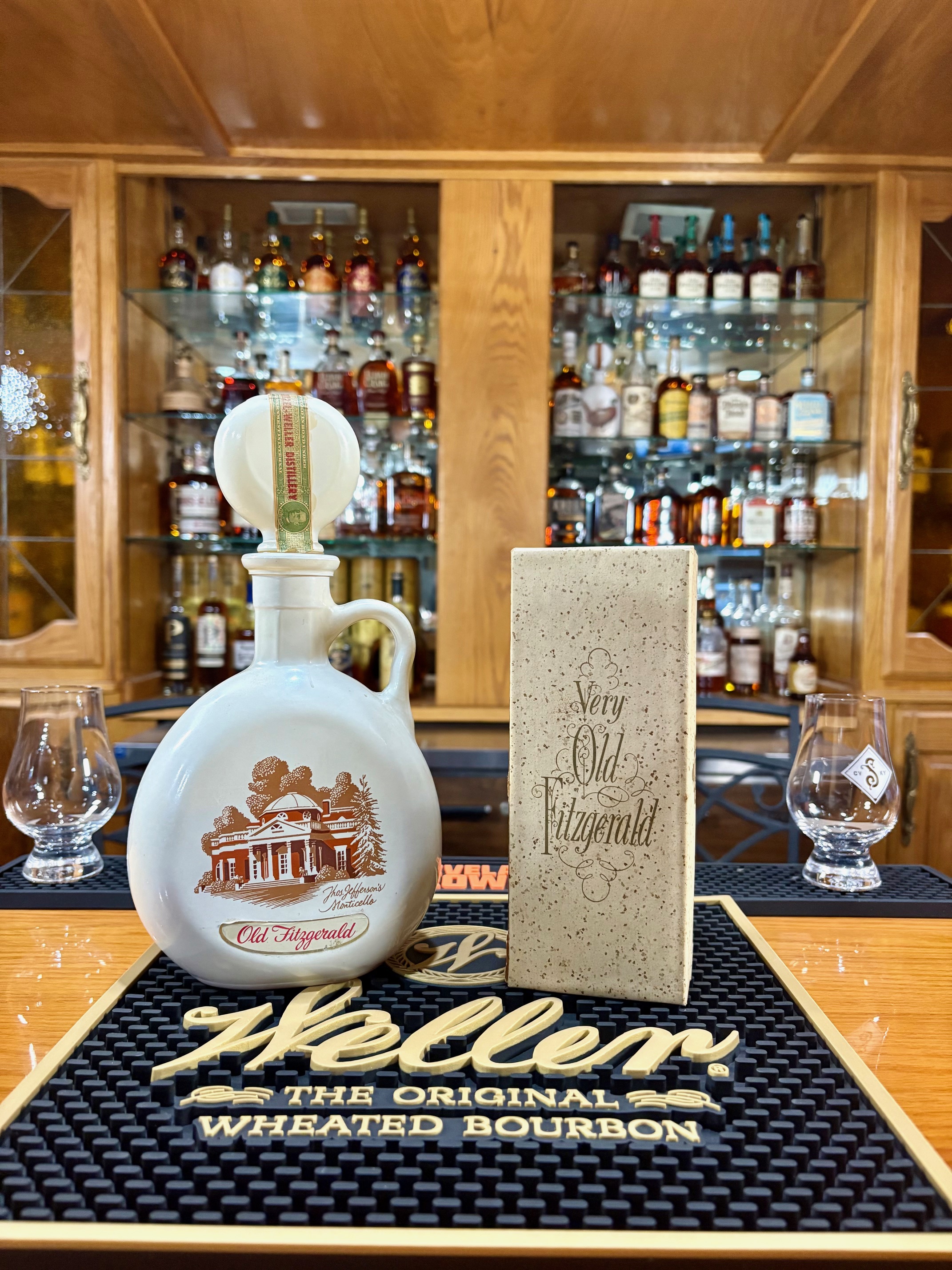
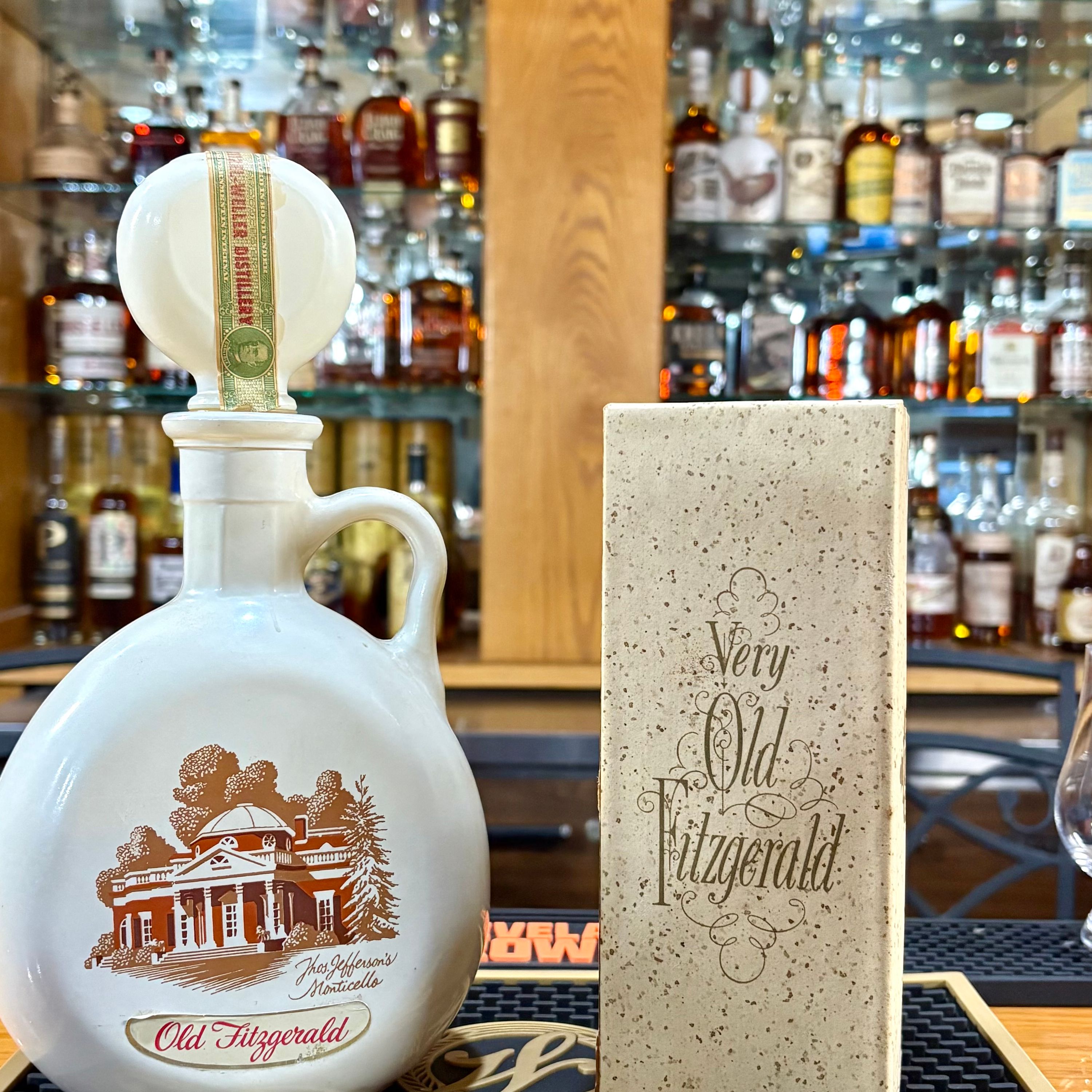
Welcome back to the blog, folks! If you’ve just tuned into our latest episode, Nightcap Episode 4: 1962 Pappy's (Very) Old Fitzgerald, you're in for a treat. We spent some quality time exploring the legendary Old Fitzgerald bourbon, and in this post, we're going to expand on that conversation, diving even deeper into what makes this particular spirit so significant. It's not just a name on a bottle; it's a story, a legacy, and a flavor experience that has captivated bourbon enthusiasts for generations. We'll trace its historical footsteps, dissect its remarkable flavor profiles, and ponder what it is that elevates Old Fitzgerald to such an esteemed position in the pantheon of American whiskeys. So grab your favorite dram, settle in, and let's get started on this journey into the heart of Old Fitzgerald.
The History and Legacy of Old Fitzgerald: A Bourbon Icon
To truly understand Old Fitzgerald, we must first acknowledge its rich and storied past. The name itself evokes a certain reverence among bourbon aficionados, and for good reason. Its origins can be traced back to the mid-19th century, a time when bourbon was rapidly cementing its identity as America's native spirit. While exact founding dates can sometimes be a murky affair in the world of spirits, Old Fitzgerald is widely believed to have been introduced around 1870 by a gentleman named Charles Fitzgerald. However, the brand’s true ascent to legendary status began under the stewardship of Julian P. Van Winkle, Sr., often revered as "Pappy."
Pappy Van Winkle was a visionary, and his acquisition and subsequent branding of Old Fitzgerald were pivotal. He understood the importance of quality, consistency, and marketing. Under his guidance, Old Fitzgerald became synonymous with premium bourbon, often marketed as "The Most Famous Bottled in Bond Bourbon in America." The Bottled-in-Bond Act of 1897 was a significant piece of legislation that guaranteed a certain standard of quality and authenticity for bourbon. A spirit labeled "Bottled-in-Bond" had to be the product of a single distillery, from a single distilling season, aged in a federally bonded warehouse for at least four years, and bottled at precisely 100 proof. This designation was a mark of trust and excellence, and Pappy Van Winkle leveraged it to position Old Fitzgerald as the pinnacle of this standard. He understood that consumers wanted assurance, and the Bottled-in-Bond label provided just that.
The Van Winkle family's involvement with Old Fitzgerald is a tale in itself. After Pappy's passing, his son, Julian Van Winkle, Jr., took the reins, continuing the legacy. Then, later generations, including the inimitable Julian Van Winkle III, carried the torch, albeit with shifts in production and ownership over the decades. The brand has seen various owners, from Schenley Distillers to Norton Simon, and eventually to Diageo. Today, the Old Fitzgerald brand is owned by Heaven Hill Distillery, which has been instrumental in reviving and reintroducing these iconic bourbons to the market. This continuity, even through changes in ownership, speaks to the enduring appeal and intrinsic value of the Old Fitzgerald name and the whiskey it represents.
The legacy of Old Fitzgerald isn't just about its age or its pedigree; it's about its consistent commitment to a certain style and quality. While the specific mash bill and distillation processes might have evolved under different owners, the core identity of Old Fitzgerald has always been that of a well-aged, flavorful, and often rich bourbon. It’s a bourbon that has weathered economic downturns, Prohibition, and numerous industry shifts, always managing to retain its place in the hearts of discerning drinkers. This resilience is a testament to the fundamental quality of the whiskey itself, a quality that has been recognized and cherished by bourbon lovers across generations. The very mention of "Old Fitz" conjures images of classic bourbon heritage, a spirit that embodies the romance and tradition of the American South.
From the Bottle to the Palate: Tasting Notes and Flavor Profiles
Now, let's get to the good stuff: what does Old Fitzgerald actually taste like? This is where the true magic lies, and where we can begin to understand why it commands such respect. While specific bottlings, especially vintage ones, will have their own unique characteristics, there are common threads that weave through the Old Fitzgerald profile. Generally, Old Fitzgerald bourbons are known for their richness, depth, and complexity. They often possess a fuller body and a more pronounced sweetness than some other bourbons, attributed in part to the likely presence of wheat in their mash bill. Many Old Fitzgerald bourbons are classified as "wheated bourbons," meaning they use wheat as the secondary grain instead of rye. This substitution tends to result in a softer, sweeter, and more rounded flavor profile, with less of the spicy, peppery notes that rye can impart.
When you nose an Old Fitzgerald, you're often greeted with an inviting bouquet of caramel, vanilla, and toffee. Depending on the age and proof, you might also detect notes of oak, dark fruit like cherry or fig, and perhaps even a hint of baking spice, like cinnamon or nutmeg. There’s a warmth and sweetness that promises a delightful drinking experience. The aroma is often described as luxurious and inviting, hinting at the complexity that awaits on the palate.
The first sip of Old Fitzgerald is typically where its reputation is truly made. Expect a velvety, often surprisingly smooth texture, even at higher proofs. The palate echoes the aromas, with prominent notes of sweet caramel and rich vanilla. The influence of the oak barrel aging comes through in flavors of toasted sugar, crème brûlée, and sometimes a touch of dark chocolate. The wheated mash bill contributes to a pleasant sweetness that is never cloying. Instead, it’s a sophisticated sweetness that harmonizes with the other elements. Depending on the specific expression and its age, you might find layers of fruit – dried cherries, apricots, or even a hint of orange zest. The spice, while less pronounced than in a rye-heavy bourbon, is present, often manifesting as a warm cinnamon or clove undertone that adds depth and prevents the sweetness from becoming one-dimensional.
The finish of Old Fitzgerald is usually long and satisfying. It tends to be warm and lingering, with the sweetness evolving into notes of oak, spice, and a pleasant dryness that keeps it from being too heavy. You might find echoes of dark chocolate, tobacco, or even a faint leather note as the finish slowly recedes. The overall impression is one of balance and elegance. It’s a bourbon that invites contemplation, a spirit that rewards patient sipping and encourages you to explore its nuances. Whether it's a younger expression or an older, rarer bottling, the hallmark of Old Fitzgerald is its approachable yet sophisticated flavor profile that appeals to both newcomers and seasoned bourbon connoisseurs.
The Art of Comparison: What Makes Old Fitzgerald Stand Out?
In the vast and ever-expanding world of bourbon, standing out is no small feat. So, what is it about Old Fitzgerald that consistently elevates it above the fray? A large part of its distinction lies in its historical association with the Bottled-in-Bond designation and the Van Winkle legacy, as we've discussed. These elements lend an almost mythical quality to the brand, creating an aura of exclusivity and quality that precedes the actual tasting experience. However, when you strip away the history and focus solely on the liquid, Old Fitzgerald distinguishes itself through its characteristic flavor profile, particularly its wheated bourbon nature.
Compared to many other bourbons on the market that rely on a significant portion of rye in their mash bill, Old Fitzgerald offers a different, often softer, and sweeter drinking experience. While rye-based bourbons are celebrated for their spicy, bold character, wheated bourbons like Old Fitzgerald provide a more mellow, rounded, and fruit-forward profile. This contrast is crucial. For those who find rye bourbons too sharp or aggressively spicy, Old Fitzgerald presents a welcoming alternative. For those who appreciate the complexity that a secondary grain can add, the wheat offers a unique sweetness and body that is distinct.
The age statements also play a significant role. Old Fitzgerald has a history of being released with substantial aging, and this extended maturation allows the flavors to develop beautifully. The oak interacts with the spirit over many years, imparting those rich caramel, vanilla, and toffee notes while mellowing out any harshness. This patient aging process contributes to the smoothness and depth that is so often associated with the brand. When comparing an older, well-aged Old Fitzgerald to a younger bourbon, the difference in complexity, balance, and the sheer integration of flavors is often profound.
Furthermore, the variations in proof that Old Fitzgerald has been released at over the years also contribute to its distinctiveness. From the standard 100-proof Bottled-in-Bond expressions to higher-proof releases and even cask-strength bottlings, each iteration offers a slightly different intensity and character. A higher proof can amplify the oak influence, the sweetness, and the complexity of the spice, while a lower proof might emphasize the smoothness and the delicate nuances of the fruit and vanilla. This spectrum of offerings ensures that there is an Old Fitzgerald to suit a variety of preferences.
Ultimately, what makes Old Fitzgerald stand out is its successful fusion of history, a distinct mash bill, and patient aging, all contributing to a bourbon that is both approachable and deeply complex. It’s a testament to the idea that there isn't just one way to make great bourbon, and that variations in ingredients and process can lead to dramatically different, yet equally rewarding, experiences. It occupies a space in the bourbon landscape that is both classic and comforting, yet always offering something new to discover with each pour.
Beyond the Sip: Bourbon, Memories, and Special Occasions
Our discussion on Old Fitzgerald wouldn't be complete without touching upon the deeper emotional connection many of us have with bourbon, and how spirits like Old Fitzgerald often become intertwined with our most cherished memories and special occasions. As we touched on in our podcast episode, bourbon is more than just an alcoholic beverage; it’s a catalyst for connection, a marker of time, and a vessel for shared experiences. The act of pouring a glass of a particularly special bourbon, like an aged Old Fitzgerald, is often reserved for moments that warrant celebration or reflection.
Think about it: when do you typically break out that bottle that’s been sitting on the shelf for a while? It’s likely for birthdays, anniversaries, holidays, the arrival of a dear friend, or perhaps to toast a significant achievement. These are the moments when the ordinary becomes extraordinary, and the beverage we choose to share can elevate the experience. Old Fitzgerald, with its storied past and its reputation for excellence, naturally fits into this category of "special occasion" spirits. Its name itself evokes a sense of history and tradition, which can add another layer of meaning to the moment.
Moreover, bourbon has a unique ability to evoke memories. The scent of caramel and vanilla, the warmth of the oak, the smooth finish – these sensory experiences can transport us back to other times and places. Perhaps a specific Old Fitzgerald reminds you of a shared drink with your father or grandfather, or a celebration with friends from years past. This is the power of well-crafted spirits. They don't just provide a taste; they unlock a vault of personal history and emotion. The show notes for our recent episode highlighted this beautifully, emphasizing how "savoring memories with bourbon" is a key takeaway. Bourbon tasting is not just about dissecting flavor profiles; it’s about reliving moments and forging new ones.
The social aspect of bourbon cannot be overstated either. Sharing a bottle of Old Fitzgerald with loved ones fosters conversation, encourages storytelling, and deepens bonds. The act of pouring for others, discussing tasting notes, and simply enjoying the company while savoring a fine bourbon creates a communal experience. It’s in these shared moments that the true legacy of a spirit like Old Fitzgerald is perpetuated, not just through its production, but through the human connections it facilitates.
In essence, Old Fitzgerald, and bourbons of its caliber, become more than just a drink. They become part of the narrative of our lives. They are the silent witnesses to our joys, our triumphs, and even our quiet reflections. They are the liquid embodiment of special occasions, adding a touch of elegance and gravitas to the moments that matter most. And that, perhaps, is the most enduring aspect of their allure – their ability to enrich our lives beyond the immediate sensation of taste and aroma.
Conclusion: The Enduring Allure of Old Fitzgerald
As we bring this deep dive into Old Fitzgerald to a close, it's clear that this bourbon is far more than just a name on a label. From its foundational years steeped in American whiskey history, through the influential stewardship of the Van Winkle family, to its modern revival under Heaven Hill, Old Fitzgerald has consistently represented a benchmark of quality and a distinctive flavor profile. Its identity as a wheated bourbon, offering a softer, sweeter, and more rounded experience compared to its rye-heavy counterparts, has cemented its place in the hearts of many enthusiasts.
We explored the rich tapestry of its history, recognizing how the Bottled-in-Bond Act and Pappy Van Winkle's vision helped shape its legendary status. We dissected the tasting notes, appreciating the interplay of caramel, vanilla, oak, and subtle fruit that makes each sip a journey. And we contemplated what truly sets it apart – the marriage of tradition, a unique mash bill, and the patience of aging, all culminating in a bourbon that is both approachable and complex. Finally, we acknowledged the profound connection between bourbon, memories, and the special occasions that mark our lives, highlighting how Old Fitzgerald naturally finds its way into these cherished moments.
Our conversation in Nightcap Episode 4: 1962 Pappy's (Very) Old Fitzgerald was just the beginning, and I hope this blog post has further illuminated why Old Fitzgerald continues to be a celebrated and sought-after bourbon. Its enduring allure lies not just in its taste, but in the stories it tells, the traditions it upholds, and the memories it helps to create. Until next time, keep exploring, keep tasting, and most importantly, keep savoring the moments, one dram at a time.
Pilot / Dad / Trumpeter / Contract Negotiator / Martial Artist
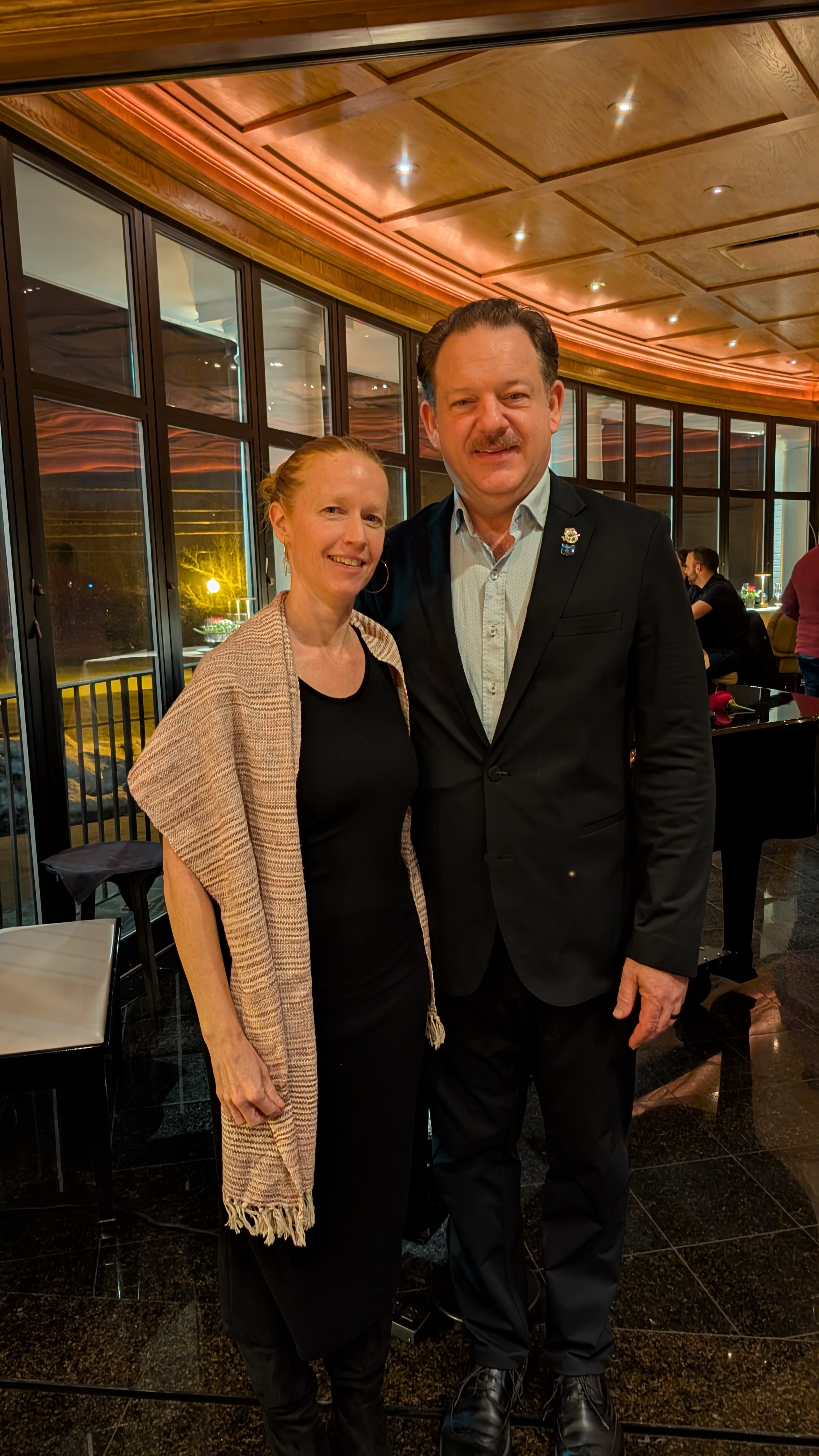
In his 26th year as an airline pilot, Dan resides in Youngstown, Ohio with his high school sweetheart Stephanie. Combined they have 5 kids (teenagers...). They enjoy travel as a family, and as a couple. Dan has had a bourbon affinity since smelling his Grandfather's JW Dant and Grapefruit soda as a kid. Dan started collecting bourbon in 2015. He has been actively involved in Martial Arts since he was a kid and has Black Belts in two different styles. Dan still plays trumpet. Originally he went to college for music at Ohio University, but after his sophomore year decided he would much rather spend 3 hours in an airplane instead of a practice room. He still helps teach high school band camps, and has assisted with 5th and 6th grade Trumpet, Low Brass, and Percussion. Dan has been a Pilot Union Representative, Contract Negotiator, Merger Specialist, and Contract Compliance Administrator for over 20 years. Dan received the President's Lifetime Achievement Volunteer Service Award in 2024.
Diving Deep into Bomberger's 2025 Release: What to Expect